Imagine controlling your entire home with just a simple tap of your phone or a card. Sounds like magic, right?
With NFC technology, this is not only possible but also incredibly easy to set up. If you want to make your daily routines smoother and your home smarter without complicated gadgets, you’re in the right place. You’ll discover how to use NFC for home automation and transform your living space into a futuristic haven.
Keep reading, and you’ll learn simple steps that anyone can follow to start enjoying the benefits of a truly connected home.
Benefits Of Nfc In Home Automation
NFC technology brings several benefits to home automation. It makes controlling smart devices quick and simple. You just tap your phone or an NFC tag to trigger actions. This ease of use enhances daily routines and adds convenience.
NFC also improves security in home automation. It restricts access to authorized users only. You can set up NFC tags that only work with your phone or key. This reduces the risk of unwanted control over smart devices.
Fast And Easy Device Control
NFC lets you control devices instantly. No need to open apps or use voice commands. Just a quick tap activates lights, locks, or other gadgets. This saves time and effort in managing your smart home.
Improved Security And Access Management
You can limit device access using NFC tags. Only people with the right tags can control devices. This adds a layer of protection for your home automation setup. It helps prevent unauthorized use and keeps your home safer.
Customizable Automation Triggers
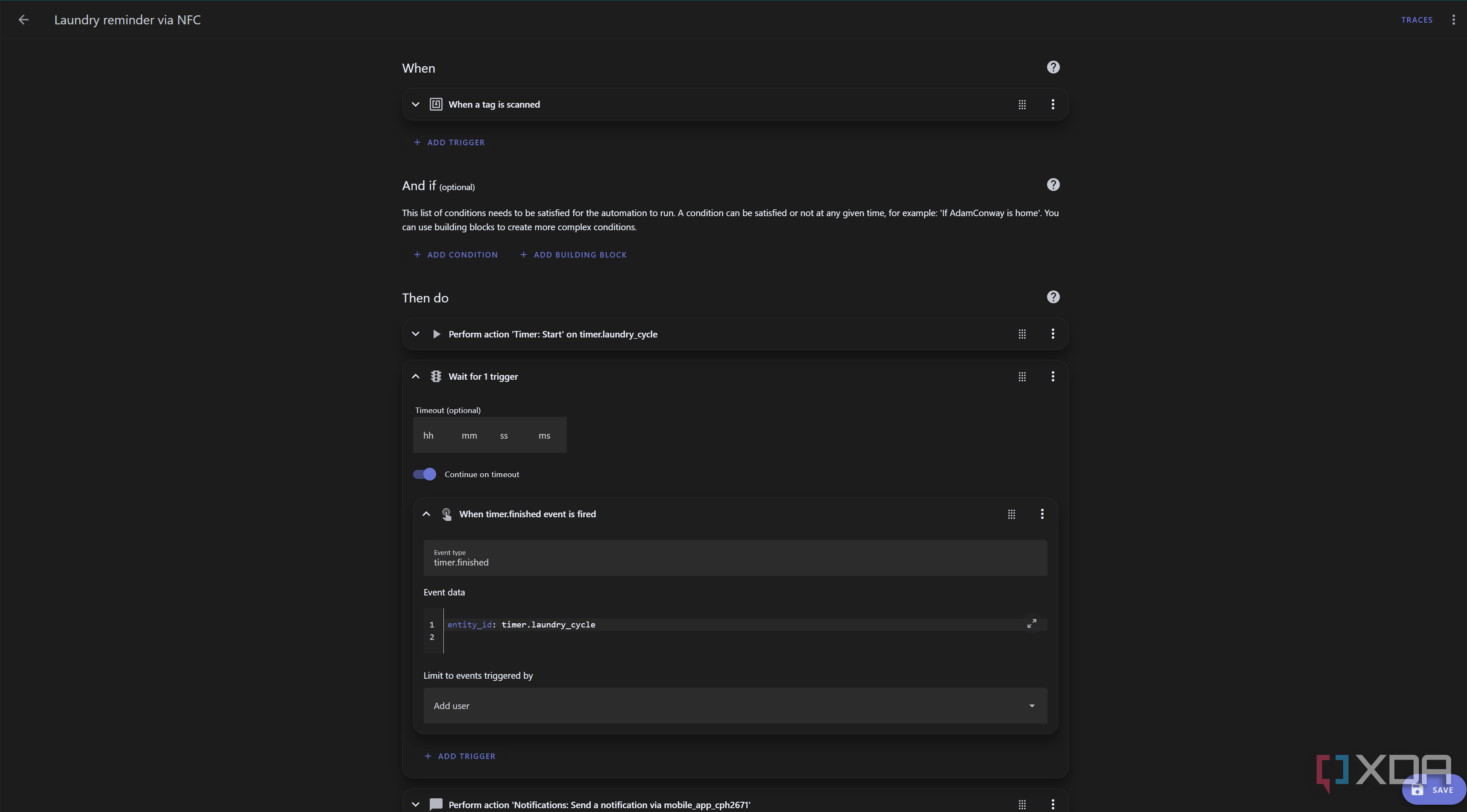
NFC tags can trigger multiple actions with one tap. For example, tapping a tag can turn off lights and lock doors. You can create personalized automation scenarios easily. This flexibility fits different needs and habits.
Cost-effective And Simple Setup
NFC tags are inexpensive and easy to install. No complex wiring or special tools needed. You can place tags anywhere around your home. This makes home automation more affordable and accessible.
Works Without Internet Connection
NFC works locally and does not need the internet. This means your automations run even during internet outages. It increases reliability and ensures smart devices respond at all times.
Credit: www.xda-developers.com
Setting Up Nfc Tags
Setting up NFC tags for your home automation system is a straightforward process that can significantly enhance your daily routine. The key is selecting the right tags and programming them correctly to trigger specific actions effortlessly. Let’s break down these crucial steps to make your smart home setup practical and efficient.
Choosing The Right Nfc Tags
Not all NFC tags are created equal, and picking the right one depends on where and how you plan to use it. For instance, if you want to place tags outdoors or in humid areas, look for waterproof and durable tags that won’t wear out quickly.
Memory size matters too. Simple tasks like turning on lights require less storage, so basic tags will do. But if you want to store multiple commands or URLs, go for tags with larger memory capacity.
- NTAG213:Great for simple commands and widely compatible.
- NTAG215:Offers more memory, ideal for complex tasks.
- NTAG216:Highest memory, perfect for advanced automation.
Also, consider tag size and adhesive strength. Smaller tags work well for discreet placements, while stronger adhesives ensure they stay put on various surfaces.
Programming Nfc Tags
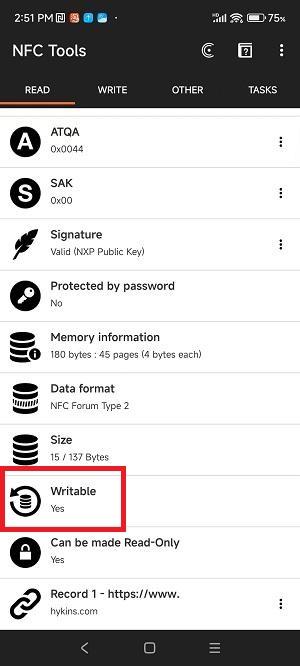
Programming NFC tags is easier than you might think, especially with smartphone apps designed for this purpose. You simply write commands or URLs onto the tag, which your phone or other NFC-enabled devices will read to trigger actions.
Popular apps like “NFC Tools” let you add tasks such as:
- Turning on/off lights
- Adjusting thermostat settings
- Launching playlists or apps
- Sending preset messages
Before writing to the tag, make sure to test your commands to avoid errors. You can always rewrite the tag if you want to change the functionality later.
Have you thought about how placing these tags at strategic points, like near your front door or bedside, could simplify your routines? Programming tags tailored to specific locations can turn simple taps into powerful automation triggers.
Integrating Nfc With Smart Devices
Integrating NFC with smart devices brings ease and speed to home automation. NFC tags act as simple triggers to control many devices. You just tap your phone or NFC-enabled remote to activate actions.
This integration reduces the need for apps or voice commands. It offers quick control with simple gestures. Many smart devices support NFC or can be paired with NFC readers.
Connecting Nfc To Smart Lights
Smart lights respond well to NFC triggers. You can program NFC tags to switch lights on or off. Change colors or set brightness levels with a tap.
- Place NFC tags near entrances or rooms.
- Tap your phone to set mood lighting instantly.
- Use NFC to cycle through light scenes without opening an app.
Nfc-controlled Thermostats
Thermostats with NFC compatibility allow quick temperature changes. Tap an NFC tag to adjust heating or cooling settings fast.
- Set different tags for home, away, or sleep modes.
- Save energy by switching to eco mode with a single tap.
- Manage climate zones without navigating menus.
Managing Security Systems With Nfc
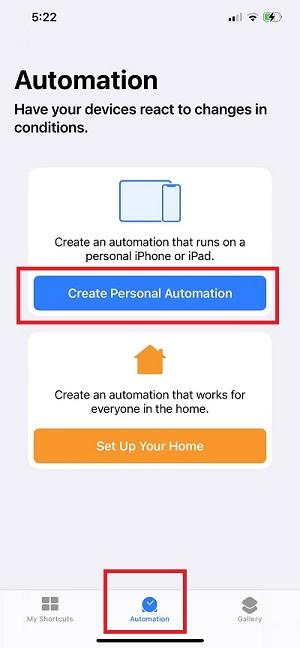
Security systems become easier to control using NFC. Arm or disarm alarms with a quick tap on a tag.
- Place NFC tags near doors for fast access.
- Grant temporary access to visitors by sharing NFC tags.
- Use NFC to trigger emergency alerts instantly.
Credit: www.hykins.com
Creating Nfc-enabled Routines
Creating NFC-enabled routines lets you simplify daily tasks with just a tap. Instead of fumbling with multiple apps or switches, you assign specific actions to NFC tags placed strategically around your home. This approach turns your smartphone or NFC-enabled device into a smart remote that triggers personalized settings instantly.
You might be surprised how small actions like tapping a tag can save you time and reduce stress. Imagine walking into your kitchen and setting the perfect lighting and coffee maker settings without lifting a finger. Ready to design your own seamless routines? Let’s look at some practical examples.
Morning Routine Automation
Start your day smoothly by placing an NFC tag near your bedside or bathroom mirror. When you tap your phone on it, the tag can:
- Turn on lights gradually to wake you gently
- Start your favorite morning playlist or news podcast
- Adjust your thermostat to a comfortable temperature
- Trigger your coffee machine to brew a fresh cup
Setting up this routine means you no longer need to juggle multiple devices first thing in the morning. You get a hands-free experience that feels tailored just for you. How much time could you save each morning by automating these small but essential tasks?
Evening Relaxation Setup
Wind down by creating an NFC tag near your favorite relaxation spot, like your living room couch or bedroom nightstand. A single tap can:
- Dim the lights to a cozy level
- Activate a white noise machine or calming sounds
- Set your smart plugs to power off non-essential devices
- Close smart blinds or curtains
This routine transforms your space into a peaceful retreat without manual fiddling. You’ll notice how quickly your body and mind respond to these subtle environmental changes. What would it feel like to have your home automatically shift into relaxation mode on demand?
Troubleshooting Common Nfc Issues
Setting up NFC for home automation can be exciting, but running into issues is quite common. Troubleshooting these problems quickly helps you stay in control without frustration. Let’s look at the most frequent NFC challenges and how you can solve them to keep your smart home running smoothly.
Compatibility Challenges
Not all NFC tags and devices work seamlessly together. Some smartphones or smart home hubs may only support specific NFC standards, causing your tag to fail. Check the specifications of both your device and NFC tags before purchase to avoid compatibility headaches.
Have you ever tried using a tag that your phone just wouldn’t read? This often happens because the tag’s data format or frequency isn’t supported. To fix this, try using tags from trusted brands known for wide compatibility.
If you’re mixing brands or older devices, test each tag individually. Sometimes, updating your device’s software can also improve NFC recognition and compatibility. Don’t overlook the importance of keeping your gadgets up to date.
Signal Interference Solutions
Signal interference is a silent disruptor of NFC communication. Metal surfaces, electronic devices, and even thick phone cases can block or weaken the NFC signal. Have you noticed your NFC tag working better when you remove your phone case? That’s interference in action.
To reduce interference, place NFC tags away from metal objects and electronic equipment. Using protective sleeves designed for NFC tags can also help maintain a clear signal. If your tag is embedded in furniture or walls, consider testing different locations to find the strongest signal spot.
Sometimes, simply repositioning your phone closer to the tag or adjusting the angle can improve the connection. Experiment with how you tap your device to find the sweet spot. NFC doesn’t require a precise touch, but closer and steadier contact often makes a big difference.
Future Trends In Nfc Home Automation
The future of NFC in home automation is full of exciting possibilities that can make your daily life simpler and more connected. As technology advances, NFC will offer smarter, faster, and more secure ways to control your home environment. Let’s look at some key trends shaping the next generation of NFC-powered homes.
Enhanced Security With Biometric Nfc Tags
Security concerns often hold people back from fully trusting smart home systems. NFC is evolving to include biometric verification, such as fingerprint or facial recognition, directly linked to NFC tags. This means you could unlock your front door or disable alarms only with an NFC tag that matches your unique biometric data, adding a strong layer of protection to your home.
Imagine no longer worrying about lost keys or codes being shared without your consent. Wouldn’t that give you more peace of mind?
Integration With Voice Assistants And Ai
NFC technology is becoming more integrated with voice assistants like Alexa, Google Assistant, and Siri. Tapping an NFC tag could trigger complex routines controlled by AI, such as adjusting lighting, setting the thermostat, or starting your favorite playlist. This seamless interaction reduces the need for multiple apps or manual controls, making your home truly responsive.
Think about the convenience of just tapping your phone to a tag by the door and having your home ready exactly how you like it.
Personalized Home Experiences Through Nfc Profiles
Future NFC systems will allow each family member to have personalized profiles stored on NFC tags. These profiles can adjust settings like lighting, temperature, and even TV preferences instantly when a tag is scanned. Your home could recognize who just walked in and adapt accordingly without you lifting a finger.
How much easier would your daily routine be if your home anticipated your needs the moment you enter?
Energy Efficiency And Smart Resource Management
NFC can help optimize energy usage by linking tags to smart devices that monitor consumption. For example, tapping a tag could turn off all unnecessary appliances or switch your home to energy-saving mode. This hands-on approach encourages conscious energy use while automating it to save costs.
Could you see yourself using NFC tags to reduce your electricity bill simply by tapping your phone?
Expanded Compatibility With Iot Devices
The range of IoT devices compatible with NFC is expected to grow significantly. This means you can control more gadgets—from smart kitchen appliances to garden irrigation systems—using simple NFC interactions. The increased compatibility brings a more unified and intuitive experience to managing your home.
Wouldn’t it be great to manage all your smart devices from one easy tap?
Credit: www.hykins.com
Frequently Asked Questions
What Is Nfc In Home Automation?
NFC (Near Field Communication) allows devices to communicate wirelessly at close range. It simplifies controlling smart home devices by tapping an NFC tag with a smartphone or compatible gadget, triggering automated actions instantly.
How Do I Set Up Nfc For Home Automation?
To set up NFC for home automation, place programmable NFC tags near devices. Use an NFC-enabled smartphone and a dedicated app to link tags to specific smart home actions, like turning lights on or adjusting thermostats.
Can Nfc Control Multiple Smart Devices Simultaneously?
Yes, NFC can trigger multiple smart devices at once. By programming an NFC tag with a series of commands, you can automate complex routines, such as activating lights, locking doors, and playing music together.
Are Nfc Tags Secure For Home Automation?
NFC tags offer moderate security and work best within close range, reducing hacking risks. For sensitive controls, combine NFC with additional security layers like passwords or biometric authentication for safer home automation.
Conclusion
NFC makes home automation simple and fast. Just tap your phone to control devices. It saves time and adds convenience every day. Setting up NFC tags is easy for anyone. You can customize actions to fit your needs. This technology helps create a smarter living space.
Try using NFC to improve your home’s comfort. Small changes can make a big difference. Start with one device and explore the possibilities. Enjoy the ease that NFC brings to your home.