Imagine controlling your lights, thermostat, and security system with just a tap on your phone. Sounds convenient, right?
But home automation is more than just convenience—it can save you time, cut down your energy bills, and make your home safer. If you’ve ever wished your daily routines were simpler or your home smarter, this article will show you exactly why home automation is something you need to consider now.
Keep reading to discover how it can transform your everyday life in ways you might not have imagined.
Benefits Of Home Automation
Home automation brings many benefits that improve daily life. It makes homes smarter and easier to manage. Controlling devices remotely saves time and effort. It also adds safety and lowers energy use. These benefits make home automation a smart choice for modern living.
Enhanced Comfort
Home automation lets you control lights, temperature, and appliances easily. Adjust settings with a smartphone or voice command. Create schedules for your devices to match your routine. This means your home feels just right when you arrive. No more fiddling with switches or thermostats.
Improved Security
Smart security systems keep your home safe. Cameras, alarms, and sensors alert you about unusual activity. You can monitor your house from anywhere. Lock or unlock doors remotely for trusted visitors. This constant watch protects your family and belongings.
Energy Efficiency
Automated systems help reduce energy waste. Lights turn off automatically in empty rooms. Thermostats adjust to save power when no one is home. Smart appliances use less electricity by running at optimal times. These features lower utility bills and help the environment.
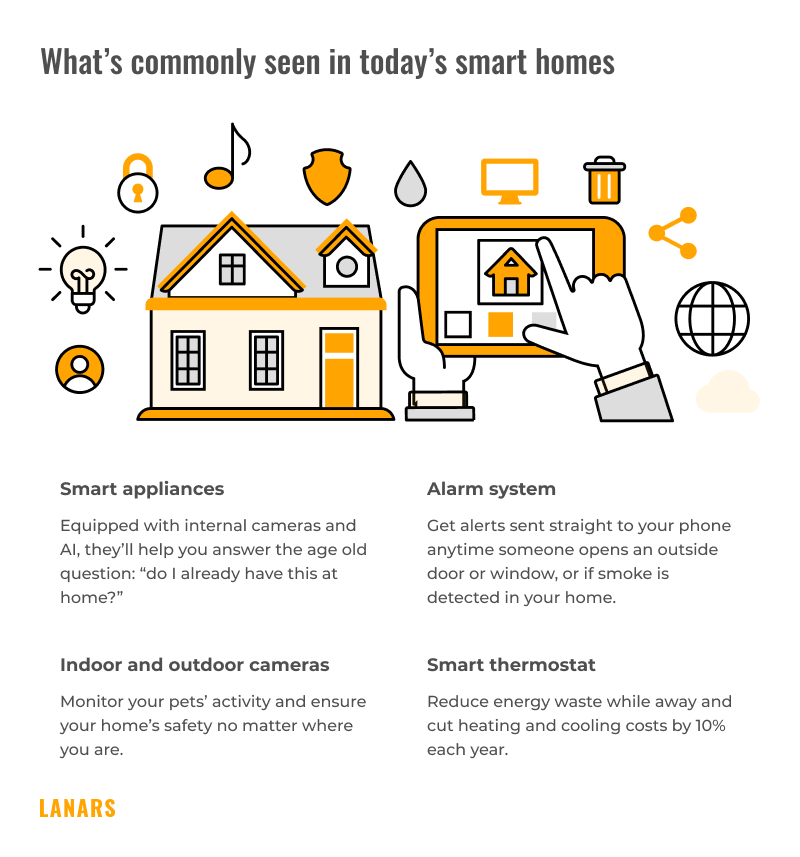
Credit: lanars.medium.com
Technology Behind Home Automation
The technology behind home automation is what turns ordinary living spaces into smart homes that respond to your needs. It combines various elements to create a seamless experience that saves time, energy, and effort. Understanding these technologies can help you decide which solutions fit best into your daily routine.
Smart Devices Integration
Smart devices like thermostats, lights, cameras, and speakers work together to give you control over your home. These devices communicate with each other using common protocols such as Zigbee, Z-Wave, or Wi-Fi. When integrated properly, you can automate tasks like adjusting the temperature when you leave or turning off lights when a room is empty.
Think about how your smart speaker can trigger multiple actions at once—play your favorite playlist, dim the lights, and lock the doors. This integration makes managing your home feel intuitive and effortless.
Iot And Connectivity
The Internet of Things (IoT) is the backbone of home automation. It connects your devices to the internet, allowing them to send and receive data in real time. This connectivity means you can control your home from anywhere using your smartphone or voice commands.
But it’s not just about convenience. IoT devices can learn your habits and adjust settings automatically. Have you noticed how some smart thermostats start heating your home just before you arrive? That’s IoT working quietly in the background to make life easier.
Automation Platforms
Automation platforms act as the central hub for managing all your smart devices. Platforms like Apple HomeKit, Google Home, and Amazon Alexa provide user-friendly apps and voice control to create personalized routines. For example, you can set a “Good Morning” routine that opens blinds, brews coffee, and reads the news aloud.
Choosing the right platform depends on your existing devices and preferences. Ask yourself: Do you want more voice control, or is app-based management easier for you? The right platform can simplify your smart home experience and bring all your devices into harmony.
Convenience In Everyday Life
Every day, you juggle numerous tasks that demand your attention. Home automation brings a new level of ease to these daily routines, helping you manage your environment with minimal effort. It’s not just about fancy gadgets—it’s about making your life smoother and freeing up time for what really matters.
Remote Control Features
Imagine adjusting your thermostat or turning off lights without leaving your couch. With remote control features, you can do exactly that from your smartphone or tablet. This means no more getting up in the middle of a movie or walking back into a dark room to switch off the lights.
Remote access also lets you check on your home while you’re away. You can unlock the door for a visitor or turn on the heating before you arrive. This kind of control adds a layer of comfort and security that fits perfectly into your busy lifestyle.
Voice Command Systems
Talking to your home might have sounded like science fiction once, but now it’s a daily convenience. Voice command systems let you control lighting, appliances, and even music simply by speaking. This hands-free approach is especially useful when your hands are full or when you’re multitasking.
Have you ever wished you could dim the lights without leaving your bed? Voice commands make that possible, enhancing comfort and accessibility. They also help reduce friction in your routines, turning everyday actions into effortless experiences.
Scheduling And Timers
Setting schedules and timers lets your home work on autopilot. You can program lights to turn on at sunset or have your coffee maker start brewing before you wake up. This kind of automation ensures your home adapts to your lifestyle, not the other way around.
Think about the time saved by automating repetitive tasks. Scheduling devices to operate only when needed can also cut energy costs. How much simpler would your mornings be if your home was already prepared for your day before you even got out of bed?
Credit: oxygendigitalshop.com
Safety And Security Features
Safety and security are among the top reasons people invest in home automation. Modern technology lets you keep a close watch on your home no matter where you are. It also helps you respond quickly to any threats, reducing risks and giving you peace of mind.
Surveillance Systems
Surveillance cameras are a key part of home automation security. You can view live footage from your phone or computer anytime. This means you can check on your home when you’re away or even monitor kids and pets.
Many systems offer motion detection and night vision, so nothing goes unnoticed. Imagine being alerted instantly if someone approaches your front door after dark. This kind of real-time monitoring can deter intruders before they act.
Intrusion Detection
Smart sensors on doors and windows notify you immediately if there’s a break-in attempt. These sensors can trigger alarms, turn on lights, or alert authorities automatically. You don’t have to rely on neighbors or hope someone notices.
Some systems even learn your routine and can spot unusual activity. This personalized protection means your home adapts to threats and keeps you safer. Have you ever thought about how quickly you could react with such alerts?
Emergency Alerts
Home automation can send you emergency alerts for smoke, fire, carbon monoxide, or water leaks. These alerts come directly to your phone, allowing you to act fast. Early warnings can prevent disasters and reduce damage.
Besides sending alerts, some systems can activate safety measures automatically. For instance, shutting off gas valves or unlocking doors for quick exit. Wouldn’t you want your home to help protect your family in critical moments?
Cost-effectiveness Of Automation
Home automation offers more than just convenience. It also provides clear financial benefits for homeowners. Understanding the cost-effectiveness of automation helps in making smart decisions.
Initial Investment
Setting up a home automation system requires upfront costs. These include buying devices and installation fees. Prices vary depending on the system’s complexity. Basic setups cost less than fully integrated smart homes. Planning the investment carefully ensures it fits your budget.
Long-term Savings
Automation reduces energy use by controlling lights, heating, and cooling. Smart thermostats adjust temperatures efficiently, cutting down utility bills. Automated lighting switches off when rooms are empty. These small savings add up over time. Maintenance costs are generally low, making systems affordable to run.
Return On Investment
Home automation increases property value by making homes attractive to buyers. Energy savings and convenience appeal to many homeowners. Over time, savings can cover the initial setup costs. The system pays for itself through reduced bills and increased home worth. This makes home automation a wise financial choice.
Credit: www.ayssystem.co.uk
Environmental Impact
Home automation plays a key role in reducing our environmental impact. It helps conserve natural resources by lowering energy use. Smart systems make homes more efficient. This leads to less waste and a smaller carbon footprint.
Using technology to control energy use supports a healthier planet. It also encourages a lifestyle that respects nature’s limits. The benefits go beyond comfort and convenience.
Reduced Energy Consumption
Automated systems turn off lights and appliances when not needed. Heating and cooling adjust based on room occupancy and outside temperature. This avoids wasting energy on empty spaces. Smart sensors and timers help keep energy use low. Families save money while protecting the environment.
Sustainable Living
Home automation encourages habits that are good for the earth. It promotes using energy at off-peak times, reducing strain on power grids. Water-saving devices can also be integrated into smart homes. These small changes support global efforts to preserve resources. Living sustainably becomes easier and more natural.
Smart Energy Management
Advanced systems track energy usage in real time. They provide clear data on where energy goes in the home. This information helps homeowners make smarter choices. Integration with renewable energy sources like solar panels optimizes power use. Automated adjustments balance comfort and efficiency without manual effort.
Future Of Home Automation
The future of home automation promises smarter, easier living. Technology will make homes more responsive and efficient. Automation will blend with daily life, helping save time and energy.
Homes will learn habits and adjust settings automatically. This means better comfort and security with less effort. The next wave of innovation will bring new tools and trends that change how we live.
Emerging Technologies
Artificial intelligence will play a major role. Devices will understand voice commands and predict needs. Sensors will track health, air quality, and energy use. Smart appliances will connect seamlessly for smooth control. Virtual assistants will get better at personalizing experiences.
Trends In Automation
- Increased use of voice and gesture controls
- More integration between devices and platforms
- Focus on energy efficiency and sustainability
- Growth in remote monitoring and control via apps
- Customization based on user preferences and routines
Market Growth
The home automation market is expanding rapidly worldwide. More households adopt smart technology each year. Manufacturers invest in affordable, user-friendly products. This growth drives innovation and wider availability. The trend will continue as technology improves and prices drop.
Choosing The Right System
Choosing the right home automation system is essential for a smooth experience. Each home is unique, so the system must fit specific needs and lifestyle. The right choice enhances comfort, saves energy, and improves security. Careful thought helps avoid unnecessary costs and complications.
Assessing Needs
Start by listing daily tasks that could be automated. Think about lighting, heating, security, and entertainment. Identify which features will make life easier or safer. Consider the number of rooms and devices to control. Check compatibility with existing gadgets and future upgrades.
Comparing Options
Research different systems and brands available. Compare their features, prices, and user reviews. Look for systems that offer easy control through apps or voice commands. Check if the system supports popular smart home assistants. Evaluate security measures and data privacy policies.
Installation And Setup
Decide between DIY installation or professional help. DIY can save money but requires time and effort. Professional installation ensures proper setup and support. Understand the system’s setup process and required tools. Verify if the system allows easy expansion later on.
Frequently Asked Questions
What Are The Main Benefits Of Home Automation?
Home automation improves comfort, security, and energy efficiency. It allows remote control of devices, saving time and reducing costs. Automated systems enhance convenience by managing lighting, heating, and appliances seamlessly.
How Does Home Automation Improve Energy Efficiency?
Smart devices monitor and adjust energy use based on habits. Automated lighting and thermostats reduce waste by operating only when needed. This leads to lower utility bills and a smaller carbon footprint.
Can Home Automation Increase Property Value?
Yes, smart homes attract buyers and often sell faster. Modern automation features are seen as valuable upgrades. They add convenience, security, and energy savings, making properties more appealing.
Is Home Automation Compatible With Existing Devices?
Most systems support integration with popular smart devices. Compatibility depends on the platform and communication protocols used. Many solutions offer easy setup with minimal changes to current equipment.
Conclusion
Home automation makes life easier and safer. It saves time and energy every day. You control your home from anywhere with ease. It helps reduce bills and waste. Smart homes can improve comfort and convenience. This technology suits many lifestyles and budgets.
Adopting home automation means embracing simple, modern living. It brings peace of mind and better control. Small steps today can lead to big benefits tomorrow. The future of home living is smart and efficient.