Are you tired of your old, weak shower spray? Changing your Moen shower head can instantly improve your shower experience.
It’s easier than you think, and you don’t need to call a plumber or buy special tools. In this guide, you’ll learn simple steps to swap out your shower head quickly and confidently. By the end, you’ll enjoy a refreshing, powerful spray every time you step into the shower.
Let’s get started and transform your daily routine!
Tools Needed
Changing a Moen shower head is a simple task that requires just a few tools. Having the right tools makes the process smooth and saves time. These tools help you remove the old shower head and install the new one without damage.
Gather all the tools before starting. This prevents interruptions and keeps the job neat. Most tools you need are common and easy to find in any home toolkit.
Adjustable Wrench
An adjustable wrench fits different sizes of nuts and bolts. It helps to loosen or tighten the shower head without slipping. Choose a wrench with a comfortable grip for better control.
Plumber’s Tape (teflon Tape)
Plumber’s tape seals the threads of the shower arm. It prevents leaks after installation. Wrap the tape around the threads clockwise for the best seal.
Soft Cloth Or Rag
Use a soft cloth to protect the shower arm from scratches. Place it between the wrench and the metal surface. This keeps your fixtures looking new.
Old Toothbrush Or Small Brush
A brush cleans the threads and removes old tape or debris. Clean threads help the new shower head fit tightly and prevent leaks.
Preparing The Area
Preparing the area before changing a Moen shower head is essential. It helps avoid water mess and damage. Proper preparation also makes the process smooth and faster.
Start by clearing the space around the shower. Remove any shampoo bottles, soap dishes, or other items. This gives you easy access and prevents accidents.
Next, protect the shower floor and walls. Use a towel or plastic sheet to catch drips or debris. This keeps the bathroom clean and reduces slipping hazards.
Gather all tools and materials needed. Having everything ready saves time and avoids unnecessary trips.
Turn Off The Water Supply
Locate the water shut-off valve for the shower. Turn it off to stop water flow. If no valve exists, turn off the main water supply to the house.
Open the shower faucet to release remaining water in the pipes. This prevents leaks during the shower head removal.
Gather Necessary Tools
- Adjustable wrench or pliers
- Cloth or rag to protect shower arm
- Teflon tape for sealing connections
- New Moen shower head
Keep tools close to the shower area. It helps avoid interruptions during installation.
Clear The Shower Area
- Remove all personal items from shelves or ledges
- Place a towel or plastic sheet on the floor
- Ensure good lighting for better visibility
A clean, organized space reduces stress and mistakes.
Removing The Old Shower Head
Removing the old shower head is the first step toward upgrading your bathroom experience. It might seem simple, but taking the right approach can save you time and prevent damage to your plumbing. Before you start, make sure you have the necessary tools and a bit of patience.
Gather The Right Tools
Having the correct tools makes the job easier. You’ll typically need an adjustable wrench, a cloth or rag, and some plumber’s tape. The cloth protects the finish on the shower arm from scratches when you use the wrench.
Turn Off The Water Supply
Although you don’t need to shut off the whole house’s water, it’s smart to stop the flow to the shower if possible. This prevents accidental spraying or leaks when loosening the shower head. If you can’t find a local shutoff valve, just be prepared to catch drips with a towel.
Loosen The Shower Head
Wrap the cloth around the connection point where the shower head meets the shower arm. Use the adjustable wrench to gently turn the shower head counterclockwise. If it feels stuck, a bit of penetrating oil can help loosen rust or mineral buildup.
Remove The Shower Head By Hand
Once the shower head is loose enough, you can usually unscrew it the rest of the way by hand. Be careful to keep a firm grip so it doesn’t fall and cause damage. If it’s your first time, you’ll be surprised how much easier this step is after loosening it with the wrench.
Inspect The Shower Arm And Threads
After removal, check the shower arm and the threads for any signs of damage or old plumber’s tape. Clean off any debris or old tape to make sure the new shower head fits perfectly. This small step prevents leaks and ensures a tight seal.

Credit: www.youtube.com
Cleaning The Shower Arm
Cleaning the shower arm is a key step before installing a new Moen shower head. Dirt, old plumber’s tape, and mineral deposits can prevent a good seal. This can cause leaks or make the shower head loose. A clean shower arm ensures a tight fit and smooth water flow.
Remove Old Tape And Debris
Start by wiping off any visible dirt or old plumber’s tape. Use a cloth or a soft brush to clean the threads gently. Avoid using sharp objects that could damage the shower arm.
Soak The Shower Arm To Remove Mineral Buildup
Mineral deposits can block water flow and cause leaks. Soak a cloth in white vinegar and wrap it around the shower arm. Leave it for about 30 minutes to dissolve the buildup. Then, scrub lightly with a soft brush.
Dry And Inspect The Shower Arm
After cleaning, dry the shower arm with a clean towel. Check the threads for any damage or leftover debris. If the threads look worn or cracked, consider replacing the shower arm before installing the new shower head.
Installing The New Shower Head
Installing the new Moen shower head is the moment your upgrade takes shape. This step requires attention to detail to avoid leaks and ensure a perfect fit. Let’s walk through the process to help you install your new shower head with confidence and ease.
Attaching The New Head
Start by carefully aligning the new shower head with the shower arm. Most Moen models have a threaded connection that screws onto the arm. Turn the shower head clockwise by hand until it feels snug.
If you notice resistance or difficulty, double-check the threads for debris or damage. You might also want to wrap the shower arm threads with plumber’s tape before attaching the head—this small step can prevent leaks and make tightening easier.
Ensuring A Tight Fit
Once the shower head is hand-tight, use an adjustable wrench or pliers to give it an extra quarter turn. Avoid over-tightening, which can crack the fittings or strip the threads.
Check for leaks by turning on the water at full pressure. If you see any drips, gently tighten the connection a bit more. If leaks persist, disconnect, apply more plumber’s tape, and try again.
Have you ever tightened a shower head so much it became impossible to remove later? Using the right amount of force now can save you headaches in the future.
Testing The Installation
Testing the installation is key after changing a Moen shower head. It ensures the setup works well and prevents future issues. This step helps confirm the shower head is secure and functions correctly.
Checking For Leaks
Turn on the water slowly to check for leaks around the connection. Watch the area where the shower head meets the pipe. Look for any drips or moisture forming. Tighten the connection gently if you see leaks. Use plumber’s tape to seal the threads better if needed. No leaks mean the connection is secure and safe.
Evaluating Water Flow
Let the water run at full pressure to test the flow. Check if the water sprays evenly from all nozzles. Notice if the flow feels strong or weak. Weak flow might mean a clogged shower head or poor connection. Clean the nozzles or reattach the head if flow is uneven. A smooth, steady flow shows the installation is successful.
Maintenance Tips
Keeping your Moen shower head in good shape makes showers better and extends its life. Simple maintenance habits help avoid buildup and damage. Follow these tips to keep the water flow steady and clean.
Regular Cleaning
Clean your shower head once a month to stop mineral buildup. Use a soft cloth and mild soap to wipe the surface. For clogged nozzles, soak the head in vinegar for 30 minutes. Rinse well with warm water after soaking. Avoid harsh chemicals that can damage the finish.
Inspecting For Wear
Check your shower head every few months for cracks or leaks. Look at the rubber seals and connections for wear or damage. Replace worn parts immediately to prevent water waste. Tighten any loose fittings to keep the head secure. Early fixes save bigger repair costs later.
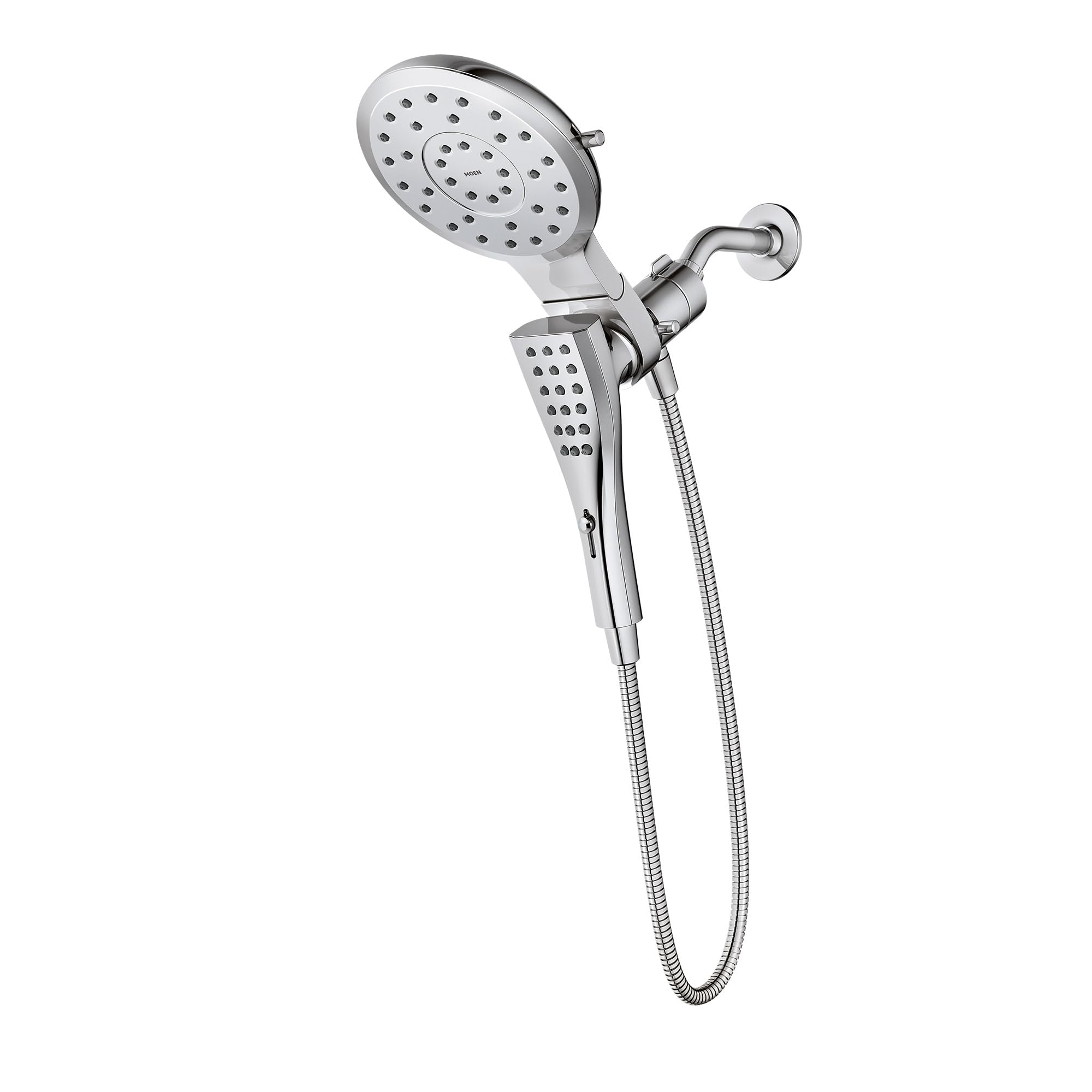
Credit: www.amazon.ca

Credit: www.youtube.com
Frequently Asked Questions
How Do I Remove A Moen Shower Head Safely?
Turn off the water supply first. Use a wrench or pliers with a cloth to avoid scratches. Twist the shower head counterclockwise to remove. Clean the pipe threads before installing a new head.
Can I Install A Moen Shower Head Myself?
Yes, installing a Moen shower head is easy for most DIYers. It requires no special tools. Follow the instructions carefully to avoid leaks. Use plumber’s tape on the threads for a secure fit.
What Tools Are Needed To Change A Moen Shower Head?
You will need an adjustable wrench or pliers and plumber’s tape. A cloth or rag helps protect the finish. No power tools are required. These tools ensure a snug, leak-free installation.
How Often Should I Replace My Moen Shower Head?
Replace your shower head every 5 to 7 years. Mineral buildup or low water pressure are signs to change it. Regular cleaning can extend its life. New models offer better water efficiency and spray options.
Conclusion
Changing a Moen shower head is simple and quick. Just follow the steps carefully. Turn off the water, remove the old shower head, and clean the pipe threads. Then, apply plumber’s tape and screw on the new shower head. Tighten it by hand or with a wrench.
Test the water flow to check for leaks. Enjoy your improved shower experience. Now you can easily update your bathroom without help. Give it a try today!