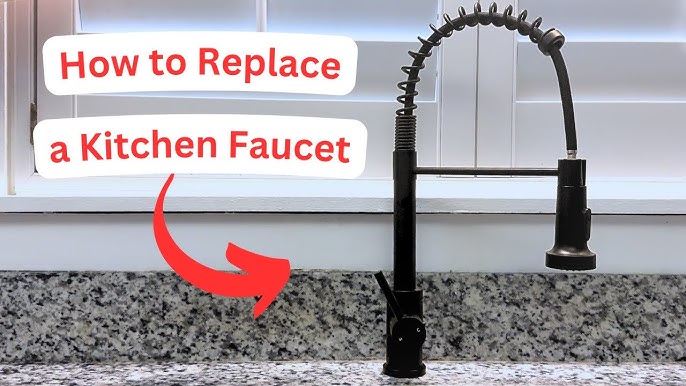
Are you tired of that old, leaky kitchen faucet? Changing it might seem tricky, but what if you could do it yourself in just a few simple steps?
Imagine saving money, avoiding a plumber’s wait, and giving your kitchen an instant refresh. In this guide, you’ll discover exactly how to change your kitchen faucet quickly and confidently—even if you’ve never done it before. Keep reading, and by the end, you’ll have the know-how to transform your kitchen with ease.
Tools And Materials Needed
Before you start changing your kitchen faucet, gathering the right tools and materials makes the job smoother and faster. Having everything at hand prevents frustrating stops mid-project. Let’s look at what you’ll need to get the job done efficiently.
Essential Tools For Changing A Kitchen Faucet
- Adjustable Wrench:This helps you loosen and tighten nuts of various sizes without switching tools constantly.
- Basin Wrench:Designed specifically for faucets, it reaches tight spots under the sink where regular wrenches can’t fit.
- Screwdrivers:Both flathead and Phillips screwdrivers are necessary to remove mounting screws and other fasteners.
- Plumber’s Tape (Teflon Tape):Wrap this around threaded connections to prevent leaks and ensure a tight fit.
- Bucket or Bowl:To catch any water drips when disconnecting supply lines.
- Towels or Rags:Essential for cleaning up spills and drying parts.
Materials You’ll Need For Installation
- New Kitchen Faucet:Choose a faucet compatible with your sink’s configuration, whether it’s single-hole or multiple holes.
- Supply Lines:Sometimes new faucets come with these, but having fresh, flexible supply lines is a good idea to avoid leaks.
- Putty or Silicone Sealant:This seals the base of the faucet to the sink, preventing water from seeping underneath.
- Replacement Washers or O-Rings:If your new faucet doesn’t include these, they help ensure tight connections and prevent drips.
Why Prepare These Tools And Materials In Advance?
Imagine halfway through removing your old faucet and realizing you don’t have a basin wrench. That’s a common mistake that wastes time and tests your patience. Have you ever faced a similar situation? Your project will feel less overwhelming if you check off this list before you start.
Also, using the right tools prevents damage to your sink or faucet parts. For example, a basin wrench helps you avoid scratching surfaces or stripping nuts.
Do you know where your plumbing supplies are stored right now? Take a moment to gather your tools and materials to save yourself unexpected delays.
Preparing For The Installation
Preparing for the installation of a new kitchen faucet sets the stage for a smooth and successful project. Taking the time to get everything ready helps you avoid surprises and unnecessary frustration. Proper preparation can save you time and keep your workspace safe and organized.
Shutting Off Water Supply
Before you touch any plumbing, make sure the water supply is completely shut off. Locate the shutoff valves under the sink and turn them clockwise to close. If your valves are stuck or missing, you may need to turn off the main water supply for your home.
After shutting off the valves, open the faucet to drain any remaining water in the lines. This small step prevents water from spilling when you disconnect the old faucet. Have a towel or small bucket handy to catch any drips.
Clearing The Workspace
Clear out everything under the sink and on the countertop to give yourself plenty of room to work. Removing clutter reduces the risk of damaging items and makes it easier to access plumbing connections.
Organize tools and parts nearby but out of the way of your work area. Good lighting is essential—consider adding a portable lamp if the space is dim. A clean, well-lit workspace can turn a daunting task into a manageable one.
Removing The Old Faucet
Removing the old faucet is a crucial step before installing a new one. It might seem tricky at first, but with a little patience and the right tools, you can handle it yourself. Understanding how to disconnect and loosen the faucet components will save you time and prevent damage to your sink.
Disconnecting Water Lines
Start by turning off the water supply to your faucet. You can usually find the shut-off valves under the sink. If not, turn off the main water supply for your home.
Next, use an adjustable wrench to loosen the nuts connecting the water lines to the faucet. Be careful not to apply too much force to avoid damaging the pipes. Have a bucket or towel handy to catch any water that may drip out during disconnection.
Loosening Mounting Nuts
Look under your sink to find the mounting nuts holding the faucet in place. These nuts can be tight and hard to reach. A basin wrench is a handy tool that fits into tight spaces and provides the leverage you need.
Turn the mounting nuts counterclockwise to loosen them. If they are stuck, apply a little penetrating oil and wait a few minutes before trying again. Once loosened, lift the faucet out from the top of the sink carefully.

Credit: pbphomerepair.com
Installing The New Faucet
Installing the new faucet is an exciting moment where all your preparation comes together. You’ll see your kitchen transform as you fit the new fixture in place. Taking your time and focusing on each detail will ensure a leak-free and sturdy installation.
Positioning The Faucet
Start by placing the faucet into the mounting holes on your sink or countertop. Make sure the faucet’s base sits flat and evenly without any gaps. Check that the spout and handles align correctly with the sink basin and any pre-drilled holes.
Don’t rush this part—an uneven faucet can cause water to drip or create pressure on the connections. If your faucet has a gasket or rubber seal, place it between the faucet base and sink to prevent leaks. Take a moment to wiggle the faucet gently and confirm it feels stable before moving on.
Securing Mounting Nuts
Underneath the sink, you’ll find mounting nuts or brackets designed to hold the faucet firmly in place. Thread the nuts onto the faucet shanks by hand first, then tighten them carefully using a basin wrench or adjustable wrench. Avoid overtightening; too much force can crack your sink or damage the faucet.
It’s helpful to alternate tightening each nut gradually to keep the faucet level. If your faucet includes mounting brackets, make sure they are properly aligned before securing the nuts. Have you ever tightened something too much only to cause a bigger problem? Taking it slow here prevents that scenario.
Connecting Water Supply Lines
Connecting the water supply lines is a key step when changing your kitchen faucet. This is where hot and cold water meet the faucet, so getting it right ensures smooth operation and avoids leaks. Pay close attention to how you attach these lines—it makes a big difference in your faucet’s performance.
Attaching Hot And Cold Lines
Start by identifying the hot and cold water lines. Usually, hot water lines are on the left and cold on the right. Connect the supply lines carefully to their corresponding valves on the faucet.
Use your hands to tighten the connections first, then a wrench to secure them snugly. Avoid over-tightening, as this can damage the fittings. You want a firm fit that won’t loosen over time but doesn’t stress the plumbing.
If your supply lines are old or worn, consider replacing them now. New lines reduce the risk of leaks and give you peace of mind. Have you checked your lines recently?
Checking For Leaks
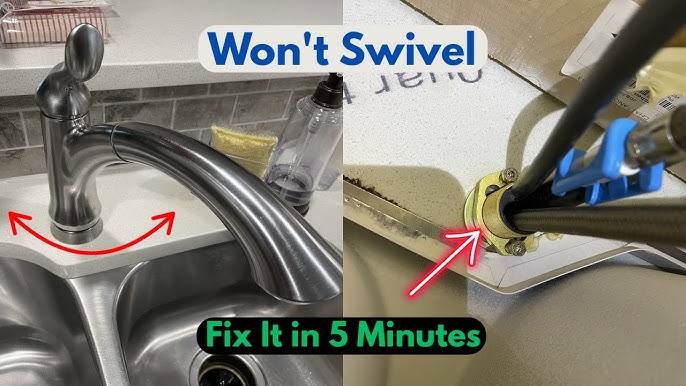
Once the supply lines are connected, turn the water back on slowly. Watch closely where the lines meet the faucet and the shutoff valves. Any dripping means you need to tighten or reseal the connections.
Keep a dry towel handy to spot even small leaks quickly. Sometimes, a small leak can be fixed by tightening a connection just a bit more. If tightening doesn’t work, you may need to add plumber’s tape to the threads before reconnecting.
Testing for leaks immediately saves you headaches later. Would you rather catch a drip now than deal with water damage down the road?
Credit: www.youtube.com
Testing The New Faucet
Testing the new faucet is a crucial step to ensure everything works smoothly and there are no leaks. After installing your new kitchen faucet, you want to make sure it functions correctly before finishing up the job. This process involves carefully turning on the water supply and adjusting the water flow to your preference.
Turning On Water Supply
Start by slowly opening the shut-off valves under your sink. This prevents any sudden pressure that might damage your new faucet. Watch closely for any drips or leaks around the connections.
If you notice water pooling or dripping, tighten the fittings gently. It’s easier to fix leaks now than after everything is sealed and finished. Have a towel handy to catch any unexpected drips.
Adjusting Water Flow
Once the water supply is on, test the faucet by turning it on and off. Feel how the water pressure responds. You can adjust the flow by checking the aerator or the faucet handles.
If the water pressure feels too weak or too strong, consider cleaning the aerator or adjusting the valves. Remember, your faucet should provide a steady, comfortable flow without splashing. Have you experienced a faucet that’s too forceful or too weak? Adjusting it yourself can save a call to a plumber.
Final Touches
After installing your new kitchen faucet, the final touches are essential. They help keep your kitchen neat and make sure the faucet works perfectly. Taking time for these last steps ensures a smooth finish and a faucet that lasts longer.
Cleaning The Area
Clear away any tools and packaging left from the installation. Use a soft cloth and mild cleaner to wipe the sink and countertop. Remove all water spots and fingerprints. Check under the sink for any debris or leftover parts. A clean area prevents damage and keeps your kitchen fresh.
Ensuring Proper Functionality
Turn on the water supply slowly. Check for leaks around the base and under the sink. Test both hot and cold water to confirm temperature control. Move the faucet handle smoothly in all directions. Make sure water flows evenly and drains well. Fix any drips or loose fittings immediately to avoid future problems.

Credit: www.youtube.com
Frequently Asked Questions
How Do I Prepare Before Changing A Kitchen Faucet?
Start by turning off the water supply under the sink. Clear the area and gather tools like a wrench and screwdriver. Have a bucket handy to catch any water drips. This preparation ensures a smooth and mess-free faucet replacement process.
What Tools Are Needed To Replace A Kitchen Faucet?
You typically need an adjustable wrench, basin wrench, screwdriver, and plumber’s tape. Sometimes, a flashlight helps in tight spaces. Having these tools ready makes the installation efficient and prevents delays during the faucet change.
How Long Does It Take To Change A Kitchen Faucet?
Replacing a kitchen faucet usually takes 30 to 60 minutes. Time varies based on faucet type and your experience. Preparing tools and following instructions can speed up the process and ensure a proper installation.
Can I Change A Kitchen Faucet Without A Plumber?
Yes, you can change a faucet yourself with basic tools and instructions. Turn off water, remove the old faucet, and install the new one carefully. DIY faucet replacement saves money and is doable for most homeowners.
Conclusion
Changing a kitchen faucet can seem hard but is doable. Gather your tools and follow the steps carefully. Turn off the water before starting any work. Take your time to avoid mistakes or leaks. A new faucet can improve your kitchen’s look and function.
You save money by doing it yourself. Enjoy the satisfaction of fixing something with your own hands. Keep instructions nearby for future reference. Small projects build your confidence for bigger ones. Simple tasks like this make a big difference at home.