Have you ever wondered how far your security camera can actually see? Whether you’re protecting your home, business, or loved ones, knowing the range of your camera can make all the difference.
Imagine catching every detail, day or night, without missing a thing. You’ll discover the true distance security cameras cover and how to choose the right one to keep your space safe. Stay with me, and you’ll never have to guess if your camera’s watching far enough.

Credit: www.instagram.com
Types Of Security Cameras
Security cameras come in many types, each designed for different needs and environments. Choosing the right camera affects how far it can see and how clear the image is. Understanding these types helps in picking the best option for your security.
Analog Cameras
Analog cameras send video signals through cables to a recording device. They are simple and usually cost less. Their viewing distance depends on the cable quality and camera lens. Analog cameras work well for short to medium ranges.
Digital Cameras
Digital cameras process video signals inside the camera before sending them. They provide clearer images and can cover longer distances. Digital cameras often support high resolutions and zoom features. They are ideal for detailed monitoring over larger areas.
Wireless Cameras
Wireless cameras use Wi-Fi or other signals to transmit video. They are easy to install and move around. Their viewing range depends on the signal strength and interference. Wireless cameras suit places where running cables is hard or unwanted.
Infrared Cameras
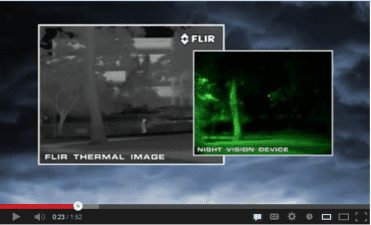
Infrared cameras see in the dark using infrared light. They capture images even with no visible light. These cameras are perfect for night surveillance. Their range varies, but some models can see up to 100 feet or more in darkness.

Credit: www.jimsantennas.com.au
Factors Affecting Camera Range
Several factors influence how far a security camera can see. The camera’s range depends on its components and environment. Understanding these factors helps in choosing the right camera for specific needs.
Lens Quality
The lens controls how much light enters the camera. High-quality lenses capture clearer images at longer distances. Poor lenses cause blurry or distorted views. The lens type, like wide-angle or telephoto, also affects the range. Telephoto lenses zoom in on far objects but have a narrow view. Wide-angle lenses cover more area but with less detail.
Sensor Technology
The sensor converts light into an image. Advanced sensors perform better in low light and long distances. Larger sensors collect more light, improving image clarity. Some sensors reduce noise, making distant objects easier to see. Sensor technology varies between cameras, impacting their effective range.
Resolution Capabilities
Resolution defines the detail level in the video. Higher resolution cameras show clearer and sharper images. This helps identify faces or objects far away. Cameras with low resolution may miss important details at distance. Choosing the right resolution depends on the viewing distance and purpose.
Lighting Conditions
Light plays a crucial role in camera range. Bright environments allow cameras to see farther. Darkness limits visibility unless the camera has night vision. Infrared or low-light cameras extend range in poor lighting. Shadows, glare, and weather also affect how far cameras can see.
Distance And Field Of View
Understanding the distance and field of view of security cameras is essential to choosing the right system for your needs. These factors determine how much area a camera can cover and how clearly it can capture details at different ranges. Knowing the strengths and limitations of various camera types can help you set up a more effective surveillance system.
Wide Angle Vs. Narrow Angle
Wide-angle cameras capture a larger area but usually sacrifice some detail at longer distances. They are great for monitoring big spaces like parking lots or open rooms where you want to see everything at once.
Narrow-angle cameras focus on a smaller area but provide sharper detail from farther away. If you need to identify faces or license plates, these cameras are more suitable. Think about what you want to watch closely versus what you just need to keep an eye on.
Zoom Capabilities
Zoom allows you to adjust the camera’s view to get closer to an object without physically moving the camera. Optical zoom uses the camera’s lens to magnify the image, preserving quality, while digital zoom simply enlarges the pixels, which can reduce clarity.
Choosing a camera with optical zoom is better if you need to see details at a distance. Ask yourself how often you’ll need to zoom in and whether image clarity at those zoom levels matters for your security.
Pan-tilt-zoom Cameras
Pan-tilt-zoom (PTZ) cameras give you full control over where the camera points and how much it zooms in. You can remotely move the camera horizontally (pan), vertically (tilt), and zoom in or out, making it very flexible.
This flexibility means a single PTZ camera can cover multiple areas instead of installing several fixed cameras. But remember, controlling PTZ cameras requires active monitoring or automated tracking features to get the most out of them.
Environmental Impact On Distance
Environmental factors play a major role in determining how far your security cameras can effectively see. Even the best camera models will struggle if conditions around them are not ideal. Understanding these impacts helps you set realistic expectations and choose the right equipment for your needs.
Weather Conditions
Rain, fog, and snow create a veil that reduces visibility for security cameras. Water droplets scatter light, making objects appear blurry or completely hidden beyond a certain distance.
Wind can shake cameras, causing blurry footage especially if your setup lacks stabilization. Bright sunlight, on the other hand, can cause glare or harsh shadows that hide details.
Have you noticed how a sudden downpour can turn a clear security feed into a foggy blur? That’s a clear sign your camera’s effective range has just shrunk.
Obstructions
Walls, trees, and fences block the line of sight for cameras, reducing the distance they can cover. Even small objects like branches or signs can interfere if they’re close to the lens.
Think about the last time you installed a camera near a window with reflections or a busy street with moving vehicles and pedestrians. These obstacles disrupt the clarity and range of your footage.
To improve distance, position cameras where the view is open and clear. Regularly trim nearby foliage and remove unnecessary items blocking the lens.
Night Vision Limitations
Infrared (IR) night vision is common, but it has its limits. IR light only illuminates objects within a certain range, often much shorter than daytime visibility.
Surfaces that absorb IR light, like dark clothing or matte finishes, can disappear into the shadows beyond a few dozen feet. Conversely, reflective surfaces might cause glare that confuses the camera sensor.
Ever wondered why your camera’s night vision looks good up close but loses detail farther away? That’s the natural boundary of IR technology affecting distance.
Choosing cameras with better IR LEDs or supplemental lighting can extend your nighttime visibility, but expect some limits based on your environment.
Real-life Applications
Security cameras have transformed the way we protect our spaces. Understanding how far they can see helps you choose the right setup for your needs. Let’s look at how this knowledge applies in real life, from homes to public areas.
Residential Security
Your home is your sanctuary, and clear camera vision matters. Many homeowners install cameras that cover up to 50 feet, enough to monitor driveways and front yards effectively. If you want to watch your backyard or larger properties, cameras with longer range and night vision are key.
Think about your neighborhood. Would a camera capturing clear details at 100 feet deter potential intruders? Often, the right camera placement combined with good range makes all the difference.
Commercial Surveillance
Businesses require surveillance that covers expansive areas like parking lots and building entrances. Cameras with ranges of 100 to 300 feet are common here, allowing staff to monitor activities without blind spots. Some retail stores use zoom lenses to focus on cash registers or shelves from a distance.
Imagine your store’s security system catching a suspicious person 200 feet away—could that prevent theft or vandalism? The clarity and distance capabilities often decide how quickly you can react.
Public Space Monitoring
Public areas like parks, streets, and transit stations rely on cameras with long-range capabilities. These cameras can see up to several hundred feet, sometimes more, to cover wide spaces efficiently. Law enforcement uses them to spot unusual behavior before it escalates.
Have you ever wondered how city cameras track events across large plazas? The distance a camera can see directly impacts public safety and response times.
Enhancing Camera Distance
Enhancing the distance a security camera can see greatly improves its effectiveness. Clearer and farther views help catch important details and increase safety. Various techniques can extend how far cameras capture images.
These improvements make cameras more useful in dark or large areas. Even basic setups can benefit from simple upgrades. Advanced tools and better hardware take visibility to the next level.
Using Auxiliary Lighting
Extra lights brighten dark spaces for security cameras. Infrared (IR) lights work well without disturbing people. They help cameras see clearly at night or in shadowed zones.
LED floodlights provide visible light to cover wide areas. Motion-activated lights save energy and alert people nearby. Proper lighting reduces grainy images and sharpens details.
Implementing Advanced Software
Software enhances images and extends camera range digitally. Features like digital zoom and image stabilization help focus on distant objects. Noise reduction clears up grainy or blurry footage.
Motion detection and tracking improve target visibility even far away. Some programs adjust brightness automatically for changing light. Smart software makes cameras more adaptable to conditions.
Upgrading Camera Hardware
Better lenses increase how far a camera can see clearly. Telephoto lenses focus on distant objects with sharp details. Higher resolution sensors capture finer image quality at long range.
Pan-tilt-zoom (PTZ) cameras move to cover wider areas and zoom in. Cameras with larger sensors perform better in low light. Investing in good hardware greatly boosts camera distance and clarity.
Choosing The Right Camera For Your Needs
Choosing the right security camera means matching the device to your specific needs. It’s not just about picking the one with the highest resolution or longest range. You want a camera that fits your property size, meets your surveillance goals, and stays within your budget.
Assessing Property Size
Think about the size of the area you need to cover. A small porch might only need a camera with a 30-foot range, while a large yard or commercial property could require cameras that see 100 feet or more.
Wide-angle lenses help cover broader spaces but may reduce detail at a distance. If your property has multiple entry points, you may need several cameras strategically placed to avoid blind spots.
Determining Surveillance Goals
What do you want to capture? Are you looking to monitor general activity, identify faces, or read license plates? Each goal demands different camera features.
For recognizing faces, cameras with high resolution and good low-light performance work best. If your main concern is detecting motion, a camera with a strong infrared night vision range might suffice.
Budget Considerations
Your budget influences the quality and number of cameras you can install. Higher-end cameras often offer better clarity and advanced features but can quickly increase costs.
Balance your needs with what you can afford by prioritizing critical areas first. Sometimes, combining a few high-quality cameras with more affordable ones creates an effective system without breaking the bank.
Credit: www.securitycameraking.com
Frequently Asked Questions
How Far Can Security Cameras See At Night?
Security cameras with infrared LEDs can see up to 100 feet in the dark. The exact range depends on the camera model and environment. Night vision quality varies by camera specifications and lighting conditions.
What Affects The Viewing Distance Of Security Cameras?
Factors like camera resolution, lens type, and lighting affect how far cameras can see. Weather, obstructions, and sensor quality also impact visibility. Higher resolution and better lenses increase viewing distance.
Can Security Cameras See Through Fog Or Rain?
Fog and rain reduce camera visibility by scattering light and blurring images. Some cameras with advanced sensors perform better in bad weather. However, heavy fog or rain will always limit camera range.
Do Outdoor Cameras Have Longer Viewing Distances?
Outdoor cameras often have longer viewing distances due to stronger lenses and better night vision. They are designed to cover wide areas and withstand weather. Indoor cameras typically have shorter ranges.
Conclusion
Security cameras vary in how far they can see. Distance depends on the camera type and lighting. Night vision helps capture clear images in the dark. Lens size and resolution also affect the view range. Choosing the right camera fits your safety needs best.
Always check the camera’s specifications before buying. Good placement improves what the camera can capture. Understanding these factors helps you protect your home or business better. Keep these points in mind for smart security decisions.






