Lighting a large outdoor tree can transform your yard into a magical space after dark. Imagine your tree glowing softly, creating a warm and inviting atmosphere for your evenings outside.
But how do you make sure your tree looks stunning without wasting energy or money? You’ll discover simple, effective steps to light your big tree like a pro. Whether you want to highlight its shape or add a cozy feel, you’ll learn exactly what to do—and what to avoid.
Keep reading to turn your outdoor tree into a breathtaking centerpiece that everyone will admire.
Choosing The Right Lighting
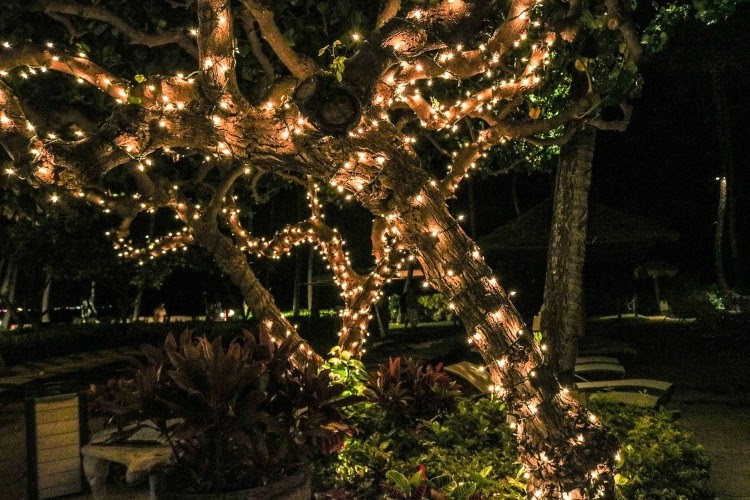
Choosing soft, warm lights highlights the tree’s natural beauty without harsh glare. Position lights at the base and among branches for depth and shadow play. Select energy-efficient bulbs to brighten the tree safely and attractively.
Lighting up a large outdoor tree is an enchanting way to add magic to your garden or yard. The right lighting can highlight the tree’s natural beauty while creating a welcoming atmosphere for gatherings or quiet evenings. But how do you choose the right lights that will make your tree shine without overdoing it? Let’s dive into the essentials of selecting the perfect lighting.Types Of Outdoor Lights
Choosing the type of outdoor lights is crucial. You have several options:- String Lights:These are easy to wrap around branches and create a festive look. Ideal for holidays or special occasions.
- Spotlights:Perfect for showcasing the tree’s trunk and major branches. They can add drama and elegance.
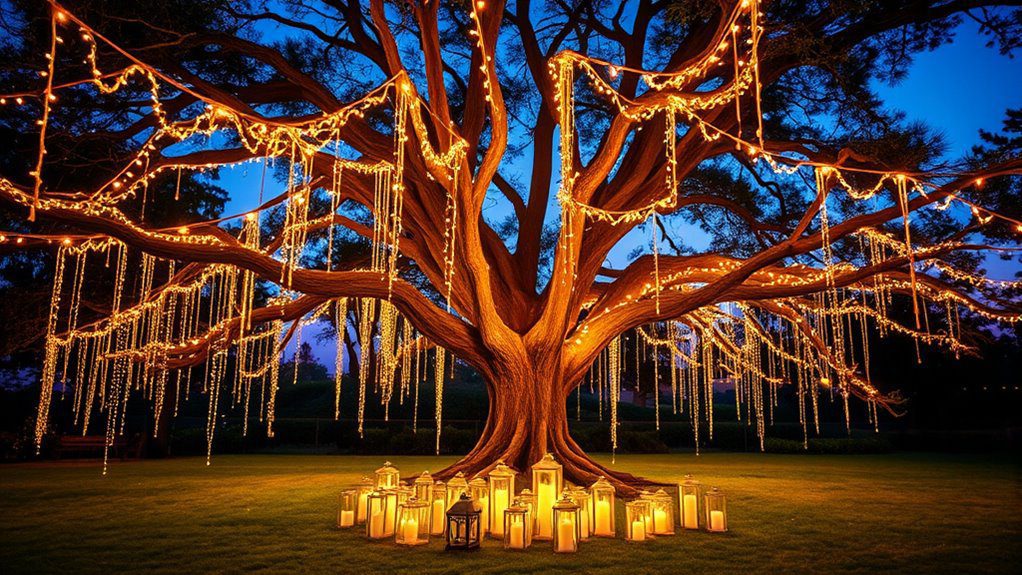
- Lanterns:Hanging lanterns can give a whimsical touch, especially if you want a fairy-tale vibe.
Best Bulbs For Trees
The choice of bulbs affects the mood and practicality of your lighting setup. Consider these options:- LED Bulbs:These are energy-efficient and long-lasting. They offer various color temperatures, from warm to cool.
- Solar Bulbs:Great for eco-conscious lighting. They charge during the day and illuminate at night.
- Incandescent Bulbs:Provide a warm glow but consume more power. Use them sparingly for special occasions.
Energy Efficiency Options
Saving energy while lighting up your tree is not only economical but also environmentally friendly. Consider these strategies:- Timers:Set lights to automatically turn off at a certain time to conserve energy.
- Motion Sensors:Activate lights only when someone is nearby. Ideal for security and efficiency.
- Energy-efficient Bulbs:LED and solar bulbs consume less power and last longer.

Credit: es.pinterest.com
Planning Your Lighting Design
Planning your lighting design is the foundation of beautifully illuminating a large outdoor tree. It requires understanding the tree’s unique features and how light can enhance its natural form. Thoughtful planning helps you avoid common mistakes like uneven lighting or harsh shadows that detract from the tree’s beauty.
Assessing Tree Size And Shape
Start by looking closely at your tree’s size and shape. Is it tall and slender or wide and spreading? Knowing this helps you decide where to place your lights for the best coverage.
Measure the height and width to estimate how many lights you’ll need. Don’t forget to check for low-hanging branches or dense foliage, as these affect light placement and intensity.
Highlighting Key Features
Identify what makes your tree special. Is it a twisted trunk, textured bark, or a particularly lush canopy? Focus your lighting on these features to create focal points that draw the eye.
Using spotlights to highlight the trunk or uplights to accentuate large branches can add character. Avoid spreading light too thinly; instead, let the important parts stand out.
Creating Depth And Shadows
Lighting isn’t just about brightness—it’s about mood and dimension. Think about how shadows can add depth and drama to your tree’s appearance. Position lights at different angles and heights to create interesting contrasts.
Try mixing soft floodlights with sharper spotlights to balance light and shadow. Have you noticed how shadows under branches can make the scene feel more dynamic? Experiment with angles until you find the right balance for your outdoor space.
Installing Lights Safely
Installing lights on a large outdoor tree can transform your yard into a magical space. But safety must come first to avoid accidents and damage. Taking the right precautions ensures your lighting project shines without risks.
Using Weatherproof Fixtures
Outdoor lighting faces rain, wind, and temperature changes. Using weatherproof fixtures designed for outdoor use protects your lights from moisture and dirt. Look for products labeled with an IP rating, such as IP65, which means they are dust-tight and water-resistant.
I once used regular indoor string lights on a big oak tree, only to find most bulbs dead after a rainy week. Choosing the right weatherproof fixtures prevents this frustration and saves you money in the long run.
Proper Wiring Techniques
Correct wiring keeps your setup safe and functioning well. Use outdoor-rated extension cords and connectors. Make sure all connections are tight and insulated to prevent short circuits.
Secure wires to branches using insulated clips or zip ties to avoid damage from wind or animals. Avoid overloading circuits by calculating the total wattage of your lights. Have you checked your outdoor outlets for proper grounding? This simple step can prevent electrical hazards.
Avoiding Common Hazards
Stay clear of power lines and avoid hanging lights where they might get caught in tree limbs or block walkways. Keep cords off the ground to prevent tripping and water exposure.
Use a sturdy ladder and ask for help when reaching high branches. Never install lights in wet conditions or during storms to reduce the risk of electric shock. What’s one safety step you might overlook during your next outdoor lighting project?
Techniques For Stunning Effects
Creating stunning lighting effects on a large outdoor tree can transform your garden into a captivating space at night. The right techniques highlight the tree’s natural beauty and add depth and texture to your outdoor area. Here are some practical ways to achieve eye-catching results that will make your tree stand out.
Uplighting For Drama
Uplighting means placing lights at the base of the tree and aiming them upward. This technique emphasizes the trunk and branches, creating bold shadows and a dramatic effect. Try using spotlights with adjustable beams to control how much of the tree you want to highlight.
If you want to make your tree the centerpiece, use warm white LEDs for a cozy feel or colored lights to create a festive mood. Have you noticed how uplighting can reveal the texture of bark and the shape of branches in a way that daylight doesn’t?
Silhouetting Against Walls
Silhouetting involves placing a light source behind the tree so it casts a shadow on a nearby wall or fence. This technique turns the tree into a striking silhouette, perfect for minimalist or modern outdoor spaces. It’s a simple way to add visual interest without lighting the whole tree.
To try this, position a strong light low behind the tree and adjust the distance to get the perfect shadow size. What kind of wall or surface do you have that could become the canvas for your tree’s shadow art?
Moonlighting For Soft Glow
Moonlighting mimics natural moonlight by placing lights high in the branches, shining downward. This creates a soft, dappled glow that feels gentle and inviting. It’s a great way to light pathways or seating areas under the tree without harsh brightness.
Use low-intensity bulbs with narrow beams to avoid glare and maintain a natural look. Have you ever walked under a softly lit tree and felt the calm it brings? That’s the effect moonlighting can bring to your outdoor space.
Maintaining Your Tree Lighting
Maintaining your tree lighting is key to keeping your outdoor space inviting and safe. Regular care ensures your large outdoor tree stays beautifully illuminated throughout the year. Neglecting this can lead to dim lights, damaged fixtures, or even safety hazards.
Regular Cleaning And Checks
Dirt, dust, and spider webs can quickly dull your lights. Wipe down bulbs and fixtures with a soft cloth every few weeks to keep them shining brightly. Check wiring and connections for signs of wear or damage to prevent electrical issues.
Have you ever noticed your tree lights flickering or dimming unexpectedly? That’s a sign to inspect your setup closely. Small fixes now save you from costly repairs later.
Replacing Bulbs And Fixtures
Outdoor bulbs don’t last forever, especially under harsh weather. Replace any burnt-out bulbs promptly to maintain even lighting. Keep a stash of compatible bulbs handy so you’re never left in the dark.
If fixtures become cracked or corroded, swap them out immediately. Using weather-resistant fixtures extends the life of your lighting and protects your investment.
Seasonal Adjustments
Different seasons bring different challenges. In winter, check for snow or ice buildup on your lights and remove it carefully. Summer may require repositioning lights to avoid harsh shadows caused by growing branches.
Consider adjusting your lighting timer as daylight hours change. This small tweak keeps your tree glowing when you want it most without wasting energy.
Credit: www.lawnstarter.com
Enhancing Ambiance With Accessories
Lighting a large outdoor tree is not just about illumination; it’s about creating a mood that invites you to enjoy your outdoor space long after the sun sets. Accessories can dramatically change how your tree looks and feels at night. Adding the right elements transforms your tree from a simple silhouette into a captivating centerpiece that reflects your style and enhances your yard’s atmosphere.
Using Colored Filters
Colored filters let you play with light in creative ways. They can highlight different parts of the tree, like the trunk or the leaves, with shades that bring warmth or coolness to your outdoor space. Imagine a soft amber glow for cozy evenings or a vibrant blue for a modern, dramatic effect.
Try swapping out filters for different occasions or seasons to keep your lighting fresh. It’s an easy way to make your tree stand out without buying new fixtures. Have you thought about how a splash of color might change the way you experience your backyard?
Incorporating Timers And Sensors
Timers and sensors take the hassle out of managing your tree lighting. You can set your lights to turn on at dusk and off at dawn automatically, saving energy and ensuring your tree is always beautifully lit when you want it to be. Motion sensors add an extra layer of convenience by activating lights only when someone approaches, enhancing security and surprise.
These tools also help extend the life of your bulbs by preventing them from burning unnecessarily. Have you noticed how much easier it is to enjoy your outdoor space when your lighting just works without you needing to think about it?
Combining With Landscape Lighting
Pairing your tree lights with other landscape lighting creates a cohesive and inviting outdoor environment. Use path lights, spotlights on garden features, or soft uplights on shrubs to complement the tree’s glow. This layered approach adds depth and dimension, making your yard feel larger and more welcoming.
Try coordinating colors and brightness levels to avoid overpowering any one element. Your tree should be the star, but the supporting cast of lights can make the whole scene more magical. How could you design your outdoor lighting to guide guests naturally through your garden?
Credit: www.greenwashingindex.com
Frequently Asked Questions
How Do I Choose Lights For A Large Outdoor Tree?
Select weatherproof LED string lights with appropriate length and brightness. Warm white lights create a cozy, inviting atmosphere. Ensure lights are rated for outdoor use and energy-efficient to save costs and reduce maintenance.
What Is The Safest Way To Hang Lights On A Tree?
Use insulated hooks or clips designed for outdoor use. Avoid nails or staples that damage the tree. Secure lights loosely to prevent harm and allow tree growth. Always use a stable ladder and avoid overloading electrical circuits.
When Is The Best Time To Light An Outdoor Tree?
Turn on lights at dusk for the best visual impact. Evening lighting highlights the tree’s features and creates ambiance. Avoid daytime use to conserve energy. Use timers to automate lighting and enhance convenience.
How Can I Prevent Outdoor Lights From Damaging The Tree?
Choose flexible, lightweight lights to avoid branch stress. Do not wrap lights too tightly around branches. Inspect regularly for any signs of tree damage. Remove lights during severe weather to protect both tree and lights.
Conclusion
Lighting a large outdoor tree brings beauty and warmth to your space. Use soft lights to highlight branches and leaves gently. Place lights at different angles for a natural look. Remember safety when handling electrical parts outside. Regularly check your setup to keep it working well.
Enjoy your tree’s glow during calm evenings and special occasions. Simple steps create a cozy, inviting outdoor area. Lighting your tree can change the feel of your yard. Try different styles until you find the one you like best.