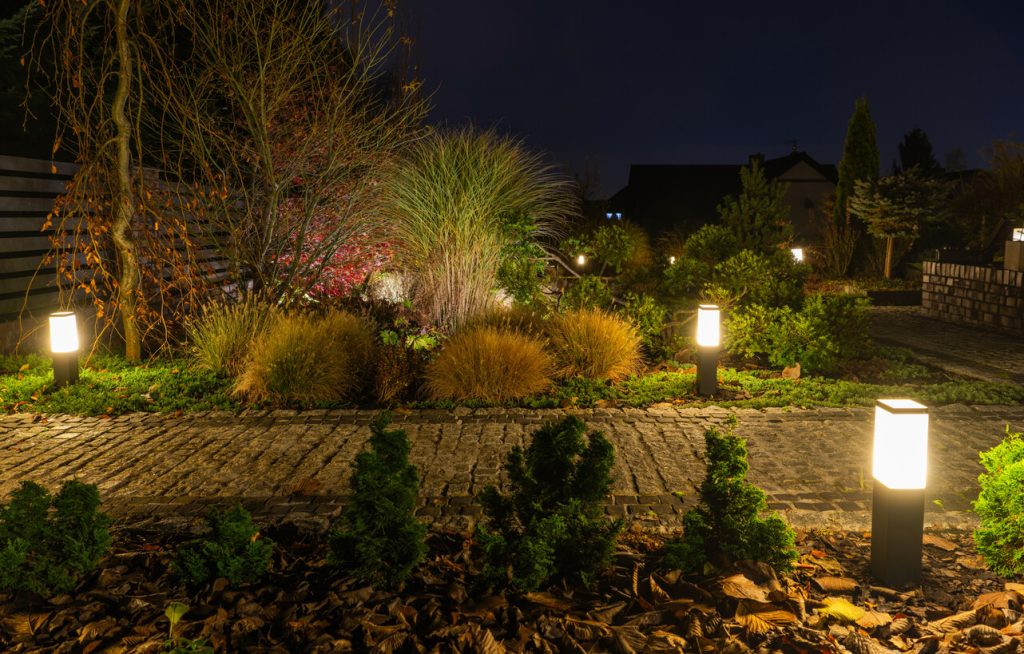
Lighting can transform your outdoor space in ways you might not expect. Imagine your garden glowing softly at night, pathways that guide your steps safely, and cozy corners perfect for relaxing or entertaining.
But how do you create that perfect outdoor lighting design without feeling overwhelmed? This guide will help you make smart choices that highlight your space’s best features, boost safety, and add a warm, inviting atmosphere. Keep reading, and you’ll discover simple tips to light up your outdoors like a pro.
Landscape Lighting Techniques
Landscape lighting techniques play a crucial role in enhancing the beauty and functionality of your outdoor space. They allow you to highlight key features, improve safety, and create a welcoming atmosphere after dark. Understanding the different ways to use lighting will help you design a setup that fits your style and needs.
Pathway Illumination
Lighting pathways is essential for guiding guests safely through your yard. You can use low-level lights on either side of the path to create a clear route. Solar-powered stake lights or LED strips work well because they are easy to install and energy-efficient.
Think about the height and spacing of your lights. Too tall, and they might blind walkers; too short, and the path remains dim. You want a soft glow that reveals the path without overwhelming the eyes.
Garden Accents
Garden accents bring attention to flowers, sculptures, or water features. Spotlights or small lanterns can add depth and drama to these focal points. Position your lights to avoid harsh shadows that can make the space look cluttered.
Try mixing warm and cool light tones to add dimension. You might be surprised how a simple light shift changes the mood of your garden. What elements in your garden deserve that extra spotlight?
Tree Uplighting
Uplighting trees creates a stunning visual impact by casting light from the ground up. Place your lights at the base of the trunk, angling them to highlight the texture of the bark and the shape of the branches. This technique works especially well with large trees and evergreens.
Be mindful of the light intensity; too bright can wash out the natural beauty. Use adjustable fixtures so you can tweak the angle and brightness as your tree grows. Have you noticed how a well-lit tree can transform your yard’s nighttime vibe?
Choosing The Right Fixtures
Choosing the right fixtures for outdoor lighting shapes the look and feel of your space. Fixtures set the mood and highlight garden features. They must suit the area’s style and meet practical needs like brightness and power source. Picking the correct fixture improves safety and extends the life of your lighting system.
Led Vs. Solar Options
LED lights use less energy and last longer than traditional bulbs. They provide bright, steady light and work well in all weather. Solar lights charge during the day and run without wiring. They are easy to install and eco-friendly. Solar lights depend on sunlight, so they may not shine well in shaded areas or on cloudy days.
Material Selection
Fixture materials affect both style and durability. Common materials include:
- Aluminum – lightweight and rust-resistant
- Stainless steel – strong and modern-looking
- Brass – classic and ages beautifully
- Plastic – affordable and weatherproof
Choose materials that match your outdoor design and require little upkeep.
Durability And Weather Resistance
Outdoor fixtures face rain, wind, and sun every day. Choose fixtures with strong seals and coatings to prevent water damage. Look for products rated for outdoor use and resistant to rust and corrosion. Durable fixtures save money by lasting longer and need fewer repairs.
Creating Ambiance
Creating ambiance with outdoor lighting transforms your space into a welcoming retreat or an exciting entertainment zone. The right lighting sets the mood, highlights features, and makes your outdoor area usable after dark. Think about how you want to feel outside—relaxed, energized, or cozy—and let that guide your lighting choices.
Warm Vs. Cool Lighting
Choosing between warm and cool lighting colors can change the entire atmosphere. Warm lights, with their soft yellow tones, create a cozy and inviting vibe. They work great around seating areas or patios where you want to relax and unwind.
Cool lights, on the other hand, give a crisp, bright feel that energizes the space. These are better for pathways, work areas, or gardens where clarity is important. Have you noticed how warm lights make you stay longer outside, while cool lights keep you alert?
Dimmer Controls
Adding dimmer controls gives you full command over your outdoor lighting’s intensity. You can brighten the space for a lively party or lower the lights for a quiet evening under the stars. This flexibility means your lighting adapts to your mood and activity without needing extra fixtures.
Imagine hosting a dinner where you start with bright lighting for setting up and then smoothly transition to soft lighting for dining. Dimmers make your outdoor lighting more versatile and energy-efficient.
Layered Lighting Effects
Layering different types of lights builds depth and interest in your outdoor space. Combine ambient lighting for general illumination, task lighting for specific activities, and accent lighting to highlight plants or architectural features.
Try mixing string lights, lanterns, and spotlights to create a dynamic environment. Each layer adds a new dimension and keeps your outdoor space visually engaging. What if your garden could look completely different just by switching on a few different lights?
Space-specific Ideas
Designing outdoor lighting depends on the space you want to illuminate. Each area has unique needs and styles. Tailoring lighting to specific spaces creates a cozy, safe, and attractive outdoor environment. Focus on the function and look of each area to make the most of your lighting.
Patio And Deck Lighting
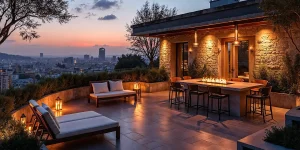
Patios and decks are perfect for soft, warm lights. Use string lights to create a welcoming vibe. Wall-mounted fixtures add style and provide direct light. Consider lanterns or candles for a relaxed feel. Lighting should support activities like dining or chatting. Dimmer switches help adjust brightness to match the mood.
Poolside Brilliance
Pool lighting highlights water and surroundings. Use underwater LED lights for a glowing effect. Spotlights can enhance nearby plants or features. Choose waterproof fixtures for safety. Colored lights add fun and drama. Keep brightness low to avoid glare and maintain calmness.
Garden Pathways
Pathway lights guide steps and improve safety. Small stake lights or solar lamps work well along paths. Low-level lighting prevents glare and keeps focus on the walkway. Use warm tones to blend with nature. Group lights in clusters for a natural feel. Light placement should avoid shadows or dark spots.
Safety And Security
Outdoor lighting plays a key role in enhancing safety and security around your home. Proper lighting can deter intruders and reduce the risk of accidents. Bright and well-placed lights create a secure environment for you and your family.
Motion Sensors
Motion sensors detect movement and turn on lights automatically. This startles potential intruders and alerts homeowners. Motion-activated lights save energy by only turning on when needed. Place sensors near entry points and dark corners for best coverage.
Floodlights
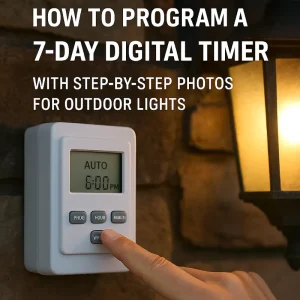
Floodlights provide bright, wide-angle illumination. They light up large outdoor areas like yards and driveways. Bright floodlights make it difficult for intruders to hide. Use floodlights with adjustable timers to control when they shine.
Pathway Safety
Lighting pathways helps prevent trips and falls after dark. Small, low-level lights guide guests safely to your door. Use solar-powered or LED path lights for easy installation. Keep pathways well-lit to improve visibility and security.

Credit: www.youtube.com
Energy Efficiency Tips
Saving energy while lighting your outdoor space is not just good for the planet—it also cuts your bills. You can enjoy a beautifully lit yard without wasting power. Think about how you use your lighting and what technology can help you do more with less energy.
Smart Lighting Solutions
Smart lighting lets you control your outdoor lights from your phone or set schedules that fit your lifestyle. You can program lights to turn off when no one is outside or brighten only when motion is detected.
Using smart sensors reduces electricity waste and adds convenience. Have you tried adjusting your lights automatically based on the time of day or activity?
Solar Powered Options
Solar lights charge during the day and shine at night without adding to your electric bill. They’re easy to install since they don’t need wiring.
Pick models with high-efficiency solar panels and LED bulbs to get the most light from the sun. Think about placing them where they get direct sunlight for several hours daily.
Energy-saving Bulbs
Switching to LED bulbs can save up to 80% energy compared to traditional incandescent bulbs. They last longer and stay cool to the touch, making them safer outdoors.
Choose bulbs with the right brightness and color temperature to suit your space. Have you noticed how softer white lights create a cozy atmosphere while bright white lights improve visibility?
Installation And Maintenance
Installation and maintenance are key to keeping your outdoor lighting both beautiful and functional. A well-planned setup ensures safety and efficiency, while regular upkeep extends the life of your fixtures. Let’s look at how you can balance effort and expertise for the best results.
Diy Vs. Professional Help
Deciding between doing the installation yourself or hiring a professional depends on your comfort with electrical work. Simple tasks like placing solar lights or plugging in string lights can be handled easily by most homeowners.
However, if your design requires wiring or complex connections, a professional electrician ensures safety and code compliance. Think about the risks: a small mistake could lead to short circuits or fire hazards. Do you feel confident working with electricity, or would you rather have peace of mind?
Regular Cleaning
Keeping your outdoor lights clean is crucial for brightness and longevity. Dirt, dust, and insect debris can dim the light and cause overheating.
Use a soft cloth or brush to wipe fixtures at least once a month. Rain can help, but don’t rely on it alone. If you live near the coast or in a dusty area, increase cleaning frequency to protect the finish and prevent corrosion.
Fixture Replacement
Even the best outdoor lights need replacing eventually. Watch for signs like flickering, dimming, or rust that cleaning and bulb changes don’t fix.
Choose replacements that match your current setup’s voltage and style. This keeps your outdoor space consistent and safe. Have you checked your lights recently to spot any that need swapping out?
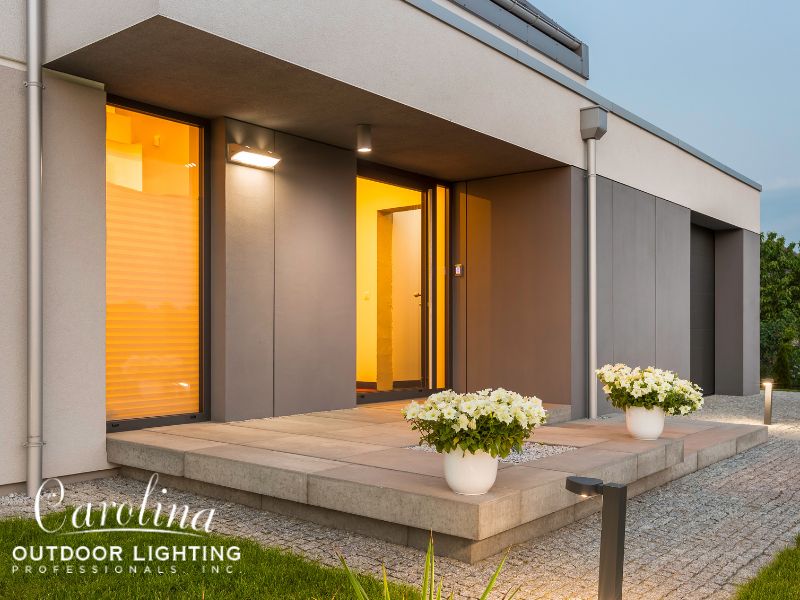
Credit: www.carolights.com
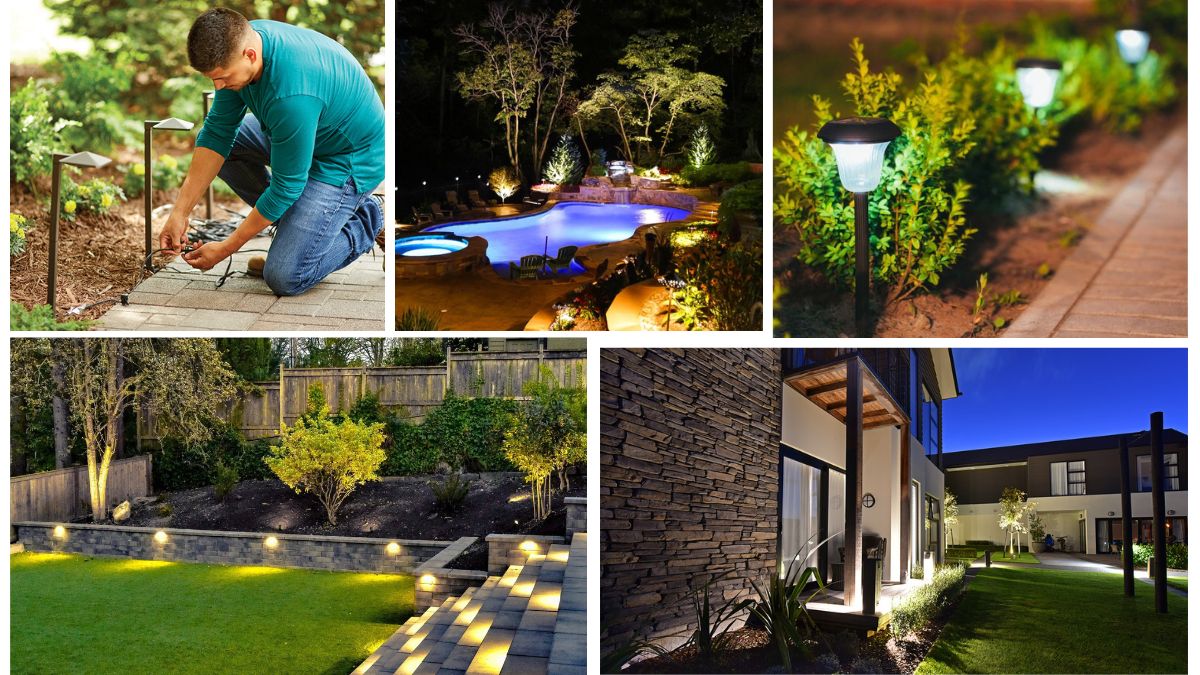
Credit: lodhigarden.com
Frequently Asked Questions
What Are The Best Outdoor Lighting Types For Gardens?
Garden lighting includes path lights, spotlights, string lights, and solar lamps. Each type highlights plants and walkways effectively.
How To Plan Outdoor Lighting For Safety?
Focus on illuminating pathways, stairs, and entrances. Use motion sensors and bright lights to prevent accidents and deter intruders.
What Is The Ideal Outdoor Lighting Color Temperature?
Warm white (2700K-3000K) creates a cozy ambiance. Cool white (4000K) is better for security and task lighting.
How To Save Energy With Outdoor Lighting?
Use LED bulbs and solar-powered fixtures. Install timers or motion sensors to reduce unnecessary energy use.
Conclusion
Good outdoor lighting makes your space safe and inviting. Choose lights that highlight paths, plants, and seating areas. Balance brightness to avoid glare or dark spots. Use energy-efficient bulbs to save money and help the environment. Test your design at night to see how it looks.
Small changes can create a big impact. Enjoy your outdoor space more with thoughtful lighting. Keep experimenting until you find the perfect glow.