Are you wondering if you can put new ceramic tile right over your old ceramic tile? It sounds like a quick fix that could save you time and money.
But before you grab that tile adhesive, there are important things you need to know. Doing this the wrong way can lead to problems that might cost you more in the long run. You’ll discover when it’s a smart choice and when it’s not.
Keep reading to find out how to make your tile project a success without unnecessary hassle.
Reasons To Tile Over Existing Ceramic
Tiling over existing ceramic tiles can be a smart choice for many homeowners and DIY enthusiasts. This approach offers practical benefits that go beyond just aesthetics. Understanding these reasons can help you decide if this method suits your renovation project.
Time And Cost Savings
Adding new tiles directly over your old ceramic can save you significant time. You skip the lengthy process of removing the existing tiles, which can take days. This also cuts down on labor costs, making the project more budget-friendly.
Think about how much you could save on both materials and professional help. Plus, you can complete your flooring upgrade faster, giving your space a fresh new look without months of disruption.
Less Demolition And Mess
Removing old tiles often creates dust, debris, and noise that can turn your home upside down. Tiling over existing ceramic eliminates the need for demolition, keeping your living area cleaner and quieter. This is especially important if you have pets, children, or sensitive neighbors.
Have you ever dealt with the headache of hauling away heavy tile rubble? Skipping this step means less cleanup and a smoother renovation experience overall.
Preserving Subfloor Integrity
Old tile removal can sometimes damage the subfloor beneath, leading to expensive repairs. When you tile over the existing ceramic, you protect the subfloor from potential harm. This helps maintain the structural soundness of your floor and avoids unexpected problems down the line.
Maintaining a solid base ensures your new tiles stay in place longer and look better. Have you considered how preserving your subfloor could save money and effort on future repairs?
Assessing The Existing Tile Condition
Assessing the existing tile condition is a key step before installing new ceramic tiles over old ones. The state of the current tile surface impacts the success of the new installation. Careful inspection helps avoid future problems like tiles popping off or uneven floors.
Checking the old tiles closely reveals any damage or instability. Cleaning and preparing the surface ensures better adhesion. The structure beneath must be solid to support the extra weight and layers.
Checking For Cracks And Loose Tiles
Look for cracks on the tile surface. Small cracks can expand and cause new tiles to break. Tap each tile gently. Loose tiles produce a hollow sound. These tiles can move under pressure and must be fixed or removed. Repairing cracks and securing loose tiles prevents issues later.
Surface Cleanliness And Preparation
The surface needs to be clean and free of dirt. Remove grease, dust, and old adhesive residues. A dirty surface stops new tiles from sticking properly. Use a scraper or cleaning solution to get rid of debris. Dry the surface completely before applying new tile adhesive.
Ensuring Structural Soundness
The floor or wall under the tiles must be strong. Check for any movement or sagging. Weak surfaces cause tiles to crack or detach. Reinforce or repair the base if needed. Solid support keeps the tile layers stable and long-lasting.
Tools And Materials Needed
Before you start tiling over existing ceramic tiles, gathering the right tools and materials is essential. Using proper adhesives, grout, and preparation tools can make the difference between a lasting finish and a tile disaster. Let’s look at what you’ll need to get this job done right.
Adhesives Suitable For Tiling Over Tile
Choosing the right adhesive is crucial when installing ceramic tiles over old ones. Not every adhesive will bond well with a slick tile surface, so look for products labeled as “thinset mortar” or “mastic” designed specifically for tile-over-tile projects.
Polymer-modified thinset mortars provide extra grip and flexibility. They help tiles stick firmly without cracking as the surface moves. Avoid regular thinset or drywall adhesives—they won’t hold up and can lead to tile failure.
Grout And Sealants
Grout fills the gaps between your new tiles, but not all grout types perform well over existing surfaces. Choose a sanded grout for wider joints and an unsanded grout for narrower ones. Both should be compatible with your tile type and adhesive.
Sealants protect grout from moisture and stains, extending the life of your tiled surface. Applying a high-quality grout sealer after the grout has cured will prevent mold and discoloration. Have you thought about how much wear your tiled area will get? That can guide your choice of grout and sealant.
Surface Preparation Tools
Preparing the old tile surface is key to ensuring the new tiles adhere properly. You’ll need a few essential tools like a scraper or putty knife to remove any loose debris or waxy residues.
A grinder or sander with a diamond blade can help roughen the glossy surface, creating a better grip for the adhesive. Don’t forget a vacuum to clean up dust and a sponge for wiping down the tiles before you start laying new ones.
Credit: www.floortrendsmag.com
Step-by-step Tiling Over Ceramic Tile
Removing old ceramic tiles is not always necessary before installing new ones. Proper cleaning and prepping create a strong base for tiling over existing ceramic tiles. This method saves time and reduces mess while giving your floor a fresh, updated look.
Tiling over existing ceramic tiles might sound like a daunting task, but it can be a practical and efficient way to refresh your space without the hassle of tearing out old tiles. Whether you’re looking to update your bathroom or kitchen, understanding the steps involved can make the process smoother. Let’s dive into the step-by-step guide for tiling over ceramic tiles, ensuring your new layer sits perfectly and lasts for years.Cleaning And Scuffing The Surface
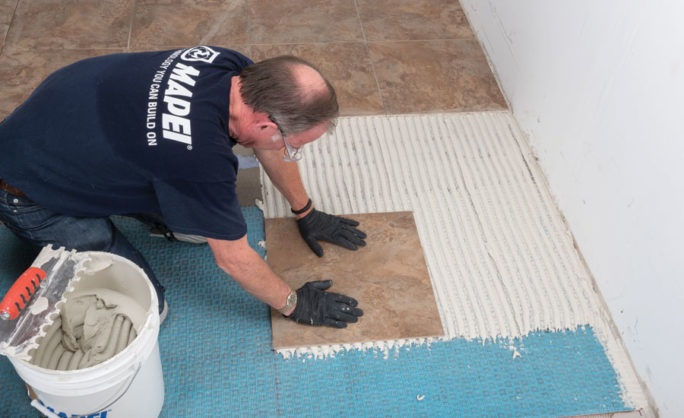
Start by thoroughly cleaning the existing tiles to remove dirt, grime, and oils. This ensures the adhesive will bond properly. Use a mild detergent and warm water for cleaning, followed by a rinse with clean water. Once dry, scuff the surface of the tiles using sandpaper or a sanding machine. This step is crucial as it provides a rough texture for the adhesive to grip onto.Applying The Right Adhesive
Selecting the correct adhesive is key to a successful tile overlay. Look for a high-quality thin-set mortar designed for tile-on-tile applications. Mix the adhesive according to the manufacturer’s instructions, usually involving adding water to the powder until you achieve a peanut-butter-like consistency. Apply the adhesive using a notched trowel, ensuring even coverage on the surface. This will help prevent future tiles from shifting or cracking.Laying New Tiles Properly
Begin laying the new tiles by carefully placing them over the adhesive. It’s essential to line them up accurately with any grout lines if you want a seamless appearance. Use tile spacers to maintain consistent gaps between each tile, which is crucial for uniformity once grouting begins. Press each tile firmly into the adhesive to ensure it is securely bonded. Check periodically with a level to ensure your tiles are even.Grouting And Sealing
After allowing the adhesive to cure, usually 24 hours, it’s time to grout the tiles. Prepare your grout mix as directed, often requiring water to create a paste. Fill the gaps between tiles using a rubber float, pressing the grout firmly into the spaces. Once the grout sets, clean off any excess with a damp sponge, taking care not to remove grout from the lines. Finally, apply a sealant to protect the grout and tiles from moisture and stains, ensuring the longevity of your new tiled surface. Considering the effort involved, do you think tiling over existing tiles is worth it for your renovation needs?Common Challenges And Solutions
Putting ceramic tile over existing ceramic tile might seem like a quick fix, but it comes with its own set of challenges. Understanding these hurdles can save you time, money, and frustration during your renovation. Let’s look at some common issues and practical ways to handle them effectively.
Dealing With Uneven Surfaces
Uneven surfaces are one of the biggest obstacles when tiling over tile. Old tiles may have chips, cracks, or raised grout lines that prevent the new tile from laying flat.
To fix this, start by thoroughly cleaning the existing tiles to remove grease and dirt. Then, use a leveling compound or floor patch to smooth out any dips or bumps. This creates a stable base for the new tile and helps prevent cracking later on.
Preventing Tile Lifting
Tile lifting happens when the new tiles lose their bond with the surface underneath. This can be caused by poor adhesion or moisture trapped between layers.
Make sure to roughen the surface of the old tiles with a grinder or sandpaper to improve grip. Use a high-quality thinset mortar designed for tile-over-tile applications. Also, check for any moisture problems before starting—moisture barriers might be necessary to keep everything dry and secure.
Matching Thickness And Height
Adding a new layer of tile increases the floor height, which can cause issues with doors, cabinets, and transitions to other rooms. This is often overlooked but can lead to costly adjustments later.
Measure the combined thickness of the existing tile and the new tile plus adhesive beforehand. If the height difference is significant, consider shaving down door bottoms or adding transition strips to create a smooth change in level. Planning for this in advance keeps your renovation seamless and functional.
Credit: wallpanelsworld.co.uk
When Not To Tile Over Ceramic Tile
Tiling over existing ceramic tile might seem like a quick fix, but it’s not always the right choice. Knowing when to avoid this option can save you from costly repairs and frustration later on. Here are some clear signs that tiling over your current ceramic tiles isn’t a good idea.
Severe Damage Or Instability
If your existing ceramic tiles are cracked, loose, or unstable, adding another layer on top will only worsen the problem. The new tiles won’t have a solid base to hold onto, causing them to crack or pop off quickly.
Think about a time when you noticed loose tiles in your bathroom. Ignoring that and tiling over them led to bigger issues down the road. It’s better to fix or replace damaged tiles first, ensuring a stable foundation for your new surface.
Water Damage Concerns
Water damage hidden beneath tiles can cause mold growth and structural issues. If you suspect moisture problems, tiling over existing ceramic tiles will trap water and worsen the damage.
Have you seen discoloration or soft spots on your floor? These are red flags. Addressing water damage before adding new tiles protects your home and health.
Height Restrictions
Adding another layer of tiles increases the floor height, which might interfere with doors, cabinets, or appliances. In tight spaces, this extra thickness can cause practical problems.
Consider how your door swings or the clearance under cabinets. Have you measured the added height? If the new surface disrupts function, tiling over isn’t the best choice.
Expert Tips For Long-lasting Results
Getting long-lasting results when you put ceramic tile over ceramic tile requires more than just slapping new tiles on old ones. You need careful planning, the right materials, and ongoing care to make sure your tiled surface stays strong and beautiful for years. Let’s look at key expert tips that can help you avoid common pitfalls and enjoy a durable finish.
Choosing The Right Tile Type
Not all ceramic tiles are created equal. Selecting a tile that is compatible with the existing surface is crucial. Porcelain tiles, for example, are denser and less porous, making them a great choice for layering over ceramic tiles because they provide better durability.
Consider the size and thickness of the new tile too. Thinner tiles reduce added weight and help maintain proper door clearances and transitions. Have you thought about the tile finish? Matte finishes tend to hide grout lines and wear better than glossy ones in high-traffic areas.
Proper Adhesive Application Techniques
The right adhesive and how you apply it makes a big difference. Use a high-quality thin-set mortar designed for bonding to existing ceramic surfaces. Avoid mastic adhesives because they don’t hold as well on glazed tiles.
Before applying adhesive, thoroughly clean and roughen the old tile surface with sandpaper or a grinder to improve grip. Spread the adhesive evenly with a notched trowel, pressing new tiles firmly into place. Skipping these steps can cause tiles to loosen or crack over time.
Regular Maintenance Advice
Even the best installation needs care. Clean your tiled surface regularly to prevent dirt from building up in grout lines. Use gentle cleaners instead of harsh chemicals that might damage the grout or tiles.
Inspect grout for cracks or gaps and repair them promptly to keep moisture from seeping underneath. You might be surprised how a small grout repair can stop bigger problems later. What simple maintenance habit could you add to protect your investment?

Credit: apollotile.com
Frequently Asked Questions
Can You Tile Over Existing Ceramic Tiles?
Yes, you can tile over ceramic tiles if the surface is clean, stable, and free of damage. Proper preparation ensures strong adhesion.
What Surface Prep Is Needed Before Tiling Over Tiles?
You must thoroughly clean, sand, and prime the existing tile surface. This improves bonding between old and new tiles.
Is Tiling Over Ceramic Tile Cost-effective?
Tiling over existing tiles saves time and labor costs by avoiding tile removal. It’s a budget-friendly renovation option.
Will Tiling Over Tiles Affect Floor Height?
Yes, adding a new tile layer raises the floor height slightly. Consider door clearances and transitions before tiling.
Conclusion
Putting ceramic tile over existing tile can save time and effort. Make sure the old tiles are clean and firmly attached. Use the right adhesive for a strong bond. Check for any damage before starting to avoid future problems. This method works well in many cases but is not always the best choice.
Consider your floor’s condition and how much height the new tiles add. Careful preparation leads to a lasting, attractive floor. Choose wisely and enjoy your updated space with confidence.