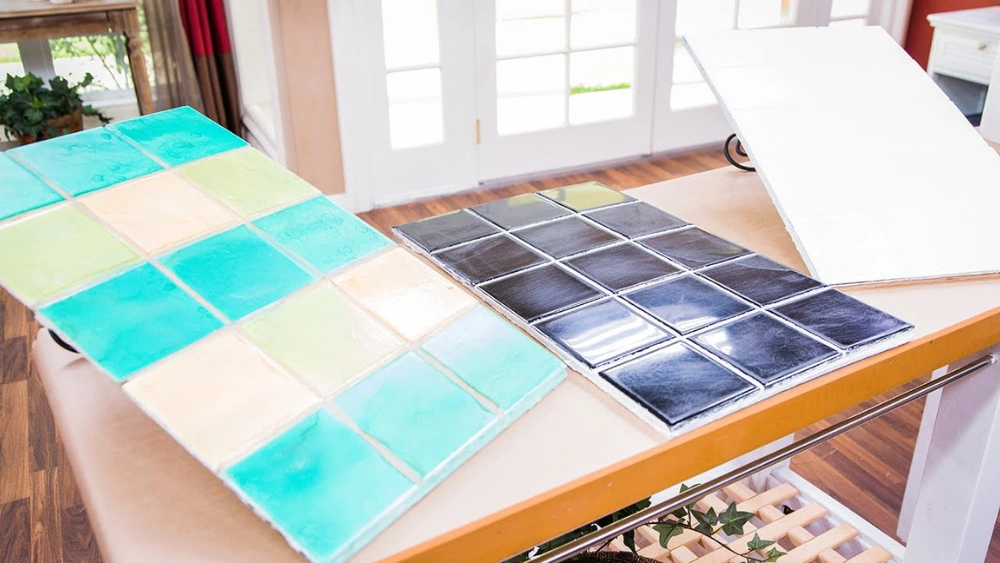
Are you tired of the look of your ceramic tile floor but worried about the cost and hassle of replacing it? What if you could give your floor a fresh, new appearance without tearing it up?
Painting ceramic tile floors might be the simple solution you’re looking for. But can you really paint a ceramic tile floor, and will it last? Keep reading to discover how you can transform your space with paint and what you need to know before you start.
Your dream floor makeover could be easier than you think.
Preparing Ceramic Tile Floors
Preparing your ceramic tile floors before painting is essential to achieve a smooth, durable finish. Skipping or rushing this step can lead to peeling paint and uneven texture. You’ll want to invest time in thorough cleaning, repairing any damage, and ensuring the surface is ready to grip the new paint effectively.
Cleaning And Degreasing
Start by removing all dirt, dust, and grease from the tile surface. Use a strong household cleaner or a mixture of warm water and dish soap. For tough grease spots, a degreaser or a solution with vinegar can work wonders.
Make sure to rinse thoroughly and let the floor dry completely. Have you noticed how even the smallest grease patches can cause paint to flake off? That’s why this step can’t be overlooked.
Repairing Cracks And Chips
Inspect your tiles carefully for any cracks or chips. These imperfections not only look bad but can also cause the paint to chip away faster. Use a tile repair kit or an epoxy filler to smooth out these damaged areas.
Once filled, sand the repair spots lightly to make them flush with the rest of the tile. This creates a uniform surface, helping your paint adhere better and last longer.
Sanding For Better Adhesion
Sanding the tile surface is crucial to roughen up the glossy finish. Without this step, paint will struggle to stick to the smooth ceramic. Use a medium-grit sandpaper and sand evenly across the entire floor.
After sanding, vacuum or wipe away the dust completely. You might be surprised how much difference this simple step makes in paint durability and finish quality. Are you ready to give your tiles the grip they need for a fresh new look?

Credit: enthrallinggumption.com
Choosing The Right Paint
Choosing the right paint is key to a successful ceramic tile floor makeover. The paint must stick well and stand up to foot traffic. It should resist water, stains, and wear. Selecting the correct paint type ensures durability and a smooth finish. Color and finish choices affect the room’s look and feel. Understanding paint options helps create a beautiful and lasting floor.
Types Of Paint Suitable For Tiles
Not all paints work on ceramic tiles. Choose paints designed for hard, smooth surfaces. Epoxy paint is popular for tile floors. It bonds strongly and resists scratches and moisture. Acrylic latex paint also works well. It is easy to apply and dries quickly. Some prefer enamel paint for a glossy, tough finish. Avoid regular wall paint; it peels quickly on tiles.
Selecting Colors And Finishes
Color choice changes the room’s mood and style. Light colors make spaces feel bigger and brighter. Dark colors add warmth and hide dirt. Finish types affect shine and texture.
- Glossy finish:Reflects light, easy to clean, but shows imperfections.
- Satin finish:Soft shine, hides flaws better, good for floors.
- Matte finish:No shine, hides wear well, but can be harder to clean.
Consider the room’s lighting and usage before picking a color and finish. Choose a combination that suits your style and practical needs.
Priming The Tile Surface
Priming the tile surface is a crucial step before painting a ceramic tile floor. It helps the paint stick better and lasts longer. Without proper priming, paint may peel or chip quickly. The right primer creates a smooth base for your paint, improving the final look.
Importance Of Primer
Primer seals the tile’s glossy surface. It prevents paint from sliding off. Tiles are non-porous, so paint alone cannot bond well. Primer improves adhesion and durability. It also blocks stains and moisture from damaging the paint. Using primer saves time and effort in the long run.
Applying Primer Correctly
Start with a clean, dry tile surface. Remove dirt, grease, and soap scum. Lightly sand the tile to roughen the surface. This helps the primer grip better. Use a high-quality primer made for ceramic tiles. Apply a thin, even coat with a brush or roller. Let the primer dry completely before painting. Follow the manufacturer’s drying time instructions for best results.
Painting Techniques For Tile Floors
Transforming ceramic tile floors with paint offers a cost-effective update. Special paints create durable surfaces, enhancing the floor’s appearance. Proper preparation ensures long-lasting results.
Painting a ceramic tile floor can transform a space. The right technique makes a big difference. It’s crucial to choose the right tools and methods. This ensures a durable and attractive finish.Using Brushes Vs. Rollers
Brushes offer precision. They are great for edges and corners. Brushes can reach tricky spots. Rollers cover large areas quickly. They provide a smooth finish. Rollers reduce streaks. Choosing between these depends on the area size and detail needed. Consider using both for best results.Applying Multiple Coats
Multiple coats enhance durability. The first coat acts as a base. It covers and seals the tile surface. Allow it to dry completely. Apply a second coat for full coverage. This adds richness to color. A third coat may be needed for high traffic areas. Each coat should dry before applying the next.Creating Patterns And Designs
Patterns add personality. Use tape to create geometric shapes. Stencils can produce intricate designs. Consider stripes or checkerboard patterns. These add visual interest. Use contrasting colors for a bold effect. Choose subtle hues for a classic look. Personalize the floor with unique designs. Make your space truly yours.Sealing And Protecting Painted Tiles
Sealing and protecting painted ceramic tile floors is essential. It extends the life of your paint job and keeps tiles looking fresh. Without a sealant, paint can chip or peel from daily wear. A good sealant also adds a protective layer against stains and moisture. This step ensures your painted floor stays beautiful and durable for years.
Types Of Sealants
Choosing the right sealant depends on your floor’s use and location. Here are common sealants for painted tiles:
- Polyurethane:Offers a strong, clear finish. Great for high-traffic areas.
- Acrylic Sealer:Water-based and easy to apply. Provides moderate protection.
- Epoxy Sealer:Very tough and resistant to chemicals. Best for heavy-duty floors.
- Penetrating Sealer:Soaks into tiles, protecting without a surface film.
Each type varies in durability and finish, so pick one that fits your needs.
Applying Sealant For Durability
Apply sealant only after the paint is fully dry. Clean the tile surface before sealing to remove dust and dirt. Use a brush or roller for even coverage. Avoid applying too thick a layer to prevent bubbling or peeling. Let the first coat dry completely before adding another layer. Two to three coats provide the best protection. Allow the sealant to cure for several days before heavy use. Proper application ensures your painted tiles stay strong and vibrant.

Credit: enthrallinggumption.com
Maintaining Painted Ceramic Floors
Maintaining painted ceramic floors requires a careful balance of gentle cleaning and timely touch-ups to keep the surface looking fresh and vibrant. Unlike untreated ceramic tiles, painted floors need extra attention to protect the paint from chipping or fading. The right maintenance routine can extend the life of your painted floor and keep your space looking stylish.
Cleaning Tips
Use a soft broom or vacuum to remove dust and dirt daily. Avoid harsh scrubbing or abrasive tools that can scratch the paint. Instead, mop with a gentle cleaner made for painted surfaces or a mild soap diluted in water.
Spot clean spills immediately to prevent stains. Avoid using bleach or ammonia-based cleaners as they can damage the paint. Consider placing rugs or mats in high-traffic areas to minimize wear and tear.
Touching Up Paint
Small scratches and chips are normal over time. Keep some extra paint from your original project to fix these imperfections quickly. Lightly sand the damaged area before applying a thin layer of paint to ensure good adhesion.
Wait for the touch-up paint to dry completely before walking on it. This simple step helps maintain a smooth and uniform look. How often do you check your floors for minor damage? Catching problems early can save you from a costly full repaint later.
Common Mistakes To Avoid
Painting a ceramic tile floor can transform a space, but many people stumble on avoidable mistakes. These errors can lead to peeling paint, uneven finishes, or a floor that doesn’t hold up over time. Knowing what to watch out for can save you time, money, and frustration.
Skipping Surface Preparation
Surface preparation is the foundation of any successful paint job. Tiles are often glossy and smooth, which makes paint struggle to stick properly. Skipping thorough cleaning, sanding, and priming means your paint won’t bond well and may chip off quickly.
Think about the last time you painted over a dirty or greasy wall—how long did it last? The same principle applies here. Take the time to scrub your tiles with a strong cleaner and roughen the surface slightly with sandpaper to give the paint something to grip.
Using Incompatible Paints
Not all paints work on ceramic tile floors. Many people make the mistake of using regular wall paint or latex paint that’s not designed for floors. These paints aren’t durable enough to withstand foot traffic and moisture.
You need a paint specifically formulated for floors or tiles, often an epoxy or a durable acrylic floor paint. Using the right product ensures your finish will be long-lasting and resistant to wear. Ask yourself, “Is this paint made to handle the conditions my floor will face?” before buying.
Ignoring Sealant Application
Even after painting, your work isn’t done. Skipping a sealant leaves your paint vulnerable to scratches, stains, and peeling. Sealants protect the paint and extend the life of your newly painted floor.
A clear polyurethane or epoxy sealant is usually the best choice for tile floors. Applying it evenly and allowing it to cure properly creates a tough barrier. Without this step, your floor will look great for a short time but quickly deteriorate.
When To Consider Professional Help
Painting a ceramic tile floor can be tricky. Some tasks need skills beyond basic DIY. Knowing when to hire a professional saves time and money. Professionals ensure the job lasts and looks great.
Complex Tile Patterns And Designs
Tiles with intricate patterns need careful work. Professionals can match colors and shapes well. They prevent mistakes that ruin the design. Experts use special tools for clean lines.
Damaged Or Worn Tiles
Old or cracked tiles need repair before painting. Professionals assess tile condition accurately. They fix cracks and chips properly. This prevents paint from peeling or fading early.
Large Floor Areas
Big floors require more time and effort. Professionals work faster with experience. They handle large spaces without uneven paint. The finish is smooth and consistent.
High Traffic Zones
Floors in busy areas need durable paint jobs. Experts use strong coatings that last longer. They prepare the surface for heavy wear. This keeps floors looking fresh longer.
Lack Of Proper Tools Or Experience
Painting tile needs special primers and paints. Professionals have the right materials and skills. They avoid common painting errors. The final result looks professional and clean.

Credit: enthrallinggumption.com
Frequently Asked Questions
Can You Paint Over Ceramic Tile Floors?
Yes, you can paint ceramic tile floors with proper preparation. Clean and sand the tiles, then use a primer. Apply epoxy or latex paint for durability and finish with a clear sealer to protect the surface.
What Type Of Paint Works Best On Ceramic Tiles?
Epoxy and latex paints work best on ceramic tiles. Epoxy offers strong adhesion and durability. Latex paint is easier to apply and clean. Both require a primer and a sealer for long-lasting results.
How Long Does Painted Ceramic Tile Last?
Painted ceramic tile floors can last 5 to 10 years. Longevity depends on proper prep, paint quality, and maintenance. High-traffic areas may require touch-ups or re-coating over time.
Is Painting Ceramic Tile Cost-effective?
Painting ceramic tile is cost-effective compared to replacing tiles. It saves money on demolition and installation. It also offers a quick way to update the floor’s appearance without major renovations.
Conclusion
Painting a ceramic tile floor is possible with the right steps. Clean the tiles well and use proper primer and paint made for floors. Take your time to apply thin, even coats for the best finish. Remember, painted floors need care to keep looking fresh.
This project can change your space without big costs or effort. Think about your style and how the floor will be used before you start. With patience, you can give old tiles a new, fresh look.