Are you tired of your home phone ringing nonstop with automated calls? These unwanted interruptions can disrupt your day and invade your privacy.
You’re not alone, and there are simple, effective ways to stop these calls for good. You’ll discover easy steps you can take right now to protect your home phone and regain control. Keep reading, because the solution is closer than you think—and your peace of mind is worth it.
Understanding Automated Calls
Automated calls are phone calls made by machines without a real person on the line. These calls often deliver prerecorded messages or try to connect you to a live agent. Many people find these calls annoying and intrusive, especially when they happen on a home phone. Understanding what automated calls are and why they happen helps you stop them more effectively.
Types Of Automated Calls
- Robocalls:These use prerecorded messages to share information or offers.
- Telemarketing calls:Automated calls designed to sell products or services.
- Political calls:Messages related to elections or campaigns sent by machines.
- Survey calls:Automated requests for opinions or feedback.
- Scam calls:Fraudulent calls aiming to steal money or personal data.
Reasons For Increased Automated Calls
Advances in technology make automated calls easy and cheap to send. Businesses use them to reach many people quickly. Scammers exploit this to trick more victims. Laws try to limit these calls, but enforcement can be slow. Many phone numbers end up on lists that robocallers buy or steal. This leads to a rise in unwanted calls on home phones.

Credit: www.youtube.com
Legal Framework And Regulations
Understanding the legal framework helps protect your home phone from unwanted automated calls. Laws and regulations set clear rules about when and how automated calls can be made. They give you rights and options to stop these calls.
Key Laws Against Automated Calls
Several laws aim to reduce automated calls to your home phone. The Telephone Consumer Protection Act (TCPA) restricts the use of automated dialing systems. It requires callers to get your consent before calling. The National Do Not Call Registry lets you add your number to avoid telemarketing calls. Violators face fines and legal penalties for breaking these rules.
Regulatory Bodies And Their Role
Government agencies oversee and enforce rules on automated calls. The Federal Communications Commission (FCC) handles complaints and issues fines. The Federal Trade Commission (FTC) manages the Do Not Call Registry. These bodies educate the public and monitor phone companies. They also work to stop scammers who use illegal robocalls.
Technological Solutions
Technological solutions offer effective ways to reduce unwanted automated calls. These tools help identify, block, and filter robocalls before they disturb your daily life. Using technology can save time and protect your privacy.
Call Blocking Features
Most home phones come with built-in call blocking features. These allow you to block specific numbers or unknown callers. You can set the phone to reject calls from private or hidden numbers. Some devices also let you create a blacklist of unwanted numbers.
Using Caller Id Effectively
Caller ID helps identify incoming calls before answering. It shows the phone number or name of the caller. You can decide to ignore calls from unknown or suspicious numbers. Some phones allow you to save trusted contacts to avoid missing important calls.
Third-party Call Blocking Apps
Call blocking apps provide extra protection against robocalls. These apps use databases of known spam numbers to block calls automatically. Many apps send alerts for potential spam calls. You can customize settings to block specific types of calls or numbers.

Credit: apps.apple.com
Service Provider Tools
Service provider tools give you a powerful line of defense against automated calls to your home phone. These tools often come built into your phone service or available as add-ons. Using them can drastically reduce the number of unwanted calls you receive, saving you time and frustration.
Opting For Provider-based Call Blocking
Most phone companies offer call blocking services that can filter out robocalls before they ever reach you. Some providers allow you to block specific numbers or entire categories of calls like telemarketers.
Check your provider’s website or call customer service to see what options are available. Sometimes these services are free; other times, they require a small monthly fee. Personally, activating provider-based blocking stopped dozens of spam calls from ringing through within just a week.
Customizing Call Preferences
Beyond blocking, many providers let you customize how calls are handled. You can set preferences to send unknown or suspicious numbers straight to voicemail, or require callers to enter a code before the call connects.
These settings give you more control without completely cutting off potential important calls. Have you tried adjusting your call preferences? You might find it reduces interruptions without missing anything urgent.
Diy Methods
Stopping automated calls to your home phone can feel overwhelming. DIY methods give you control without extra cost. These simple steps help reduce unwanted calls and protect your privacy. Start by creating your own Do Not Call list. Then, use reverse phone lookup tools to identify callers. Both techniques work well together to cut down spam calls.
Creating A Do Not Call List
Register your phone number on the national Do Not Call list. This tells telemarketers not to call your number. You can sign up online or by phone. Keep your registration active by renewing it as needed. Note that some calls, like political or charity calls, may still come through. Still, this step blocks most automated sales calls.
Using Reverse Phone Lookup
Identify unknown callers using reverse phone lookup services. Enter the phone number to see who owns it. This helps decide whether to answer or block the call. Some websites offer free lookups with basic details. Paid services provide more information and caller reports. Use this tool to avoid answering spam or scam calls.
Behavioral Strategies
Behavioral strategies help reduce unwanted automated calls by changing how you respond. These tactics focus on awareness and careful reactions. They make it harder for scammers to succeed. Simple habits can cut down the number of spam calls you receive.
Recognizing Spam Calls
Spam calls often come from unknown numbers. They may sound urgent or offer something too good to be true. Listen for robotic voices or background noise. These clues usually mean an automated call. Be cautious if the caller asks for personal info quickly.
Trust your instincts. If something feels off, it probably is. Avoid answering calls from unfamiliar numbers. Let them go to voicemail. Real people will leave a message. Spam callers rarely do.
Avoiding Engagement With Scammers
Do not respond to suspicious calls. Hang up immediately when you suspect a scam. Never press buttons or say “yes” to confirm anything. Scammers use this to record your voice and steal info.
Ignore requests for money or personal details. Legitimate companies do not ask for sensitive info over the phone. Block numbers that call repeatedly. Use your phone’s built-in blocking features or apps designed to stop spam calls.
Reporting And Complaints
Dealing with automated calls can feel overwhelming, but reporting these calls is a powerful way to fight back. Sharing your experience helps authorities track down offenders and protect others. Taking action through proper channels can make a real difference in reducing these unwanted interruptions.
How To Report Automated Calls
Start by documenting each automated call you receive. Note the date, time, and phone number if available. This information strengthens your report and helps identify patterns.
You can report unwanted calls to your phone service provider. Many providers offer tools or dedicated numbers to file complaints directly. Have you checked if your provider has a specific process for reporting robocalls?
Another option is using apps designed to block and report spam calls. These apps often share data with authorities, increasing the impact of your complaint. Combining your report with technology can speed up the fight against robocalls.
Filing Complaints With Authorities
You can file complaints with government agencies that regulate telemarketing and consumer protection. In the U.S., the Federal Communications Commission (FCC) and the Federal Trade Commission (FTC) handle these issues.
Both agencies offer easy online forms where you can submit details about the calls. The FCC focuses on enforcing rules about illegal robocalls, while the FTC targets deceptive telemarketing practices.
Providing clear and accurate information in your complaint increases the chances of enforcement actions. Ever wondered how many complaints it takes before a case is pursued? Your voice counts more than you think.
- Visit the FCC complaint page at consumercomplaints.fcc.gov
- Submit telemarketing complaints to the FTC at ftccomplaintassistant.gov
By reporting and filing complaints, you help create a clearer picture of robocall sources. This collective action pushes regulators to take stronger measures. Will you take the step to report the next unwanted call you get?
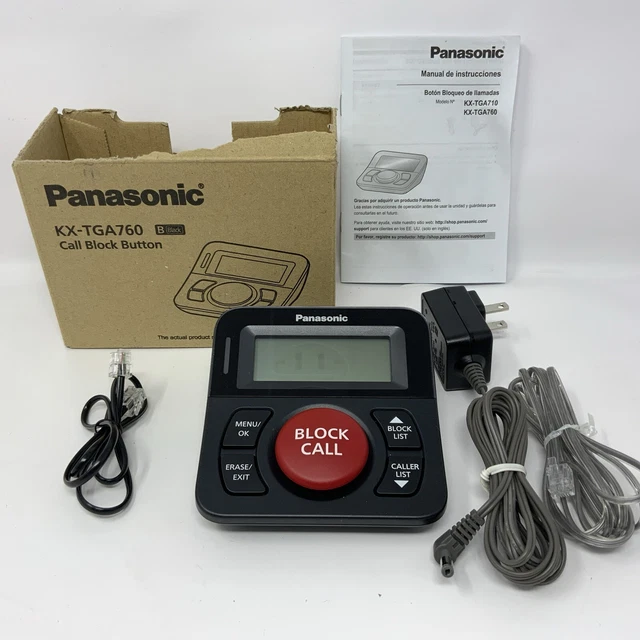
Credit: picclick.ca
Future Trends In Call Blocking
Automated calls continue to evolve, and so do the methods to block them. Looking ahead, call blocking won’t just be about stopping unwanted calls—it will be about smarter, more personalized control over your phone. Understanding future trends can help you stay one step ahead and keep your home phone free from interruptions.
Advancements In Call Blocking Technology
Call blocking devices and apps are becoming more sophisticated every year. New systems can identify spam calls based on patterns, not just known numbers. This means calls from new scammers or robocallers won’t easily slip through.
Some devices now offer real-time call analysis, allowing you to decide instantly if a call is safe. Imagine your home phone automatically screening unknown callers and only alerting you if the call is trustworthy. That level of convenience is closer than you think.
Impact Of Ai On Call Management
Artificial intelligence is changing how calls are managed on your home phone. AI can learn your calling habits and preferences to block unwanted calls more accurately. Over time, it adapts, reducing the chance of missing important calls.
Think about AI as a personal assistant who knows which calls you want to answer and which to ignore. It can even respond to spam calls for you, saving you time and frustration. How much easier would your day be if your phone handled annoying calls automatically?
Frequently Asked Questions
How Can I Block Automated Calls On My Home Phone?
You can block automated calls by using call-blocking devices or services. Register your number on the National Do Not Call Registry. Also, contact your phone provider for additional blocking tools to reduce unwanted calls effectively.
What Is The National Do Not Call Registry?
The National Do Not Call Registry is a free government service. It helps reduce telemarketing calls by allowing you to register your phone number. Once registered, most telemarketers must stop calling your home phone within 31 days.
Can Call-blocking Apps Stop Robocalls Completely?
Call-blocking apps significantly reduce robocalls but may not stop them completely. They identify and block suspicious numbers using databases and user reports. Using apps alongside other methods gives better protection against automated calls.
Should I Answer Unknown Home Phone Calls?
It’s best to avoid answering calls from unknown numbers. Automated calls often use spoofed numbers to trick you. Let unknown calls go to voicemail, and never provide personal information unless you verify the caller’s identity.
Conclusion
Stopping automated calls to your home phone takes patience and action. Use call blocking tools and register your number on do-not-call lists. Always be cautious when sharing your phone number. Report unwanted calls to help authorities track spammers. Small steps can make a big difference.
Stay alert and protect your peace. Your phone should bring convenience, not nuisance. Keep control over your calls and enjoy quiet moments again.