
Are you sure your ceiling fan is set the right way for summer? Many people don’t realize that the direction your fan spins can make a big difference in how cool and comfortable your room feels.
Getting this simple setting right can help you save money on your energy bills and keep your home refreshing during hot days. Keep reading to find out exactly how your ceiling fan should turn in summer and why it matters to your comfort and wallet!
Ceiling Fan Basics
Understanding ceiling fan basics helps you use it better in summer. A ceiling fan moves air to cool your room. It doesn’t lower the room temperature but makes you feel cooler. Knowing how it works helps you save energy and stay comfortable.
Components And Functionality
A ceiling fan has several key parts:
- Blades:These spin to move air around the room.
- Motor:Powers the blades to turn.
- Switch:Controls the fan speed and direction.
- Mounting:Holds the fan securely on the ceiling.
The motor turns the blades in a circle. This movement pushes air downward or upward, depending on the blade direction. The switch lets you change how fast the blades spin and which way they turn.
Role In Temperature Regulation
Ceiling fans do not cool air like air conditioners. Instead, they create a breeze that helps sweat evaporate from your skin. This evaporation makes you feel cooler by about 4 degrees.
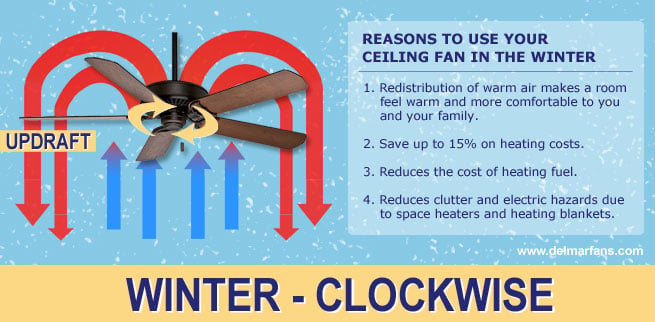
In summer, blades should turn counterclockwise. This pushes air down, making a cool breeze. In winter, blades turn clockwise to pull air up and keep warmth near the ceiling.
Credit: www.delmarfans.com
Optimal Fan Direction
Choosing the optimal direction for your ceiling fan during summer can make a noticeable difference in how comfortable your space feels. The direction controls how air moves around the room, which impacts the cooling effect you experience. Understanding this can help you get the most out of your fan and even lower your energy bills.
Clockwise Vs. Counterclockwise
Ceiling fans can rotate in two directions: clockwise and counterclockwise. In summer, the fan should spin counterclockwise to push air downward. This creates a breeze that cools your skin by increasing evaporation of sweat.
Running the fan clockwise in summer, on the other hand, pulls air upward, which is better suited for winter. Many people don’t realize their fan can switch directions, so checking the rotation before turning it on can improve comfort instantly.
Impact On Airflow
The direction of the fan affects airflow patterns in your room. When spinning counterclockwise, the fan blades push air straight down, creating a wind chill effect that makes you feel cooler even without lowering the thermostat.
This airflow can reduce the need for air conditioning, saving energy and money. Have you ever noticed how a breeze from a fan feels more refreshing than just sitting in still air? That’s the power of proper airflow direction at work.
Summer Cooling Strategy
Summer heat calls for smart cooling strategies that do more than just lower the temperature. Your ceiling fan is a powerful tool to keep your space comfortable without overloading your energy bills. The key lies in how you set the fan to turn and how you use it alongside other cooling methods.
Maximizing Air Circulation
In summer, your ceiling fan should spin counterclockwise. This direction pushes air downward, creating a wind-chill effect that cools your skin. It doesn’t actually lower the room temperature, but it makes you feel several degrees cooler.
Think about a hot day when you step outside and a breeze makes all the difference. Your fan replicates that feeling indoors. You can boost this effect by adjusting the fan speed—higher speeds move more air but use more energy.
Have you noticed how stagnant air can make a room feel hotter? Using your fan to keep air moving prevents heat pockets from forming. This simple action can make your living areas much more pleasant during sweltering days.
Complementing Air Conditioning
Using a ceiling fan with your air conditioner can help you save money and energy. Since the fan cools your skin, you can set your thermostat a few degrees higher without losing comfort. This reduces the load on your AC unit and lowers your electricity bill.
Make sure you turn off the fan when you leave the room. Fans cool people, not rooms, so running it in an empty space wastes energy. This small habit can have a big impact on your monthly costs.
Try combining fan use with other cooling tips like closing blinds during peak sun hours and using energy-efficient lighting. These steps work together to keep your home cooler and your energy use lower. What small change can you make today to improve your summer comfort?

Credit: www.instagram.com
Energy Efficiency Tips
Energy efficiency matters most during hot summer days. Using your ceiling fan correctly helps cut down electricity bills. Fans move air, making you feel cooler without lowering room temperature. This simple action saves energy and keeps your home comfortable.
Reducing Energy Consumption
Set your ceiling fan to spin counterclockwise in summer. This pushes air down, creating a breeze that cools your skin. Lower fan speed works well to avoid wasting power.
Turn off the fan when no one is in the room. Fans cool people, not rooms. Using fans only when needed reduces unnecessary energy use.
- Use energy-efficient fan models with LED lights.
- Keep blades clean to improve airflow.
- Combine fan use with natural ventilation.
Cost-effective Cooling Solutions
Ceiling fans cost less to run than air conditioners. Using fans allows you to raise thermostat settings by a few degrees. This small change cuts cooling costs significantly.
Pair fans with blinds or curtains to block sunlight. This reduces heat gain and lowers cooling needs. Fans help circulate cooler air during early mornings or evenings too.
- Consider using fans in rooms you use most often.
- Use fans alongside energy-efficient AC units.
- Seal windows and doors to keep cool air inside.
Choosing The Right Fan
Choosing the right ceiling fan is more than just picking a design you like. It directly affects how well it cools your space during those hot summer months. A fan that fits your room and offers the right features can make a big difference in comfort and energy savings.
Size And Placement
Size matters a lot when selecting a ceiling fan. A fan too small won’t circulate air effectively, while one too large can create uncomfortable drafts.
Here’s a quick guide to help you:
| Room Size (sq. ft.) | Fan Blade Span |
|---|---|
| Up to 75 | 29″ to 36″ |
| 76 to 144 | 36″ to 42″ |
| 144 to 225 | 44″ to 50″ |
| 225 to 400 | 50″ to 54″ |
Placement is just as critical. The fan should be installed in the center of the room, ideally 8-9 feet from the floor for optimal airflow. If your ceiling is higher, use a downrod to lower the fan.
Features To Consider
Modern ceiling fans come with features that boost comfort and convenience. For summer, look for a reversible motor that lets you change the fan direction easily. This ensures the fan pushes air downward to create a cooling breeze.
- Speed Settings:Multiple speeds let you adjust airflow depending on the temperature.
- Energy Efficiency:Fans with an ENERGY STAR rating save electricity and reduce bills.
- Remote Control:Controls make it simple to change settings without leaving your seat.
- Lighting:Integrated lights can brighten your room and reduce the need for additional fixtures.
Think about how you use your space. Would dimmable lights or a quiet motor improve your experience? Your answers will guide the best choice for your needs.
Maintenance And Care
Proper maintenance and care keep your ceiling fan working well during summer. A clean and well-maintained fan moves air efficiently. It also lasts longer and uses less energy. Neglecting care can cause dust buildup and mechanical issues. Regular checks ensure your fan cools your room effectively.
Regular Cleaning Practices
Dust and dirt reduce fan performance. Clean blades every two weeks to keep airflow strong. Use a soft cloth or a vacuum with a brush attachment. Wipe the motor housing and downrod to remove dust. Avoid water on electrical parts to prevent damage. Balance the blades if the fan wobbles. Tighten loose screws to stop noise and vibration.
Troubleshooting Common Issues
Fans may stop working or make noise. Check the power supply first. Replace worn-out or broken parts quickly. Oil the motor bearings if the fan sounds rough. Adjust the blade direction switch for summer cooling. Ensure the fan speed settings respond correctly. Call a professional if problems persist or seem complex.
Environmental Impact
Ceiling fans play a key role in reducing energy use during summer. Their direction affects how cool a room feels and how much electricity is saved. Using fans properly lowers the need for air conditioning, which cuts down on carbon emissions. This helps protect the environment and reduces your energy bills.
Sustainable Cooling Methods
Using ceiling fans with air conditioning creates a balanced cooling effect. Fans circulate air, making the room feel cooler without lowering the thermostat too much. This saves energy and reduces greenhouse gas emissions.
Natural ventilation is another eco-friendly way. Open windows and use fans to bring fresh air inside. It reduces dependence on electric cooling and helps maintain better air quality.
Benefits Of Eco-friendly Fans
Eco-friendly fans use less power and have efficient motors. This means they consume less electricity while providing strong airflow. Some models use LED lights, cutting down on extra energy use.
Choosing fans made from sustainable materials also helps. Bamboo and recycled plastics reduce waste and lower the carbon footprint. Quiet operation is an added bonus, improving comfort without noise pollution.

Credit: www.aol.com
Frequently Asked Questions
How Should A Ceiling Fan Turn In Summer?
In summer, a ceiling fan should rotate counterclockwise. This creates a cool breeze by pushing air downward. The airflow helps evaporate sweat, making you feel cooler without lowering room temperature.
Why Does Fan Direction Matter In Summer?
Fan direction affects airflow and cooling efficiency. Counterclockwise rotation pushes air down, creating a wind-chill effect. This makes the room feel cooler and reduces the need for air conditioning, saving energy and costs.
Can Ceiling Fans Reduce Summer Energy Bills?
Yes, ceiling fans reduce energy bills by improving comfort. They circulate air, allowing you to raise thermostat settings. This decreases air conditioning use, cutting electricity costs while maintaining a comfortable indoor temperature.
How To Change Ceiling Fan Direction For Summer?
Most ceiling fans have a switch on the motor housing. Flip the switch to set the fan blades to rotate counterclockwise for summer. Always turn off the fan before changing its direction.
Conclusion
Ceiling fans should turn counterclockwise in summer. This direction pushes air down, creating a cool breeze. It helps sweat evaporate, making you feel cooler. Running the fan this way can lower energy bills. Fans don’t cool rooms but help your body stay comfortable.
Remember to adjust the fan speed to your comfort level. Proper use keeps your home fresh and cool all summer. Simple steps make a big difference in staying comfortable. Try this tip and enjoy a cooler, pleasant summer indoors.






