Thinking about adding a ceiling fan to your room? You’re probably wondering, “How much will it actually cost to have a ceiling fan installed?” It’s a smart question because the price can vary a lot depending on different factors.
Knowing the right budget upfront can save you from surprises and help you make the best choice for your home. You’ll get a clear breakdown of installation costs, what affects the price, and tips to get the best deal. Keep reading to find out exactly what you need to know before making your decision.
Credit: www.docwattselectric.com
Factors Influencing Installation Costs
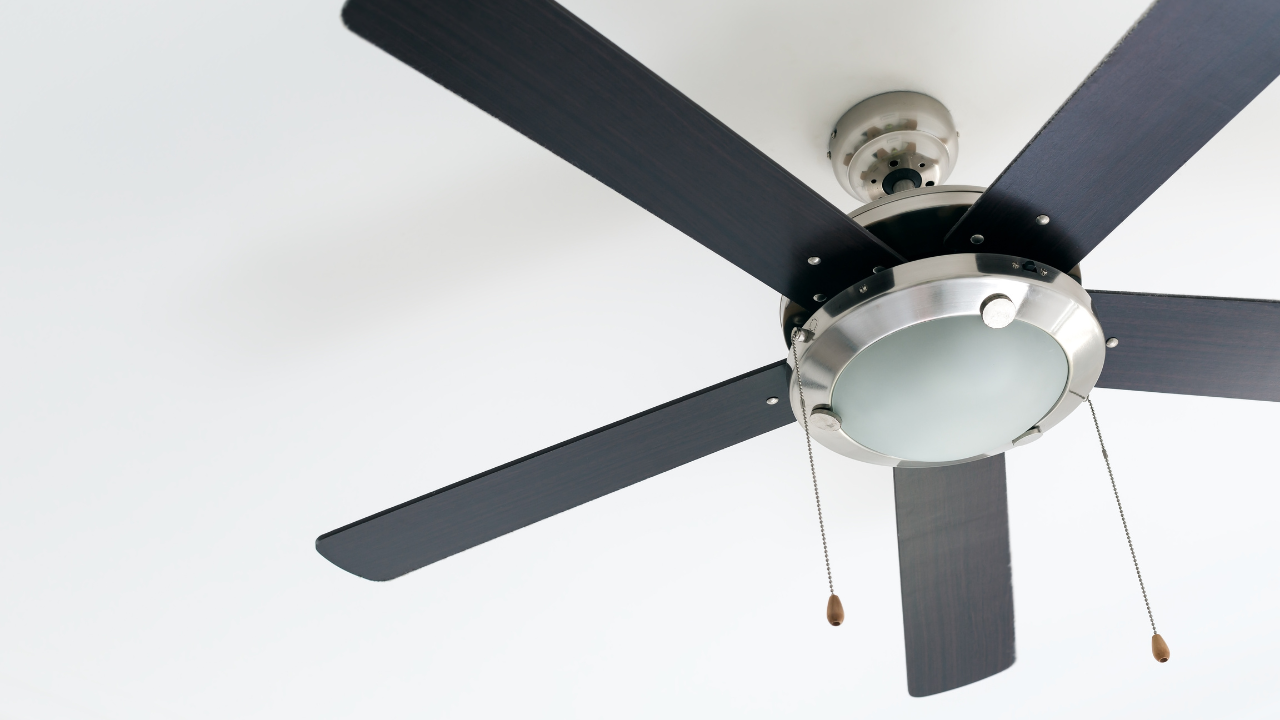
Several factors impact the cost of ceiling fan installation. Understanding these helps plan your budget better. Costs vary based on the fan type, installation complexity, and the room’s location.
Type Of Ceiling Fan
Ceiling fans come in many styles and sizes. Large or heavy fans need stronger mounts and more work. Fans with lights require extra wiring. High-end models may need specialized installation tools.
Complexity Of Installation
Simple ceiling fan setups cost less. Installation becomes costly if new wiring is needed. Installing on vaulted ceilings or outdoor spaces adds difficulty. Removing old fixtures before installation can increase labor time.
Location And Accessibility
Easy-to-reach ceilings reduce installation time and cost. High or sloped ceilings need ladders and extra safety measures. Tight spaces or rooms with many obstacles slow the work. Locations far from electrical panels may require longer wiring runs.
Credit: smartfixhome.com
Average Cost Breakdown
Understanding the average cost breakdown of having a ceiling fan installed helps you plan your budget better. Costs vary depending on several factors, including labor, materials, and extra fees that might pop up. Knowing these details can prevent surprises and help you decide where to save or invest.
Labor Costs
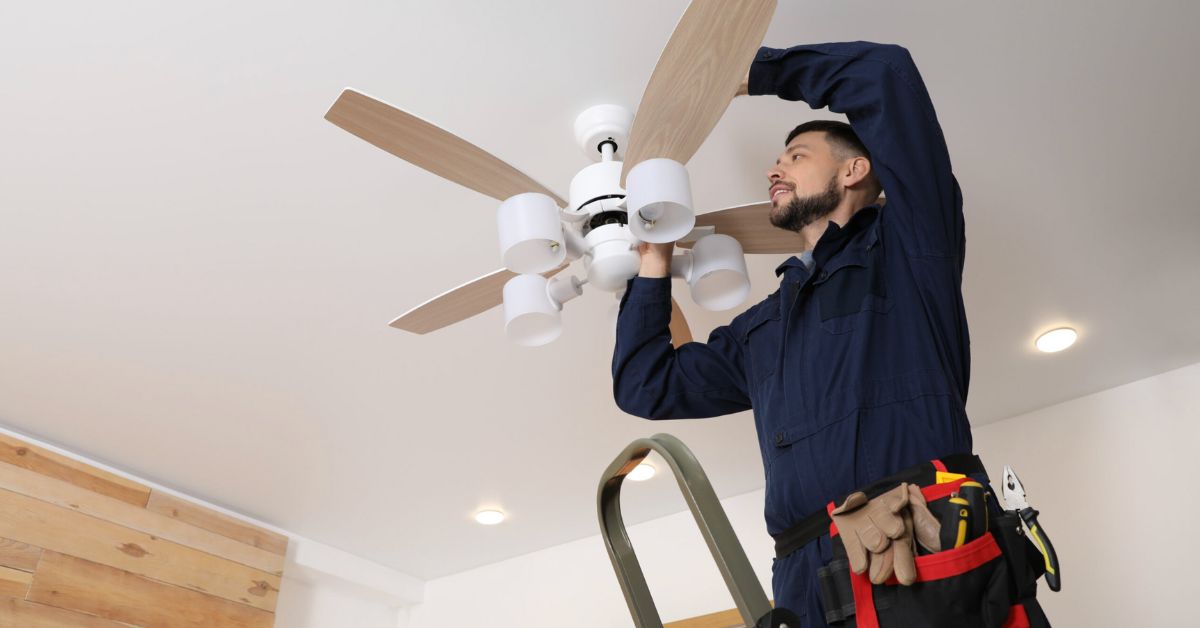
Labor usually makes up a big part of the total cost. Electricians typically charge between $50 and $100 per hour for installation. The total labor cost depends on how complex the job is—installing a fan where wiring already exists is cheaper than adding new wiring or moving switches.
Have you ever thought about how much time it takes to install a fan? A straightforward job might take just one to two hours, but more complicated setups can stretch longer, increasing the labor fees. Always ask for an estimate upfront to avoid unexpected charges.
Material Costs
The fan itself can range from $50 for basic models to over $500 for designer or smart fans. Don’t forget about the mounting bracket, screws, and electrical boxes, which might add $10 to $30 if not included. Choosing the right fan that fits your room size and style can save you money in the long run.
Sometimes, investing in a higher-quality fan means better energy efficiency and durability. Think about how often you’ll use the fan and whether features like remote control or lighting are worth the extra cost for you.
Additional Fees
Extra costs can sneak in depending on your home’s setup. If your ceiling isn’t wired for a fan, expect to pay for new wiring or electrical work, which can add $100 to $200 or more. Permit fees may apply in some areas, usually around $50 to $100.
Have you checked if your homeowner’s insurance or local regulations require permits for electrical work? Skipping permits can lead to fines or problems when selling your home. Always factor these possible fees into your budget to stay ahead.
Diy Vs. Professional Installation
Deciding between installing a ceiling fan yourself or hiring a professional can impact both your budget and the quality of the job. This choice depends on your comfort with electrical work, the tools you have, and how much time you want to spend. Understanding the benefits and challenges of each option can help you make a smart decision for your home.
Benefits Of Diy
Installing a ceiling fan yourself can save you a significant amount of money. You only need to pay for the fan and a few basic tools if you don’t already own them.
Doing it yourself also gives you full control over the timing and process. You won’t have to wait for an appointment or schedule around someone else’s availability.
Plus, the satisfaction of completing a project on your own can be rewarding. It’s a chance to learn new skills and gain confidence in handling home improvements.
Advantages Of Hiring Professionals
Professional installers bring experience that ensures your ceiling fan is mounted securely and wired safely. This reduces the risk of electrical problems or the fan coming loose over time.
They also save you time and effort, especially if you’re not comfortable working with electrical wiring. A pro can usually finish the job quickly and cleanly.
Many professionals offer warranties or guarantees on their work, giving you peace of mind. If any issues arise, you have someone to call who will fix the problem without extra cost.
Tips For Reducing Costs
Saving money on ceiling fan installation is easier than it seems. Small choices can lower your total cost significantly. Focus on smart buying and timing to spend less without losing quality.
Choosing Budget-friendly Options
Select fans that fit your budget but still look good. Basic models often have the features you need. Avoid extra decorations or high-tech add-ons. Simple fans cost less and use less energy.
- Pick fans with fewer blades for lower cost.
- Choose standard sizes to avoid special orders.
- Look for energy-efficient models to save on electricity bills.
Scheduling During Off-peak Times
Plan your installation during slow seasons for electricians. Less busy times mean lower labor charges. Weekdays may have cheaper rates than weekends. Early mornings or late afternoons might also save money.
- Book appointments in fall or winter months.
- Avoid holidays and weekends for better prices.
- Ask for discounts during off-peak hours.
Safety Considerations
Installing a ceiling fan involves more than just the cost. Safety must be a top priority. Faulty installation can lead to serious accidents. Understanding key safety areas helps prevent risks. This section covers essential safety checks for a smooth, secure fan setup.
Electrical Safety
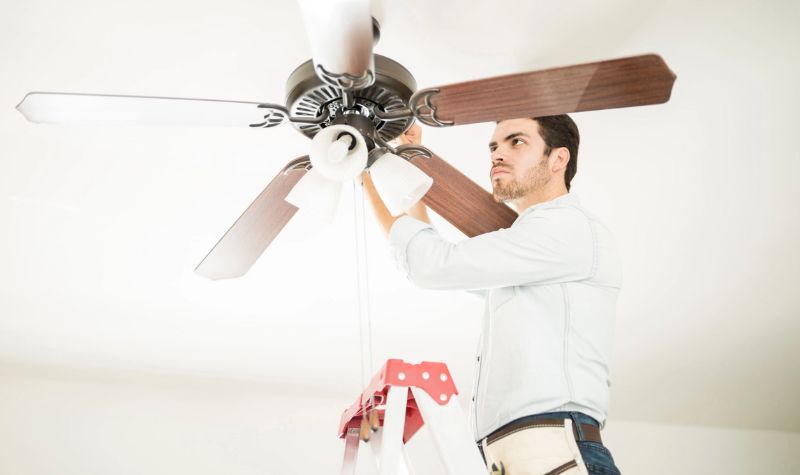
Electricity powers the fan. Improper wiring can cause shocks or fires. Always turn off the power at the breaker before starting. Use a voltage tester to confirm no current flows. Connect wires according to the fan’s instructions. Secure wire nuts tightly to avoid loose connections. Ground the fan properly to reduce shock risk. If unsure, hiring a licensed electrician is safest.
Ensuring Structural Stability
The fan must hang securely from the ceiling. Check that the ceiling box can support the fan’s weight. Use a fan-rated electrical box, not a regular one. Attach the fan bracket firmly to a ceiling joist or beam. Avoid mounting on drywall alone; it can fail over time. Balance the fan blades to prevent wobbling. A stable fan ensures safe, quiet operation and longer life.
Maintenance And Longevity
Proper maintenance helps your ceiling fan last longer and work better. Regular care avoids repairs and keeps the fan running smoothly. Small actions today save money on big fixes tomorrow.
Regular Cleaning
Dust buildup makes fans noisy and less efficient. Wipe blades with a soft cloth weekly to remove dust. Use a mild cleaner for sticky spots but avoid harsh chemicals. Clean the motor housing gently to prevent damage. Keep fan controls dust-free for better response.
Troubleshooting Common Issues
Fans may wobble, make noise, or stop working. Tighten loose screws on blades and mounting brackets first. Check blade alignment to reduce wobbling. Lubricate moving parts if the fan sounds rough. Replace worn-out pull chains or remote batteries. Reset circuit breakers if the fan stops unexpectedly.
Credit: smartfixhome.com
Frequently Asked Questions
How Much Does Ceiling Fan Installation Cost?
Ceiling fan installation typically costs between $100 and $300. The price depends on fan type, wiring complexity, and labor rates. Additional costs may apply for new wiring or repairs. Always get a detailed quote from a licensed electrician to avoid surprises.
Can I Install A Ceiling Fan Myself?
Yes, you can install a ceiling fan yourself if you have basic electrical skills. Follow manufacturer instructions carefully and turn off power before starting. However, hiring a professional ensures safety and code compliance, especially for complex wiring or ceiling types.
What Factors Influence Ceiling Fan Installation Price?
Installation price depends on fan size, mounting type, and wiring complexity. High ceilings or tricky locations increase labor costs. Adding a wall switch or dimmer also adds to the price. Local labor rates and permit fees may affect the total cost.
Is It Cheaper To Install A Ceiling Fan During Construction?
Installing ceiling fans during construction is usually cheaper. Electricians can wire fans easily before walls and ceilings close. This reduces labor and material costs. Retrofitting fans later often requires more work, increasing installation expenses.
Conclusion
Ceiling fan installation costs vary based on several factors. Choosing the right fan and professional installer matters. Basic installations cost less than complex ones. Always get a clear price estimate before starting. A properly installed fan improves comfort and saves energy.
Take time to compare prices and services. The right choice helps your home stay cool and stylish. Installation is a small price for lasting benefits. Keep these points in mind when planning your project.