Have you ever wondered if your ceiling fan can help keep your home warmer during winter? Most people think ceiling fans are only for cooling down in the summer.
But did you know that changing the way your fan turns can actually save you money and make your rooms feel cozier when it’s cold outside? If you want to stay warm without cranking up the heat, understanding how your ceiling fan should turn in winter is key.
Keep reading, and you’ll learn the simple trick that can make a big difference in your comfort and energy bills this season.

Credit: www.facebook.com
Ceiling Fan Basics
Understanding the basics of ceiling fans can change how you use them during colder months. Most people think ceiling fans are just for cooling, but they can help with heating too. Knowing how your fan works can help you save on energy bills and keep your home comfortable.
Fan Direction And Its Impact
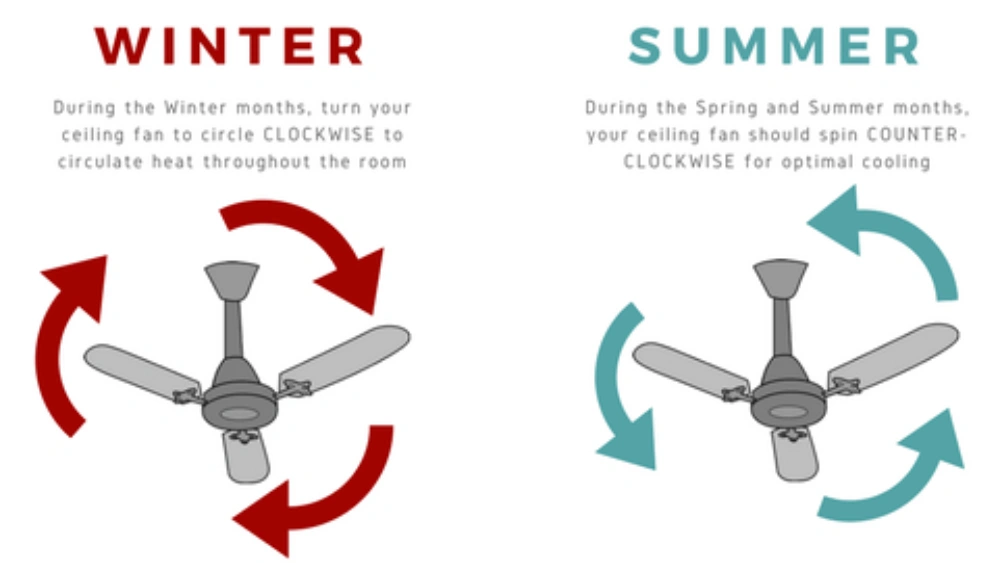
Ceiling fans usually have two directions: clockwise and counterclockwise. During winter, your fan should turn clockwise at a low speed.
This clockwise rotation pulls cool air up and pushes warm air trapped near the ceiling down along the walls. This gentle circulation helps spread heat evenly without creating a chilling breeze.
Have you noticed rooms that feel stuffy or cold despite heating? Adjusting your fan’s direction might be the simple fix you need.
Common Misconceptions
Many believe that ceiling fans only cool rooms, so they turn them off in winter. This is not true. Fans can actually help distribute warm air.
Another misconception is that the fan should run fast in winter. Running it too fast can cause a draft, making the room colder.
People often forget to check the fan’s direction switch, which is usually on the motor housing. It’s a small detail that makes a big difference.

Credit: www.facebook.com
Winter Settings For Ceiling Fans
Winter settings for ceiling fans help save energy and keep rooms warm. Fans can push warm air down from the ceiling. This improves comfort and reduces heating costs. Adjusting the fan’s direction and speed matters most.
Optimal Rotation Direction
In winter, ceiling fans should turn clockwise. This pulls air upward. It moves cold air away from the floor. Warm air near the ceiling is pushed down along the walls. This creates a gentle, warm breeze without a chill.
Check the fan’s switch. It often sits on the motor housing. Flip it to change the rotation direction. Run the fan slowly to avoid strong drafts. This helps spread heat evenly in the room.
Adjusting Fan Speed
Lower fan speed is best for winter. High speed can create cool wind that feels chilly. A slow, steady flow moves warm air without discomfort. Most ceiling fans have three speed settings. Choose the lowest or medium for winter use.
Use a remote or wall control to set speed. Running the fan too fast wastes energy and cools the room. A gentle breeze helps heat circulate and saves on heating bills.
Benefits Of Correct Fan Usage
Using a ceiling fan correctly in winter brings real benefits. It helps keep rooms warm and lowers energy bills. The right fan direction moves warm air down, improving heat flow. This simple step makes living spaces more comfortable and efficient. Knowing how to set your fan can save money and energy.
Energy Efficiency
Fans use less power than heaters. Running a fan in winter spreads warm air evenly. It reduces the need for high heating settings. This lowers electricity usage and cuts costs. Proper fan use helps your heating system work better. It prevents heat from collecting near the ceiling. This means less wasted energy and lower bills.
Enhanced Comfort
Warm air pushed down makes rooms feel cozy. It removes cold spots and keeps temperature steady. Fans create gentle air movement without chilling the skin. This avoids the stuffy feeling heaters sometimes cause. The right fan speed keeps warmth balanced in all corners. It creates a more pleasant home environment for everyone.
Steps To Adjust Ceiling Fan
Adjusting your ceiling fan for winter is simpler than you might think. The right fan direction helps push warm air down from the ceiling, making your room feel cozier without turning up the heat. Before you start, understanding your fan’s controls and knowing how to test its direction and speed are key steps.
Identifying Fan Controls
Look closely at your fan’s pull chains or wall switch to find the control for the fan’s direction. Many fans have a small toggle switch on the motor housing that changes the blade rotation from clockwise to counterclockwise. If your fan has remote control, check the manual or buttons labeled “forward” or “reverse.”
Not all fans are the same, so take a moment to spot these switches or buttons. Have you ever found your fan’s direction switch in an unexpected place? It’s worth a quick inspection before guessing.
Testing Direction And Speed
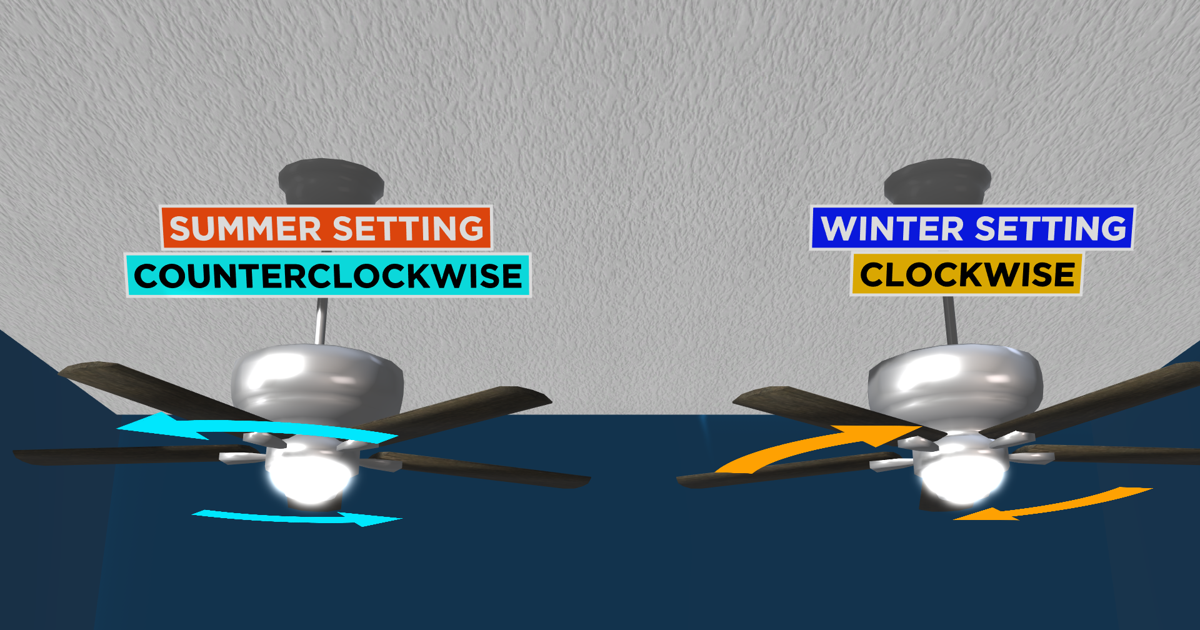
Turn your fan on to a low speed first. Watch the blades carefully to see if they spin clockwise or counterclockwise. For winter, the blades should turn clockwise to gently push warm air downward without creating a breeze that cools you.
If the fan is spinning the wrong way, use the direction switch to change it. Then, feel the air near the fan—does it seem warmer or cooler? Adjusting the speed to low or medium usually works best to circulate warm air without causing discomfort.
Have you noticed how much difference a simple direction change can make? Testing and adjusting your fan’s settings might just save you money on heating bills this winter.
Troubleshooting Common Issues
Dealing with ceiling fan issues in winter can be frustrating, especially when you rely on that gentle airflow to keep warm. Troubleshooting common problems quickly helps you maintain comfort without calling a professional. Understanding what might go wrong allows you to fix things yourself and save time.
Fan Not Switching Directions
If your fan refuses to switch from summer to winter mode, the first thing to check is the direction switch. This small toggle, usually located on the fan’s motor housing, should flip the blades’ rotation from counterclockwise to clockwise.
Sometimes, the switch can get stuck or become faulty due to dust or wear. Try cleaning around the switch gently and toggling it back and forth a few times. If that doesn’t work, the switch might need replacing, which is usually a simple fix you can do yourself.
Also, some fans have remote controls. Make sure the remote’s settings align with the desired rotation direction, as remote controls can override manual switches. Have you checked your remote batteries recently? Weak batteries can cause signal issues that affect fan direction.
Noise And Vibration Problems
Notice your fan making unusual noises or shaking? This often means the blades are unbalanced or the fan is loose. Start by turning off the fan and inspecting the blades for dust buildup or any signs of damage.
Cleaning the blades can reduce noise significantly. If the noise continues, check that all screws and mounting brackets are tight. Loose parts cause vibration and can eventually damage the fan.
Balancing kits are available and easy to use. They come with small weights you attach to the blades to even out their rotation. Have you ever tried balancing your fan? It can be surprisingly effective and might stop that annoying wobble.
Credit: www.wrex.com
Additional Tips For Winter Warmth
Keeping your home warm during winter requires more than just adjusting ceiling fans. Small changes can make a big difference in comfort and energy savings. Here are some useful tips to boost your winter warmth effectively.
Complementary Heating Solutions
Use space heaters to warm specific rooms quickly. Electric fireplaces add warmth and cozy ambiance. Radiant floor heating offers even heat without noise. Combine these with your ceiling fan to spread heat efficiently.
- Choose energy-efficient heaters for cost savings.
- Place heaters away from flammable materials.
- Use timers to control heater operation.
- Keep doors closed in heated rooms.
Insulation And Draft Prevention
Proper insulation keeps heat inside and cold out. Seal gaps around windows and doors to stop drafts. Use weatherstripping and draft stoppers for better sealing. Insulate attics and walls to reduce heat loss.
- Check and replace old or damaged insulation.
- Cover windows with thermal curtains or plastic film.
- Seal electrical outlets and switch plates on exterior walls.
- Inspect and repair cracks in walls or foundation.
Frequently Asked Questions
How Should A Ceiling Fan Rotate In Winter?
In winter, a ceiling fan should rotate clockwise at low speed. This pushes warm air down from the ceiling. It helps distribute heat evenly, improving room comfort and reducing heating costs.
Why Use Clockwise Fan Rotation In Winter?
Clockwise rotation creates an updraft that pulls cool air upward. This action forces warm air near the ceiling down along the walls. It prevents heat from rising and keeps the room warmer.
Can Ceiling Fans Save Heating Costs In Winter?
Yes, using ceiling fans properly can reduce heating costs. Fans circulate warm air efficiently, allowing you to lower thermostat settings. This leads to energy savings and more consistent room temperatures.
Should Ceiling Fan Speed Be High Or Low In Winter?
Ceiling fans should run at low speed during winter. High speeds create a cooling breeze, which is uncomfortable in cold months. Low speed gently circulates warm air without creating a draft.
Conclusion
Setting your ceiling fan to turn clockwise helps in winter. This direction pushes warm air down from the ceiling. It keeps your room cozy and reduces heating costs. Make sure the fan runs at a low speed. Strong winds can make the room cold instead.
A simple switch on the fan changes the direction. Try it and feel the difference in warmth. Small changes can save money and keep you comfortable. Keep your home warm with the right fan setting.