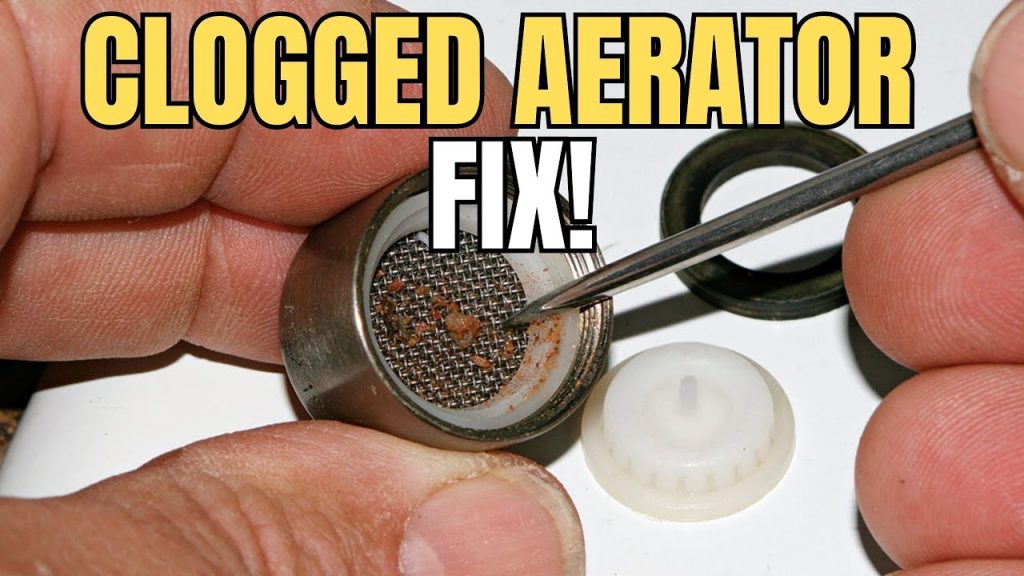
Is your kitchen faucet water flow looking weak or uneven? The problem might be hiding in a small part called the aerator.
Cleaning your kitchen faucet aerator is easier than you think and can instantly improve your water pressure and save you money on your water bill. You’ll learn simple, step-by-step tips to clean your aerator quickly and keep your faucet working perfectly.
Keep reading—you’ll be surprised how a little cleaning can make a big difference in your daily kitchen routine.
Tools Needed
Before you start cleaning the aerator on your kitchen faucet, gathering the right tools makes the job smoother and faster. Having everything ready helps you avoid interruptions and ensures you don’t damage any parts. You might be surprised how just a few common household items can do the trick.
Basic Tools
- Adjustable wrench:This tool helps you loosen and remove the aerator without scratching the faucet. If you don’t have one, pliers wrapped in a cloth can work too.
- Old toothbrush:Perfect for scrubbing away stubborn mineral deposits and dirt inside the aerator holes.
- Bucket or bowl:To catch any water or small parts that might fall during cleaning.
Cleaning Supplies
- White vinegar:A natural and effective cleaner to dissolve lime scale and build-up. You can soak the aerator parts in it.
- Small brush or toothpick:Useful for clearing out tiny holes that the toothbrush can’t reach.
- Soft cloth:To dry and polish the aerator after cleaning.
Optional Extras
- Rubber gloves:If you want to protect your hands from dirt or vinegar smell.
- Magnifying glass:Helpful if you want to inspect the aerator’s tiny parts closely.
Have you ever tried cleaning your aerator without the right tools? It often leads to frustration or even damage. Taking a few minutes to gather these simple items can save you time and headaches. Ready to get your kitchen faucet flowing like new?

Credit: www.youtube.com
Identifying The Aerator
Before you clean the aerator on your kitchen faucet, you need to locate and identify it correctly. The aerator is a small but important part that controls water flow and reduces splashing. Knowing exactly what it looks like and where it is will save you time and prevent any damage.
What Does An Aerator Look Like?
An aerator is usually a small, round piece attached to the tip of your faucet spout. It often looks like a tiny metal or plastic cap with a mesh screen inside. If you look closely, you might notice small holes or a grid pattern on its surface.
Where To Find The Aerator On Your Faucet?
Look right at the end of your kitchen faucet where the water comes out. The aerator is screwed onto this tip. Sometimes, it might be hidden under a decorative cover, but it will still be at the very end of the spout.
How To Confirm It’s An Aerator?
If you gently twist the piece at the faucet’s tip and it unscrews, you’ve found the aerator. Inside, you will see a screen or mesh that mixes air with the water. This part often gets clogged and needs cleaning, which is why identifying it is crucial.
Why Knowing Your Aerator Type Matters
There are different types of aerators: some snap on, others screw on, and some have different thread sizes. Recognizing your aerator type helps you choose the right tools and cleaning method. Have you ever tried to unscrew a stuck part without knowing its type? It rarely ends well.
Removing The Aerator
Removing the aerator from your kitchen faucet is the first step toward a thorough cleaning. This small component often traps debris and mineral buildup, which can reduce water flow and affect your faucet’s performance. Knowing how to carefully remove the aerator can save you time and prevent damage to your faucet.
Using A Wrench
If your aerator feels stuck, a wrench can help loosen it. Wrap a cloth around the aerator to protect the finish from scratches before you use the wrench.
Turn the wrench gently counterclockwise to unscrew the aerator. If it doesn’t budge, try applying a bit more pressure, but avoid forcing it too hard to prevent damage.
Have you ever struggled with a stuck faucet part? Using a wrench with care often makes the job easier without risking breaks.
Unscrewing By Hand
Many aerators can be removed simply by twisting them by hand. Grip the aerator firmly and turn it counterclockwise.
If it’s tight, try using a rubber glove for a better grip. This method is often the safest and quickest way to remove the aerator.
Does your faucet feel like it’s holding on tight? Sometimes a little patience and gentle force will do the trick before reaching for tools.

Credit: www.yahoo.com
Cleaning The Aerator
Cleaning the aerator is important to keep your kitchen faucet working well. Over time, tiny particles and minerals build up inside. This can block water flow and cause uneven spray. Regular cleaning helps water flow smoothly and keeps the faucet in good condition.
Rinsing Under Water
First, remove the aerator from the faucet. Hold it under running water to wash away loose dirt. Use your fingers to rub off any visible grime. This simple rinse removes surface particles fast. It prepares the aerator for deeper cleaning.
Soaking In Vinegar
Fill a small bowl with white vinegar. Place the aerator in the bowl and let it soak. Vinegar breaks down mineral deposits and hard water stains. Leave it for 30 minutes or more for tough build-up. After soaking, rinse the aerator under water again.
Brushing Away Debris
Use a soft toothbrush to scrub the aerator gently. Focus on the screen and small parts inside. Brushing removes stubborn debris stuck in tiny holes. Be careful not to damage the mesh or seals. After brushing, rinse well to wash out loosened dirt.
Reassembling The Aerator
Reassembling the aerator is a crucial step after cleaning. It ensures your faucet runs smoothly and prevents leaks. Taking your time here can save you from future headaches and water waste.
Check Each Part For Damage
Before putting everything back, inspect each piece carefully. Look for cracks or worn-out washers that might need replacing. You don’t want to fix one problem only to create another.
Align The Screen And Washer Correctly
Place the screen and washer in the right order inside the aerator housing. Misalignment can cause water to spray unevenly or drip. Think about how the water flowed before cleaning—this can guide you.
Screw The Aerator Back Onto The Faucet
Thread the aerator onto the faucet by hand first to avoid cross-threading. Tighten it snugly with your fingers; use a wrench only if necessary and be gentle. Over-tightening can damage threads or crack the housing.
Test For Leaks And Water Flow
Turn on the faucet slowly and watch for leaks around the aerator. Check if the water flows smoothly and evenly. If you notice any issues, you might need to disassemble and adjust the parts again.

Credit: www.yahoo.com
Testing The Faucet Flow
Testing the faucet flow is a key step to understand whether your aerator needs cleaning. It helps you spot issues like low water pressure or uneven spray patterns. By checking the flow before and after cleaning, you can see the real impact of your work.
Observing Water Pressure And Spray Pattern
Turn on your kitchen faucet and watch how the water flows out. Is the stream weak or does it sputter? Notice if the water sprays unevenly or dribbles in some spots.
These signs often point to a clogged aerator. If the flow feels normal and steady, your aerator might not need cleaning just yet.
Using A Flow Rate Test
Measure how much water comes out in a set time, like 10 seconds. Use a container with volume markings or a measuring cup for accuracy.
Compare this with your faucet’s usual flow rate, which you can find in the manual or online. A significantly lower flow rate indicates buildup inside the aerator.
Noticing Strange Noises Or Water Splashes
Listen for unusual sounds when the water runs. Gurgling or sputtering noises can hint at blockages.
Water splashing outside the sink is another clue that the aerator’s screen is clogged or damaged.
Checking For Leaks Around The Aerator
Look closely where the aerator screws onto the faucet. Are there any drips or moisture?
Leaks can affect water pressure and suggest the aerator needs tightening or replacement along with cleaning.
Have you ever ignored these signs and later faced a costly plumbing issue? Testing your faucet flow regularly saves you from surprises and keeps your kitchen running smoothly.
Regular Maintenance Tips
Regular maintenance keeps your kitchen faucet aerator working well. It prevents clogs and ensures smooth water flow. Simple habits save time and avoid bigger problems later. Follow these easy tips to care for your aerator regularly.
Check The Aerator For Debris
Look at the aerator each month. Dirt and small particles can block water flow. Remove the aerator and inspect it closely. Clean any visible debris gently with a soft brush or cloth.
Soak The Aerator In Vinegar
Mineral buildup can reduce water pressure. Soak the aerator in white vinegar for 30 minutes. Vinegar dissolves hard deposits safely. Rinse the aerator well before reinstalling it.
Use A Soft Brush For Cleaning
A soft toothbrush works well to clean aerator screens. Brush away mineral deposits and dirt. Avoid using harsh tools that might damage the aerator parts.
Reinstall The Aerator Properly
After cleaning, screw the aerator back tightly. Ensure it fits snugly to avoid leaks. Hand-tightening is usually enough; avoid over-tightening.
Inspect For Wear And Tear
Check the aerator for cracks or worn parts during cleaning. Replace damaged aerators promptly. A good aerator keeps water clean and flow steady.
Frequently Asked Questions
How Often Should I Clean My Kitchen Faucet Aerator?
Clean your kitchen faucet aerator every 3 to 6 months. Regular cleaning prevents clogging and maintains water flow. If water pressure drops, clean it sooner to avoid damage and ensure proper function.
What Tools Do I Need To Clean A Faucet Aerator?
You need a wrench or pliers, a small brush, and vinegar. Use the wrench to remove the aerator carefully. Soak it in vinegar to dissolve mineral deposits and scrub gently with the brush.
Can Vinegar Damage My Faucet Aerator?
No, vinegar is safe for most faucet aerators. It effectively removes mineral buildup without harming metal or plastic parts. Avoid using harsh chemicals that could corrode or damage the aerator components.
How Do I Remove A Stuck Kitchen Faucet Aerator?
Use a rubber grip or pliers with a cloth to avoid scratches. Turn counterclockwise gently to loosen it. If stuck, apply vinegar or warm water to help dissolve mineral deposits before trying again.
Conclusion
Cleaning your kitchen faucet aerator keeps water flowing smoothly. Regular cleaning stops clogs and saves water. It also helps avoid bad smells and stains. You only need a few tools and some time. This simple task improves your kitchen’s hygiene and function.
Try cleaning your aerator every few months. Small steps make a big difference. Your faucet will work better and last longer. Easy and quick care goes a long way. Keep your kitchen faucet clean for best results.