Imagine walking into your home and having the lights turn on automatically, your favorite music start playing, and the thermostat adjust to the perfect temperature—all without lifting a finger. You can make this a reality by automating your home with Apple.
It’s easier than you think, and once set up, it saves you time, energy, and stress every day. You’ll discover simple steps to turn your house into a smart home that works for you. Ready to take control and enjoy the convenience you deserve?
Let’s dive in.
Setting Up Homekit
Setting up HomeKit is the first step to turning your home into a smart haven controlled right from your iPhone or iPad. Apple’s HomeKit system connects various smart devices, allowing you to manage lighting, security, and more with ease. Once set up, you’ll wonder how you ever lived without it.
Compatible Devices
Not every smart device works with HomeKit, so it’s important to know which ones to choose. Apple supports a wide range of products, including smart lights, thermostats, locks, cameras, and plugs.
- Smart Lights:Philips Hue, LIFX, and Nanoleaf offer excellent options.
- Thermostats:Ecobee and Honeywell models are reliable choices.
- Security Cameras and Doorbells:Logitech Circle and Arlo are popular.
- Smart Plugs:Eve Energy and iDevices let you control appliances remotely.
Choosing devices with the “Works with Apple HomeKit” label ensures smooth integration. Have you checked if your current smart gadgets are compatible before purchasing more?
Installing Home App
The Home app is your control center for all HomeKit devices, and it’s already installed on your iPhone and iPad. Open the app and tap the “+” icon to start adding devices.
Scan the HomeKit setup code found on your device or its packaging. This simple step connects the device securely to your home network.
After adding devices, you can organize them into rooms, set scenes for different moods, and create automations. For example, you might set your lights to turn on automatically at sunset. How could automations like these simplify your daily routine?
Creating Smart Scenes
Creating smart scenes with Apple HomeKit lets you control multiple devices with a single command. Imagine turning off the lights, locking the doors, and adjusting the thermostat just by saying, “Good night.” Smart scenes simplify your daily routines and make your home more responsive to your needs.
Customizing Automations
You can tailor automations to fit exactly how you live. Start by choosing which devices interact within a scene—maybe your lights, blinds, and music system all react together. Adjust settings like brightness or volume to make the atmosphere perfect for each moment.
Think about your morning routine. Setting your coffee maker to start brewing as your bedroom lights brighten can make waking up smoother. You can even add conditions, such as only running the scene if you’re home or after sunset. This level of customization helps avoid unnecessary actions and saves energy.
Scheduling Routines
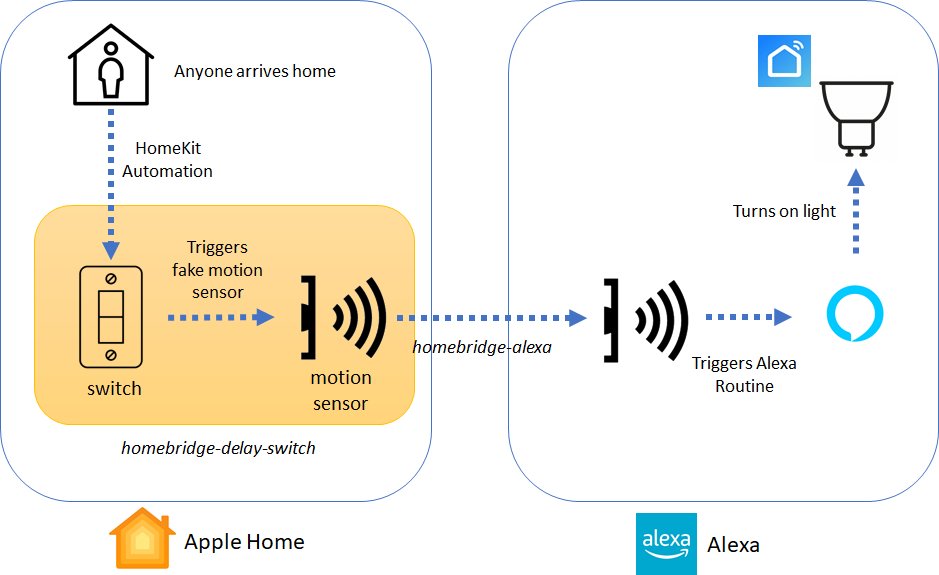
Scheduling your smart scenes lets your home anticipate your needs without you lifting a finger. You can set scenes to activate at specific times—like a “Welcome Home” scene that turns on lights and adjusts temperature just as you arrive.
Consider setting different scenes for weekdays and weekends. Maybe weekdays require a quick wake-up scene, while weekends call for a relaxed brunch vibe. Apple’s Home app makes it easy to set these schedules, ensuring your home always matches your lifestyle.
How often do you find yourself wishing your home could just read your mind? Scheduling routines can get you pretty close to that feeling.
Voice Control With Siri
Voice control with Siri makes home automation simple and hands-free. Siri lets you manage lights, locks, thermostats, and more with just your voice. This technology fits naturally into daily routines, helping you control your home effortlessly.
Activating Siri
Siri activates easily on Apple devices. Say “Hey Siri” near your iPhone, iPad, or HomePod. You can also press the side or home button on your device to start Siri. Make sure Siri is enabled in your device settings for smooth activation.
Voice Command Tips
- Speak clearly and use simple commands.
- Use phrases like “Turn on,” “Set,” or “Open.”
- Address specific devices or rooms for better results.
- Try commands like “Dim the living room lights to 50%.”
- Check your smart devices are connected to the Home app.

Credit: www.yahoo.com
Integrating Apple Tv
Integrating Apple TV into your smart home setup offers great convenience. It acts as a bridge between your devices and the Home app. This connection helps control your smart devices smoothly.
Apple TV can simplify how you manage your home technology. It supports a wide range of home automation features. Using Apple TV makes your smart home more responsive and reliable.
Streamlining Controls
Apple TV lets you control smart devices from one place. You can use the Apple TV remote or your iPhone. This reduces the need to switch between different apps.
- Access lights, locks, and thermostats easily
- Use Siri for voice commands
- View security cameras on your TV screen
- Create scenes to activate multiple devices together
This setup makes daily routines faster and simpler. It keeps all controls in one easy spot.
Using As Home Hub
Apple TV can serve as a home hub. This hub connects your smart devices to the internet. It allows remote access and automation.
- Control devices from anywhere with the Home app
- Automate actions based on time or location
- Enable notifications for security alerts
- Ensure devices stay connected even without Wi-Fi
Setting Apple TV as a home hub improves your smart home’s reliability. It helps keep your devices working smoothly all the time.
Security And Privacy Features
Keeping your smart home secure is as important as making it convenient. Apple’s home automation system prioritizes both security and privacy, helping you control who accesses your devices and ensuring your data stays protected. Understanding these features can help you build a safer and smarter environment.
Data Encryption
Apple uses strong data encryption to protect your information. When your home devices communicate, the data is encrypted end-to-end, meaning only you and your authorized devices can read it.
This encryption applies to everything from your smart locks to video feeds on your security cameras. It ensures that even if someone intercepts the data, it remains unreadable without the right keys.
Have you noticed how your Apple devices sync seamlessly yet securely? That’s the encryption at work, quietly keeping your home’s data safe behind the scenes.
Managing Access Permissions
You decide who gets access to your smart home devices. Apple’s Home app makes it easy to manage permissions by allowing you to add or remove users quickly.
You can give family members or trusted friends control over specific devices without handing over full access. For instance, you might allow a babysitter to control the lights but not the security system.
Regularly reviewing access helps prevent unauthorized entry. Ask yourself: who really needs control, and what level of access should they have? This keeps your home both secure and functional for everyone involved.

Credit: www.youtube.com
Troubleshooting Common Issues
Automating your home with Apple devices can simplify daily routines, but sometimes things don’t work as expected. Troubleshooting common issues helps you get back on track quickly without frustration. Understanding these problems and knowing how to fix them saves time and keeps your smart home running smoothly.
Connection Problems
Connection issues are often the biggest hurdle in home automation. If your devices aren’t responding, check your Wi-Fi first. Is your router working properly, and are your Apple devices connected to the same network?
Sometimes, simply restarting your router or the HomePod can solve the problem. If a device still won’t connect, try resetting its network settings and re-adding it to the Home app. Have you noticed certain rooms have weaker Wi-Fi signals? Consider adding a Wi-Fi extender or mesh system to improve coverage.
Device Compatibility
Not every smart home device works seamlessly with Apple HomeKit. Before purchasing, verify the device supports HomeKit integration. Apple’s official website lists compatible products, which can save you the hassle of returns.
Even if a device claims compatibility, some features may be limited. For example, a smart plug might turn on and off but not support advanced automation. Checking app reviews and manufacturer details can reveal these limitations upfront.
Ask yourself: does this device meet your automation goals? Investing time in research ensures the devices you add will work well together, giving you a smoother experience.
Future-proofing Your Smart Home
Future-proofing your smart home means preparing it for changes and new tech. A smart home should stay useful for years. It should adapt easily to new devices and updates. This saves money and avoids hassle later.
Adopting New Technologies
Apple’s HomeKit supports many new smart devices. It updates regularly to include fresh features. Choose devices that work with HomeKit to ensure smooth upgrades. Keep your iOS and Home app updated for better compatibility.
Look for gadgets that use standard wireless protocols like Wi-Fi or Thread. These protocols help devices talk to each other reliably. New tech like Matter promises easier connections across brands. Apple supports Matter, making future devices easier to add.
Expanding Device Network
Start with basic devices like smart lights and plugs. Add more devices over time to build your network. Apple’s Home app can manage many devices in one place. Organize devices by room for easy control.
Use HomePod or Apple TV as a hub. It boosts connection strength and allows remote control. These hubs help devices work better together. A strong network keeps your smart home running smoothly as you add more gadgets.

Credit: apps.apple.com
Frequently Asked Questions
What Apple Devices Work Best For Home Automation?
Apple HomeKit works seamlessly with iPhones, iPads, Apple Watches, and HomePod. These devices control smart home gadgets easily. Using the Home app on iOS devices simplifies automation setup. They provide voice control through Siri. Compatibility ensures smooth integration and reliable performance.
How Do I Set Up Apple Homekit For My Home?
Start by adding HomeKit-compatible accessories to the Home app. Use your iPhone or iPad to scan the accessory’s code. Organize devices by rooms for easier control. Create automation rules based on time, location, or sensor triggers. Regularly update your devices for best performance.
Can I Use Siri To Control My Smart Home?
Yes, Siri lets you control HomeKit devices with voice commands. You can turn lights on or off, adjust thermostats, and lock doors. Siri works on iPhone, iPad, Apple Watch, and HomePod. It provides hands-free convenience and quick responses for home automation tasks.
Is Apple Homekit Secure For Home Automation?
Apple HomeKit uses end-to-end encryption to protect your data. It ensures only authorized devices access your smart home controls. Apple’s strict privacy policies safeguard your information. Regular software updates fix vulnerabilities and enhance security. This makes HomeKit a safe choice for automation.
Conclusion
Automating your home with Apple makes life easier and more comfortable. You control lights, temperature, and security with just your voice or phone. Setting up is simple and fits your daily routine. Small changes bring big convenience every day. Start with one device and add more over time.
Your smart home awaits—easy to use and ready to help.