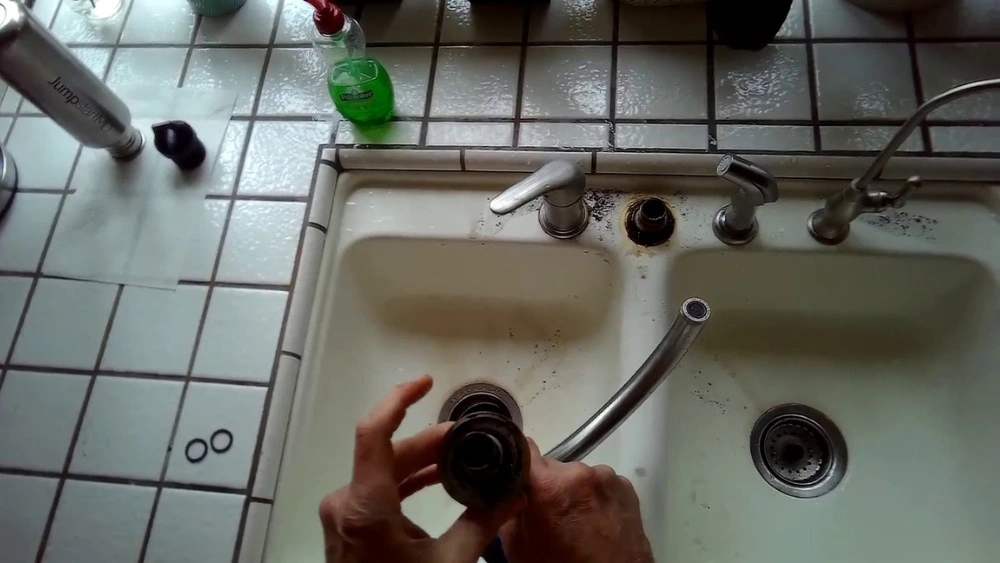
Is your kitchen faucet leaking or not working smoothly? The problem might be a worn-out cartridge.
Replacing the cartridge can fix the issue quickly and save you money on costly repairs. You don’t need to be a plumbing expert to do it yourself. In this guide, you’ll learn simple, step-by-step instructions to replace the cartridge in your kitchen faucet.
By the end, your faucet will work like new, and you’ll feel proud of handling the repair on your own. Keep reading to discover how easy it is to fix your faucet today!
Tools And Materials Needed
Replacing a cartridge in a kitchen faucet needs specific tools and materials. Having the right items makes the task easier and faster. Prepare everything before starting to avoid interruptions.
This list includes common tools found in most homes and a few items you may need to buy. Each tool has a clear purpose. Knowing them helps to complete the job smoothly.
Basic Tools Required
- Adjustable wrench for loosening nuts
- Screwdriver (flathead and Phillips) to remove screws
- Allen wrench for set screws on some handles
- Pliers to grip and twist parts
- Utility knife for cutting seals or tape
Materials Needed For Replacement
- New cartridge that fits your faucet model
- Plumber’s grease to lubricate moving parts
- Rags or towels to clean spills
- Bucket to catch any water drips
Optional Supplies
- Penetrating oil for stuck parts
- Masking tape to mark positions
- Flashlight to see inside tight spaces
Preparation And Safety Measures
Preparing properly before replacing a kitchen faucet cartridge ensures safety and smooth work. Taking the right steps protects your plumbing and tools. It also prevents water damage and accidents. Follow clear safety measures to avoid common problems.
Shutting Off Water Supply
Locate the water shut-off valves under the sink. Turn both the hot and cold water valves clockwise to close. This stops water flow to the faucet. Open the faucet to drain any remaining water. Check if water stops flowing before starting work.
Clearing The Work Area
Remove items from under the sink and around the faucet. Clear enough space for tools and parts. Lay down a towel or cloth to catch drips. Keep a bucket nearby to collect any water spills. Organize tools within reach to avoid searching during the task.
Removing The Faucet Handle
Removing the faucet handle is the first hands-on step in replacing a cartridge. It might seem straightforward, but faucets come in various designs that require different approaches. Knowing how to identify your handle type and the correct way to remove it saves you time and prevents damage.
Identifying The Handle Type
Look closely at your faucet handle. Is it a single lever, a knob, or a cross-shaped handle? Each type often hides its screws differently.
- Single lever handlesusually have a small cap on top or at the back covering the screw.
- Knob handlesmight have a visible screw on the side or underneath.
- Cross handlesoften have a decorative center cap that needs prying off to access the screw.
Have you ever tried pulling the handle off without removing the screws first? That can cause unnecessary damage. Take a moment to check for hidden covers or screws before you proceed.
Unscrewing Or Removing The Handle
Once you find the screws, use the right screwdriver—usually a Phillips or flathead—to loosen them. If the screw is tight or stuck, applying a little penetrating oil can help loosen it.
After unscrewing, gently wiggle the handle while pulling it upward. Sometimes handles get stuck due to mineral buildup or corrosion. If yours doesn’t budge, try using a handle puller tool or carefully tap around the base with a rubber mallet.
Handle removal might feel tricky at first. But paying attention to the handle type and using gentle force avoids damage and prepares you for the cartridge replacement ahead.

Credit: www.youtube.com
Accessing The Cartridge
Accessing the cartridge inside a kitchen faucet is a key step in fixing leaks or improving water flow. This part controls water temperature and pressure. Removing it carefully helps avoid damage and ensures a smooth replacement process.
Removing Retaining Nuts
Start by turning off the water supply under the sink. Open the faucet to release pressure. Use a wrench to loosen the retaining nuts holding the cartridge. Turn the nuts counterclockwise until they come off easily. Keep these nuts safe for reassembly. Sometimes, they might be hidden under decorative caps. Pry off these caps gently with a flat tool. Avoid scratching the faucet surface.
Identifying Cartridge Type
Once the cartridge is free, check its shape and size. Different faucet brands use various cartridge designs. Look for markings or numbers on the cartridge body. This helps find the exact replacement part. Note if the cartridge has one or two handles attached. Some cartridges have a stem, others a ball or disk design. Take a clear photo for reference. Bring the old cartridge to the store or compare online before buying.
Installing The New Cartridge
Installing the new cartridge is the key moment in fixing your kitchen faucet. This step requires careful handling to ensure the cartridge fits perfectly and the faucet works smoothly without leaks. Taking your time here prevents frustrating re-dos and saves you money on extra parts.
Inserting The Replacement Cartridge
Before you insert the new cartridge, make sure it matches the old one exactly. Check the shape, size, and the position of the holes carefully.
Hold the cartridge so the tabs or notches line up with the slots inside the faucet body. Gently slide it straight down, avoiding any twisting or forcing. If it doesn’t fit smoothly, double-check the alignment—you don’t want to damage the cartridge or faucet.
Have you ever tried fitting something only to find a small detail was off? That moment of frustration teaches the value of patience and precision here.
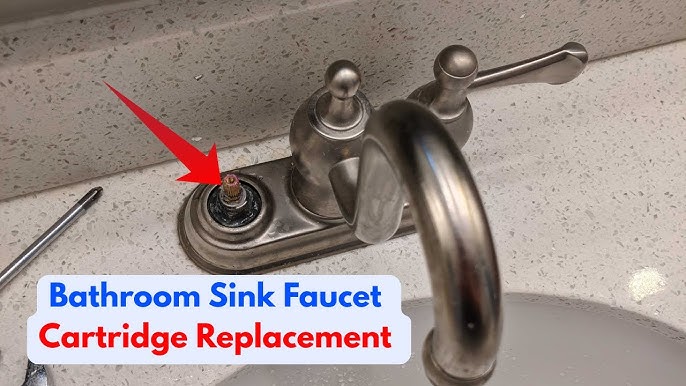
Securing The Cartridge
Once the cartridge is seated, you need to secure it in place. Usually, there’s a retaining clip or a nut that holds the cartridge firmly.
- If your faucet uses a clip, snap it back into position carefully without bending it.
- If there’s a retaining nut, tighten it by hand first, then use a wrench to snug it—but avoid over-tightening to prevent damage.
After securing, give the cartridge a gentle wiggle to confirm it’s firmly in place. A loose cartridge can cause leaks or irregular water flow, which defeats the purpose of your repair.
Have you checked that your cartridge is firmly secured before? It’s a simple step that many overlook but makes a big difference in faucet performance.
Credit: www.youtube.com
Reassembling The Faucet
After replacing the cartridge, putting your kitchen faucet back together feels like the final puzzle piece snapping into place. This phase demands attention to detail to ensure everything fits perfectly and works smoothly. Taking your time here can save you from frustrating leaks or loose parts later on.
Reattaching Handle
Start by positioning the handle back onto the cartridge stem. Make sure it aligns correctly with any grooves or splines—it should slide on without forcing. If the handle feels tight or loose, double-check the cartridge placement; it often signals misalignment.
Secure the handle with the retaining screw, usually hidden under a decorative cap. Use a screwdriver or Allen wrench to tighten it firmly but avoid over-tightening, which can strip the screw or crack the handle. Have you noticed how a loose handle often causes annoying drips? Fixing this now prevents that hassle.
Checking For Leaks
Once the handle is secure, turn on the water supply slowly. Watch closely around the base of the faucet and under the sink for any signs of dripping. Even a small leak can waste water and cause damage over time.
- If you spot leaks, tighten connections gently and recheck the cartridge seating.
- Sometimes, a worn or misplaced O-ring causes leaks—inspect and replace if necessary.
- Don’t forget to cycle the faucet through hot and cold settings; this reveals hidden issues.
Have you ever ignored a tiny drip only to face a flooded cabinet later? Catching leaks early saves stress and money. Take your time testing before declaring the job done.
Testing The Faucet
After replacing the cartridge in your kitchen faucet, testing it is crucial. This process confirms the repair worked correctly. It also helps spot any leaks or pressure issues early. Proper testing ensures your faucet functions smoothly and safely.
Restoring Water Supply
Turn the water supply valves under the sink back on slowly. Open the faucet handles to let water flow through. Watch for any strange noises or sudden bursts of water. Check for leaks around the base and under the sink. Let the water run for a minute to clear air from pipes.
Ensuring Proper Functionality
Move the faucet handle through all positions. Test both hot and cold water flow for consistent pressure. Confirm the water temperature adjusts smoothly without sudden changes. Look for drips or slow leaks after turning off the faucet. Make sure the handle moves freely without sticking or resistance.
Troubleshooting Common Issues
Replacing a cartridge in a kitchen faucet often solves many problems. Still, some common issues can persist after replacement. Troubleshooting these problems helps ensure your faucet works smoothly and without leaks. Understanding the cause of these issues saves time and effort.
Addressing Persistent Leaks
Leaks can continue after installing a new cartridge. Check if the cartridge fits correctly. An ill-fitting cartridge causes water to drip or leak.
Inspect the O-rings and seals. Worn or damaged seals create gaps for water to escape. Replace any damaged parts before installing the cartridge.
Make sure all connections are tight but not over-tightened. Over-tightening can crack parts or warp seals. Use gentle pressure to secure the cartridge and fittings.
Clean the valve seat area. Mineral buildup or debris can prevent a tight seal. Use a soft brush or cloth to remove dirt.
Handling Stiff Faucet Movement
Stiff or hard-to-turn faucet handles often signal cartridge problems. Dirt or mineral deposits can cause resistance. Clean the cartridge and surrounding area carefully.
Check for correct lubrication. Some cartridges need a small amount of plumber’s grease. Apply grease sparingly to moving parts to ease motion.
Verify the cartridge is installed in the right direction. Incorrect installation can cause stiffness and poor function. Align the cartridge properly according to the manual.
Look for damaged parts inside the faucet body. Cracks or worn components may cause stiffness. Replace any broken parts to restore smooth movement.

Credit: www.youtube.com
Frequently Asked Questions
How Do I Identify The Right Cartridge For My Faucet?
Check your faucet brand and model number. Remove the old cartridge to compare. Purchase a matching cartridge for proper fit and function.
What Tools Are Needed To Replace A Kitchen Faucet Cartridge?
You’ll need an adjustable wrench, screwdriver, pliers, and plumber’s grease. These tools help safely remove and install the cartridge.
How Long Does It Take To Replace A Faucet Cartridge?
Replacing a cartridge usually takes 15 to 30 minutes. It depends on your experience and faucet type.
Can I Fix A Leaking Faucet By Replacing The Cartridge?
Yes, a worn cartridge often causes leaks. Replacing it usually stops drips and restores smooth operation.
Conclusion
Replacing a kitchen faucet cartridge is easier than you think. Follow the steps carefully and take your time. Use the right tools and parts for best results. A new cartridge helps stop leaks and improves water flow. This small fix can save money on costly repairs.
Keep your faucet working smoothly with regular checks. Now, you are ready to handle this simple task yourself. No need to call a plumber every time. Just a little effort brings big benefits to your kitchen.






