Are your ceiling fans up high covered in dust, making your room look dull and feel stuffy? Cleaning ceiling fans on high ceilings can seem tricky and even risky.
But what if you could do it safely and quickly, without calling a professional or buying fancy tools? In this guide, you’ll discover simple, effective ways to clean your ceiling fans no matter how tall your ceilings are. Keep reading to learn easy tips that will refresh your space and improve the air you breathe—without the hassle.
Safety Precautions
Cleaning ceiling fans on high ceilings requires careful attention to safety. Falling from heights or using improper tools can cause injury. Taking the right precautions protects you and ensures a smooth cleaning process.
Choosing The Right Equipment
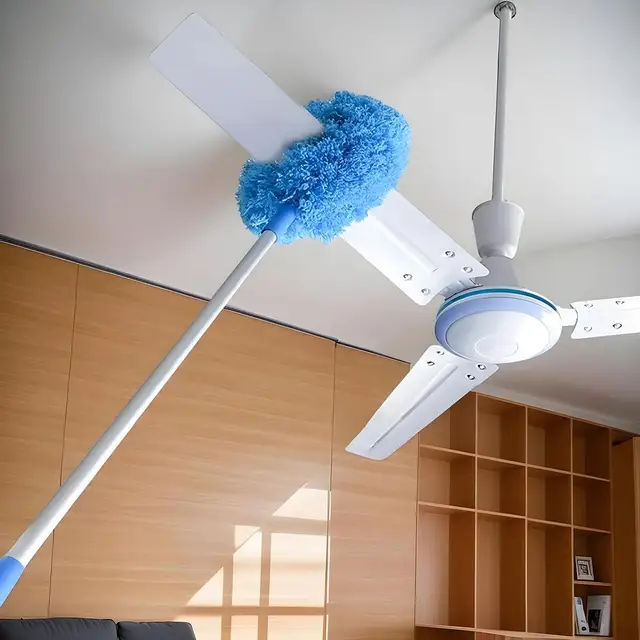
Select tools designed for high places. Use a sturdy, extendable duster or microfiber cloth attached to a pole. Avoid standing on unstable furniture like chairs or small tables. A reliable ladder made for your ceiling height is best. Safety gear such as gloves and non-slip shoes add protection.
Ensuring Stability
Place your ladder on a flat, solid surface. Check that the ladder locks firmly in place. Have someone nearby to hold the ladder steady if possible. Move slowly and avoid sudden motions. Keep your body centered between the ladder rails to maintain balance.
Credit: www.aliexpress.com
Essential Tools
Cleaning ceiling fans on high ceilings requires more than just effort—it demands the right tools. Without them, you might find yourself struggling or risking safety. Having essential equipment at hand makes the task smoother and faster.
Ladders And Step Stools
Choosing the right ladder or step stool is critical. A sturdy ladder with a wide base offers better balance, which is especially important when reaching high ceilings. I once used a lightweight folding ladder that wobbled, making the cleaning stressful and unsafe.
Consider a ladder tall enough to comfortably reach the fan blades without stretching. If you only have a step stool, make sure it’s stable and doesn’t shake. Your safety should always come first—are you confident your ladder or stool can hold your weight steadily?
Cleaning Supplies
Effective cleaning needs the right supplies, not just any cloth or spray. Microfiber cloths work best because they trap dust instead of spreading it around. You can also use a pillowcase to cover each blade and wipe dust inside it, reducing mess.
For cleaning solutions, a gentle all-purpose cleaner or a mixture of water and vinegar is ideal. Avoid harsh chemicals that might damage the fan’s finish or leave residue. Do you have your cleaning supplies ready to tackle dust without causing damage?
Dusting Techniques
Dusting ceiling fans on high ceilings can be tricky, but having the right techniques makes the task easier and safer. Choosing the right tools and methods helps you reach every blade without leaving dust behind. Let’s look at effective ways to keep your fan blades spotless and your air clean.
Using Microfiber Cloths
Microfiber cloths are a game-changer for dusting ceiling fans. They trap dust instead of just moving it around, which means less mess for you to clean up afterward.
Wrap a microfiber cloth around a long-handled duster or mop to safely reach high blades. You can even slightly dampen the cloth to catch finer dust particles, but avoid soaking it to prevent drips.
Have you noticed how microfiber cloths hold onto dust better than regular rags? That’s because of their fine fibers, which grab dust and allergens effectively. This makes your cleaning faster and more thorough.
Vacuum Attachments
Vacuum cleaners with brush attachments are excellent for ceiling fans, especially when you want to avoid dust falling onto your furniture or floor. They suck up dust directly from the blades, minimizing airborne particles.
Use a vacuum with an extendable wand and a soft-bristle brush attachment to gently clean each blade. This method works well if you have allergies or want to reduce dust spread.
Think about the last time you cleaned your fan—did dust settle back quickly? Vacuuming can help prevent that by removing dust completely instead of just pushing it around.
Deep Cleaning Methods
Deep cleaning ceiling fans in high ceilings requires careful attention and the right tools. Dust and grime build up over time, making fans less efficient and unhygienic. Deep cleaning restores their look and improves air quality. Use safe methods to reach and clean each part thoroughly.
Removing Stubborn Dirt
Start by turning off the fan and using a sturdy ladder or extension pole. Use a microfiber cloth dampened with warm water and mild soap. Gently wipe each blade to loosen dirt. For tough grime, use a soft brush or an old toothbrush. Avoid harsh chemicals that can damage the fan’s finish. Dry blades immediately with a clean cloth to prevent streaks and water damage.
Cleaning Fan Blades
Fan blades collect dust quickly and need regular cleaning. Use a pillowcase to trap dust and prevent it from falling. Slip the blade inside the pillowcase and wipe both sides with a damp cloth. This method reduces mess and cleans evenly. For metal or plastic blades, a gentle all-purpose cleaner works well. Remember to clean the motor housing and light fixtures with a dry cloth to avoid moisture damage.
Maintaining Cleanliness
Maintaining cleanliness of ceiling fans in high ceilings keeps air fresh and circulation smooth. Dust and dirt can build up fast on fan blades. This reduces fan efficiency and spreads allergens. Regular care helps avoid tough grime and extends fan life. Simple habits and routines make cleaning easier and safer.
Regular Cleaning Schedule
Set a cleaning routine for your ceiling fans. Clean blades every two to three months. Dust accumulates quickly, especially in dusty or humid areas. Use a microfiber cloth or a duster with an extendable handle to reach high fans. For a deeper clean, wipe blades with a damp cloth and mild soap. Always turn off the fan and wait for it to stop before cleaning.
Preventive Measures
Prevent dirt build-up with some easy habits. Keep windows closed during windy days to reduce dust entry. Use air purifiers to lower airborne dust and allergens. Avoid smoking or burning candles near fans to reduce soot. Cover fans during renovations or heavy dust-producing activities. Regularly check and clean nearby light fixtures and vents to minimize dust sources.

Credit: www.angi.com
Credit: www.tiktok.com
Frequently Asked Questions
How Do I Safely Clean Ceiling Fans With High Ceilings?
Use a sturdy ladder or an extendable duster for safety. Turn off the fan first. Clean blades gently with a microfiber cloth or vacuum with a brush attachment to avoid dust spreading.
What Tools Are Best For Cleaning High Ceiling Fans?
Extendable dusters, microfiber cloths, and vacuum cleaners with brush attachments work best. They allow you to reach high blades safely and remove dust effectively without damaging the fan.
How Often Should I Clean Ceiling Fans On High Ceilings?
Clean high ceiling fans every 3 to 6 months to prevent dust buildup. Frequent cleaning improves air quality and fan efficiency while reducing allergens in your home.
Can I Use Cleaning Sprays On Ceiling Fan Blades?
Yes, use mild, non-abrasive sprays. Spray onto a cloth, not directly on blades, to avoid damaging the motor or creating drips that stain ceilings.
Conclusion
Cleaning ceiling fans on high ceilings is easier with the right steps. Use safe tools and take your time for best results. Regular cleaning keeps fans dust-free and working well. It also helps improve air flow and room comfort. Stay careful and follow safety tips to avoid accidents.
A clean fan makes your home look fresh and neat. Try these simple methods to keep your high ceiling fans spotless. You will enjoy a cleaner, healthier living space every day.