Have you ever finished painting, only to find your paint roller dried out and ruined the next time you need it? It’s frustrating and wastes both your money and time.
But what if you could keep your paint roller fresh and ready for your next project? Learning how to preserve a paint roller is easier than you think, and it can save you from unnecessary trips to the store and messy cleanup.
You’ll discover simple, practical tips that help your roller last longer and work better every time you pick it up. Keep reading to find out how to protect your tools and make your painting projects smoother and more enjoyable.
Choosing The Right Roller
Choosing the right paint roller is crucial for achieving a smooth finish and ensuring your tools last longer. A well-chosen roller can make all the difference between a flawless wall and a streaky mess. But with so many options available, how do you know which one suits your needs? Let’s dive into the types of rollers and how to match them to your paint type.
Types Of Paint Rollers
Paint rollers come in various materials and sizes, each designed for specific surfaces and finishes. Here are some common types:
- Foam Rollers:Ideal for smooth surfaces, these are excellent for gloss and semi-gloss paints.
- Wool Rollers:Perfect for textured walls and ceilings, wool rollers hold more paint and provide a consistent application.
- Microfiber Rollers:Great for a smooth finish, they work well with both latex and oil-based paints.
Have you ever used a roller that just didn’t seem to hold enough paint or left lint on your wall? Choosing the right material can prevent these frustrating issues.
Matching Roller To Paint Type
The type of paint you use is just as important as the roller itself. Matching the roller to the paint ensures optimal coverage and finish.
- Latex Paint:Microfiber or synthetic rollers are the best choice as they provide even coverage without shedding fibers.
- Oil-Based Paint:Opt for natural fiber rollers like wool, which can handle the weight and viscosity of oil paints.
- Specialty Paints:For metallic or textured paints, foam rollers work well, giving a unique finish without streaks.
Have you ever struggled with uneven paint application? Using the right roller can help you achieve that professional look effortlessly.
Cleaning Immediately After Use
Cleaning a paint roller immediately after use keeps it in good shape. Paint dries fast and can ruin the roller if not cleaned right away. Quick cleaning saves time later and makes the roller ready for the next job. Different paints need different cleaning methods. Follow the right process based on the paint type.
Water-based Paint Cleaning
Water-based paints are easier to clean from rollers. Use warm water and mild soap for best results. Rinse the roller under running water to remove excess paint. Work the soap into the roller to break down paint particles. Keep rinsing until the water runs clear. Squeeze out the water gently and let the roller dry upright. Proper drying prevents mold and keeps the roller soft.
Oil-based Paint Cleaning
Oil-based paints need special cleaners like paint thinner or mineral spirits. Pour some thinner into a container and soak the roller. Swirl the roller in the thinner to dissolve the paint. Use gloves to protect your hands from chemicals. After removing the paint, wash the roller with warm soapy water. Rinse well and squeeze out excess water. Let the roller air dry completely before storing it.
Proper Drying Techniques
Proper drying techniques are key to preserving your paint roller and keeping it ready for future use. Drying your roller correctly prevents mold growth and extends the lifespan of the fibers, saving you money and effort. Let’s dive into the best ways to dry your roller without causing damage.
Air Drying Methods
The most effective way to dry your paint roller is by letting it air dry naturally. After thoroughly rinsing out the paint, shake off excess water. Then, stand the roller upright or hang it so air circulates around the fibers.
Try to find a well-ventilated spot away from direct sunlight. Direct sun can weaken the roller’s fibers and cause them to become brittle. Have you ever left a roller in the sun only to find it falling apart the next time you used it?
Using a drying rack or even a simple hook can keep the roller off surfaces where it might collect dust or get squished. Make sure the roller is completely dry before storing it to avoid any lingering moisture.
Avoiding Roller Damage
Improper drying can ruin your roller faster than you might think. Avoid laying the roller flat on a surface as this can deform the nap and create flat spots. Those flat spots mean uneven paint application next time you use it.
Don’t use a hairdryer or any artificial heat source to speed up drying. Heat can melt the adhesive holding the fibers or warp the roller frame. Instead, patience during air drying is a small investment for a longer-lasting tool.
Also, resist the urge to store a damp roller in a plastic bag or container. Trapped moisture leads to mold and unpleasant odors. Have you noticed that musty smell from a roller left in a sealed bag? That’s a sign it’s time to rethink your drying habits.
Credit: www.familyhandyman.com
Storing Your Paint Roller
Storing your paint roller properly helps keep it ready for future use. Clean rollers last longer and work better. The right storage method depends on how soon you plan to use the roller again.
Proper storage stops paint from drying on the roller. It also prevents damage to the roller fibers. This section covers tips for both short-term and long-term storage.
Short-term Storage Tips
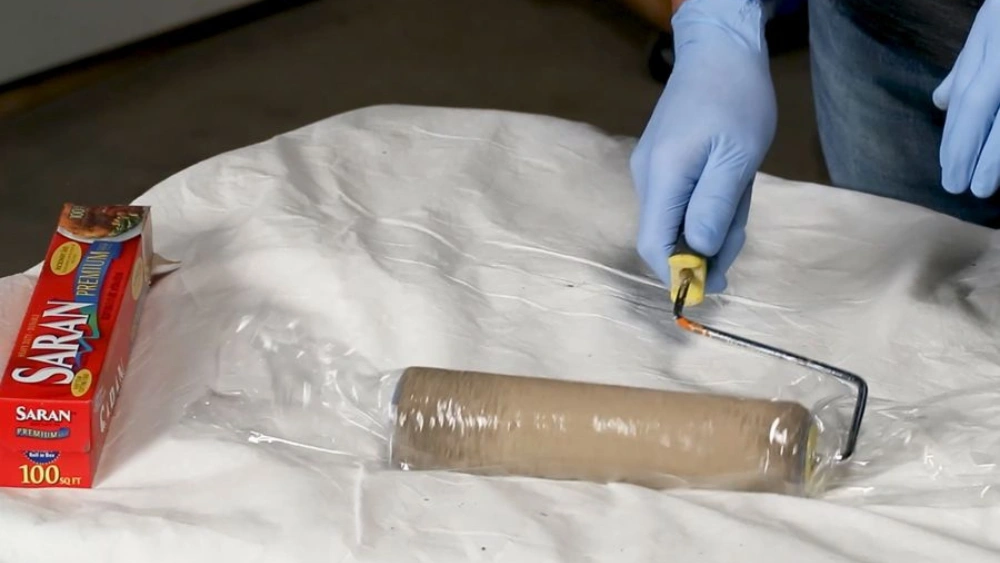
- Wrap the roller tightly in plastic wrap or a plastic bag.
- Seal the ends to keep air out and prevent drying.
- Place the wrapped roller in the refrigerator to slow drying.
- Use within 1 to 2 days for best results.
- Keep the roller handle dry to avoid rust or damage.
Long-term Storage Solutions
- Thoroughly clean the roller with warm water and soap.
- Spin or shake off excess water before drying.
- Let the roller dry completely in a well-ventilated area.
- Store the roller in a clean, dry container or sealed bag.
- Avoid crushing the roller by keeping it in a box or on a shelf.
- Check the roller before reuse to ensure it is free from dust and damage.
Reviving Old Paint Rollers
Reviving old paint rollers can save you money and reduce waste. Instead of tossing out a dried-up roller, you can bring it back to life with a little effort. This not only helps your wallet but also keeps your tools ready for the next project.
Removing Dried Paint
Removing dried paint from a roller might seem tricky, but it’s doable with some patience. Start by soaking the roller in warm, soapy water for at least an hour. This softens the paint, making it easier to scrape off.
Use a putty knife or a stiff brush to gently remove the loosened paint. Be careful not to damage the roller nap while scraping. If the paint is stubborn, try repeating the soaking process or use a specialized paint remover safe for your roller type.
Restoring Roller Nap
After cleaning, the roller nap might feel stiff or matted. You can restore its fluffiness by rinsing it thoroughly under warm water. Then, shake out excess water and use your fingers or a comb to gently lift and separate the fibers.
Let the roller dry completely before storing it to prevent mold or mildew. Have you ever noticed how a well-maintained roller applies paint more smoothly? Keeping the nap in good condition ensures better coverage and a professional finish every time.
Credit: www.familyhandyman.com
Common Mistakes To Avoid
Preserving a paint roller is simple, but many make errors that shorten its life. Avoiding these mistakes saves money and effort. Common mistakes often lead to hardened paint and damaged roller fibers. Understanding what to avoid keeps your roller ready for the next project.
Neglecting Cleaning
Leaving paint on the roller damages it quickly. Dried paint hardens and clogs the fibers. This makes the roller rough and uneven. Clean the roller immediately after use. Use water for latex paint or solvent for oil-based paint. Rinse thoroughly until water runs clear. Skipping cleaning wastes the roller’s usability.
Improper Storage
Storing the roller without care causes deformation and dust buildup. Wrapping a wet roller in plastic traps moisture, leading to mold. Let the roller dry completely before storing. Store it in a dry, dust-free place. Use a roller cover or plastic wrap only if the roller is dry. Improper storage reduces the roller’s lifespan and performance.
Credit: www.tiktok.com
Frequently Asked Questions
How Do I Clean A Paint Roller For Reuse?
Rinse the roller with warm water immediately after use. Use mild soap to remove paint residue. Spin the roller to dry and store it wrapped in plastic.
Can I Preserve A Paint Roller Overnight?
Yes, wrap the roller tightly in plastic wrap or aluminum foil. Store it in the fridge to keep the paint moist overnight.
What Is The Best Way To Store A Paint Roller?
Store the roller in a sealed plastic bag or wrap it tightly. Keep it in a cool, dry place to avoid damage and drying.
How Long Can I Preserve A Paint Roller?
A well-wrapped roller can last 1-2 days without drying. For longer preservation, clean thoroughly and store in an airtight container.
Conclusion
Taking care of your paint roller saves time and money. Clean it well right after use. Let it dry fully before storing. Store rollers in a dry, dust-free place. This keeps the roller fresh for your next project. Small steps make a big difference.
Your paint jobs will look better each time. Keep your tools ready and working longer. Easy to do, and worth the effort.