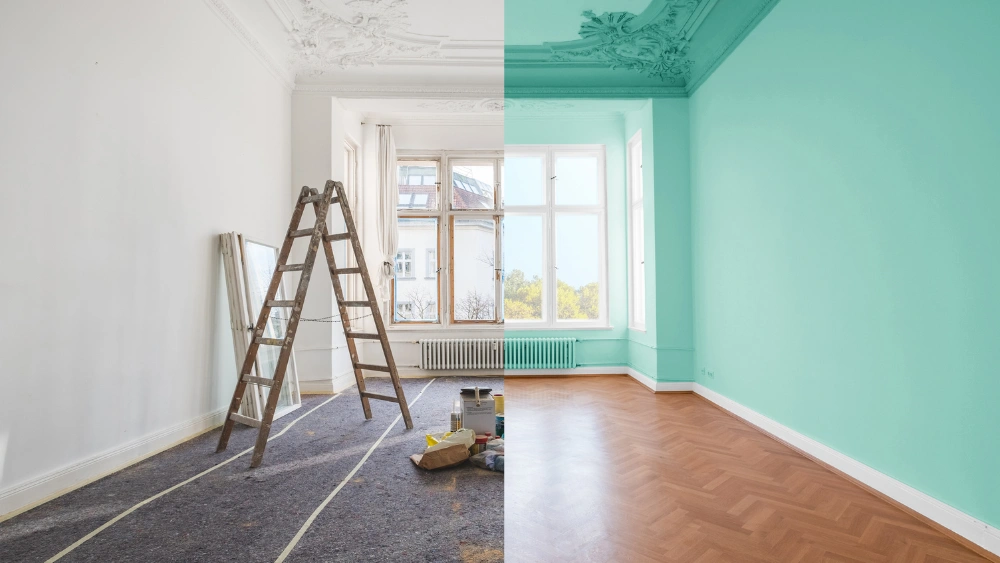
Thinking about giving your home a fresh new look? One of the easiest and most effective ways to do that is by painting the interior.
But before you pick up a brush or call a professional, you’re probably wondering: how much will it actually cost to paint the inside of your house? Knowing the answer can help you plan your budget and avoid any surprises.
You’ll discover the key factors that affect the price, tips to save money, and what to expect at every step. Keep reading to get a clear picture of what painting your home’s interior will really cost you.
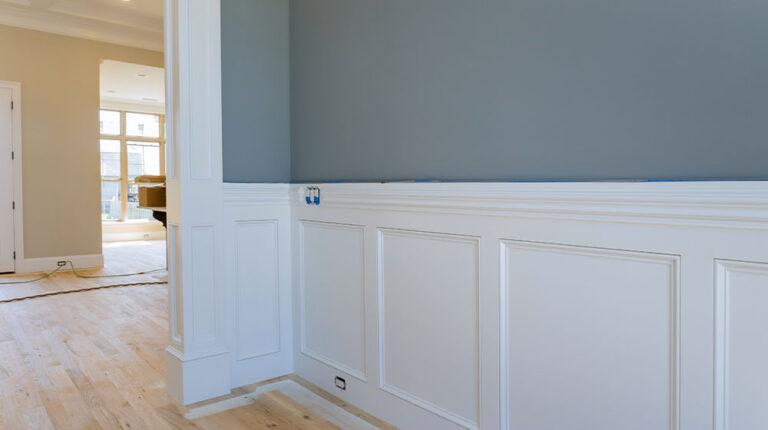
Credit: patchandpaintpros.com
Factors Affecting Painting Costs
Several factors influence the cost to paint the interior of a house. Understanding these helps in planning your budget better. Costs vary depending on the size, materials, and design complexity. Each aspect affects labor time, paint quantity, and equipment needs. Below are key factors that impact painting expenses.
Size Of The Area
The total area to paint directly affects cost. Larger rooms require more paint and more work hours. High ceilings or multiple rooms increase the time needed. Measuring the square footage helps estimate paint quantity and labor costs. Small rooms cost less, but large spaces raise the price significantly.
Type Of Paint
Paint quality and type change the overall expense. Premium paints last longer but cost more upfront. Some paints offer better coverage, reducing the amount needed. Specialty paints, like those for kitchens or bathrooms, usually cost extra. Choose paint based on durability, finish, and budget.
Complexity Of Design
Simple walls are cheaper to paint than intricate designs. Patterns, borders, or multiple colors require more skill and time. Textured walls or surfaces need additional preparation and paint coats. Detailed work raises labor costs and extends project duration. Keep design complexity in mind for accurate estimates.
Average Cost Estimates
Understanding the average cost to paint the interior of your house helps you set a realistic budget. Painting expenses vary based on size, materials, and labor. Knowing typical price ranges makes it easier to plan your project and avoid surprises.
Cost Per Square Foot
Painting usually costs between $1.50 and $4 per square foot. This range depends on factors like paint quality and wall preparation. For example, if your walls need patching or sanding, expect the higher end of the scale.
Keep in mind that ceilings and trim often add to the cost since they require extra attention. If you want premium paint or special finishes, prices will rise too. Have you checked how many square feet you actually need to cover? Measuring carefully can save you money.
Room-specific Costs
Different rooms come with unique challenges that affect costs. Here’s a quick look at average painting costs per room:
| Room | Average Cost Range |
|---|---|
| Bedroom | $300 – $800 |
| Living Room | $400 – $1,000 |
| Kitchen | $350 – $900 |
| Bathroom | $250 – $700 |
Rooms like kitchens and bathrooms may cost more due to moisture-resistant paint and extra prep work. Think about how often you use each room and whether the cost matches your priorities. Would you invest more in a high-traffic area or save by painting less-used spaces yourself?
Labor Costs
Labor costs make up a large part of painting your home’s interior. These costs vary depending on who does the work and the project’s size. Understanding labor expenses helps you budget better and choose the right painting option.
Professional Painters
Hiring professional painters means paying for experience and skill. They usually charge by the hour or by the square foot. Expect rates between $20 and $50 per hour or $1 to $3 per square foot. Professionals bring their own tools and supplies. They also finish the job faster and cleaner. This reduces the chance of mistakes and extra costs. Some painters include prep work, like sanding and priming, in their fees. Always ask what the labor cost covers before hiring.
Diy Considerations
Doing the painting yourself saves money on labor. You only pay for paint and supplies. DIY labor costs are your time and effort. Painting takes several days, depending on skill and space size. Mistakes can lead to costly fixes. Consider if you have the right tools and knowledge. Also, your job might take longer without experience. This can delay your schedule and add frustration. Calculate if your time is worth the savings before starting.
Material Costs
Material costs form a big part of painting your home’s interior. Knowing these costs helps plan your budget well. Paint and supplies vary in price depending on quality and brand. Choosing the right materials can save money and improve results.
Paint Types And Brands
Paint types affect both price and finish. Common types include:
- Latex paint:Water-based, dries fast, easy to clean.
- Oil-based paint:Durable, smooth finish, longer drying time.
- Primer:Prepares walls for paint, improves adhesion.
Popular brands offer different price ranges:
| Brand | Price per Gallon | Quality |
|---|---|---|
| Behr | $30 – $50 | Good |
| Sherwin-Williams | $40 – $70 | High |
| Valspar | $25 – $45 | Average |
Higher quality paint costs more but lasts longer and covers better.
Additional Supplies
Supplies add to the total cost of painting. Essential items include:
- Brushes and rollers
- Painter’s tape
- Drop cloths
- Paint trays
- Sandpaper
- Putty and spackle for wall repairs
These supplies often cost between $20 and $100 depending on quantity.
Buying quality tools improves the painting experience and final look.
Additional Expenses
Painting the interior of your house involves more than just buying paint and brushes. Additional expenses can significantly affect your overall budget. Understanding these costs helps you avoid surprises and plan better.
Preparation Costs
Preparation is key to a smooth painting job, but it often comes with extra expenses. You might need to repair holes, cracks, or water damage before applying paint. These fixes can require materials like spackle, sandpaper, or even professional help.
Think about how much time you’ll spend taping off trim, moving furniture, or removing outlet covers. If you skip these steps, your paint job might look sloppy, costing more in touch-ups later. Do you have the tools and skills to prep your walls properly, or will you pay someone else to do it?
Cleanup Costs
Once the painting is done, cleanup is another expense to consider. Brushes, rollers, and trays need thorough washing or replacement if you want to keep using them. Sometimes, you might need special cleaners for paint spills or stains on floors and furniture.
Consider the time and effort required to tidy up. Hiring a cleaning service after painting can add hundreds to your bill, but it frees you from a tedious task. Would you prefer to spend your weekend scrubbing paint or relaxing in your freshly painted home?
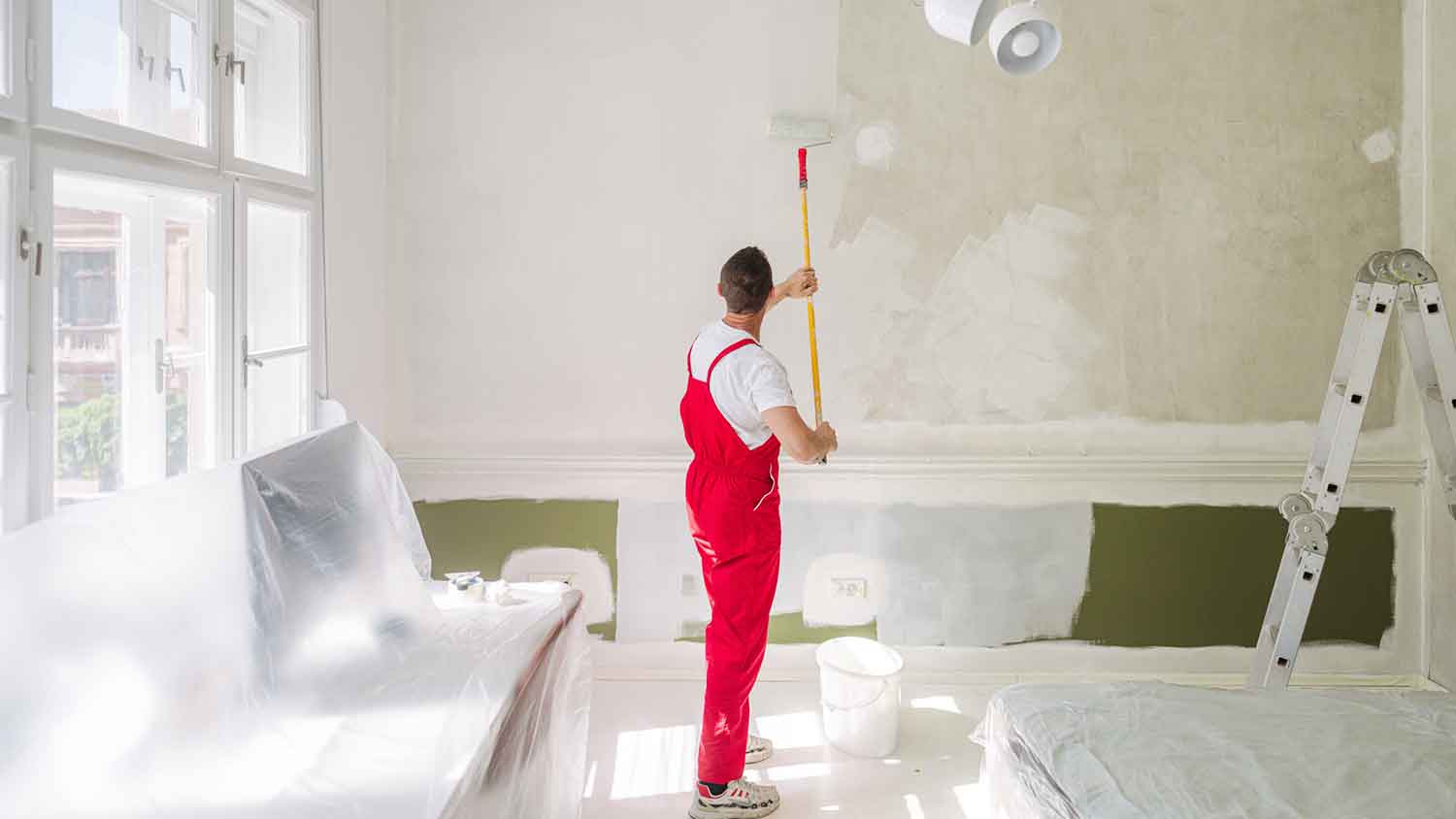
Credit: www.angi.com
Cost-saving Tips
Saving money on interior house painting is possible with smart choices. These cost-saving tips help reduce expenses without lowering quality. Simple changes in materials and techniques make a big difference. Every penny saved adds up in your overall budget.
Choosing Affordable Paints
Pick paints that offer good coverage and durability. High-quality does not always mean expensive. Look for brands with good reviews and fair prices. Buying larger quantities can lower the cost per gallon. Consider paint-and-primer combos to save time and money.
- Buy paints from local stores to avoid shipping fees.
- Choose mid-range paints for balance between cost and quality.
- Use lighter colors to reduce the number of coats needed.
Efficient Painting Techniques
Plan your painting project carefully to avoid waste. Prepare surfaces well to reduce extra coats. Use the right tools like quality brushes and rollers for faster work. Paint in a consistent direction to improve finish and save paint.
- Work room by room to control paint use.
- Use painter’s tape to protect edges and avoid touch-ups.
- Apply paint in thin layers to prevent drips and save paint.
Regional Price Variations
Understanding regional price variations is key when planning to paint the interior of your house. Prices can differ significantly based on where you live, affecting your overall budget. Let’s look closer at how location influences painting costs.
Urban Vs Rural Pricing
Painting costs in urban areas tend to be higher than in rural regions. This is often due to higher labor rates and increased demand for services in cities.
Urban painters may charge more because they face higher living expenses and operate in competitive markets. On the other hand, rural areas might offer lower prices but could have fewer available professionals, which sometimes affects scheduling and quality.
Have you considered how access to materials might also differ? Urban locations usually have more suppliers nearby, reducing material costs and delivery times, while rural areas might see markups due to shipping.
Impact Of Local Economy
The strength of your local economy plays a big role in painting prices. Areas with booming economies and higher average incomes often experience elevated service costs.
If your town is growing fast, painters might increase rates because homeowners have more spending power. Conversely, in places with slower economic growth, painters might lower prices to attract customers.
Think about your community’s economic trends—are people investing in home improvements? This can give you clues about pricing and negotiating power.
Credit: www.angi.com
Trends In Interior Painting Costs
Interior painting costs are shifting as new trends influence what homeowners want and expect. The colors you choose and the techniques used can change not only the look of your space but also the price tag. Understanding these trends helps you plan your budget better and get the most value from your painting project.
Popular Colors
Neutral shades like beige, gray, and soft white still dominate because they create a calming backdrop and match various decor styles. However, many people are now adding bold accent walls with deep blues, forest greens, or even black to make a statement.
These darker or more vibrant colors often require more coats or special primers, which can increase labor and material costs. Are you willing to invest a bit more for a unique color that reflects your personality?
Innovative Techniques
Techniques like textured finishes, color washing, and ombre effects are gaining popularity. These methods add depth and interest but usually take more time and skill, pushing costs higher than standard flat painting.
For example, a sponge or rag-rolled wall might double the labor time compared to a simple roller job. If you want that extra flair, be ready for a pricier quote and consider how much impact these details will have on your daily enjoyment of the space.
Frequently Asked Questions
How Much Does Interior House Painting Usually Cost?
Interior house painting typically costs between $1,500 and $3,500. Factors like house size, paint quality, and labor affect prices. On average, expect to pay $2 to $6 per square foot for professional painting services.
What Factors Influence The Cost Of Interior Painting?
Cost depends on room size, paint type, surface condition, and labor rates. Additional features like trim, ceilings, and prep work also raise expenses. Location and contractor experience further impact the final price.
How Can I Reduce My Interior Painting Expenses?
You can save by painting smaller areas yourself or choosing standard paint colors. Proper surface preparation minimizes extra costs. Getting multiple quotes from painters helps find competitive pricing. Scheduling during off-peak seasons may also lower prices.
Is Painting Ceilings Included In Interior Painting Costs?
Painting ceilings is often an extra service and may cost more. Confirm with your painter if ceiling work is included in the base price. Ceiling height and texture can affect the additional charge.
Conclusion
Painting your home’s interior depends on many factors. Room size, paint type, and labor affect the total cost. Choosing the right paint and hiring skilled painters helps save money. Planning your budget carefully avoids surprises. A fresh coat of paint can brighten your space and add value.
Taking time to compare prices leads to better decisions. Ready to give your home a new look? Now you know what to expect with painting costs.






