Are you wondering if a space heater can save you money on your energy bills? You’re not alone.
Many people face chilly rooms and high heating costs and want a simple, affordable solution. But is a space heater really cost effective? Before you buy one, you need to know how it works, how much it costs to run, and if it fits your needs.
Keep reading to discover the truth about space heaters and how they can impact your budget. This might change the way you heat your home this winter.

Credit: www.familyhandyman.com
Evaluating Space Heater Efficiency
Evaluating the efficiency of a space heater is key to understanding if it’s a cost-effective choice for your home. Efficiency isn’t just about how fast a heater warms a room, but also how much energy it uses to do so. Let’s break down the factors that affect efficiency and help you decide if a space heater fits your budget and heating needs.
Types Of Space Heaters
Space heaters come in several types, each with unique heating methods and efficiency levels.
- Convection heaterswarm the air around them, making them great for heating entire rooms slowly and evenly.
- Radiant heatersheat objects and people directly, offering quick warmth for smaller spaces or personal use.
- Fan-forced heatersuse a fan to push warm air around, speeding up the heating process but often using more electricity.
- Oil-filled heatersretain heat well and provide steady, long-lasting warmth, though they take longer to heat up.
Knowing which type suits your space and how you use it can save you money on energy bills.
Energy Consumption Metrics
Understanding energy consumption helps you gauge how much a space heater will cost to run. Most space heaters have wattage ratings between 750 and 1500 watts.
To estimate daily cost, use this simple formula:
| Formula | Explanation |
|---|---|
| Wattage (kW) × Hours Used × Cost per kWh | Calculate kWh by dividing wattage by 1000, then multiply by hours used and your electricity rate. |
For example, a 1500-watt heater running 5 hours a day at $0.12 per kWh costs about $0.90 daily. This can add up, so consider how often and how long you’ll use the heater.
Comparing Costs With Central Heating
Is using a space heater cheaper than your central heating system? The answer depends on your home size and heating habits.
- Space heaters are ideal for heating small areas or single rooms. If you spend most of your time in one spot, a space heater can cut down your central heating use and save money.
- Central heating efficiently warms an entire house, but it often runs longer and uses more fuel or electricity overall.
- If your home has poor insulation, central heating might waste energy, making a space heater a better option for targeted warmth.
Ask yourself: do you really need to heat the whole house, or just the room where you spend most time? Your answer will guide your choice and impact your heating bills.

Credit: www.dreo.com
Factors Influencing Cost Effectiveness
Understanding what affects a space heater’s cost effectiveness helps make smart choices. Several key factors impact how much you spend and save with a space heater. These include the size of the room, how well it holds heat, how often the heater is used, and the cost of electricity in your area.
Room Size And Insulation
The size of the room changes how much energy a space heater needs. Large rooms require more power to heat evenly. Small rooms warm up faster and use less electricity. Insulation plays a big role too. Well-insulated rooms keep heat inside longer, reducing heater use. Poor insulation causes heat to escape, raising energy costs.
Usage Patterns
How often and how long you use a space heater affects its cost. Running it all day will increase your bill quickly. Using the heater only when needed saves money. Turning it off when you leave the room helps too. Consistent, short bursts of heat are more efficient than long sessions.
Electricity Rates
Electricity prices vary by location and time of day. Higher rates make space heaters more expensive to run. Some areas have lower prices at night or weekends. Using a heater during cheaper hours can reduce costs. Checking your local rates helps plan the best heating times.
Smart Savings Strategies
Smart savings strategies help reduce the cost of using a space heater. Small changes in how you use the heater can save energy and money. Focus on placement, features, and control options for better efficiency.
Optimal Placement Tips
Place the space heater near the area you use most. Keep it away from doors and windows to avoid heat loss. Use it in small, closed rooms for faster warming. Avoid placing heaters under furniture or behind curtains.
Energy-saving Features
Choose heaters with energy-saving modes to reduce power use. Look for models with adjustable heat settings. Some heaters have eco-modes that use less electricity. Features like fan-only mode can help spread warmth efficiently.
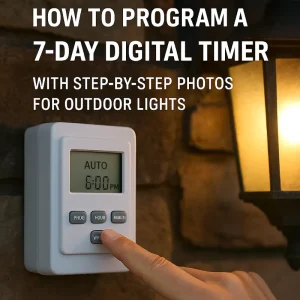
Using Timers And Thermostats
Set timers to turn the heater off when not needed. Use programmable thermostats to keep a steady, comfortable temperature. This stops overheating and cuts down energy waste. Timers and thermostats make heating more precise and cost-effective.
Environmental Impact
Understanding the environmental impact of space heaters is important. These devices use electricity or fuel to create heat. The source of energy affects their effect on the environment. Choosing the right type can reduce pollution and save resources.
Emissions And Energy Sources
Space heaters powered by fossil fuels release carbon dioxide. This gas contributes to global warming. Electric heaters’ impact depends on how electricity is made.
- Electricity from coal or gas plants produces more emissions.
- Electricity from renewable sources like wind or solar is cleaner.
- Some space heaters burn oil or propane, which emit pollutants.
The cleaner the energy source, the lower the environmental harm.
Sustainable Practices
Using energy-efficient space heaters lowers energy use. Models with thermostats and timers waste less power.
- Turn off heaters in empty rooms.
- Keep doors and windows closed to retain heat.
- Regular maintenance ensures heaters work well.
Combine space heaters with good insulation for best results. This reduces overall energy demand and helps the planet.
Consumer Considerations
Choosing a space heater involves more than just picking the model that looks good or has the highest wattage. You need to think about your budget, how much effort you’ll need to keep it running smoothly, and how safe it is for your home environment. These factors will help you decide if a space heater is truly a cost-effective solution for your heating needs.
Initial Investment Vs. Long-term Savings
Space heaters often come with a lower upfront cost compared to central heating systems. However, the price you pay initially is just one part of the picture.
Consider how much you’ll spend on electricity or fuel to run the heater over the winter months. A cheaper heater might consume more energy, leading to higher bills. On the other hand, energy-efficient models might cost more upfront but save you money in the long run.
Ask yourself: Will the heater reduce your reliance on your main heating system enough to justify its cost?
Maintenance And Durability
A space heater that breaks down frequently or needs costly repairs can quickly become a bad investment. Some models require regular cleaning or filter changes to keep running efficiently.
Think about how much time and effort you’re willing to spend on upkeep. Durability is key—look for heaters with good warranties and positive user reviews about their lifespan.
Remember, a well-maintained heater not only lasts longer but also operates more efficiently, saving you money over time.
Safety Features
Safety should never be an afterthought with any heating appliance. Space heaters can pose risks like fire hazards or burns if they lack proper safety mechanisms.
Look for features such as automatic shut-off if the heater tips over, overheat protection, and cool-touch exteriors. These can prevent accidents and give you peace of mind, especially if you have children or pets.
Would you sacrifice a few extra dollars for added safety that could protect your family and home?
Alternative Heating Solutions
Alternative heating solutions offer different ways to warm your home. They can provide cost savings and comfort beyond space heaters. Some options use less electricity and heat more evenly. Others improve energy efficiency over time. Exploring these choices helps find a system that fits your budget and needs.
Comparing Heat Pump Systems
Heat pumps move heat from outside to inside your home. They work well in mild to moderate climates. Heat pumps use electricity but can save money by using less energy.
- They provide both heating and cooling.
- Installation costs are higher than space heaters.
- They run quietly and need little maintenance.
- Efficiency drops in very cold weather.
Heat pumps can reduce monthly heating bills if used properly.
Pros And Cons Of Radiant Floor Heating
Radiant floor heating warms rooms from the ground up. It uses hot water tubes or electric mats under the floor.
- It offers steady, even heat without drafts.
- Comfort improves as floors stay warm to touch.
- Installation is expensive and best during new construction.
- Repairs can be difficult and costly.
This system is energy efficient but needs time to heat a room.
Credit: www.consumerreports.org
Frequently Asked Questions
Is Using A Space Heater Cheaper Than Central Heating?
Space heaters can be cheaper if used to heat small areas. Central heating is more efficient for whole-house warmth. Using space heaters selectively reduces energy costs and increases cost-effectiveness in specific rooms.
How Much Does A Space Heater Cost To Run?
Running costs vary by heater type and energy rates. On average, a space heater uses about 1. 5 kWh per hour. This translates to roughly 15-20 cents per hour, depending on your electricity price.
Are Space Heaters Energy Efficient For Home Heating?
Modern space heaters with thermostats and timers are energy efficient. They provide targeted warmth without heating unused spaces. This focused heating reduces overall energy consumption compared to heating an entire home.
Can Space Heaters Increase Electricity Bills Significantly?
Space heaters can raise bills if used excessively or continuously. Using them in small, occupied rooms helps control costs. Monitoring usage and energy rates minimizes unexpected increases in electricity bills.
Conclusion
Space heaters can save money when used correctly. They heat small spaces efficiently and reduce overall energy use. Choosing the right model matters for cost savings. Running a space heater only when needed keeps bills low. Safety is important; never leave heaters unattended.
Balancing comfort and expenses helps decide if a space heater fits your needs. Small steps make a big difference in home heating costs.