
Are you wondering if it’s safe to place a space heater on your carpet? You’re not alone.
Many people want to keep warm without risking damage to their floors or, worse, a fire hazard. The answer isn’t as simple as yes or no—it depends on several important factors you need to know. Keep reading to discover how to use your space heater safely and protect your home and loved ones.
Space Heater Safety Basics
Using a space heater can help warm up a room quickly. Safety must come first to avoid accidents. Knowing the basics of space heater safety helps protect your home and family.
Space heaters generate heat that can cause fires if not used properly. Follow simple rules to keep your space heater safe. These basics reduce risks and keep the heater working well.
Proper Placement Of Space Heaters
- Place the heater on a flat, stable surface.
- Keep it away from furniture, curtains, and other flammable items.
- Do not put space heaters on carpets or rugs without a protective barrier.
- Maintain at least 3 feet of clearance around the heater.
- Pick a heater with an automatic shut-off feature.
- Look for heaters with tip-over protection.
- Select heaters with cool-to-touch surfaces.
- Use heaters with certification from safety organizations.
Safe Operation Practices
- Never leave a space heater unattended.
- Turn off the heater before leaving the room or sleeping.
- Plug the heater directly into a wall outlet, not an extension cord.
- Check cords and plugs regularly for damage.
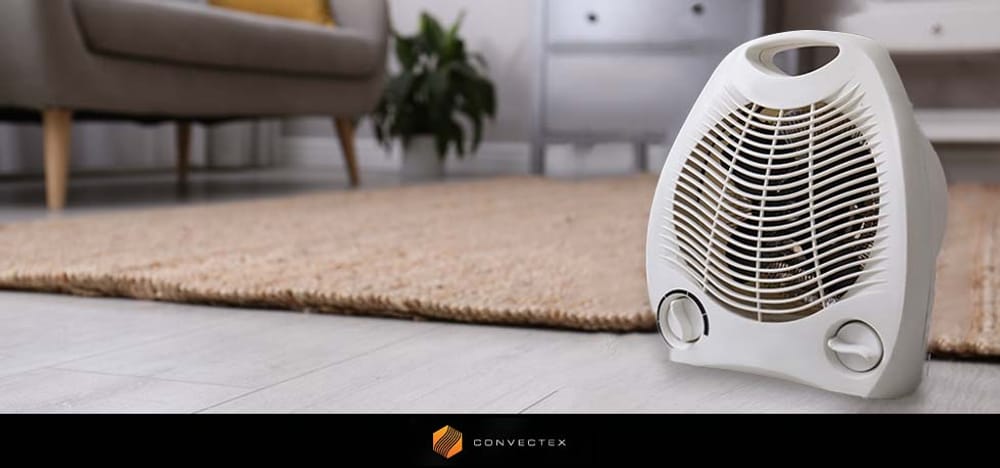
Credit: convectex.com
Potential Risks On Carpet
Using a space heater on carpet might seem convenient, but it carries some important risks you should know about. Carpets can affect how heat disperses, potentially creating unsafe conditions. Understanding these dangers helps you keep your home safe while staying warm.
Fire Hazards
Space heaters generate a lot of heat, and placing them directly on carpet increases the risk of fire. Carpets, especially those made of synthetic fibers, can catch fire if the heater overheats or tips over.
Think about how often you walk by your heater. If it accidentally gets covered by a blanket or clothes left on the carpet, the heater can trap heat and ignite nearby materials. Have you ever left a heater unattended? That’s when the danger spikes.
To reduce fire risk, always place your heater on a hard, flat surface or use a non-flammable mat. Make sure there’s at least three feet of clearance around the heater at all times.
Overheating Concerns
Carpet can block the heater’s air vents, causing it to overheat quickly. When the heater can’t cool itself properly, internal components may fail or even cause a fire.
Overheating can also shorten your heater’s lifespan, leading to costly replacements or repairs. Have you noticed your heater shutting off unexpectedly? It might be overheating as a safety response.
To avoid this, check the heater’s manual for placement advice and never put it on thick carpet or rugs. Elevating the heater slightly or using a hard, heat-resistant base can keep air flowing and prevent overheating.
Choosing The Right Space Heater
Choosing the right space heater is key to safe and efficient heating. Not all heaters work well on carpeted floors. Some models can cause damage or pose fire risks. Knowing the types and features helps pick a heater that fits your space and needs. This guide explains important points to consider.
Types Of Space Heaters
- Convection Heaters:Warm air circulates to heat the room evenly. Quiet and good for continuous use.
- Radiant Heaters:Heat objects and people directly using infrared light. Ideal for small, focused areas.
- Fan Heaters:Use a fan to blow warm air quickly. Good for fast heating but can be noisy.
- Oil-Filled Heaters:Contain oil that heats up slowly and stays warm longer. Safe and energy efficient.
Features To Look For
- Overheat Protection:Automatically shuts off if the heater gets too hot.
- Tip-Over Switch:Turns off the heater if it falls over. Important for carpet use.
- Adjustable Thermostat:Allows setting a comfortable temperature and saves energy.
- Cool-Touch Exterior:Prevents burns by keeping the surface safe to touch.
- Timer Function:Enables scheduling on and off times for convenience and safety.

Credit: www.facebook.com
Proper Placement Techniques
Placing a space heater correctly is vital for both safety and efficiency. Improper placement can lead to fire hazards or inefficient heating. Understanding where and how to position your heater on carpet ensures you stay warm without risking damage or danger.
Distance From Objects
Keep your space heater at least 3 feet away from anything flammable, such as furniture, curtains, or papers. This distance reduces the risk of accidental fires and allows heat to disperse evenly. Have you noticed how cramped spaces around heaters can make rooms feel stuffy? Giving your heater room to breathe improves airflow and warmth.
Also, avoid placing the heater directly under shelves or near items that could fall onto it. Even small objects can block vents and cause overheating. Think about your room layout—where can your heater stand free and clear?
Stable Surface Considerations
Carpet might seem soft and cozy, but it’s not always the best surface for a space heater. Heaters need a flat, stable base to prevent tipping over. If your carpet is thick or uneven, consider placing a solid, heat-resistant board underneath.
I once placed a heater directly on a plush rug, only to find it wobbled dangerously. Adding a wooden board solved the problem instantly. You want your heater steady, so it won’t fall or cause sparks.
Think about the type of carpet too—low-pile carpets work better than thick ones. Always ensure your heater’s feet or base make full contact with the surface to maintain balance and safety.
Maintenance And Inspection
Maintaining and inspecting a space heater is crucial for safe use, especially on carpeted floors. Regular checks help prevent accidents and keep the heater working efficiently. Careful upkeep extends the heater’s life and protects your home from fire risks.
Regular Cleaning
Dust and dirt can build up inside and outside the heater. This buildup blocks airflow and causes overheating. Clean the heater’s vents and surface with a soft cloth often. Avoid using water or liquid cleaners to prevent electric shock. Remove dust with a vacuum or a brush on low power. Keeping the heater clean helps it run smoothly and safely.
Checking For Damage
Inspect the heater for cracks, frayed cords, or broken parts before each use. Damage can cause electric shorts or fires. Make sure the plug fits securely into the outlet. Never use a heater with exposed wires or loose parts. Replace damaged cords or parts immediately. Regular inspections protect you from unexpected malfunctions and hazards.
Alternatives To Carpet Placement
Placing a space heater directly on carpet can cause safety risks and damage. There are simple alternatives that protect both your floor and your heater. These methods ensure safe heat distribution and reduce fire hazards. Consider options that create a stable, heat-safe surface beneath the heater.
Using Heat-resistant Mats
Heat-resistant mats provide a safe barrier between the heater and carpet. These mats are made from materials that can handle high temperatures. They prevent heat buildup and stop carpet fibers from melting or catching fire. Place the mat flat on the floor and set the heater on top. This setup keeps heat away from the carpet and adds stability.
Elevating The Heater
Elevating the heater lifts it off the carpet and improves air circulation. Use a small, sturdy platform made of wood or metal. Ensure the platform is stable and can support the heater’s weight. Elevation reduces direct contact with carpet fibers and lowers fire risk. It also helps the heater warm the room more evenly by allowing air to flow underneath.
Additional Safety Measures
Using a space heater on carpet raises important safety questions. Beyond placement, you need to protect your home from hidden risks. Adding extra safety measures can give you peace of mind and keep your space heater use worry-free.
Smoke Alarms
Smoke alarms are your first line of defense against fire hazards. Make sure every room with a space heater has a working smoke alarm. Test them monthly to ensure they respond quickly in case of trouble.
If you don’t have enough smoke alarms, add more near carpets and heating areas. This simple step can save lives by alerting you early to any overheating or sparks. Have you checked the batteries in your alarms recently?
Carbon Monoxide Detectors
Carbon monoxide (CO) is a silent danger, especially if your heater uses fuel like propane or kerosene. Even electric heaters sometimes cause issues if wiring isn’t safe. Installing CO detectors near your heating areas is crucial.
These detectors alert you before CO levels become harmful. Position them at breathing height and away from direct airflow. Don’t forget to test and replace batteries regularly to keep them effective.

Credit: roarmag.org
Frequently Asked Questions
Can You Safely Place A Space Heater On Carpet?
Placing a space heater directly on carpet is not recommended. Carpet can trap heat, increasing fire risk. Always use a hard, flat surface to ensure stability and proper heat dissipation for safety.
What Risks Come With Putting Heaters On Carpet?
Carpets can overheat and catch fire if a heater is placed on them. The soft surface may block vents, causing the heater to malfunction. This can lead to fire hazards and damage to both carpet and heater.
How To Prevent Fire Hazards With Space Heaters?
Keep space heaters on hard surfaces and away from flammable materials. Maintain at least three feet of clearance around the heater. Never leave heaters unattended, and regularly inspect cords and plugs for damage.
Can A Space Heater Damage Carpet Fibers?
Yes, space heaters can damage carpet fibers through excessive heat. Prolonged contact may cause melting, discoloration, or burns. Using a heat-resistant mat under the heater can protect your carpet and extend its life.
Conclusion
Placing a space heater directly on carpet can be risky. Carpets may block airflow and cause overheating. Always check the heater’s instructions before use. Use a hard, flat surface for safer heating. Keep the heater away from flammable materials around it.
Regularly inspect the heater for damage or dust. Stay safe and enjoy warm, cozy rooms without worry. Safety first. Simple steps make a big difference.






