You love spending time on your patio, but your dog sees your furniture as their new favorite spot. It’s frustrating when your carefully chosen cushions get dirty or damaged.
You want to enjoy your outdoor space without worrying about cleaning up after your furry friend. But how do you keep your dog off the patio furniture without hurting your bond? In this post, you’ll discover simple, effective ways to protect your furniture and keep your dog happy.
Keep reading to find out how to create a peaceful patio everyone can enjoy.

Credit: www.amazon.com
Understanding Dog Behavior
Understanding why your dog climbs onto patio furniture can help you address the behavior more effectively. Dogs don’t just jump on chairs or sofas out of mischief; they often have specific reasons that stem from their instincts and needs. Recognizing these motives will give you the insight to guide your dog toward better habits.
Reasons Dogs Climb Furniture
Dogs often climb on patio furniture to seek comfort, warmth, or a better view of their surroundings. If your dog is feeling anxious or wants to be closer to you, the furniture becomes a natural spot to settle. Sometimes, it’s simply about claiming a space that smells like their favorite person.
Have you noticed your dog jumping on a chair right after you leave the patio? This could mean they want to keep your scent close, which offers them reassurance. Dogs also climb on furniture to escape heat or cold from the ground, especially during extreme weather.
Behavioral Patterns To Watch
Watch for signs that your dog is about to climb on furniture, such as pacing near the patio set or looking up at the cushions. Repeated attempts to jump up despite being told no can indicate they’re not just exploring but trying to communicate a need. You might catch your dog circling or sniffing the furniture before settling in.
Does your dog only climb on furniture when guests arrive or when they’re left alone? This could point to social anxiety or a desire to be part of the group. Tracking these patterns helps you decide whether to provide alternative comfort spots or work on confidence-building exercises.
Training Techniques
Training your dog to stay off patio furniture requires patience and clear communication. Dogs learn best through simple, consistent guidance. Training techniques help teach boundaries and encourage good behavior. These methods focus on rewarding positive actions and using clear commands. Consistent training builds trust and understanding between you and your dog. This creates a peaceful outdoor space for everyone.
Positive Reinforcement Methods
Positive reinforcement means rewarding your dog for good behavior. This encourages your dog to repeat those actions. Use treats, praise, or toys as rewards. For example, when your dog stays off the furniture, give a treat immediately. This helps your dog connect staying off the furniture with a positive outcome.
Use a calm, happy voice to praise your dog. This helps your dog feel safe and loved. Avoid punishment or harsh words. These can cause fear and make training harder. Instead, focus on rewarding the behavior you want to see more often.
Consistency In Commands
Use the same words for commands every time. This helps your dog understand what you want. For example, say “off” clearly when your dog gets on the furniture. Use a firm but gentle tone. Repeat the command consistently during training sessions and daily life.
Make sure all family members use the same commands and rules. Mixed messages confuse your dog and slow learning. Consistency helps your dog learn faster and remember better. Keep training sessions short and frequent to keep your dog’s attention.
Physical Barriers
Physical barriers are one of the most straightforward ways to keep dogs off your patio furniture. They create a clear boundary that your dog can recognize, reducing confusion about where they are allowed to be. Setting up these barriers not only protects your furniture but also helps train your dog to respect designated areas.
Using Covers And Guards
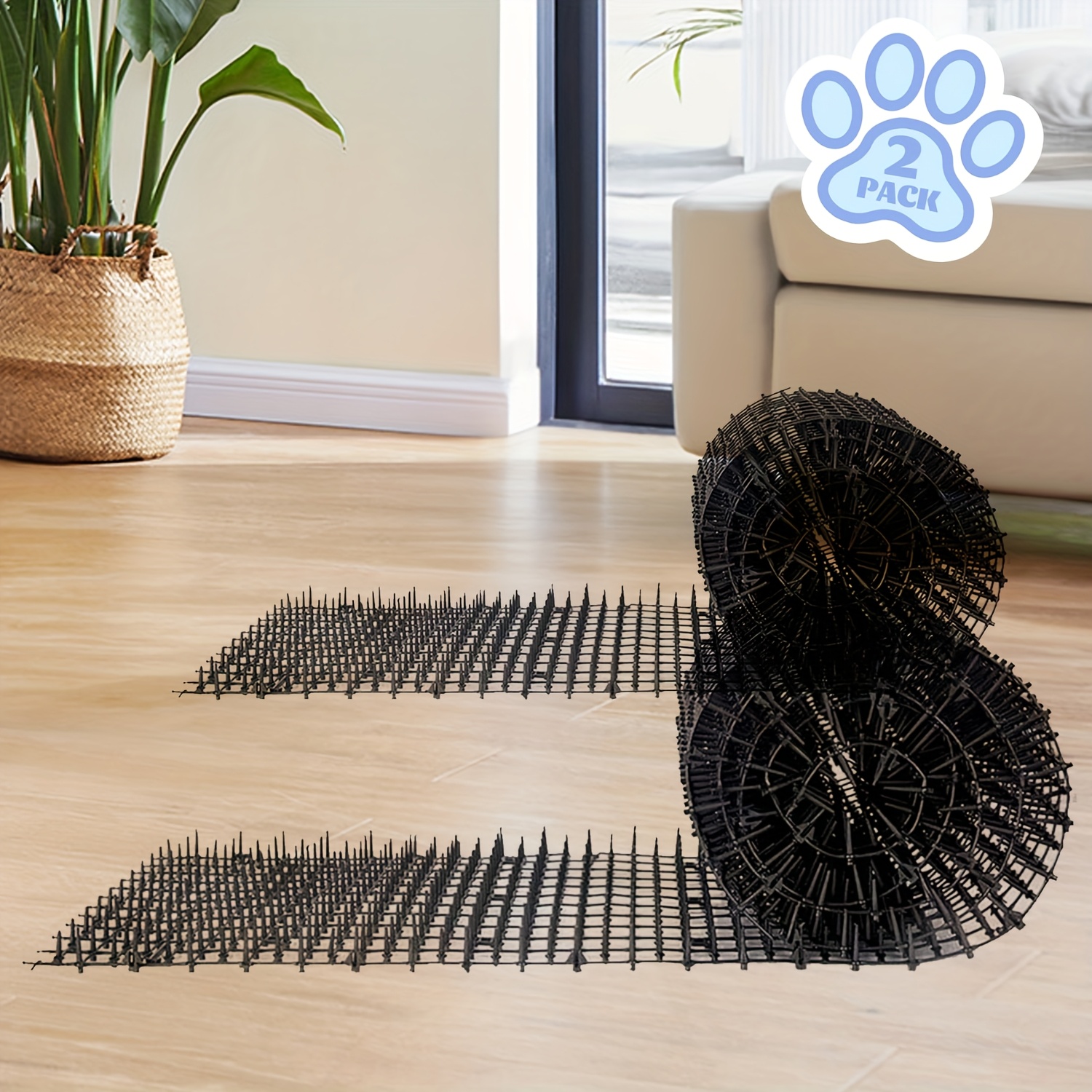
Covers and guards act as a simple shield between your dog and the furniture. Using waterproof, scratch-resistant covers can protect cushions from dirt and claw marks. You might also try pet-specific guards—like plastic mats with nubs—that make the surface uncomfortable for dogs to sit or lie on.
Think about your dog’s habits. Does your dog like to jump up suddenly? Installing armrest or corner guards can prevent damage in those vulnerable spots. These solutions are easy to remove and clean, making them practical for busy patios.
Designing Pet-friendly Spaces
Have you created a cozy spot just for your dog near your patio furniture? A pet-friendly area with a comfy bed or shaded nook can lure your dog away from the furniture. Adding toys and chew items in that space keeps your dog busy and content.
Consider barriers like low fences or planters to separate the pet zone from your main seating. This not only keeps your dog off the furniture but also helps define the patio layout for everyone’s comfort. What small changes can you make today to give your dog their own special place outside?
Credit: www.temu.com
Repellents And Deterrents
Keeping your dog off patio furniture can be a challenge, especially if your furry friend loves to lounge in your favorite outdoor spots. Repellents and deterrents offer practical ways to protect your furniture without causing harm or distress to your pet. These solutions can help create clear boundaries while maintaining a happy environment for both you and your dog.
Natural Repellent Solutions
Many natural repellents are safe and easy to use around your home. Citrus peels, such as orange or lemon, have a strong scent that dogs tend to avoid. Simply scatter peels on your furniture or use a spray made from diluted citrus juice.
Another option is vinegar. Its sharp smell can discourage dogs from jumping on your patio chairs or tables. Mix equal parts of water and white vinegar in a spray bottle and apply it to the furniture surface.
Essential oils like lavender or eucalyptus also work well, but be cautious with the amount and type since some oils can be harmful to pets if used excessively. Always test a small area first and observe your dog’s reaction.
Commercial Deterrent Products
There are many products designed specifically to keep dogs off furniture. Spray repellents often contain bitter or unpleasant tastes that discourage chewing or jumping. You can find these sprays at pet stores or online, and they are usually safe for both pets and furniture.
Another effective product is motion-activated deterrents. These devices emit a harmless burst of air or a sound when your dog gets too close to the furniture. It’s an immediate and clear signal that the area is off-limits.
Consider using pet mats with built-in deterrents. These mats create an uncomfortable surface for dogs, making your patio furniture less appealing without causing pain.
Have you tried any of these methods before? Sometimes a combination of natural and commercial options works best to keep your dog respectful of your outdoor space.
Alternative Comfort Options
Providing alternative comfort options helps keep dogs off patio furniture. Dogs seek cozy spots to relax and feel safe. Offering them a dedicated area for rest satisfies this need. It reduces their interest in human furniture and protects your patio setup.
Creating Doggy Lounging Areas
Design a special space just for your dog outdoors. Use soft dog beds or mats that are easy to clean. Place the lounging area in a shaded, quiet spot. Add some toys or blankets to make it inviting. This space becomes their personal retreat, away from patio furniture.
Selecting Pet-friendly Furniture
Choose outdoor furniture designed to handle pets. Look for durable materials like metal, plastic, or treated wood. Avoid fabrics that stain or tear easily. Pet-friendly furniture is easier to clean and maintain. It also discourages dogs from jumping on delicate pieces.
Maintaining Consistency
Maintaining consistency is key to keeping your dog off patio furniture. Dogs thrive on clear, steady signals. If you allow your dog on the furniture sometimes but not others, it confuses them and makes training much harder.
Routine And Discipline
Create a daily routine that reinforces your rules. For example, if you don’t want your dog on the patio sofa, always gently guide them off whenever they jump up. Over time, they learn what’s expected without needing constant correction.
Discipline doesn’t mean harsh punishment—it means being firm and predictable. If you allow the dog on the furniture one day but scold them the next, they won’t understand the boundary. Consistency in your reactions helps your dog respect the rules.
Family Involvement In Training
Everyone in the household must follow the same guidelines. If one family member lets the dog on the patio furniture, it undermines the training efforts. Agree on the rules together and remind each other to stay consistent.
Involve children by teaching them how to gently remove the dog from furniture and reward good behavior. This turns training into a team effort and strengthens the message for your dog. Have you noticed how your dog tests boundaries more when family members disagree?
Monitoring And Adjusting Strategies
Keeping dogs off patio furniture needs ongoing attention. Monitoring and adjusting your approach helps keep your outdoor space clean and damage-free.
This process involves checking how well your current methods work and making changes as needed. Pets change behavior over time, so strategies must evolve too.
Assessing Effectiveness
Watch your dog’s reaction to your efforts closely. Notice if they avoid the furniture or keep jumping on it.
Look for signs like scratches, hair, or dirt on the furniture. These clues tell you if your strategy works or not.
Keep a simple log or notes about your observations. This helps identify patterns and decide if changes are necessary.
Adapting To Changes
Dogs may lose interest in one method but try another. Be ready to switch tactics to keep them off furniture.
Try different deterrents like scents, barriers, or training techniques. Some dogs respond better to specific methods.
Adjust timing and consistency of your approach. Regular reinforcement improves success and keeps dogs away from furniture.

Credit: ultradecking.co.uk
Frequently Asked Questions
How Can I Train My Dog To Avoid Patio Furniture?
Use consistent commands and positive reinforcement to train your dog. Reward good behavior and redirect them when they approach furniture. Patience and repetition are key to success.
What Natural Repellents Keep Dogs Off Patio Furniture?
Citrus peels, vinegar spray, and commercial pet repellents can deter dogs. Apply these around furniture edges to discourage your dog from jumping or sitting there.
Are Covers Effective For Protecting Patio Furniture From Dogs?
Yes, waterproof and durable covers protect furniture from dirt and scratches. They also discourage dogs by making surfaces less comfortable to sit on.
Can I Use Physical Barriers To Keep Dogs Off Patio Furniture?
Yes, installing fences, gates, or pet playpens limits access. Barriers prevent your dog from reaching furniture and help establish clear boundaries.
Conclusion
Keeping dogs off patio furniture takes patience and clear rules. Use barriers or sprays to protect your chairs. Provide a comfy dog bed nearby instead. Praise your dog when they stay off furniture. Consistency helps your pet learn faster. Small changes bring big results over time.
Enjoy a clean patio and happy dog together. Your efforts will pay off with a peaceful outdoor space.