
Looking to create a cozy outdoor space without spending a fortune? Making pallet patio furniture is a smart and stylish way to transform your backyard.
Imagine relaxing on a comfortable, custom-made sofa or enjoying meals at a unique table crafted by your own hands. You don’t need special skills or expensive tools to get started. In this guide, you’ll discover simple steps to turn ordinary pallets into beautiful, durable furniture that suits your style and space.
Ready to build your perfect patio setup? Let’s dive in!
Choosing The Right Pallets
Choosing pallets with sturdy wood and no cracks ensures strong patio furniture. Check for clean surfaces and avoid pallets treated with harmful chemicals. Proper selection makes your project safer and longer-lasting.
Choosing the right pallets is the first step in crafting durable and stylish pallet patio furniture. Not all pallets are created equal, and picking the right ones can make or break your project. Imagine spending a sunny afternoon lounging on your newly crafted furniture, knowing it’s both safe and sturdy. Let’s dive into how you can select the best pallets for your DIY adventure.Types Of Pallets To Use
When selecting pallets, consider their intended use and origin. Hardwood pallets, often used for heavy-duty shipping, are ideal for furniture due to their strength and durability. Softwood pallets, while lighter, may not withstand long-term wear and tear. Look for stamps indicating the pallet’s treatment process. “HT” means heat-treated, making it safe for indoor and outdoor use. Avoid “MB” stamped pallets, as they are treated with chemicals. Reclaimed pallets from local businesses can be a cost-effective option. Just ensure they haven’t been exposed to harmful substances.Inspecting For Quality And Safety
Before you start building, inspect your pallets for quality and safety. Check for visible damage like cracks or splinters. These can compromise structural integrity and pose safety risks. Verify the moisture level. Wet or damp pallets can lead to mold growth, affecting the longevity of your furniture. Ensure they’re dry and clean before use. Examine nails and screws; ensure they’re not protruding. Smooth surfaces are crucial for comfort and preventing injury. Choosing the right pallets is not just about aesthetics; it’s about ensuring safety and longevity. Which type of pallet will you choose for your next project?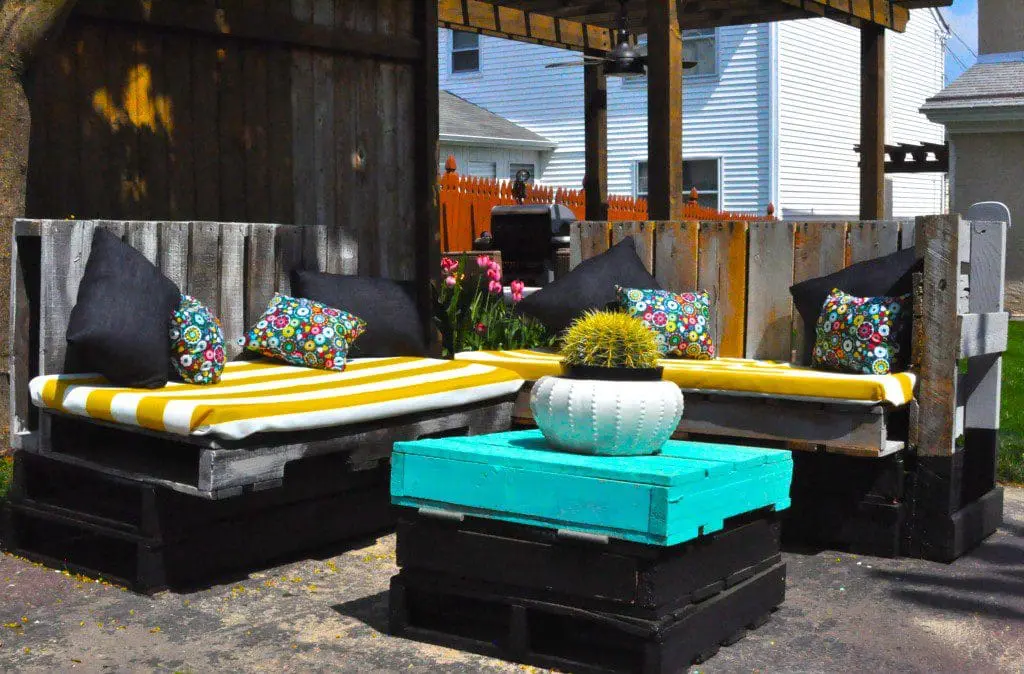
Credit: myfixituplife.com
Gathering Tools And Materials
Before you dive into building your pallet patio furniture, gathering the right tools and materials is crucial. Having everything ready saves time and avoids frustrating interruptions. It also ensures your project goes smoothly from start to finish.
Essential Tools List
- Hammer:Needed to remove nails from pallets and to secure pieces together.
- Saw:A hand saw or power saw helps cut pallets to the right size.
- Drill:Essential for making holes and driving screws securely.
- Screwdriver:Useful for tightening screws where the drill might not fit.
- Measuring Tape:Accurate measurements prevent wasted wood and ensure a good fit.
- Sandpaper or Electric Sander:Smooths rough edges to avoid splinters and gives a polished look.
- Safety Gear:Gloves and safety glasses protect your hands and eyes during cutting and nailing.
Additional Supplies Needed
- Pallets:Choose pallets that are sturdy and untreated to avoid chemicals.
- Wood Screws or Nails:Pick the right size depending on your design for strong joints.
- Wood Stain or Paint:Protects wood from weather and adds style to your furniture.
- Outdoor Cushions:Add comfort and personality to your finished pieces.
- Wood Glue:Provides extra hold between joints for durability.
- Plastic Sheeting or Tarp:Keeps your work area clean and protects pallets from moisture before use.
Have you checked your toolbox lately? Sometimes the simplest tools are missing, causing unnecessary delays. Gathering your tools and materials ahead of time means you can focus on creating a comfortable outdoor space without interruptions.
Preparing The Pallets
Preparing pallets is the first key step in building sturdy patio furniture. Proper preparation ensures your furniture lasts long and looks great. It also guarantees safety by removing dirt, splinters, and unwanted nails. Taking time to clean and adjust pallets creates a solid base for your project.
Cleaning And Sanding
Start by inspecting pallets for dirt and debris. Use a stiff brush to remove dust and cobwebs. Wash pallets with water and mild soap to clean stubborn stains. Let them dry completely under the sun to avoid mold. Sand the pallets using medium-grit sandpaper. Focus on rough edges and surfaces to avoid splinters. Smooth sanding helps paint or stain stick better and gives a polished finish.
Cutting To Size
Measure the pallets according to your furniture design. Mark cutting lines clearly with a pencil or chalk. Use a saw to cut the pallets along the marked lines. Cut slowly to keep edges straight and clean. Remove any leftover nails or staples from the cut areas. Proper sizing ensures all parts fit well and the furniture is stable.
Designing Your Patio Furniture
Designing your pallet patio furniture is where your creativity meets comfort. This stage sets the tone for your outdoor space, turning simple pallets into a cozy retreat. Think about how you want to use your patio—relaxing alone, hosting friends, or family dinners—and let that guide your design choices.
Choosing A Layout
Your furniture layout affects both the look and function of your patio. Start by measuring your outdoor area to understand what fits without crowding. Do you want a sectional setup, separate chairs, or maybe a bench with a coffee table?
Visualize the flow of movement around your furniture. You don’t want guests bumping into pieces or feeling cramped. Try sketching different arrangements on paper or using an app to see what feels right before you build.
Consider the sun’s position too. Placing seating where you get morning light but afternoon shade can make your patio more enjoyable throughout the day. Have you thought about how your layout can create conversation zones or private nooks?
Adding Comfort Features
Pallets are sturdy but not naturally comfortable, so adding cushions and pillows is essential. Choose weather-resistant fabrics that can handle outdoor conditions like rain and sun. Bright colors or patterns can also bring life to your patio and reflect your personal style.
Think about incorporating a few functional touches: armrests, backrests, or even storage under the seats. I once added storage space under my pallet sofa, and it turned out to be perfect for stashing outdoor games and blankets.
Don’t forget about shade options like umbrellas or a pergola if your patio gets intense sun. Adding small side tables or cup holders can also improve comfort and usability. What comfort features do you wish your outdoor space had?
Assembling The Furniture
Assembling your pallet patio furniture is where your vision starts turning into reality. This stage demands attention to detail and a solid approach to ensure your furniture is not only attractive but also sturdy and long-lasting. Let’s dive into how you can join pallets effectively and reinforce your pieces for everyday use.
Joining Pallets Securely
Begin by aligning the pallets so that their edges meet perfectly. Use clamps to hold them in place; this prevents shifting while you work. Secure the pallets together using screws rather than nails — screws provide a tighter, more reliable bond.
Drill pilot holes before inserting screws to avoid splitting the wood. Depending on the design, you may need to connect pallets side-by-side or stack them. Use metal brackets or corner braces to strengthen the joints where pallets meet.
- Choose outdoor-rated screws to resist rust.
- Test the alignment before final fastening.
- Double-check that all connections are flush and tight.
Reinforcing For Durability
Once joined, reinforcement is crucial to make your furniture withstand weather and use. Add extra support beams beneath seat surfaces to distribute weight evenly and prevent sagging. You can repurpose pallet slats or buy sturdy lumber for this step.
Use wood glue in addition to screws for a stronger hold. Seal all wood surfaces with a weather-resistant finish or outdoor paint to protect against moisture and sun damage. Don’t forget to sand rough edges to prevent splinters and improve comfort.
Have you considered how reinforcement can extend the life of your furniture? Sometimes, simple additions like corner braces or cross supports make the biggest difference in stability.
Credit: www.youtube.com
Finishing Touches
Finishing touches transform basic pallet patio furniture into a cozy and stylish outdoor spot. These details boost comfort and protect the wood from weather. A simple pallet piece can become a charming part of your garden or porch with the right finish and accessories.
Painting And Staining Options
Painting or staining protects the wood and changes its look. Choose paint or stain based on the style you want and the wood’s exposure to sun and rain.
- Paint:Use outdoor paint for bright or soft colors. It covers the wood completely and hides imperfections.
- Stain:Stain shows the wood grain. Pick a color that suits your outdoor area. Stain also seals the wood against moisture.
Always apply a primer or wood sealer before painting or staining. This step helps the finish last longer. Let each layer dry well before adding the next.
Adding Cushions And Accessories
Cushions make pallet furniture comfy and inviting. Pick cushions with outdoor fabric to resist dirt and water. Choose colors and patterns that match your space.
- Use thick cushions for better comfort.
- Add throw pillows for extra support and style.
- Include a small outdoor rug to define the seating area.
Accessories like lanterns, small tables, or potted plants can add charm. These items make the space feel lived-in and welcoming. Think about function and style together.
Maintaining Your Pallet Furniture
Maintaining your pallet furniture keeps it looking fresh and lasting longer. Regular care prevents damage from dirt, moisture, and sun. Proper upkeep helps preserve the wood’s natural beauty and strength.
Cleaning Tips
Clean pallet furniture regularly to avoid dirt buildup. Use a soft brush or cloth to remove dust and debris. For tough stains, mix mild soap with water and scrub gently. Rinse with clean water and let dry fully before use. Avoid harsh chemicals that can damage the wood.
Weatherproofing Advice
Protect your pallet furniture from rain and sun damage. Apply a clear sealant or wood protector yearly to shield against moisture. Use outdoor paint or stain for added UV protection and color. Cover furniture or move it indoors during extreme weather. Check for cracks or splinters and sand them smooth to prevent further damage.

Credit: www.facebook.com
Frequently Asked Questions
What Materials Are Needed For Pallet Patio Furniture?
You need wooden pallets, sandpaper, screws, nails, wood glue, paint or stain, cushions, and a saw. Optional items include wheels, brackets, and sealant for durability and comfort.
How Do You Prepare Pallets For Outdoor Use?
Clean pallets thoroughly, sand rough edges, and apply weatherproof sealant or paint. This protects wood from moisture, insects, and sun damage, ensuring long-lasting outdoor furniture.
Can Pallet Furniture Be Customized For Style?
Yes, pallets are versatile and can be cut, painted, and arranged in various designs. You can add cushions, pillows, and accessories to match your patio decor.
How Long Does Pallet Patio Furniture Last?
With proper treatment, pallet furniture can last 3 to 5 years outdoors. Regular maintenance like resealing and cleaning extends its lifespan significantly.
Conclusion
Building pallet patio furniture can be simple and fun. You only need some basic tools and wood pallets. This project saves money and adds a personal touch to your outdoor space. Try different designs to fit your style and needs.
Enjoy your new furniture with family and friends. Small steps lead to great results. Start your pallet patio furniture project today and make your patio cozy and inviting.






