Looking to beat the heat with your new LG portable air conditioner? You’re in the right place.
Installing it might seem tricky, but with the right steps, you can have it up and running quickly—no sweat. This guide will walk you through the process in simple, clear steps so you can enjoy cool air without any hassle.
Ready to make your space more comfortable? Let’s get started.
Credit: www.manualslib.com
Unboxing And Contents
Unboxing your LG portable air conditioner is the first step to cool comfort. This process reveals all components needed for easy setup and use. Carefully unpack the box to avoid damaging any parts.
Check each item to ensure nothing is missing. Knowing the contents helps prepare for a smooth installation.
What’s Inside The Box?
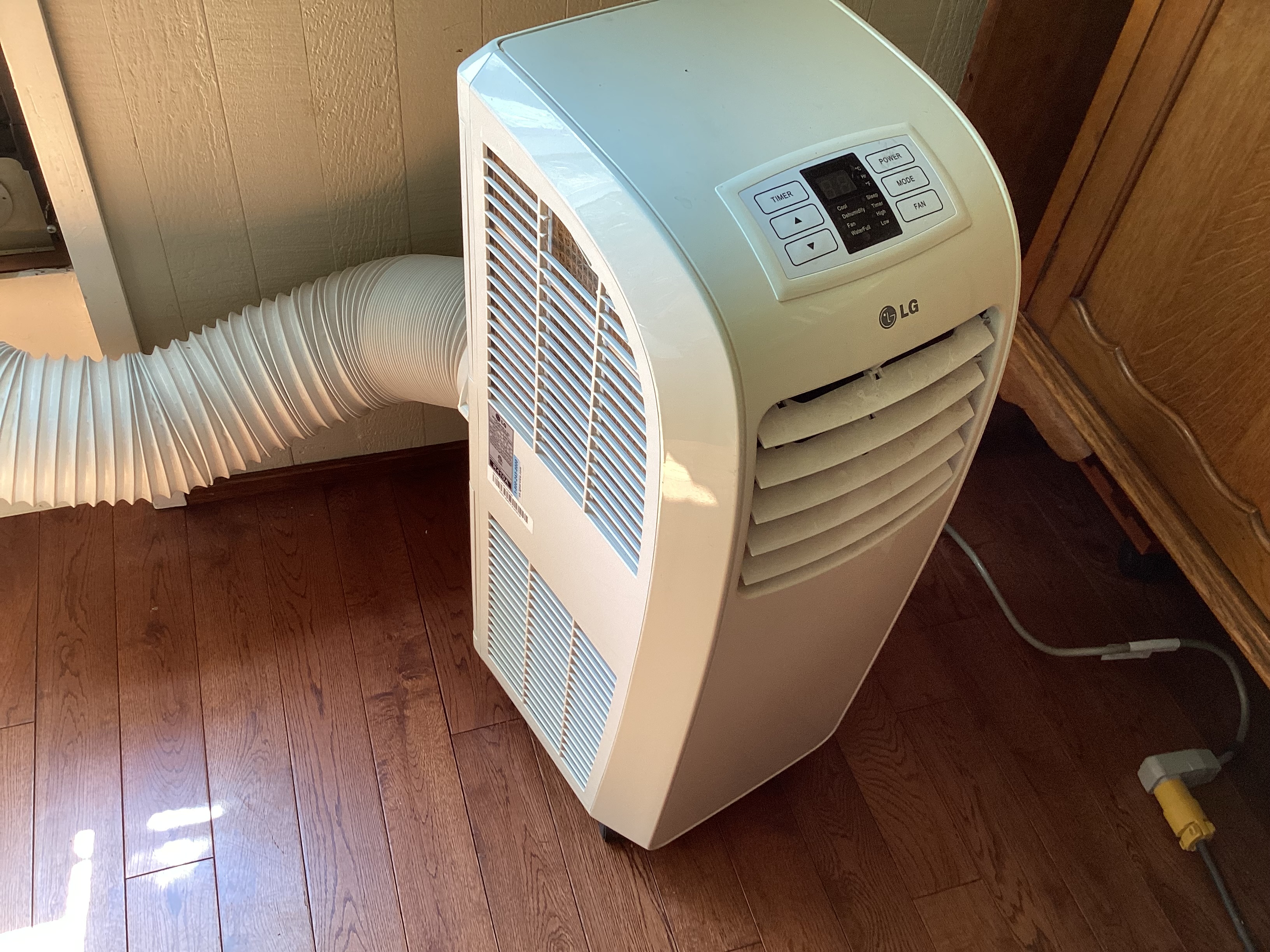
- Main portable air conditioner unit
- Exhaust hose for venting hot air
- Window installation kit
- Remote control
- User manual and warranty information
- Drainage pipe or plug
- Power cord attached to the unit
Inspecting The Components
Look over the portable unit for dents or scratches. Check the exhaust hose for cracks or holes. Make sure the window kit parts fit together well. Confirm the remote control has batteries if included. Reading the user manual helps avoid mistakes.
Preparing The Installation Area
Choose a spot near a window and power outlet. The unit needs space for airflow around it. Make sure the window can close with the installation kit attached. Clear the area of obstacles for easy placement and setup.

Credit: www.dreo.com
Choosing The Right Location
Choosing the right location for your LG portable air conditioner is more important than you might think. The spot you pick affects how well the unit cools your space and how easy it is to use. A poor location can reduce efficiency and even cause damage over time.
Space Requirements
Make sure there is enough room around the air conditioner for proper airflow. LG recommends leaving at least 20 inches of clearance on all sides to avoid overheating.
Think about the size of the room too. A unit placed in a cramped corner may struggle to cool the space evenly. Have you checked if the air can circulate freely without obstacles like furniture or curtains?
Also, avoid placing the unit near heat sources such as direct sunlight, ovens, or lamps. This can cause the unit to work harder and raise your electricity bill.
Electrical Outlet Access
Your LG portable air conditioner needs to be plugged into a grounded outlet that matches the power requirements listed in the manual. Using an extension cord or power strip can be risky and is generally not recommended.
Check if the outlet is conveniently located near the chosen spot. If it’s too far, you might have to rearrange furniture or consider professional help to install a new outlet.
Do you have other high-power appliances plugged into the same circuit? Overloading the circuit can trip breakers and interrupt your cooling. Planning your electrical setup carefully can save you headaches later.
Window Kit Assembly
The window kit assembly is a crucial part of installing your LG portable air conditioner. It ensures that the exhaust hose fits securely in your window, allowing hot air to escape outside while keeping your room cool. Getting this right prevents air leaks and maximizes your unit’s efficiency.
Components Overview
Before you start, it’s helpful to identify all parts included in the window kit. Typically, you’ll find:
- Adjustable window panel:This fits the width of your window frame.
- Exhaust hose:Connects the air conditioner to the window panel.
- Hose adapter:Attaches the exhaust hose to the window panel securely.
- Foam seal or weatherstripping:Prevents air leaks around the window panel.
- Mounting brackets or screws:Keeps the panel stable and in place.
Knowing these parts helps you visualize the assembly process. Have you checked if your window kit includes all these components before starting?
Window Kit Installation Steps
Begin by measuring your window opening. The adjustable window panel should fit snugly without forcing it. Slide the panel into the window track and adjust its length to fill the gap completely.
Next, attach the hose adapter to the panel’s exhaust hole. Then connect the exhaust hose firmly to the adapter. Make sure the hose is straight and not kinked to allow smooth airflow.
Seal any gaps around the window panel with the foam strip or weatherstripping. This step is often overlooked but essential to keep warm air out and cool air in. Finally, secure the panel with the mounting brackets or screws to prevent it from moving.
Think about how much easier it is to keep your room cool when no hot air sneaks back in. Does your current setup feel airtight, or could sealing be improved?
Connecting The Exhaust Hose
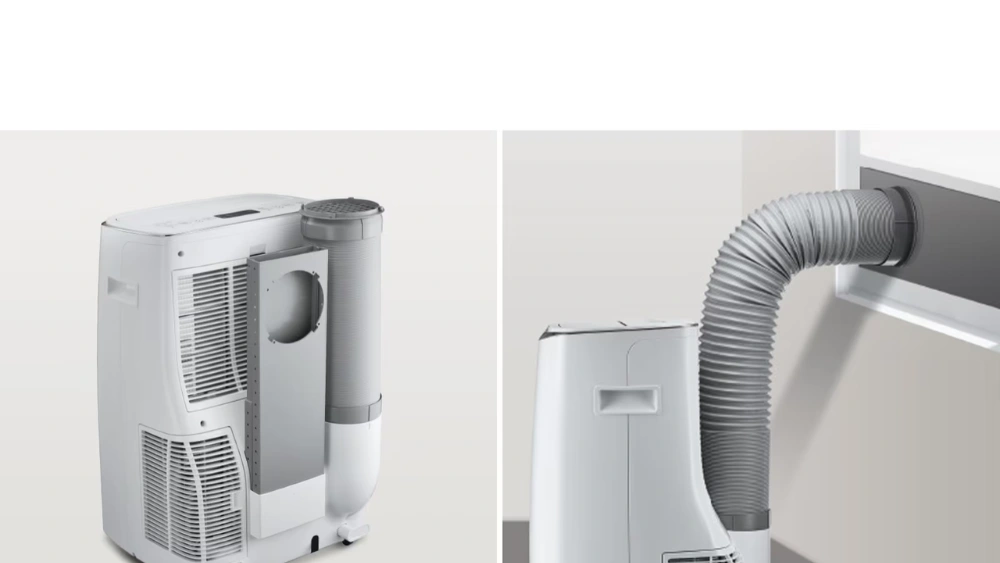
Connecting the exhaust hose is a key part of installing an LG portable air conditioner. This hose directs hot air outside, keeping your room cool. Proper connection ensures the unit works efficiently and prevents heat from leaking back inside. Follow these simple steps to attach and secure the hose correctly.
Exhaust Hose Attachments
The exhaust hose usually comes with two main attachments. One fits into the air conditioner’s outlet. The other connects to the window kit or vent panel. Both ends must fit tightly to avoid air leaks.
- Check the hose ends for any cracks or damage.
- Align the hose with the air conditioner’s exhaust port.
- Push the hose firmly into the port until it clicks or feels secure.
- Attach the other end to the window adapter or vent panel.
Use the attachments provided by LG for the best fit. Avoid using other hoses or parts that do not match. This keeps your unit safe and working well.
Securing The Hose
Once connected, the hose must stay in place. A loose hose can cause hot air to leak. It also lowers cooling efficiency.
- Check if the hose has locking rings or clips.
- Twist or snap the rings to lock the hose in place.
- Make sure the hose is straight and not bent sharply.
- Use tape or brackets if extra support is needed.
Secure connections make your air conditioner run smoothly. They prevent damage to the hose and reduce noise. A well-attached exhaust hose keeps your room cool and comfortable.
Powering On The Unit
Powering on your LG portable air conditioner is the first step to enjoy a cool and comfortable room. This process is simple and quick. Make sure the unit is plugged into a proper power outlet before turning it on. The controls are user-friendly and designed for easy access.
Initial Setup
Press the power button on the unit’s control panel. The display screen will light up, showing the current settings. The unit may start in auto mode, adjusting temperature and fan speed automatically. You can change these settings later.
Ensure the exhaust hose is properly attached and vented outside. This step helps the unit work efficiently. Check the water tank if your model has one. Empty it if full to avoid interruptions.
Remote Control Functions
The remote control lets you operate the air conditioner from a distance. It has buttons for power, mode selection, temperature adjustment, and fan speed. You can switch between cooling, fan-only, and dehumidifying modes.
Use the temperature buttons to set your preferred comfort level. The fan speed control helps you choose between low, medium, and high airflow. The remote also has a timer function for automatic on/off scheduling.

Credit: manuals.plus
Maintenance Tips
Keeping your LG portable air conditioner in top shape requires regular maintenance. Simple tasks like cleaning filters and proper storage can boost performance and extend the unit’s life. Have you ever wondered how a little upkeep could save you from costly repairs?
Cleaning The Filters
The air filters trap dust and allergens, so they need regular cleaning. Remove the filters carefully and rinse them with warm water. Avoid using harsh detergents as they can damage the material.
Let the filters dry completely before reinstalling them. You might find that a clean filter improves airflow and cooling efficiency right away. How often do you check your filters? Aim for every two weeks during heavy use.
Storing The Unit
If you don’t need your portable air conditioner during cooler months, proper storage is essential. First, drain all the water from the unit to prevent mold and mildew buildup. Wipe down the exterior with a soft cloth to remove dust and dirt.
Store the unit in a dry, cool place away from direct sunlight. Cover it with a breathable fabric to keep dust out but avoid plastic covers that trap moisture. Have you prepared your AC for the off-season yet?
Troubleshooting Common Issues
Troubleshooting your LG portable air conditioner can save you time and money. Small issues often have simple fixes that you can handle yourself. Let’s look at some common problems and how to solve them effectively.
Cooling Problems
If your unit isn’t cooling properly, start by checking the air filter. A clogged filter restricts airflow and reduces cooling efficiency. Clean or replace it regularly to keep air flowing freely.
Next, ensure the exhaust hose is not kinked or blocked. A blocked hose prevents hot air from escaping, making your room warmer instead of cooler. Straighten the hose and clear any obstructions to improve performance.
Also, verify that the room size matches the unit’s capacity. If the space is too large, your air conditioner may struggle to cool it effectively. You might need a more powerful model for bigger areas.
Noise Reduction
Excessive noise can be annoying, but often it’s caused by simple issues you can fix. Check if the unit is placed on a flat, stable surface. An uneven base can create vibrations and rattling sounds.
Inspect the fan blades for any dirt or debris. Clean blades spin more smoothly and quietly. Sometimes, loose screws or panels cause noise; tighten them gently to reduce rattling.
Have you noticed unusual sounds after moving the unit? It’s easy to overlook that internal parts may have shifted. A quick check can save you from a noisy night and help the air conditioner run smoothly.
Frequently Asked Questions
How Do I Install An Lg Portable Air Conditioner Window Kit?
To install the window kit, place the adjustable panel in your window frame. Attach the exhaust hose to the air conditioner and the window panel. Seal gaps with weatherstripping for efficiency. Ensure the window is securely locked to hold the panel in place.
What Tools Are Needed To Install An Lg Portable Ac?
You typically need a screwdriver, measuring tape, and a level. Some models include all installation accessories. Check your LG portable AC manual for specific tools. Having a drill might help for securing the window kit more firmly.
Can I Install An Lg Portable Ac Without A Window?
Yes, but you need a venting solution like a sliding door vent kit. Proper venting is crucial to expel hot air. Without venting, the unit won’t cool effectively and may overheat. Check LG’s guidelines for alternative venting options.
How Do I Connect The Exhaust Hose To The Lg Ac?
Attach one end of the hose to the air outlet on the AC unit. Connect the other end to the window panel or vent kit. Make sure connections are tight and sealed to prevent air leaks for optimal cooling.
Conclusion
Installing an LG portable air conditioner is simple and quick. Follow each step carefully for best results. Place the unit near a window and connect the exhaust hose properly. Make sure the window kit fits tightly to keep hot air out.
Plug in the unit and turn it on to test. Enjoy cool air in your room all summer long. Proper installation helps the AC work well and last longer. Now, you can stay comfortable even on the hottest days.