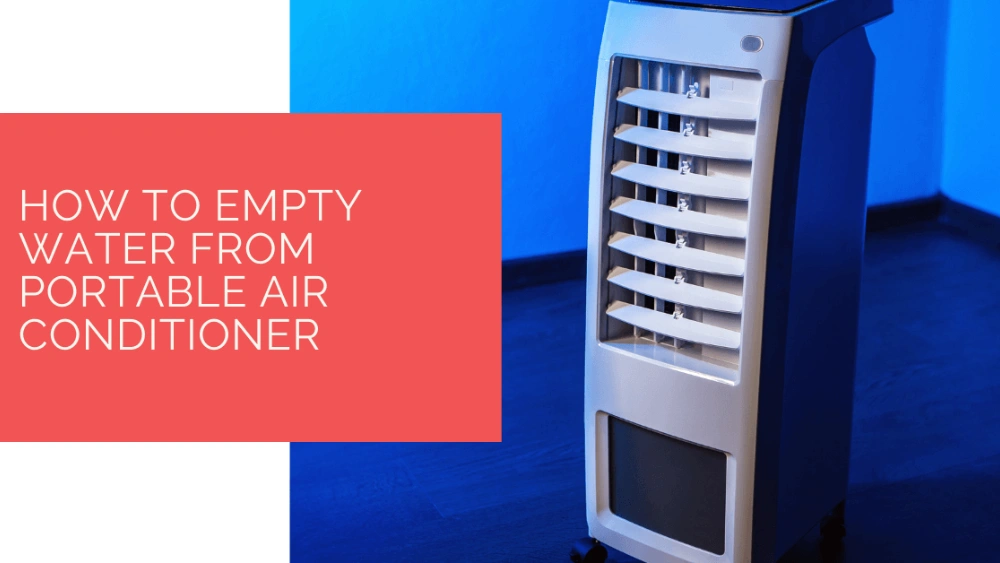
If you use a portable air conditioner, you know it can collect a lot of water. But do you know the easiest way to empty that water without making a mess?
Learning how to empty water from your portable air conditioner can keep it running smoothly and stop any leaks or damage. You’ll find simple, step-by-step tips that anyone can follow. Keep reading to make sure your air conditioner stays cool and efficient all summer long.

Credit: www.youtube.com
Portable Air Conditioner Basics
Understanding the basics of your portable air conditioner is key to maintaining its efficiency and longevity. One common aspect often overlooked is water management. Knowing why water accumulates and how your unit handles it can save you from unexpected leaks or performance drops.
Understanding Water Accumulation
Portable air conditioners remove moisture from the air as they cool your space. This moisture turns into water inside the unit. The amount of water collected depends on the humidity level in your room and how long the unit runs.
Have you noticed water pooling around your air conditioner? This happens because the moisture condenses on the cooling coils and drips into a reservoir. If that reservoir fills up and you don’t empty it, the unit may stop cooling properly or even shut off automatically.
Components Involved In Water Collection
Your air conditioner has several parts that work together to collect and manage water. The main components include:
- Evaporator Coil:Cools the air and causes moisture to condense.
- Drain Pan or Reservoir:Collects the condensed water.
- Drain Hose or Plug:Allows you to empty the collected water manually.
- Auto-evaporation System:Some units evaporate water automatically, reducing the need for manual draining.
Knowing these parts helps you identify where water collects and how to access it for emptying. If you have a unit without auto-evaporation, regularly checking and draining the reservoir is essential to keep your air conditioner running smoothly.

Credit: www.youtube.com
Preparation For Water Removal
Before emptying water from your portable air conditioner, proper preparation is key. This step ensures the process is safe, quick, and effective. Knowing what tools to gather and which safety steps to follow helps avoid damage or injury. Prepare your space and equipment carefully to make water removal smooth.
Tools Needed
- Bucket or container to catch water
- Towel or cloth for spills
- Screwdriver (if drain plug removal is required)
- Gloves to protect your hands
- Drain hose (if included with your unit)
Safety Precautions
- Turn off and unplug the air conditioner before starting
- Wear gloves to avoid contact with dirty water
- Ensure the unit is on a flat surface to prevent spills
- Handle the drain plug or hose gently to avoid damage
- Keep electrical parts dry during the process
Locating The Drain Plug
Finding the drain plug on a portable air conditioner is key to removing water. This small part helps release the collected moisture inside the unit. Knowing where to find it saves time and keeps your device working well.
Identifying The Drainage System
Portable air conditioners have a built-in system to collect water. This system stores water from the air to keep the room cool. The drain plug is part of this system and lets water out.
Look for a small, round plug on the back or bottom of the unit. Sometimes it is near the wheels or air filter. The plug may be made of plastic or rubber and can be twisted or pulled out.
Accessing The Drain Plug
Move the air conditioner close to a drain or bucket. Check the sides and bottom for easy access. You might need to tilt the unit slightly to reach the plug.
Use your hand to gently twist or pull the plug. Keep a cloth nearby to catch any water spills. Make sure the unit is off before opening the drain plug for safety.

Credit: www.youtube.com
Draining The Water
Draining the water from a portable air conditioner is essential to keep it running smoothly. This process prevents water buildup, which can cause leaks or reduce cooling efficiency. Regularly emptying the water tank helps maintain the unit’s performance and extends its lifespan.
Steps To Release Water
- Turn off and unplug the air conditioner for safety.
- Locate the drain plug or water tank at the back or side.
- Place a shallow container or tray under the drain point.
- Remove the drain plug carefully to allow water to flow out.
- Let all the water drain completely into the container.
- Replace the drain plug securely after draining.
- Wipe any spilled water around the drain area.
Ensuring Complete Drainage
Check the water tank visually to confirm it is empty. Some models have a float indicator that shows water levels. Tip the air conditioner slightly if water remains inside. Avoid tilting too much to prevent damage.
Empty the tank regularly, especially in humid conditions. This habit stops mold and bad odors from forming. Keep the drain plug clean to avoid blockages. Routine drainage ensures your air conditioner works efficiently.
Alternative Water Removal Methods
Sometimes, the built-in water collection system of your portable air conditioner isn’t enough, especially in humid environments or during extended use. Alternative water removal methods can help you maintain optimal performance without constant manual emptying. These options often save you time and reduce the hassle of dealing with water buildup.
Using A Hose For Drainage
Many portable air conditioners come with a drainage outlet designed for a hose connection. Attaching a hose allows the water to flow directly into a drain or outside, so you don’t have to keep emptying the reservoir.
Make sure the hose is properly secured and directed downward to encourage smooth water flow. This simple setup can keep your unit running longer without interruption, especially in areas where frequent water collection is a problem.
Employing A Pump System
If your air conditioner is located far from a suitable drain, a pump system can be a game-changer. These small pumps actively push the water out through a hose, allowing you to place your unit anywhere in the room without worrying about gravity.
Installing a pump requires a bit more effort but offers great flexibility. Have you ever thought about how much easier life would be if your air conditioner emptied itself quietly while you focus on other tasks?
Maintaining The Unit
Maintaining your portable air conditioner is essential to keep it running efficiently and extend its lifespan. One key aspect is managing the water that collects during operation. Ignoring this can lead to poor performance or even damage.
Regular Water Removal
Check the water tank or drainage area often. Depending on your unit, water can accumulate quickly, especially in humid conditions. Empty the water container before it becomes full to prevent overflow and leaks.
Some models have an indicator light that alerts you when the tank is full. Don’t wait for this signal every time; make it a habit to inspect the tank regularly. This simple action saves you from unexpected shutdowns.
Preventing Water Build-up
Prevent water build-up by ensuring proper airflow and positioning. Place your unit on a level surface to allow water to drain correctly. Avoid blocking the air vents, which can cause condensation to increase inside the machine.
Using the “dry” or dehumidify mode can also reduce excess moisture. Have you noticed water pooling inside despite regular emptying? It might be time to clean the filters or check the drain hose for clogs. These small fixes prevent water problems before they start.
Troubleshooting Common Issues
Troubleshooting common issues with portable air conditioners helps keep the unit working well. Problems with water drainage or leaks can reduce cooling power. Quick fixes often avoid bigger repairs. Understanding the cause of these issues makes emptying water easier and more effective.
Addressing Drainage Problems
Drainage problems usually happen when water does not flow out properly. Check if the drain hose is bent or clogged. Clear any dirt or debris blocking the path. Make sure the hose is positioned downward for easy water flow. Clean the filter regularly to prevent water buildup inside the unit.
Sometimes, the internal drain pan fills up too fast. Empty it often to avoid overflow. Use a small pump if the water is hard to remove by gravity. Keep the air conditioner level to help water drain smoothly.
Fixing Leaks And Blockages
Leaks often come from cracks or loose parts in the water system. Inspect the drain pan and hose for damages. Tighten any loose connections to stop water escaping. Replace damaged parts if needed to prevent further leaks.
Blockages can cause water to back up and leak inside. Remove the drain hose and flush it with clean water. Use a soft brush to clear stubborn dirt. Check the air filter and coils for dust that traps moisture. Clean these parts regularly to avoid blockages.
Frequently Asked Questions
How Do I Drain Water From A Portable Ac Unit?
To drain water, locate the drain plug or hose at the unit’s base. Place a container underneath, then open the plug or hose. Allow water to flow out completely before closing it. This prevents overflow and ensures efficient cooling.
When Should I Empty The Water Tank In My Portable Ac?
Empty the water tank when the unit signals full or every few hours during heavy use. Regular draining prevents leaks, mold growth, and maintains optimal performance of your portable air conditioner.
Can I Use A Pump To Remove Water From A Portable Ac?
Yes, a small pump can speed up water removal from your portable AC. Connect the pump to the drain hose to evacuate water quickly. This is useful for units without an automatic drain feature.
What Happens If I Don’t Empty Water From My Portable Ac?
Not emptying water causes overflow, leaks, and possible damage. It can also lead to mold growth and reduced cooling efficiency. Regularly draining your portable AC ensures longevity and better air quality.
Conclusion
Emptying water from your portable air conditioner keeps it working well. Regularly draining stops water build-up and prevents damage. It also helps the unit cool better and last longer. Follow the simple steps to keep your air conditioner dry. Check the drain plug or hose often for blockages.
Clean any parts that collect water to avoid mold. Taking these small actions saves you time and money. Keep your space cool and comfortable all summer. Easy maintenance makes your portable air conditioner more reliable.