Are you ready to tackle your woodworking project but don’t have a pocket hole jig? Don’t worry—you can still create strong, professional-looking pocket holes without one.
Imagine saving money and space, while still achieving precise joints that hold up. You’ll discover simple, step-by-step methods to drill pocket holes using tools you probably already have. By the end, you’ll feel confident and equipped to join your wood pieces perfectly, even without specialized equipment.
Keep reading, and unlock the secret to pocket hole drilling that works every time.
Understanding Pocket Holes
Understanding pocket holes is key to mastering a popular woodworking technique that helps you join pieces of wood quickly and securely. Before you try drilling pocket holes without a jig, it’s important to know what they are and why so many woodworkers rely on them. This knowledge will help you get better results and avoid common mistakes.
What Are Pocket Holes?
Pocket holes are angled holes drilled into one piece of wood to allow screws to join it to another piece. Instead of drilling straight through, the hole is angled to hide the screw head inside the wood. This technique keeps your project looking clean and professional.
Think of pocket holes as a clever way to connect wood without visible fasteners. They create a strong joint by pulling the two pieces tightly together. You can use them for everything from building furniture to fixing cabinets.
Benefits Of Pocket Holes In Woodworking
Pocket holes save you time and effort. You don’t need clamps or complex joinery skills to make strong connections. Just drill the hole, insert a special screw, and your pieces will hold firmly.
- Speed:Pocket holes allow quick assembly, perfect if you want fast project turnaround.
- Strength:The angled screw pulls wood pieces tight, creating durable joints.
- Clean Appearance:Screws are hidden inside, so your project looks neat without extra finishing.
- Versatility:Works well with different wood types and thicknesses.
Have you ever struggled with joints that wobble or look messy? Pocket holes can fix that without expensive tools or advanced skills. Understanding their benefits helps you decide when to use them, even if you don’t have a jig handy.
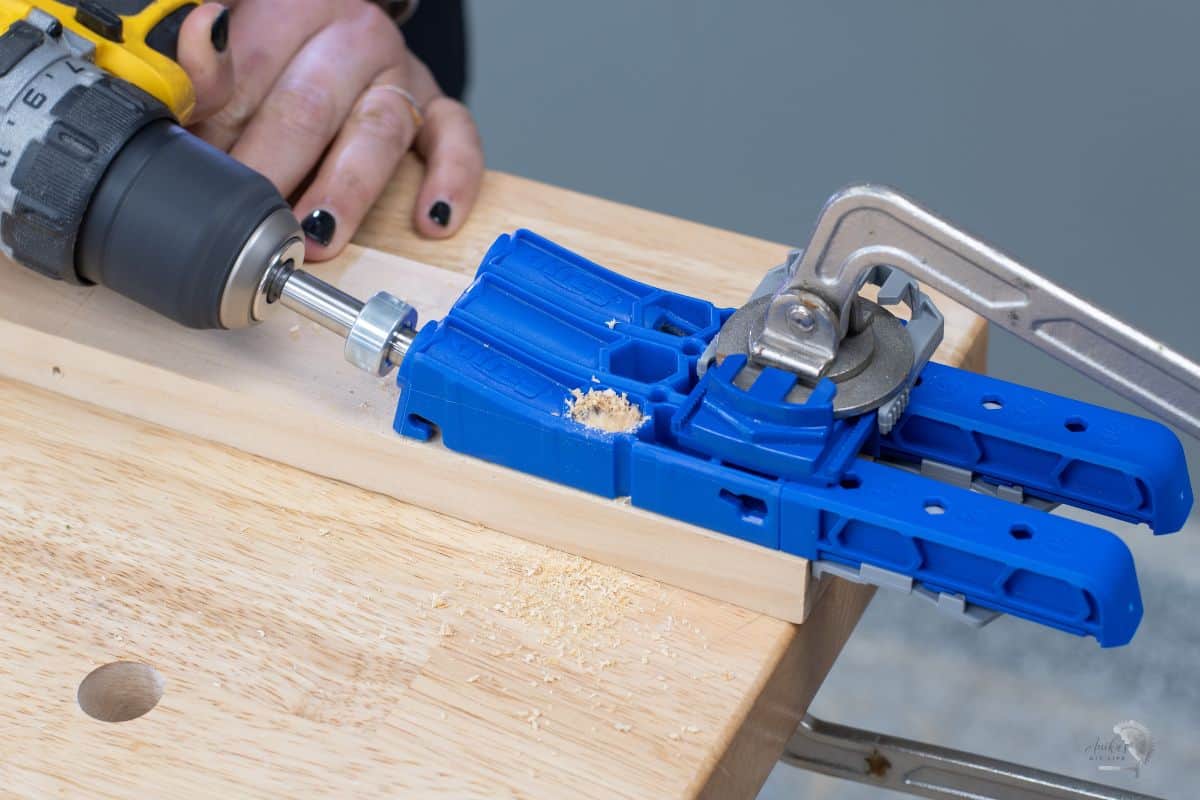
Credit: www.anikasdiylife.com
Tools Required For Pocket Holes
Drilling pocket holes without a jig needs the right tools. These tools help make clean and precise holes. Using proper tools makes the process easier and safer.
Some tools are essential for drilling pocket holes. Others can be used as alternatives for those who want to try DIY methods. Knowing the right tools helps achieve good results.
Essential Tools For Drilling
- Power Drill:A cordless or corded drill with good torque is necessary.
- Drill Bit:A stepped drill bit is best for creating pocket holes smoothly.
- Clamps:Holding the wood steady is crucial while drilling.
- Measuring Tape:Accurate measurements ensure the holes are in the correct place.
- Pencil:Marking the drilling spots improves precision.
- Square:Helps keep the drill bit aligned at the right angle.
Alternative Tools For Diy Enthusiasts
- Regular Drill Bit:Can replace stepped bits with careful control.
- Hand Drill:Useful for small projects or if power drills are unavailable.
- Wooden Block Guide:A homemade guide to maintain drilling angle.
- Speed Square:Acts as a drill guide for angle accuracy.
- Clamps with Padding:Protect wood surfaces during clamping.
Step-by-step Guide
Drilling pocket holes without a jig might seem tricky. A clear plan helps. Follow these simple steps to create strong, clean pocket holes. This guide breaks down the process for easy understanding and success.
Preparing Your Workspace
Start with a clean, flat surface. Remove clutter to avoid distractions. Gather all needed tools nearby. Use clamps or weights to hold wood steady. Good lighting helps you see clearly. A well-prepared space makes drilling safer and easier.
Choosing The Right Drill Bit
Select a drill bit with a wide tip. It should match the size of the screw’s head. A step drill bit works well for pocket holes. Avoid using a regular bit, as it may cause poor fit. Sharp bits create cleaner holes and reduce splintering.
Marking And Measuring Your Wood
Measure the thickness of your wood carefully. Mark the drilling spots with a pencil. Keep marks close to the edge but not too close. Use a square tool to keep marks straight. Consistent marks ensure even and strong joints.
Drilling Techniques For Precision
Hold the drill steady and perpendicular to the wood. Drill slowly to avoid splintering. Stop drilling once you reach the marked depth. Use a piece of scrap wood as a guide. This prevents drilling too deep or at an angle.
Testing Your Pocket Holes
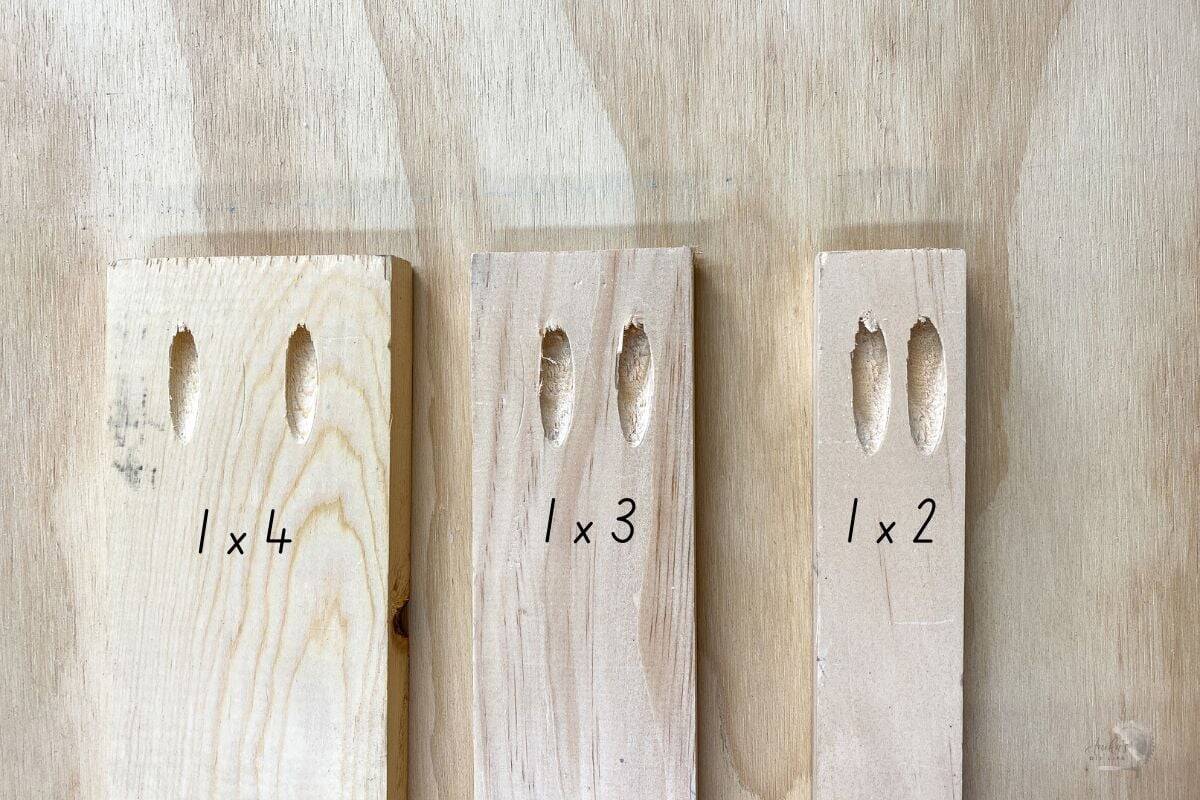
Insert a screw into the pocket hole. Check if the screw fits snugly and holds tight. Tighten screws without cracking the wood. Adjust the hole size if screws don’t fit well. Test on scrap wood before working on your project.
Credit: www.anikasdiylife.com
Tips For Success
Drilling pocket holes without a jig can feel tricky, but with the right approach, you can achieve strong, clean joints. Success depends on attention to detail and smart adjustments along the way. Here are some practical tips to help you avoid pitfalls and get professional results.
Avoiding Common Mistakes
One of the biggest mistakes is drilling at the wrong angle. Use a protractor or angle guide to keep your drill steady and consistent. If the hole is too shallow or too deep, the screw won’t hold properly, so measure carefully before you start.
Another frequent error is not marking the exact spot for the hole. Take a moment to mark and double-check your drilling points. This prevents misplaced holes that weaken your project.
Enhancing Stability And Strength
Clamp your pieces firmly before drilling to prevent movement. I once skipped this step and ended up with misaligned joints that wasted a lot of wood. Using clamps ensures holes go exactly where you want them.
Choose screws designed for pocket holes, as their special threads grip better and boost joint strength. If you want your connection to last, don’t settle for generic screws.
Finishing Touches For A Professional Look
After drilling and assembling, fill any visible holes with wood filler or matching plugs. This step hides imperfections and gives your project a polished appearance. Sand around the filled areas lightly to blend them smoothly with the surface.
Finally, apply a finish like paint or stain to protect and enhance the wood. A neat finish not only looks good but also prolongs the life of your work. How do you ensure your woodworking projects look as good as they hold together?
Safety Precautions
Drilling pocket holes without a jig can be tricky, but safety should always be your top priority. Ignoring precautions can lead to accidents or damage to your project. Let’s focus on how to protect yourself and handle your tools the right way for a smooth, injury-free experience.
Protective Gear Recommendations
Always wear safety glasses to protect your eyes from wood chips and dust. Even small splinters can cause serious irritation or injury.
Consider using ear protection if your drill is loud or you’re working in a confined space. Prolonged exposure to noise can harm your hearing.
Gloves can protect your hands, but make sure they fit well and won’t get caught in the drill. Choose gloves designed for woodworking or mechanical work.
Handling Tools Safely
Keep your drill steady and maintain a firm grip to avoid slips. Unsteady hands can lead to inaccurate holes and potential injury.
Never rush the drilling process. Let the drill do the work at its own pace to prevent bit breakage or kickbacks.
Secure your workpiece firmly with clamps before drilling. Moving wood increases the risk of the drill slipping or the hole being off-target.
Ask yourself: Are you fully focused on the task? Distractions can be dangerous, so clear your workspace and concentrate on the job.
Alternative Methods
If you don’t have a pocket hole jig on hand, don’t worry—there are other ways to create strong joints without one. These alternative methods can save you time and money while still delivering solid results. Let’s look at some practical options that anyone can try with basic tools.
Using A Doweling Jig
A doweling jig helps you drill precise holes for wooden dowels, creating strong joints similar to pocket holes. You clamp the jig to your wood, drill holes that line up perfectly, then insert dowels to connect the pieces. It’s a reliable way to join wood without the angled drilling that pocket holes require.
I once used a doweling jig to assemble a bookshelf when my pocket hole jig was in use for another project. The fit was snug, and the shelves felt sturdy enough to hold heavy books. If you want to try this, make sure you measure carefully so the dowels align perfectly, or the joint will be weak.
Here’s a quick list of what you’ll need:
- Doweling jig
- Drill with appropriate drill bits
- Wooden dowels
- Wood glue
- Clamps
Exploring Other Wood Joining Techniques
If doweling isn’t your style, consider other wood joining methods that don’t require specialized jigs. Butt joints, lap joints, and biscuit joints are all effective ways to connect wood using simple tools.
For example, biscuit joints use small, football-shaped pieces of wood called biscuits. You cut slots in both pieces of wood, add glue and biscuits, and clamp them until dry. This method provides good alignment and strength without complex equipment.
What if you only have a drill and screws? A well-planned butt joint reinforced with screws and wood glue can also hold up well. Pre-drill pilot holes to avoid splitting the wood, and countersink screws for a clean finish.
Thinking about your project, which method fits your tools and skills best? Trying these alternatives can expand your woodworking abilities and help you handle projects even without a pocket hole jig.

Credit: www.reddit.com
Frequently Asked Questions
How Can I Drill Pocket Holes Without A Jig?
You can drill pocket holes manually by marking an angle on the wood. Use a drill bit set at 15 degrees to guide the hole. Clamp the pieces securely to prevent movement during drilling. This method requires practice for accuracy but works well without a jig.
What Tools Do I Need To Drill Pocket Holes Manually?
You need a drill, a 15-degree drill bit or angle guide, clamps, and a pencil. A protractor or angle guide helps maintain the correct drilling angle. These basic tools allow you to drill pocket holes without a specialized jig, saving cost and space.
Is Drilling Pocket Holes Without A Jig Less Durable?
Pocket holes drilled without a jig can be durable if done accurately. Proper angle, depth, and tight clamping are crucial. Using quality screws and wood glue enhances strength. While a jig ensures precision, careful manual drilling still produces strong joints.
How Do I Ensure Correct Angle Without A Pocket Hole Jig?
Use a protractor or angle guide to mark a 15-degree angle on the wood surface. Hold the drill steady and align the bit with this mark. Consistent clamping and slow drilling help maintain the angle. Practice improves accuracy over time.
Conclusion
Drilling pocket holes without a jig is possible with care and the right tools. Take your time to mark and drill at the correct angle. Use clamps to hold pieces steady while working. Practice on scrap wood before starting your project.
This method saves money and still creates strong joints. You can build furniture or fix things with confidence. Keep your workspace safe and clean for better results. Try this simple approach and enjoy your woodworking tasks more.