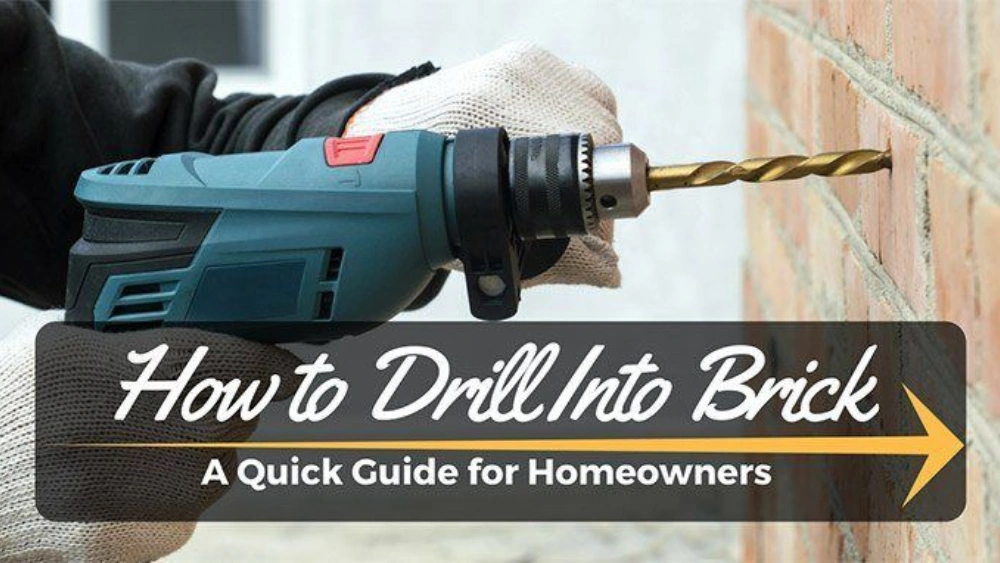
Are you ready to tackle a tough home project but unsure how to drill into a brick wall without causing damage? Drilling into brick can seem tricky, but with the right tools and simple steps, you can do it safely and efficiently.
Imagine hanging your favorite artwork or installing a sturdy shelf exactly where you want it—no guesswork, no mess. In this guide, you’ll learn exactly how to drill a hole into a brick wall like a pro, saving you time and frustration.
Keep reading, and you’ll gain the confidence to handle this task with ease.
Choosing The Right Tools
Choosing the right tools is key to drilling a clean hole in a brick wall. Using proper equipment makes the task easier and prevents damage. The wrong tools can cause cracks or make the process unsafe. Focus on selecting the right drill, drill bits, and safety gear for the job.
Essential Drill Types
Use a hammer drill for brick walls. It combines rotary motion with a hammering action. This helps break the brick surface quickly. A regular drill may not work well on hard bricks. Cordless hammer drills offer good mobility and power. Choose a drill with adjustable speed for better control.
Masonry Drill Bits
Masonry drill bits have a special tip made of carbide. This tip can cut through hard brick and mortar. Standard drill bits will dull fast or break. Use bits sized to your anchor or screw needs. Keep spare bits handy in case one wears out. Sharp bits reduce effort and make cleaner holes.
Safety Gear
Protect yourself while drilling. Wear safety glasses to shield your eyes from dust and chips. Use ear protection to guard against loud noise. A dust mask prevents inhaling fine particles. Gloves protect your hands from rough surfaces and vibrations. Secure loose clothes and tie back hair before starting.

Credit: www.instagram.com
Preparing The Wall
Preparing the wall before drilling into brick is crucial for a smooth and safe job. Skipping this step can lead to damage, inaccurate holes, or unsafe conditions. Taking a little time to get the wall ready will save you frustration and ensure your drill works efficiently.
Inspecting Brick Condition
Look closely at the brick where you want to drill. Is the brick solid or crumbling? Old or damaged bricks might not hold screws or anchors well, and drilling into them can cause cracks.
If you spot loose mortar or cracks near your drilling spot, consider moving your hole slightly or reinforcing the area first. A quick tap test with a screwdriver handle can reveal hollow or weak spots. Would you want to mount something heavy on a shaky wall? Probably not.
Marking The Spot
Use a pencil or chalk to mark the exact point where you want to drill. Precision here saves you from unnecessary holes and wall damage. Hold a tape measure or level to ensure your marks align perfectly, especially if you are drilling multiple holes.
Double-check your measurements. Have you accounted for the size of anchors or screws? Marking clearly also helps you stay steady while drilling, reducing wobble and making the hole neater.
Clearing Dust And Debris
Before drilling, clean the marked area to remove dust, cobwebs, and loose particles. Dust can cause the drill bit to slip or clog, making your job harder. Use a brush or a vacuum cleaner to clear the surface thoroughly.
Even a small amount of debris can affect your drill’s grip and accuracy. Keeping the spot clean means smoother drilling and a better final result. Have you ever noticed how a clean workspace makes tasks feel easier?
Drilling Technique
Drilling into a brick wall requires more than just power; it demands the right technique to ensure safety and precision. How you handle the drill can make the difference between a clean hole and a cracked wall. Let’s break down the essential steps that help you drill effectively without damaging your brickwork.
Setting Up The Drill
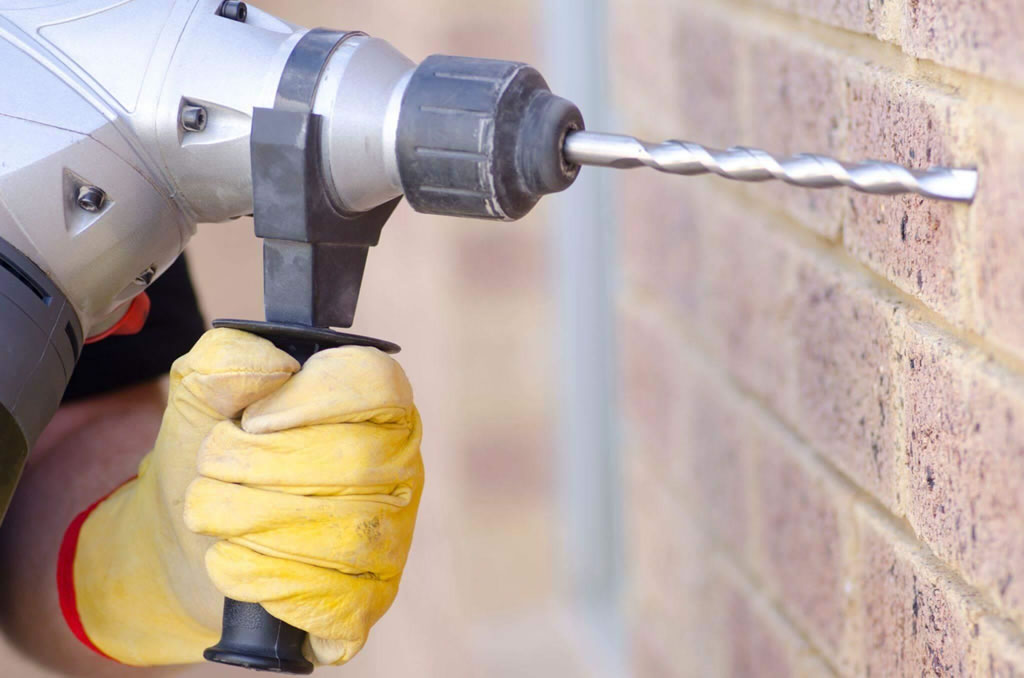
Start by choosing a drill with a hammer function. A regular drill may struggle and cause unnecessary wear on the brick and bit. Fit a masonry bit that matches the size of the hole you want.
Mark the spot clearly with a pencil or tape. This helps keep your drill steady and prevents slipping. Holding the drill perpendicular to the wall is crucial—you want the hole straight, not angled.
Maintaining Steady Pressure
Apply consistent, moderate pressure when drilling. Pushing too hard can crack the brick or break the drill bit, while too little pressure slows you down. You should feel the drill doing the work without forcing it.
Pause occasionally to check your progress and adjust your angle if needed. This also helps prevent overheating and keeps the bit sharp longer. Have you noticed how a steady hand often leads to a cleaner hole?
Cooling The Drill Bit
Drilling into brick generates heat, which can dull your bit quickly. To prevent this, stop drilling every 20-30 seconds and spray or splash a little water on the bit. This simple trick extends the bit’s life and makes drilling smoother.
If you’re drilling multiple holes, keep a small spray bottle or water container nearby. Cooling the bit not only protects your tools but also helps maintain control and precision during the job.
Credit: 757brick.com
Ensuring Precision
Ensuring precision is key when drilling into a brick wall. Accurate holes prevent damage and ensure your fixtures fit well. Taking time to prepare can save a lot of trouble later.
Using Guides And Templates
Guides and templates help mark exact drilling spots. Use a pencil and a level to draw straight lines. Tape a paper template on the wall for multiple holes. This keeps your holes evenly spaced and aligned. A drill guide attachment can also keep the drill steady and straight. These tools reduce mistakes and make drilling easier.
Double-checking Measurements
Measure twice before drilling once. Use a tape measure to check distances carefully. Mark your points clearly with a pencil or chalk. Check the height and spacing against your plan. Ask someone to verify your marks if possible. This extra step avoids misplaced holes and wall damage.
Post-drilling Care
After drilling a hole into a brick wall, taking care of the site is crucial. Proper post-drilling care keeps the wall strong and clean. It also prepares the hole for any future fixtures or plugs.
Cleaning The Hole
Remove dust and debris from the drilled hole. Use a small brush or a vacuum cleaner. This helps the hole hold anchors or screws tightly. Clean holes also prevent moisture buildup inside.
Checking For Damage
Look closely at the area around the hole. Check for cracks or loose bricks. Small cracks can weaken the wall’s strength. Fix any damage before adding fixtures. This step ensures safety and durability.
Applying Sealant
Seal the hole to protect from water and dirt. Use a waterproof sealant suitable for brick walls. Apply it around the hole’s edges carefully. Sealants prevent moisture from entering and causing damage. Wait for the sealant to dry completely before proceeding.

Credit: www.youtube.com
Troubleshooting Common Issues
Drilling into a brick wall can sometimes throw unexpected challenges your way. Whether it’s an unplanned crack, a particularly hard patch, or the drill not behaving as expected, knowing how to troubleshoot these issues will save you time and frustration. Let’s look at common problems and how you can tackle them effectively.
Dealing With Cracks
Cracks in your brick wall can worsen if you’re not careful while drilling. When you notice a crack near your drilling spot, avoid applying too much pressure. Instead, use a smaller drill bit first to create a pilot hole and gradually increase the size.
Another tip is to use a masonry drill bit designed to reduce vibrations that might expand the crack. If the crack looks severe, consider filling it with epoxy or mortar before drilling to stabilize the area. Have you ever had a crack suddenly spread while working? Taking small, cautious steps can prevent that from happening.
Handling Tough Spots
Some areas of the brick wall may feel rock-solid and stubborn. These tough spots usually have denser brick or hidden stones embedded. If your drill stalls or struggles, don’t force it.
Try switching to a hammer drill if you haven’t already—its impact action breaks through hard material more easily. Also, pause regularly to let the drill bit cool down, as overheating reduces effectiveness. Ever noticed your drill slowing down without clear reason? It might be time to change your bit or adjust your technique.
Adjusting Drill Speed
Drill speed plays a crucial role in how smoothly you can create a hole. Too fast, and you risk overheating the bit or damaging the brick; too slow, and progress becomes painfully slow. Start with a moderate speed and feel how the drill responds to the material.
If the drill bit starts to smoke or the wall feels hot, reduce your speed immediately. On the other hand, if the bit barely cuts into the surface, gently increase the speed. What speed setting do you usually use on your drill? Experimenting here can make a big difference in performance and drill bit life.
Frequently Asked Questions
What Drill Bit Is Best For Brick Walls?
Use a masonry drill bit with a carbide tip. It easily penetrates brick without cracking. Choose the right size for your anchor or screw.
How Do I Prevent Brick From Cracking?
Use a low-speed drill setting and steady pressure. Avoid hammering too hard. Mark the spot and drill a pilot hole first.
Can I Use A Regular Drill On Brick?
Yes, but a hammer drill works best. Regular drills may struggle and overheat. Hammer drills provide percussive force for easier drilling.
Should I Wear Safety Gear While Drilling Brick?
Always wear safety glasses to protect your eyes. Use a dust mask to avoid inhaling brick dust. Gloves also help protect your hands.
Conclusion
Drilling into a brick wall is easier than it seems. With the right tools and steps, anyone can do it safely. Take your time and follow the instructions carefully. Always wear safety gear to protect yourself. Clean the hole after drilling for a good finish.
Practice on a small spot if unsure. This skill helps with home projects and repairs. Keep your drill steady and pressure even. Soon, you’ll feel more confident handling brick walls. Give it a try and see the results yourself.