Are you ready to tackle a project that requires drilling into a brick wall but aren’t sure where to start? Drilling into brick can seem tricky and intimidating, but with the right tools and steps, you can do it safely and accurately.
Imagine hanging shelves, mounting a TV, or adding outdoor lights without worrying about cracks or damage. In this guide, you’ll discover simple, clear instructions to help you drill the perfect hole every time. Keep reading, and you’ll gain the confidence to handle your brick wall project like a pro.
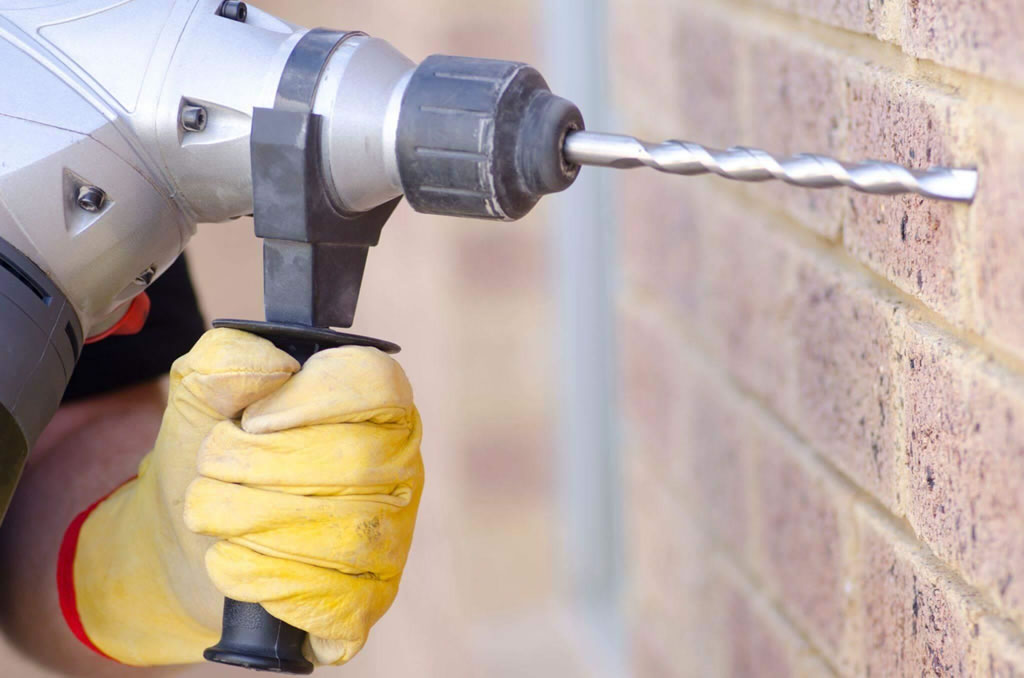
Credit: 757brick.com
Tools And Materials Needed
Drilling into a brick wall needs the right tools and materials. Using proper equipment makes the job easier and safer. Prepare all items before you start to avoid interruptions.
Essential Tools
- Hammer drill or rotary hammer
- Masonry drill bits
- Measuring tape
- Marker or pencil
- Level
- Vacuum or brush for dust
Safety Equipment
- Safety goggles to protect eyes
- Dust mask to avoid inhaling debris
- Work gloves to protect hands
- Ear protection if using loud drills
Additional Supplies
- Wall plugs or anchors
- Screws or hooks for mounting
- Cleaning cloth
- Bucket or container for dust

Credit: www.youtube.com
Preparing The Workspace
Preparing the workspace is the first key to drilling into a brick wall safely and accurately. A well-prepared area helps avoid accidents and ensures the hole is drilled exactly where needed. Taking time to set up saves effort later.
Clear The Area
Remove furniture and objects near the wall. Keep the floor clean and free of clutter. This prevents tripping hazards and protects items from dust and debris. Use a drop cloth to cover the ground. Make sure pets and children stay away during drilling.
Marking The Spot
Use a pencil or chalk to mark the exact drilling point. Double-check measurements before marking. A small, clear mark guides the drill bit. Avoid large marks that may cause confusion. Confirm the spot is on solid brick, not mortar, for stronger support.
Setting Up
Gather all tools and safety gear nearby. Wear safety goggles and gloves for protection. Use a sturdy ladder if the spot is high. Position a dust mask to avoid breathing brick dust. Prepare the drill with the right masonry bit. Check the drill’s settings and battery or power source before starting.
Choosing The Right Drill Bit
Choosing the right drill bit is key to drilling into a brick wall safely and effectively. A proper drill bit makes the task easier and protects your tools. Picking the wrong one can cause damage to the wall and slow down your work. Understanding the types and sizes of drill bits helps you prepare well.
Types Of Drill Bits
Not all drill bits work well with brick. Use masonry drill bits designed for hard surfaces like brick and stone. These bits have a special tip made from carbide. This tip stays sharp and can handle tough materials.
Hammer drill bits are another option. They work with hammer drills and add a pounding action. This helps drill faster through brick without wearing out the bit.
Standard twist drill bits are not suitable for brick. They wear out quickly and can get stuck. Always pick drill bits marked for masonry or hammer use.
Selecting The Size
Choose a drill bit size that matches your anchor or screw. Too small a bit will not fit the anchor properly. Too large a bit will create a loose hole, reducing grip.
Measure the diameter of the anchor or screw first. Then pick a drill bit just slightly smaller or equal to that size. This ensures a snug and secure fit in the brick.
For deeper holes, check the bit length. It should be longer than the anchor to allow full insertion. Using the right size helps keep your installation strong and safe.
Drilling Techniques
Drilling into a brick wall requires more than just the right tools; the technique you use can make a big difference in the quality and safety of your work. Proper drilling techniques help prevent damage to the wall and extend the life of your drill bits. Let’s break down some essential methods that will make your project smoother and more efficient.
Using The Hammer Drill
A hammer drill is your best friend when working with brick walls. It combines rotary motion with a hammering action that chips away at the brick as it drills. This action reduces the effort needed and makes drilling faster.
Hold the drill firmly with both hands to control its power. If you don’t have a hammer drill, a regular drill with a masonry bit can work, but expect slower progress and more strain on your tool.
Maintaining Steady Pressure
Applying consistent, steady pressure is key. Push the drill just enough so the bit moves forward steadily without forcing it. Too much pressure can crack the brick or break the drill bit.
Think about drilling as a gentle, persistent push rather than a forceful shove. If you feel the drill struggling, ease off and let it catch up instead of pressing harder.
Avoiding Overheating
Drill bits can get very hot when cutting through brick. Heat weakens the bit and can cause it to dull or snap. To prevent this, stop periodically to let the drill bit cool down.
You can also spray a little water on the drilling spot to reduce heat buildup. Have you ever noticed the smoke or smell when a bit overheats? It’s a warning sign you need to pause and cool off.
Ensuring Precision
Ensuring precision when drilling into a brick wall is crucial to avoid unnecessary damage and to achieve the desired outcome. Precision helps you maintain clean holes, aligns your fixtures perfectly, and saves time by reducing errors. Paying close attention to the details before and during drilling can make a significant difference in your project’s success.
Checking Alignment
Start by marking the exact spot where you want to drill. Use a pencil or chalk to create a clear, visible mark on the brick surface. Double-check measurements with a tape measure or level to ensure the hole will be straight and correctly positioned.
Holding a spirit level against the wall can help you verify horizontal or vertical alignment. If you’re drilling multiple holes, mark all spots first and review their placement before drilling any. Have you ever drilled a hole only to realize it was off by a few millimeters? Avoid that by taking the time to check alignment thoroughly.
Correcting Mistakes
If your drill slips or the hole isn’t perfectly aligned, don’t panic. Small errors can be fixed by adjusting the hole placement slightly or filling the unwanted hole with suitable filler or mortar. Keep a handy supply of brick repair filler or quick-dry mortar for touch-ups.
For bigger mistakes, consider using a larger drill bit to create a new hole nearby, then use a wall plug or anchor to secure your fixture properly. Remember, it’s better to stop and assess than to force the drill and worsen the problem. Have you ever tried to fix a mistake only to make it worse? Taking a moment to pause often saves more work later.
Finishing Touches
After drilling a hole in a brick wall, the finishing touches ensure a strong and clean result. Proper care at this stage prepares the hole for secure fittings and keeps the wall neat.
Cleaning Up Debris
Remove all dust and small debris from the hole. Use a brush or a vacuum to clear loose particles. This helps anchors fit tightly and prevents future damage.
Inspecting The Hole
Check the hole for cracks or uneven edges. A smooth, round hole holds anchors better. Use a flashlight to see inside clearly. Fix any rough spots gently with a file or sandpaper.
Setting Anchors
Choose anchors suitable for brick walls. Insert the anchor fully into the hole. Tap gently with a hammer if needed. The anchor should fit snugly, ready to hold screws or bolts firmly.
Safety Tips
Drilling into a brick wall can be a straightforward task, but safety should always come first. Without proper precautions, you risk injury or damage to your tools and property. These safety tips will help you stay protected and confident while working.
Handling Equipment Safely
Always inspect your drill and bits before use. Look for cracks, dullness, or any signs of wear that could cause the tool to malfunction. Using a damaged drill bit can lead to slipping or breaking, which might hurt you or ruin your project.
Hold the drill firmly with both hands to maintain control. If the drill starts to wobble, stop immediately and check your setup. Have you ever felt the drill jerk suddenly? That’s a sign to pause and reassess your grip and angle.
Keep your workspace clear of unnecessary items. This helps prevent tripping or accidentally knocking over your tools. A clutter-free zone lets you focus fully on the drilling task without distractions.
Protective Gear
Wearing the right protective gear is essential. Safety goggles shield your eyes from flying dust and small debris. I once skipped goggles and ended up with dust in my eyes—uncomfortable and avoidable.
Use a dust mask to prevent inhaling brick particles, which can irritate your lungs. Gloves protect your hands from sharp edges and vibrations, reducing fatigue and risk of cuts. Make sure your gloves fit well; loose gloves can get caught in the drill.
Consider wearing ear protection if your drill is loud. Prolonged exposure to high noise levels can damage your hearing. Have you thought about how long you’ll be drilling and the noise impact on your ears?

Credit: www.amazon.com
Frequently Asked Questions
What Tools Do I Need To Drill Into A Brick Wall?
You need a hammer drill, masonry drill bits, safety goggles, and a dust mask. A hammer drill is essential for penetrating brick effectively.
How Do I Prevent Brick From Cracking When Drilling?
Use a masonry drill bit and start drilling slowly. Apply light pressure and keep the drill perpendicular to the wall.
Can I Use A Regular Drill On Brick Walls?
Regular drills may struggle with brick. Hammer drills are recommended because they combine rotation and impact for efficient drilling.
How Deep Should I Drill Into A Brick Wall?
Drill at least 1 to 1. 5 inches deeper than the anchor length. This ensures a secure hold for screws or anchors.
Conclusion
Drilling into a brick wall takes the right tools and care. Choose the correct drill bit and mark your spot clearly. Keep your drill steady and apply gentle pressure to avoid damage. Take breaks to cool the drill and check progress often.
With patience, you can create a clean, precise hole. Safety matters—wear goggles and gloves to protect yourself. Practice on a scrap piece if unsure. Now, you’re ready to tackle your brick wall project confidently and safely.