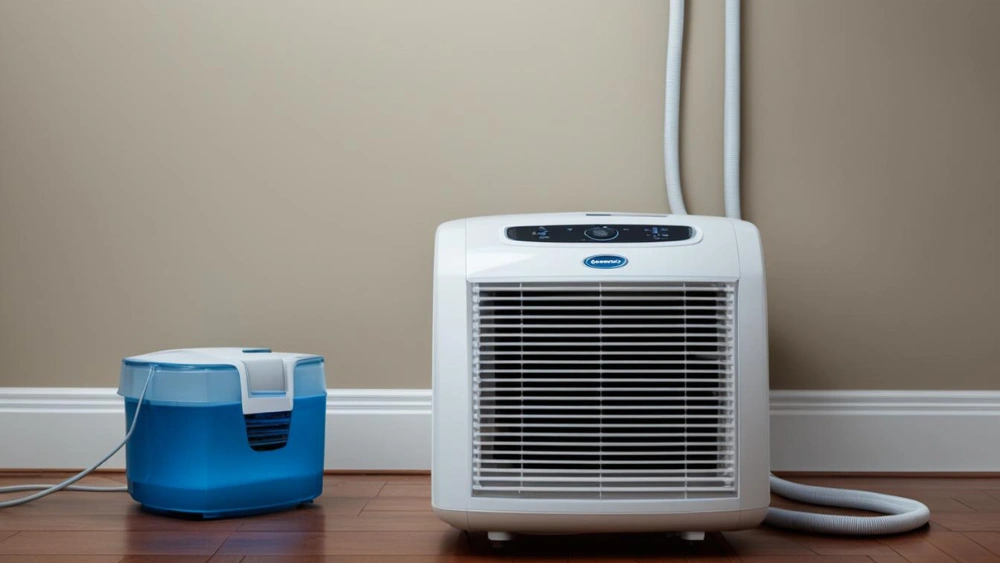
Have you ever noticed water collecting around your portable air conditioner and wondered what to do next? Knowing how often you should drain your portable air conditioner can save you from unexpected leaks and keep your unit running smoothly.
If you want to avoid damage, maintain cool air flow, and extend the life of your appliance, understanding the right draining routine is key. Keep reading to discover simple tips that make a big difference for your comfort and peace of mind.

Credit: www.youtube.com
Frequency Of Draining
Knowing how often to drain your portable air conditioner helps it run smoothly. The frequency depends on several factors. Draining too rarely can cause water leaks and damage. Draining too often might waste your time. Understanding the right timing keeps your unit efficient and extends its life.
Factors Influencing Drain Frequency
- Humidity levels: High humidity means more water collects inside.
- Usage time: Longer daily use creates more condensation.
- Room size: Smaller rooms may cause quicker water buildup.
- Air conditioner model: Some models have self-evaporating features.
- Temperature settings: Cooler settings produce more condensation.
General Guidelines For Draining
Check the water tank every 8 to 12 hours during heavy use. For moderate use, draining once every 1 to 2 days works well. Some units have a full tank indicator light. Empty the tank as soon as the light turns on.
Keep a regular schedule. This prevents water overflow and keeps the air dry. Always follow the manufacturer’s instructions for the best results.

Credit: www.youtube.com
Signs Your Air Conditioner Needs Draining
Knowing when your portable air conditioner needs draining can save you from unexpected breakdowns and discomfort. Ignoring the signs can lead to poor cooling performance and water damage around your living space. Here’s how to spot the warning signals early and keep your unit running smoothly.
Performance Issues
Have you noticed your air conditioner isn’t cooling as well as before? Reduced airflow or a drop in cooling efficiency often points to a full water tank inside the unit. When the internal reservoir fills up, the system struggles to function properly, causing uneven or weak cooling.
Another sign is if the unit runs continuously without reaching the desired temperature. This can happen because excess water inside affects the compressor’s operation. Paying attention to these performance dips can help you decide when it’s time to drain your AC.
Water Leakage
Water pooling around your portable air conditioner is a clear sign it needs draining. If you spot moisture or puddles near the base of the unit, the internal tank might be overflowing. This not only reduces the AC’s effectiveness but also risks damage to your floors or carpets.
Sometimes, condensation can build up excessively and leak through seams or vents. If you see any unusual dampness or dripping, check the drainage system immediately. Draining your unit regularly prevents leaks and keeps your space dry and safe.
Impact Of Humidity Levels
Humidity levels greatly affect how often you need to drain your portable air conditioner. The machine removes moisture from the air, collecting water inside a tank or hose. Higher humidity means more water buildup. Lower humidity means less water to drain. Understanding your area’s humidity helps you maintain your air conditioner properly.
High Humidity Areas
In places with high humidity, your portable air conditioner collects water quickly. You may need to drain the tank daily or even more often during very humid days. Excess moisture can cause the unit to stop cooling efficiently. Regular draining keeps the air conditioner running smoothly and prevents leaks.
- Check the water tank every day.
- Empty the tank before it gets full.
- Use a drain hose if available to remove water continuously.
Low Humidity Areas
In low humidity areas, your portable air conditioner collects less water. Draining is needed less often, sometimes only once a week. The machine still cools well but requires less maintenance. Keep an eye on the tank to avoid overflow and maintain performance.
- Inspect the water tank weekly.
- Drain before the tank fills completely.
- Monitor for any unusual moisture buildup.

Credit: www.angi.com
Methods For Draining
Draining your portable air conditioner is essential to keep it running smoothly and prevent water damage or mold growth. There are two main ways to empty the collected water, each with its own benefits depending on your usage and setup. Understanding these methods helps you maintain your unit efficiently without hassle.
Manual Draining Process
Manual draining involves removing the water tank or drain plug and emptying the water by hand. This method is straightforward and doesn’t require extra equipment.
To do this, turn off the unit and unplug it for safety. Locate the drain plug or water collection tray, usually at the back or bottom. Place a shallow container or towel beneath it, then carefully open the plug to let the water flow out.
How often you’ll need to manually drain depends on humidity levels and how long the unit runs daily. If you notice water pooling or your air conditioner stops cooling effectively, it’s time to check and drain. This simple step can save you from costly repairs later.
Using A Drain Hose
Some portable air conditioners come with a drain hose option, allowing continuous drainage without frequent manual emptying. This setup is perfect if you run the unit for long hours or in very humid environments.
Attach the hose to the drain outlet, making sure it’s secure and angled downwards to let gravity do the work. Direct the hose to a floor drain, bucket, or outside, wherever the water can safely flow away.
This method frees you from constant monitoring and emptying, especially during hot summer days when your unit works overtime. Have you considered if your space allows for a hose setup? It might be the easiest way to keep your air conditioner hassle-free.
Maintaining Optimal Efficiency
Maintaining optimal efficiency of your portable air conditioner ensures it cools well and lasts longer. Proper draining plays a big role in this. Water buildup can block airflow and reduce cooling power. Regular care keeps the system running smoothly and prevents damage.
Regular Maintenance Tips
- Check the water tank every day during heavy use.
- Drain the tank before it gets full to avoid leaks.
- Clean the air filters every two weeks for better airflow.
- Inspect the unit for dust or dirt and wipe it clean.
- Use a proper drain hose if your model supports continuous draining.
Avoiding Common Mistakes
- Do not ignore the water level indicator; it signals when to drain.
- Avoid letting water sit inside the tank too long to prevent mold.
- Never block the air vents with objects or fabric.
- Do not overuse the air conditioner without regular breaks.
- Avoid using harsh chemicals when cleaning to protect internal parts.
Troubleshooting Drainage Problems
Drainage issues with your portable air conditioner can be frustrating and may reduce its efficiency. Recognizing the signs early helps you avoid water damage and keeps your AC running smoothly. Let’s look at how you can spot these problems and fix them quickly.
Identifying Issues
Is your unit leaking water onto the floor or pooling inside? This often means the drain hose is blocked or disconnected. Another sign is if the air conditioner stops cooling effectively, which can happen if water isn’t draining properly.
Check for unusual noises like gurgling or splashing sounds. These can indicate trapped water inside the system. Also, inspect the water collection tray—if it’s full or overflowing, the drainage system may be clogged.
Solutions And Fixes
Start by unplugging your air conditioner and locating the drain hose. Clear any visible blockages by gently removing debris or buildup. Sometimes, running warm water through the hose can help flush out stubborn clogs.
If the drain hose is disconnected, securely reattach it to prevent leaks. Make sure the hose is positioned to allow water to flow out freely—avoid kinks or upward bends.
Empty the water collection tray regularly to avoid overflow. Some models have a self-evaporating function; however, it works best when the unit is used in warm, dry conditions.
- Clean or replace air filters regularly to reduce moisture buildup.
- Use a wet/dry vacuum to clear deeper clogs in the drain line.
- Consult the user manual for model-specific drainage advice.
Have you noticed your air conditioner’s drainage getting worse over time? Regular maintenance can prevent most problems before they start. Paying attention to these simple fixes saves you from costly repairs and keeps your space comfortable.
Frequently Asked Questions
How Often Should You Drain A Portable Air Conditioner?
You should drain your portable air conditioner every 24 to 48 hours. Frequent draining prevents water buildup and ensures optimal cooling performance.
What Happens If You Don’t Drain The Unit Regularly?
Not draining regularly causes water overflow, leading to leaks and potential damage. It also reduces cooling efficiency and may cause mold growth.
Can Portable Acs Drain Automatically?
Some portable ACs have auto-evaporation features that minimize manual draining. However, most units still require periodic manual draining to prevent water accumulation.
How Do You Know When To Drain The Portable Ac?
Indicators include water collection in the reservoir, reduced cooling efficiency, or warning lights on some models signaling the need to drain.
Conclusion
Draining your portable air conditioner keeps it working well. Check the water level every few hours during use. Empty the tank when it is full to avoid leaks. Regular draining stops mold and bad smells from forming. Clean the drain and filters often for best results.
This simple task helps your air conditioner last longer. Stay comfortable with a well-maintained cooling unit. Don’t wait until problems appear; drain it on time. It’s an easy step that saves you trouble later.






