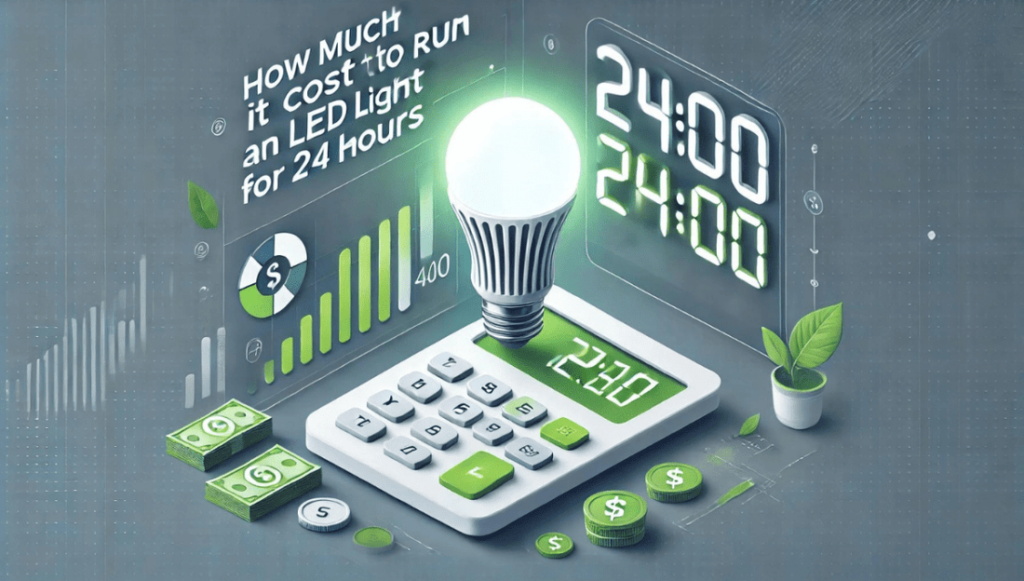
Are you curious about how much it really costs to run an LED light bulb? You might think it’s just a tiny amount, but understanding the actual cost can help you save money on your electricity bills.
Imagine cutting down your monthly expenses without changing your lifestyle. You’ll discover the true cost of running an LED bulb, how it compares to other types of bulbs, and simple tips to make your home more energy-efficient. Keep reading—you’ll be surprised at how small changes can lead to big savings.
Credit: medium.com
Led Bulb Energy Efficiency
Understanding LED bulb energy efficiency is key to figuring out how much it costs to run these lights. LEDs use less electricity to produce the same amount of light compared to older bulbs. This means you get bright lighting without a big jump in your electric bill.
Comparison With Traditional Bulbs
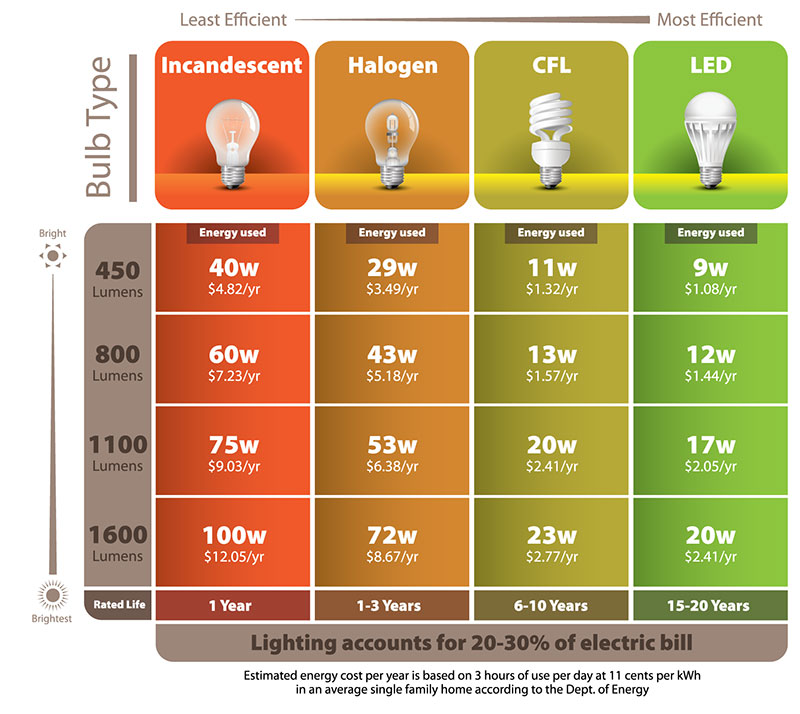
LED bulbs use about 75-80% less energy than traditional incandescent bulbs. For instance, a 60-watt incandescent bulb can be replaced by a 10-12 watt LED bulb to produce similar brightness. This drastic reduction in energy consumption translates directly into cost savings on your monthly electricity bill.
Even compared to compact fluorescent lamps (CFLs), LEDs are more efficient. They last longer and contain no harmful mercury, making them both cost-effective and environmentally friendly. Have you noticed how quickly some bulbs burn out? LEDs typically last 15-25 times longer than incandescent bulbs, meaning fewer replacements and less hassle.
Wattage And Lumen Output
Wattage measures how much power a bulb uses, while lumens indicate how bright the light is. When you shop for bulbs, focus on lumens to get the brightness you want, not just watts. For example, a 10-watt LED can emit 800 lumens, the same as a 60-watt incandescent bulb.
This focus on lumens helps you compare bulbs more accurately and avoid paying for energy you don’t need. If you want bright lighting without wasting power, choose bulbs with higher lumens per watt. Do you know how many lumens your current bulbs produce? Checking this can help you make smarter lighting choices.
Calculating Running Costs
Understanding how much it costs to run an LED light bulb helps you make smarter choices for your energy bills. Calculating running costs isn’t as tricky as it sounds. It simply involves looking at a few key factors and doing some straightforward math.
Factors Influencing Cost
Several elements affect how much you’ll spend running an LED bulb:
- Wattage:The power the bulb uses. Lower wattage means less energy consumed.
- Usage time:How many hours the bulb is on daily or monthly.
- Electricity rate:The cost you pay per kilowatt-hour (kWh) from your utility provider.
- Bulb efficiency:LEDs are more efficient than traditional bulbs, which cuts costs.
Do you know the wattage of your current bulbs? This simple number can reveal a lot about your potential savings.
Example Calculations
Let’s say you have a 10-watt LED bulb. Your electricity rate is $0.13 per kWh, and you use the bulb 5 hours a day. Here’s how you calculate the monthly running cost:
| Step | Calculation | Result |
|---|---|---|
| Convert watts to kilowatts | 10 watts ÷ 1000 | 0.01 kW |
| Calculate daily energy use | 0.01 kW × 5 hours | 0.05 kWh |
| Calculate monthly energy use | 0.05 kWh × 30 days | 1.5 kWh |
| Calculate monthly cost | 1.5 kWh × $0.13 | $0.195 |
So, running this LED bulb costs about 20 cents per month. Can you imagine how much less that is compared to older bulbs you might still have? Calculating this yourself can help you spot real savings and encourage smarter energy habits.
Long-term Savings With Led Bulbs
Thinking about the cost to run an LED light bulb? The upfront price might seem higher than traditional bulbs, but the long-term savings quickly make up for it. LED bulbs offer more than just bright light—they significantly cut down your electricity bills and last much longer, saving you money and hassle over time.
Reduced Energy Bills
LED bulbs use up to 80% less energy than incandescent bulbs. This means your monthly electricity bill can drop noticeably, especially if you have many lights at home or in your office.
Imagine replacing just five 60-watt incandescent bulbs with LEDs that use only 10 watts each. You could save about 250 watts every hour the lights are on. Over a year, that adds up to a serious reduction in energy consumption and cost.
- Lower wattage means less power used
- LEDs convert more energy into light, not heat
- They reduce the load on your electrical system
Have you ever checked your energy bill right after switching to LEDs? Many people notice the difference within the first month.
Extended Lifespan Benefits
LED bulbs last 15 to 25 times longer than traditional bulbs. This means you replace them less often, which saves you money and time.
Think about the last time you changed a bulb. Now imagine doing that once every few years instead of every few months. The convenience alone can be a big win.
Besides saving replacement costs, fewer trips to the store mean less hassle. Plus, less waste goes into the landfill, which benefits the environment.
| Bulb Type | Average Lifespan | Replacement Frequency (per year) |
|---|---|---|
| Incandescent | 1,000 hours | 12-15 times |
| LED | 25,000 hours | Once every 2-3 years |
How much value do you place on convenience and peace of mind? The long lifespan of LEDs might be worth more than just the dollars saved.
Environmental Impact
Understanding the environmental impact of running an LED light bulb helps you see beyond just the cost on your electricity bill. Your choice affects more than your wallet—it influences the planet’s health. Let’s look at how LED bulbs contribute to a greener world and what you should consider when disposing of them.
Lower Carbon Footprint
LED bulbs use significantly less energy than traditional incandescent bulbs. This means less electricity is generated, often from fossil fuels, reducing carbon dioxide emissions.
For example, switching to LEDs in your home can cut energy use for lighting by about 75%. Imagine the difference if millions did the same. This change directly lowers your personal carbon footprint.
Have you ever thought about how much carbon your lighting choices add to the environment? Choosing LEDs is a simple step toward reducing your impact every day.
Recycling And Disposal
LED bulbs contain small amounts of electronic components and metals. Unlike incandescent bulbs, they require proper recycling to prevent harmful materials from polluting the environment.
Many communities offer recycling programs for LEDs, making it easier for you to dispose of them responsibly. Avoid tossing them in the trash to keep toxic substances out of landfills.
Taking a few minutes to recycle your LED bulbs helps close the loop on their environmental footprint. How often do you check for local recycling options before throwing something away?
Choosing The Right Led Bulb
Choosing the right LED bulb is key to saving energy and getting the best light. The cost to run an LED bulb depends on its features and how well it fits your needs.
Selecting the correct brightness and color makes a big difference in comfort and energy use. Also, the bulb must work with your fixtures to avoid extra expenses or poor performance.
Brightness And Color Temperature
Brightness is measured in lumens. Higher lumens mean brighter light. Choose lumens based on the room size and purpose.
Color temperature affects the mood. It is measured in Kelvins (K):
- 2700K–3000K: Warm, cozy light for living areas
- 3500K–4100K: Neutral white, good for kitchens and offices
- 5000K–6500K: Cool, daylight-like for workspaces
Select a color temperature that fits your space and activity.
Compatibility With Fixtures
Check the bulb base type matches your fixture socket. Common types are E26, E27, and GU10.
Look for the right size and shape to fit the fixture. Some LED bulbs are too large for enclosed fixtures.
Make sure the bulb supports dimming if your fixture has a dimmer switch. Not all LEDs work with dimmers.
Using the right bulb prevents flickering and extends bulb life, lowering running costs.
Credit: www.batteriesplus.com
Tips For Maximizing Savings
Saving money on LED light bulb costs is easier with smart choices and habits. Small changes can lower electricity bills significantly. Use energy wisely and choose the right tools for your home.
Smart Lighting Solutions
Choose LED bulbs with the correct brightness and color temperature. Use dimmable LEDs to adjust light levels and save power. Install motion sensors in less-used rooms to turn lights off automatically. Timers help control lighting hours, reducing waste. Consider smart bulbs controlled by apps to switch off lights remotely.
Energy-saving Habits
- Turn off lights when leaving a room.
- Use natural light during the day.
- Clean bulbs and fixtures regularly for better brightness.
- Replace old bulbs with LED versions immediately.
- Use task lighting instead of lighting the whole room.

Credit: www.amazon.ca
Frequently Asked Questions
How Much Electricity Does An Led Bulb Use?
An LED bulb typically uses 8-12 watts, much less than traditional bulbs. This low wattage reduces electricity consumption and saves money on energy bills.
What Is The Average Cost To Run An Led Bulb?
Running an LED bulb costs about $0. 01 to $0. 02 per hour, depending on local electricity rates. This makes LEDs highly cost-effective compared to incandescent bulbs.
How Long Do Led Bulbs Last Compared To Others?
LED bulbs last around 15,000 to 25,000 hours, far longer than incandescent or CFL bulbs. This longevity reduces replacement frequency and overall costs.
Do Led Bulbs Save Money On Electricity Bills?
Yes, LED bulbs save up to 80% on electricity bills compared to incandescent bulbs. Their efficiency lowers energy use, translating into significant savings over time.
Conclusion
LED light bulbs cost very little to run each month. They use less energy than traditional bulbs. This means you save money on your electric bill. Over time, those savings can add up. LED bulbs also last much longer, reducing replacement costs.
Choosing LEDs helps you use energy wisely and keep expenses low. Small changes like this make a big difference. Switching to LED bulbs is a smart and simple way to cut costs. Bright light, low cost. That’s the power of LED.