Are you wondering if a steam mop is safe to use on your vinyl flooring? You want your floors to shine without any damage, but with so much conflicting advice out there, it’s hard to know what’s best.
Using the wrong cleaning method could cause warping, discoloration, or even shorten the life of your floors. Keep reading, because we’ll break down exactly how steam mops interact with vinyl floors—and what you need to do to keep your home looking its best without any risk.
Your floors deserve the right care, and you’re about to find out how to give it.
Steam Mops And Vinyl Floors
Using a steam mop on vinyl flooring is a topic that often sparks debate among homeowners. You want your floors to shine without risking damage. Understanding how steam mops work and what makes vinyl flooring unique can help you decide if this cleaning method suits your space.
How Steam Mops Work
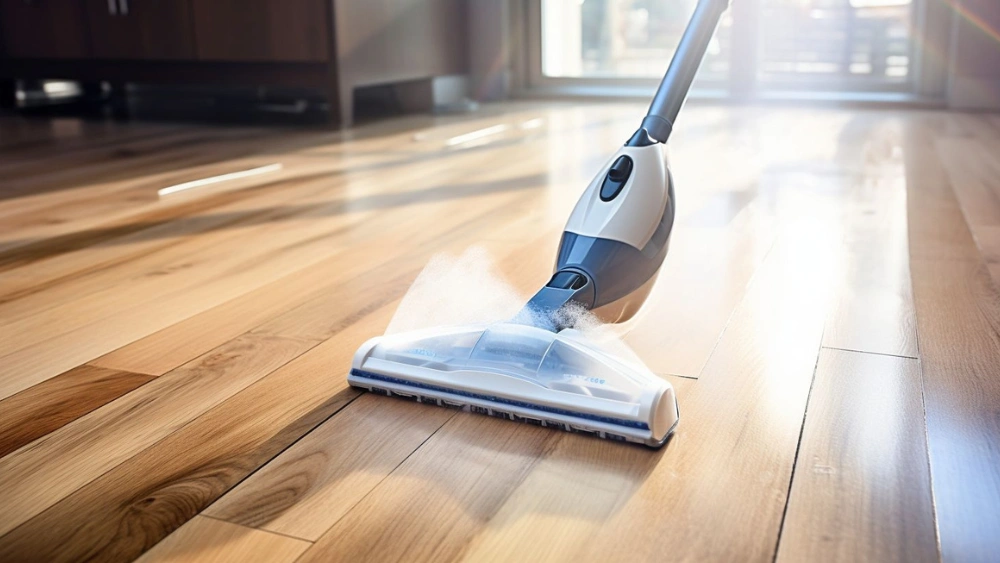
Steam mops use heated water to produce steam, which loosens dirt and grime from surfaces. This process doesn’t require harsh chemicals, making it an eco-friendly option for many. The steam penetrates small crevices, making it effective on textured floors.
However, the temperature of the steam can be quite high, which might cause issues with some floor types. The mop’s pad absorbs the moisture, but excess water can sometimes remain on the floor. This balance between heat and moisture is crucial when choosing to use a steam mop.
Vinyl Flooring Characteristics
Vinyl flooring is durable and water-resistant but not entirely waterproof. It consists of multiple layers including a wear layer that protects the design and core layers that provide stability. The surface can handle regular mopping but is sensitive to excessive heat and moisture.
When steam hits vinyl, it can cause warping or bubbles if the heat or moisture is too intense. Some vinyl floors are labeled as “steam mop safe,” but many are not. You should check your flooring manufacturer’s guidelines before using steam cleaning.
Have you noticed any warping or discoloration on your vinyl floors after cleaning? That might be a sign that steam mops aren’t the best fit for your specific flooring. Sometimes, gentle cleaning with a damp mop and vinyl-safe cleaner is more effective and safer.

Credit: www.arcfloor.com.sg
Risks Of Using Steam Mops On Vinyl
Using a steam mop on vinyl flooring might seem like a quick way to get a deep clean, but it carries certain risks that you should carefully consider. Vinyl is sensitive to both heat and moisture, and steam mops deliver intense heat combined with water vapor. Understanding the possible dangers can help you protect your flooring and avoid costly damage.
Heat Damage Concerns
Steam mops generate high temperatures that can soften or even melt the vinyl surface. If the heat is too intense or applied for too long, the protective wear layer may blister or peel off. Have you noticed any changes in your vinyl flooring after using hot water or direct heat? That could be an early sign of heat damage from steam cleaning.
Moisture Issues
Vinyl floors are water-resistant but not waterproof. Excess moisture from steam can seep into the seams or edges, especially if the vinyl is installed over a wooden subfloor. This trapped moisture encourages mold growth and weakens the adhesive, leading to loose or buckled planks. Have you experienced any musty smells or lifting sections after cleaning? These are red flags for moisture problems.
Potential Warping And Discoloration
Warping happens when vinyl absorbs heat and moisture unevenly, causing it to bend or ripple. Prolonged exposure to steam may also fade the color or cause blotchy discoloration. Even if your floor looks fine at first, repeated steam cleaning can lead to long-term visual and structural issues. How often do you steam clean your vinyl floor? Sometimes, less frequent cleaning with gentler methods is safer.
Safe Steam Mop Practices
Using a steam mop on vinyl flooring requires careful attention. Safe steam mop practices protect the floor and extend its life. Proper use avoids damage like warping or discoloration. Knowing how to choose and operate your steam mop matters most. Small steps ensure a clean and safe floor.
Choosing The Right Steam Mop
Select a steam mop designed for delicate floors. Look for models with adjustable steam settings. Lightweight mops reduce pressure on vinyl surfaces. Avoid heavy or industrial steam cleaners. A mop with microfiber pads works best for gentle cleaning.
Adjusting Temperature Settings
Lower steam settings suit vinyl flooring better. High heat can damage the vinyl layer. Always start with the lowest temperature. Increase steam gradually if needed. Avoid using continuous steam in one spot. Move the mop steadily to prevent heat buildup.
Using Protective Accessories
Use microfiber or soft cloth pads to protect vinyl. Some mops come with special pads for sensitive floors. Consider adding a mop cover for extra protection. Avoid abrasive or rough materials that can scratch. Regularly change or wash pads to keep them clean.
Alternative Cleaning Methods
Vinyl flooring needs gentle care to keep its look and strength. Steam mops may cause damage over time. There are safe and effective ways to clean vinyl floors without steam. These methods help protect your floor and keep it shining.
Manual Mopping Techniques
Manual mopping is simple and safe for vinyl floors. Use a soft mop or microfiber cloth to avoid scratches. Dampen the mop with water rather than soaking it. Wring out excess water before cleaning the floor. Mop in gentle, circular motions to lift dirt and stains. Change water frequently to avoid spreading dirt. Dry the floor with a clean towel after mopping to prevent water damage.
Recommended Cleaning Solutions
Choose cleaning solutions that are mild and safe for vinyl. Mix warm water with a few drops of dish soap for daily cleaning. Use a vinegar and water solution for tougher stains—one cup of vinegar to one gallon of water works well. Avoid harsh chemicals like bleach or ammonia as they can damage the floor. Test any new cleaner on a small, hidden area first. Use commercial vinyl floor cleaners following the instructions on the label.
Maintaining Vinyl Floors Without Steam
Regular care keeps vinyl floors looking fresh. Sweep or vacuum often to remove dust and dirt. Place mats at entrances to reduce dirt tracked inside. Clean spills immediately to prevent stains and damage. Use furniture pads to avoid scratches from heavy items. Avoid dragging furniture across the floor. Maintain a consistent cleaning routine to extend the floor’s life.
Signs Steam Mopping Has Harmed Vinyl
Warping, bubbling, or peeling on vinyl floors often show steam mop damage. Discoloration and a dull surface also signal harm from excessive steam. These signs mean steam mopping may not be safe for your vinyl flooring.
Vinyl flooring offers durability and style. Yet, steam mopping can harm it. Understanding the signs of damage is crucial. This helps maintain the beauty and longevity of your floors.
Identifying Surface Damage
Surface damage appears as dull spots or scratches. These occur from excess heat and moisture. Inspect your vinyl for uneven textures. Feel for rough patches or indentations. Regular checks help catch damage early.
Detecting Color Changes
Color changes indicate potential harm. Steam can fade or discolor vinyl. Look for patches with uneven shades. Compare sections with unaffected areas. Consistent coloring means your floor is safe. Any variation suggests steam-related damage.
Addressing Warped Sections
Warping causes vinyl to buckle or lift. This results from heat exposure. Check for areas that don’t lie flat. Press gently to feel for air pockets. Warped sections need immediate attention. Prevent further damage by avoiding steam on vinyl.

Credit: www.facebook.com
Maintaining Vinyl Floors Long-term
Keeping your vinyl floors looking fresh and new over time takes more than just occasional mopping. It requires a mix of regular care, smart habits, and knowing when to bring in experts. Let’s break down how you can maintain your vinyl floors long-term without risking damage or costly repairs.
Regular Cleaning Tips
Cleaning vinyl floors regularly helps you avoid dirt buildup that can scratch or dull the surface. Use a soft broom or a vacuum designed for hard floors to remove dust and debris daily or as needed.
For deeper cleaning, a damp mop with warm water and a gentle cleaner made for vinyl works best. Avoid harsh chemicals and abrasive tools, as they can strip the protective layer or cause discoloration.
Have you ever noticed how sticky spots or spills left too long become harder to clean? Tackling spills immediately keeps your floors spotless and prevents stains.
Preventing Damage
Protect your vinyl floors by placing felt pads under furniture legs to stop scratches when you move chairs or tables. Avoid dragging heavy items across the floor.
Consider using area rugs or mats in high-traffic zones to reduce wear. But watch out for rugs with rubber backing, which can trap moisture and discolor your vinyl.
Do you use a steam mop? While tempting, steam can damage vinyl floors by warping or peeling the surface. Instead, stick to methods that use minimal water and no heat.
When To Call Professionals
Sometimes, your vinyl floors might need more than your regular cleaning routine. If you notice deep scratches, lifting edges, or stains that won’t budge, it’s time to call in a professional.
Experts can assess the damage and recommend repairs or refinishing that you can’t safely do yourself. Don’t wait until minor issues turn into expensive problems.
Have you ever tried fixing a flooring problem on your own and ended up making it worse? Knowing when to step back and seek help can save your floors and your wallet.
Frequently Asked Questions
Can Steam Mops Damage Vinyl Flooring?
Yes, steam mops can damage vinyl flooring if used improperly. Excessive heat and moisture may cause warping or peeling. Always check manufacturer guidelines and use low steam settings for safety.
Is Steam Cleaning Safe For All Vinyl Floors?
Not all vinyl floors are steam-safe. Some types, especially older or cheaper vinyl, can be damaged by steam. Verify the flooring type before using a steam mop to avoid damage.
How Often Should You Steam Mop Vinyl Floors?
Steam mop vinyl floors only when necessary, about once a month or for spot cleaning. Overuse can weaken the adhesive and finish, leading to premature wear or damage.
Can Steam Mops Remove Stains From Vinyl Flooring?
Steam mops can effectively remove dirt and light stains on vinyl floors. However, stubborn stains may require specialized cleaners or manual scrubbing for best results.
Conclusion
Steam mops can clean vinyl floors effectively with care. Use low steam settings to avoid damage. Avoid soaking the floor with too much water. Test a small area first to check for any problems. Regular cleaning keeps vinyl floors looking fresh and bright.
Steam mopping saves time and reduces harsh chemicals. Keep floors dry after cleaning to prevent warping. With proper use, steam mops are safe for vinyl floors. Simple steps help maintain your floor’s beauty longer. Choose the right tools, and your vinyl floor stays clean and healthy.