Are you tired of flickering lights or bulbs that just won’t brighten the way you want? You might have wondered if all LED bulbs can be dimmed to create the perfect mood in your home.
Understanding whether your LED bulbs are dimmable is key to avoiding frustration and getting the lighting experience you deserve. Keep reading, and you’ll discover the simple truth about LED dimming and how to choose the right bulbs for your space.
This knowledge will save you time, money, and hassle. Ready to light up your room exactly how you want? Let’s dive in.

Credit: www.amazon.ca
Dimmable Vs. Non-dimmable Led Bulbs
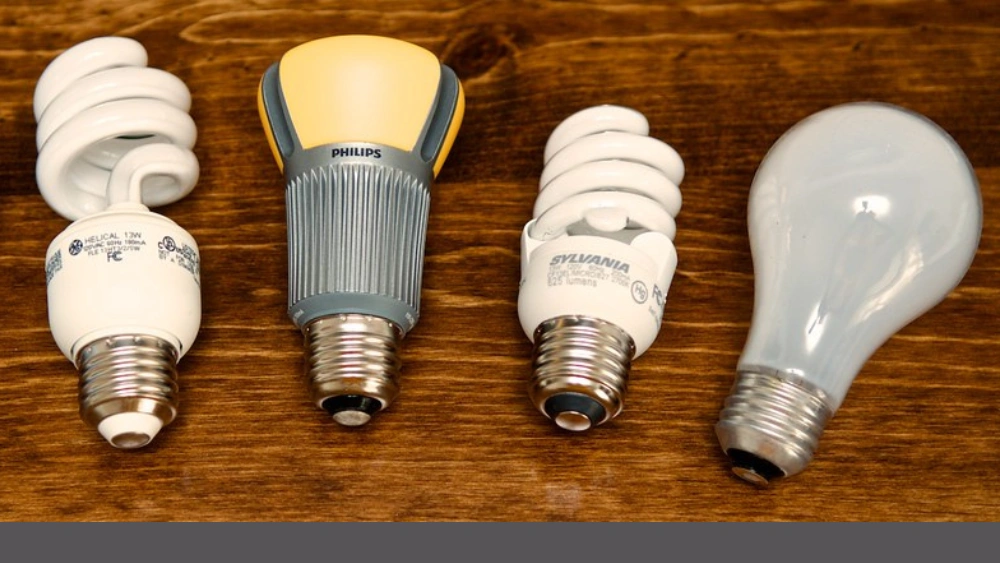
LED bulbs come in two main types: dimmable and non-dimmable. Choosing the right one affects how you control your lighting. Dimmable LED bulbs allow you to adjust brightness, creating different moods and saving energy. Non-dimmable bulbs only provide a fixed light level. Understanding their differences helps avoid problems like flickering or damage.
Key Differences Explained
- Dimmable LED Bulbs:Designed to work with dimmer switches. They adjust brightness smoothly.
- Non-Dimmable LED Bulbs:Provide constant brightness. Not made for dimmer use.
- Compatibility:Dimmable bulbs need special dimmer switches made for LEDs.
- Cost:Dimmable bulbs usually cost a bit more than non-dimmable ones.
- Performance:Using non-dimmable bulbs with dimmers can cause flickering or damage.
Common Misconceptions
- All LED bulbs are not dimmable by default.
- Using a dimmer switch does not guarantee dimming unless bulbs are dimmable.
- Dimming capability is not about bulb brightness but about design and electronics.
- Non-dimmable bulbs used with dimmers can shorten bulb life.
- Labels on the packaging clearly show if a bulb is dimmable.
How Led Bulbs Work
Understanding how LED bulbs work is key to figuring out if all of them can dim. LED bulbs operate differently than traditional bulbs, which affects their ability to adjust brightness. Let’s break down the technology and the factors that influence dimmability so you can make better lighting choices for your space.
Led Technology Basics
LED stands for Light Emitting Diode, a tiny semiconductor that emits light when an electric current passes through it. Unlike incandescent bulbs, LEDs don’t rely on heating a filament; they produce light more efficiently and last longer.
This design means LED bulbs need specific electronic components, like drivers, to convert electricity into usable light. The quality and type of these components directly impact how the bulb performs, including whether it can dim smoothly.
Factors Affecting Dimmability
Not all LED bulbs are created equal when it comes to dimming. The key factors include:
- Driver Compatibility:The driver inside the bulb must support dimming. Non-dimmable drivers can cause flickering or damage if you try to dim the light.
- Dimmer Switch Type:Your existing dimmer may only work well with incandescent bulbs. LED-compatible dimmers provide better control and prevent flickering.
- Bulb Design:Some LED bulbs are made with dimming in mind, while others prioritize brightness or color accuracy over dimming capability.
Have you ever tried dimming an LED bulb only to find it flickers or doesn’t get dim enough? This often happens when the bulb and dimmer switch aren’t matched properly. Knowing these factors can save you from frustrating experiences and ensure your lighting behaves exactly how you want it to.
Identifying Dimmable Led Bulbs
Identifying dimmable LED bulbs is essential for creating the right lighting mood. Not all LED bulbs support dimming, so checking their features is important. You can find out if an LED bulb is dimmable by examining its packaging and manufacturer details. This helps avoid buying bulbs that won’t work with dimmer switches.
Packaging And Labeling
Packaging usually shows if the LED bulb is dimmable. Look for clear words like “dimmable” or symbols indicating dimming. Some packages include icons of dimmer switches or light controls. If the box does not mention dimmability, the bulb likely cannot dim.
Be aware of terms like “compatible with dimmers.” This means the bulb works with some dimmers but not all types. Also, check for voltage and wattage information, as these can affect dimming performance.
Manufacturer Specifications
Manufacturer specifications provide detailed information about dimming. Visit the manufacturer’s website or read the product manual. Specifications often list the types of dimmers that work with the bulb.
These details include:
- Compatible dimmer models
- Recommended dimmer settings
- Minimum and maximum dimming levels
Following manufacturer guidelines ensures the bulb dims smoothly without flickering or buzzing. This helps extend bulb life and improves lighting control.
Benefits Of Dimmable Led Bulbs
Dimmable LED bulbs offer several benefits that improve your lighting experience. They provide flexibility and help create the perfect atmosphere in any room. Using dimmable LEDs can save energy and extend the bulb’s life. These bulbs also allow you to adjust brightness based on your needs and mood.
Energy Efficiency
Dimmable LED bulbs use less power when dimmed. Lower brightness means lower electricity consumption. This helps reduce your energy bills over time. LEDs already use less energy than traditional bulbs. Dimming them increases these savings even more. Less energy use means less impact on the environment.
Enhanced Lighting Control
Dimmable LEDs give you full control over light levels. You can set bright light for tasks or soft light for relaxation. This control improves comfort in any space. Adjust lighting to match different times of day or activities. It also helps reduce eye strain. You get the right light exactly when needed.
Challenges With Dimmable Led Bulbs
Dimmable LED bulbs promise great energy savings and mood lighting, but they come with their own set of challenges. Not all LED bulbs dim smoothly, and many users find themselves facing unexpected issues after installation. Understanding these challenges can save you time, money, and frustration.
Compatibility Issues
Not every LED bulb works well with all dimmer switches. Traditional dimmers designed for incandescent bulbs often fail to control LED bulbs properly. This mismatch can cause the bulb to not dim at all or to behave erratically.
When you pick an LED bulb, check if it specifies compatibility with your dimmer. Some manufacturers provide a list of compatible dimmers, which can prevent headaches later. Have you ever installed a dimmable LED only to realize it flickers or stays fully bright? That’s often due to compatibility problems.
Flickering Problems
Flickering is one of the most common complaints with dimmable LEDs. It can happen due to poor quality bulbs, incompatible dimmers, or even wiring issues in your home. Flickering not only annoys but can also indicate electrical inefficiency or damage.
To reduce flickering, try using bulbs and dimmers from the same brand or those proven to work together. Sometimes, simply changing the dimmer switch to one designed for LEDs can fix the problem. Ask yourself: are you willing to invest in better components to avoid ongoing flicker?

Credit: www.amazon.ca
Choosing The Right Dimmer Switch
Choosing the right dimmer switch is crucial if you want to enjoy the full benefits of your LED bulbs. Not all dimmer switches work well with every LED, and picking the wrong one can cause flickering, buzzing, or even damage your bulbs. Understanding the types of dimmers and their compatibility with LEDs will help you make the best choice for your lighting setup.
Types Of Dimmer Switches
There are several types of dimmer switches designed for different lighting technologies. The most common types include:
- Leading-edge dimmers– These are older models originally made for incandescent bulbs. They cut the front part of the AC waveform.
- Trailing-edge dimmers– Designed for modern lighting, these cut the end of the AC waveform and provide smoother dimming with LEDs.
- Universal dimmers– Compatible with both incandescent and LED bulbs, offering flexibility but sometimes less precision.
Knowing which type to pick can save you from frustration. If you’ve ever faced flickering lights, the dimmer type was probably the culprit.
Compatibility Considerations
Compatibility between your LED bulbs and dimmer switches is not guaranteed by default. Always check if your LED bulb packaging or manufacturer specifies dimmer compatibility.
Here are some tips to keep in mind:
- Look for LED bulbs labeled “dimmable” to ensure they work with dimmer switches.
- Match your dimmer switch to the bulb’s requirements—trailing-edge dimmers often work best with LEDs.
- Avoid mixing incompatible bulbs and dimmers to prevent buzzing or flickering.
Have you noticed your lights flicker or hum after installing a dimmer? It might be time to re-evaluate your dimmer-bulb pairing. Choosing the right dimmer switch isn’t just about convenience—it’s about making your lighting work perfectly for you.
Installation Tips
Installing dimmable LED bulbs can seem tricky at first. Proper installation ensures they work smoothly and last longer. Follow these simple tips for a safe and effective setup.
Diy Installation Guide
Start by turning off the power at the switch or circuit breaker. Remove the old bulb carefully. Check if your dimmer switch supports LED bulbs. Use bulbs labeled as dimmable for the best results. Screw the new LED bulb into the socket gently. Turn the power back on and test the dimming function. If flickering occurs, try adjusting the dimmer or replacing it with an LED-compatible model.
Professional Assistance
Electricians can ensure your wiring and dimmer switch are compatible with LED bulbs. They can install or upgrade dimmer switches designed for LED technology. Professionals help avoid damage to bulbs and switches. They also guarantee safety and code compliance. Hiring an expert is wise for complex or older electrical systems.

Credit: www.amazon.ca
Future Of Led Dimming Technology
The future of LED dimming technology is shaping up to be more user-friendly and efficient than ever before. As LED bulbs become the standard in homes and businesses, the need for smooth and reliable dimming grows. You might wonder how upcoming innovations will impact your lighting experience and what trends are driving these changes.
Innovations In Led Technology
LED manufacturers are constantly improving dimmable LEDs to ensure compatibility with more dimmer switches. New designs focus on reducing flickering and noise, making your lighting more comfortable and stable.
Smart LED bulbs that connect to apps and voice assistants are becoming more common. These allow you to adjust brightness levels seamlessly and create custom lighting scenes tailored to your mood or activity.
Have you noticed how some bulbs now adjust their color temperature as they dim? This is called “warm dimming,” and it adds a cozy atmosphere by shifting light from cool white to warm amber as you lower brightness.
Market Trends
The demand for dimmable LED bulbs is rising quickly, pushing companies to offer more affordable and versatile options. Retailers now stock a broader range of bulbs that work well with older dimmer models and new smart systems.
Energy efficiency remains a key focus, with many consumers seeking bulbs that save power without sacrificing dimming quality. This trend encourages brands to innovate while keeping costs low for everyday users.
Will you choose a smart dimmable LED or stick with traditional models? Understanding market trends helps you pick lighting that fits your lifestyle and budget while preparing you for future upgrades.
Frequently Asked Questions
Are All Led Bulbs Dimmable By Default?
No, not all LED bulbs are dimmable. Only bulbs labeled as dimmable work with dimmer switches. Non-dimmable LEDs can flicker or get damaged if dimmed.
How To Identify If An Led Bulb Is Dimmable?
Check the packaging or product description for “dimmable” labeling. Manufacturers clearly mark dimmable LED bulbs. If unclear, consult the seller or manufacturer.
Can I Use Any Dimmer Switch With Led Bulbs?
No, LED bulbs require compatible dimmer switches. Traditional dimmers may cause flickering or poor performance. Use dimmers designed specifically for LED lighting.
What Causes Flickering In Dimmable Led Bulbs?
Flickering occurs due to incompatible dimmers or low-quality bulbs. Incorrect voltage or poor wiring can also cause flicker. Use quality dimmable LEDs and compatible dimmers.
Conclusion
Not all LED bulbs work with dimmer switches. Some LEDs need special dimmers to function properly. Check the bulb’s packaging or description before buying. Using the wrong dimmer can cause flickering or damage. Choosing the right dimmable LED helps save energy and set the mood.
Always match bulbs with your dimmer type for best results. This way, you get smooth light and longer bulb life. Simple steps can avoid frustration and wasted money. Remember, understanding your bulbs makes your lighting better and easier.