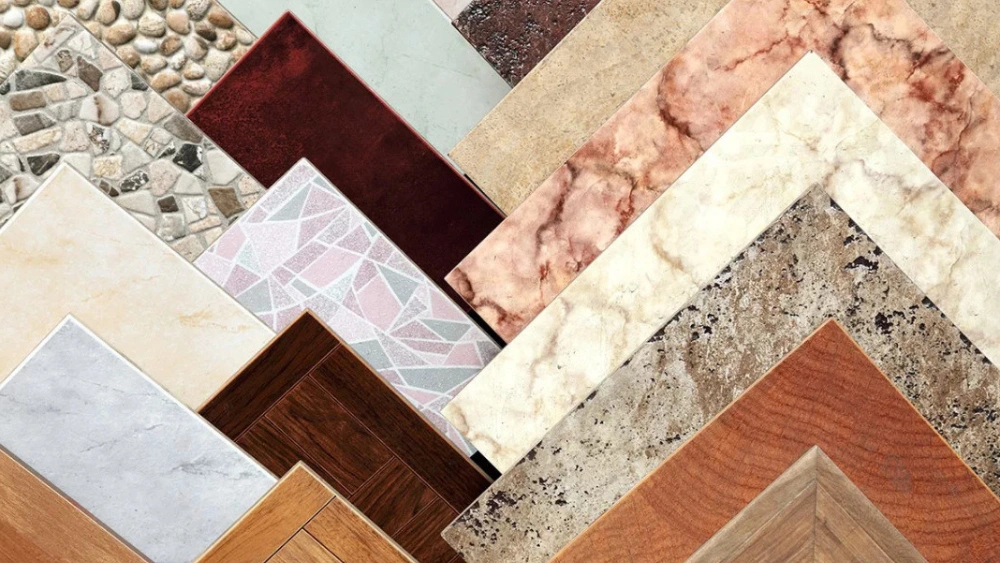
Are you curious about how thick a ceramic tile really is? Whether you’re planning a home renovation or just want to understand what makes ceramic tiles so durable, knowing their thickness can make a big difference.
The right thickness affects not only the tile’s strength but also how it feels under your feet and how easy it is to install. Keep reading, and you’ll discover everything you need to know about ceramic tile thickness—and how this simple detail can impact your project’s success.
Tile Thickness Basics
Understanding tile thickness is key before choosing ceramic tiles. Thickness affects durability, installation, and appearance. Tiles come in various thicknesses for different uses. Knowing the basics helps pick the right tile for your project.
Standard Thickness Ranges
Ceramic tiles typically range from 6mm to 12mm thick. Most wall tiles are thinner, around 6 to 8mm. Floor tiles tend to be thicker, usually 8 to 12mm. Thicker tiles handle more wear and weight. Some specialty tiles can be even thicker for heavy traffic areas.
Factors Affecting Tile Thickness
Tile thickness depends on the tile type and its use. Floor tiles need extra thickness for strength. Wall tiles can be thinner since they hold less weight. The manufacturing process also changes thickness. Handmade or natural tiles may vary more than machine-made ones. The tile’s size affects thickness too. Larger tiles often need to be thicker to avoid cracking.
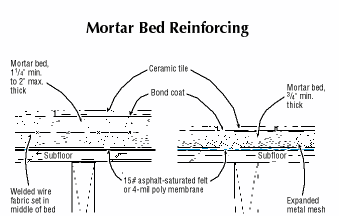
Credit: www.jlconline.com
Types Of Ceramic Tiles
Ceramic tiles come in various types, each designed for specific uses. Understanding the differences helps in choosing the right tile for your project. Thickness and durability vary depending on the tile type.
Wall Tiles Vs Floor Tiles
Wall tiles are thinner and lighter than floor tiles. They usually measure between 6mm to 8mm thick. Floor tiles need to be stronger to handle weight and traffic. Their thickness ranges from 8mm to 12mm or more.
Wall tiles focus on aesthetics and ease of installation. Floor tiles must resist wear, impact, and slipping. Using wall tiles on floors can cause damage quickly. Floor tiles on walls may be too heavy and hard to fix.
Porcelain Vs Traditional Ceramic
Porcelain tiles are denser and less porous than traditional ceramic. This makes porcelain tiles thicker, often 10mm to 12mm. They are harder and more durable for floors and outdoor use.
Traditional ceramic tiles are usually 6mm to 10mm thick. They are easier to cut and install but less strong than porcelain. Porcelain tiles cost more but last longer in tough conditions.
Measuring Tile Thickness
Measuring the thickness of ceramic tile is a simple task that can save you from costly mistakes during installation or renovation. Knowing the exact thickness helps you ensure the tile fits perfectly with other materials like underlayment or trim. It also affects the tile’s durability and suitability for different areas of your home.
Tools Needed
To measure tile thickness accurately, you don’t need fancy equipment. Here are the basic tools that work well:
- Caliper:A digital or manual caliper gives the most precise measurement.
- Ruler or Tape Measure:Use this if you don’t have a caliper; it’s less precise but still useful.
- Flat Surface:A table or countertop to place the tile steadily while measuring.
Choosing the right tool depends on how exact your measurement must be. A caliper is ideal for professionals or serious DIYers, while a ruler is fine for quick checks.
Step-by-step Measurement
Start by placing the tile on a flat surface to keep it stable. This prevents any errors caused by uneven positioning.
If you’re using a caliper, open the jaws and gently clamp them on the tile’s edge. Read the measurement directly from the digital screen or scale.
With a ruler, align the zero mark with the bottom of the tile, then note where the top edge falls. Be sure to look straight down to avoid parallax errors.
Check the thickness in several spots, especially if the tile isn’t perfectly uniform. Tiles often vary slightly, so use the average for your project.
Have you ever installed tiles that were too thick or thin for your setup? Measuring beforehand can prevent that frustration and ensure a smooth finish every time.
Thickness And Installation
The thickness of ceramic tiles plays a vital role in installation. It affects the choice of adhesive and how well tiles align with different subfloors. Understanding these aspects can ensure successful tile installation.
Impact On Adhesive Choice
Ceramic tile thickness influences adhesive selection. Thicker tiles need stronger adhesive to hold them securely. This prevents movement over time. Adhesive must support the tile’s weight effectively. Choose the right adhesive to avoid installation issues.
Adjusting For Subfloor Variations
Subfloor variations affect tile installation. Uneven surfaces require adjustments. Thicker tiles help level uneven subfloors. Proper leveling prevents cracks and breaks. It ensures a smooth tile surface. Consider subfloor condition when choosing tile thickness.
Choosing The Right Thickness
Choosing the right thickness for ceramic tiles affects both function and style. Thickness impacts how tiles hold up over time and how they look in your space. Picking the correct tile thickness helps ensure lasting quality and a pleasing design.
Durability Considerations
Thicker ceramic tiles offer greater strength and resist cracking better. They suit areas with heavy foot traffic or furniture. Thin tiles work well for walls or light-use floors. Consider the room’s use before selecting tile thickness. Also, thicker tiles handle uneven surfaces with less risk of damage.
Aesthetic And Design Factors
Tile thickness affects the overall appearance and feel of a room. Thin tiles create a sleek, modern look. Thick tiles add depth and a sturdy presence. Thicker tiles may raise floor height slightly, which matters near doors or cabinets. Choose thickness that matches your design vision and practical needs.
Credit: www.alibaba.com
Common Installation Challenges
Installing ceramic tiles comes with its own set of challenges. The thickness of the tile affects how it fits and stays in place. Problems during installation can cause uneven floors and poor looks. Knowing these challenges helps prepare for a smooth process.
Uneven Surfaces
Uneven surfaces cause tiles to sit improperly. Thin tiles may crack if the floor is not flat. Thick tiles need extra adhesive to level out bumps. Uneven floors lead to weak spots and tile damage. Checking and fixing the surface before tiling is key. Use a leveling compound or sand rough areas.
Tile Lippage Issues
Tile lippage happens when one tile edge is higher than the next. Thick ceramic tiles can make lippage more visible. It creates tripping hazards and looks bad. Lippage occurs due to uneven tile thickness or poor installation. Using spacers and leveling systems reduces lippage risks. Careful handling and precise measurements help keep tiles even.
Maintenance Tips For Thick Tiles
Thick ceramic tiles offer durability and a solid feel underfoot. Maintaining them properly helps keep their strength and appearance over time. Follow simple care steps to protect your investment and enjoy lasting beauty.
Cleaning Techniques
Use a soft broom or vacuum to remove loose dirt daily. Mop tiles with warm water and mild detergent regularly. Avoid harsh chemicals that can erode the tile surface or grout. For stubborn stains, apply a paste of baking soda and water, then scrub gently with a soft brush. Rinse thoroughly to prevent residue buildup. Dry tiles with a clean cloth to prevent water spots and streaks.
Preventing Damage
- Place felt pads under furniture legs to avoid scratches.
- Use rugs or mats in high-traffic areas to reduce wear.
- Clean spills immediately to prevent staining and grout damage.
- Avoid dropping heavy objects on the tiles to prevent cracks.
- Seal grout lines periodically to protect against moisture and dirt.

Credit: www.amazon.ca
Frequently Asked Questions
What Is The Standard Thickness Of Ceramic Tiles?
Ceramic tiles typically range from 6mm to 10mm in thickness. The standard thickness ensures durability and easy installation for most residential and commercial floors and walls.
Does Tile Thickness Affect Durability?
Yes, thicker ceramic tiles are generally more durable. They resist cracking and heavy foot traffic better than thinner tiles, making them ideal for high-use areas.
Are Wall Tiles Thinner Than Floor Tiles?
Usually, yes. Wall tiles are often thinner, around 6mm, while floor tiles are thicker, about 8-10mm, to withstand more weight and wear.
How Does Thickness Impact Tile Installation?
Tile thickness influences the type of adhesive and grout needed. Thicker tiles may require stronger adhesives and careful leveling during installation.
Conclusion
Ceramic tile thickness varies based on use and style. Thicker tiles offer more durability and strength. Thin tiles work well for walls or light traffic areas. Knowing tile thickness helps in choosing the right tile for your project. It also ensures proper installation and long-lasting results.
Always check the thickness before buying to match your needs. This small detail makes a big difference in your space. Choose wisely and enjoy a beautiful, lasting finish.