Have you ever accidentally spilled paint on your vinyl floor and watched it dry, feeling stuck and unsure what to do next? You’re not alone, and the good news is that removing dried paint doesn’t have to be a nightmare.
Imagine restoring your floor to its original clean look without damaging it or spending a fortune. You’ll discover simple, effective methods to get dried paint off your vinyl floor quickly and safely. Keep reading—you’ll be surprised how easy it can be to bring your floor back to life.
Causes Of Paint Stains On Vinyl
Paint stains on vinyl floors happen more often than people think. These stains appear because paint can drip, spill, or splash during home projects. Vinyl is smooth but porous enough to hold onto paint once it dries. Understanding the causes helps prevent stains and keeps floors clean.
Paint stains form quickly if paint touches the floor and stays wet too long. Once dry, the paint bonds tightly to vinyl, making it hard to remove. Knowing the common reasons for paint stains guides you in avoiding damage and maintaining your vinyl floor’s look.
Accidental Spills During Painting
Paint cans or brushes can slip, causing spills on the floor. Drips fall unnoticed, especially with dark or fast-drying paint. The floor absorbs these drops, leading to stubborn spots.
Improper Floor Protection
Skipping floor covers like plastic sheets or drop cloths allows paint to reach vinyl. This often happens during quick or small jobs. Without protection, even small splashes cause stains.
Using The Wrong Paint Type
Some paints, like oil-based, stick more firmly to vinyl. Water-based paints are easier to clean but still stain if left too long. The wrong choice increases stain risk.
Ignoring Wet Paint On Floors
Wet paint on vinyl needs fast cleaning. Leaving it to dry makes removal tough. Paint hardens and bonds with the floor surface over time.
Lack Of Proper Cleaning Tools
Using rough or unsuitable tools can spread paint or push it deeper. Soft cloths and gentle cleaners work best to avoid damage and reduce stains.
Credit: www.bobvila.com
Safety Measures Before Cleaning
Protect your hands with gloves and ensure good ventilation before cleaning dried paint. Test cleaning solutions on a small spot to avoid floor damage. Use gentle tools to prevent scratches on the vinyl surface.
Cleaning dried paint from a vinyl floor requires careful preparation to ensure safety and prevent damage. Before you start scrubbing away, take some time to set up your workspace properly. This not only protects you but also keeps your vinyl floor in pristine condition. Let’s dive into some essential safety measures that should be on your checklist.Check Your Cleaning Supplies
Before you begin, review the cleaning supplies you plan to use. Make sure they are appropriate for vinyl surfaces. Some harsh chemicals can cause discoloration or damage. Opt for gentle solutions, like dish soap or vinegar, and avoid strong solvents unless absolutely necessary.Ventilate The Area
Proper ventilation is crucial when working with cleaning agents, even mild ones. Open windows or doors to keep the air flowing. This minimizes inhalation of fumes and ensures a safer environment for you and anyone else nearby.Wear Protective Gear
Protect yourself with gloves and goggles. Gloves shield your skin from potential irritants, while goggles prevent splashes from reaching your eyes. Even if you’re using mild solutions, it’s better to be safe than sorry.Test In A Hidden Spot
Before applying any cleaning solution to the paint stain, test it in an inconspicuous area of the vinyl floor. This helps you gauge how the floor reacts to the cleaner and prevents any accidental damage.Secure The Area
Ensure the area around the stain is clear. Move furniture and other obstacles out of the way. This prevents tripping hazards and allows you to work efficiently without interruptions. Are you ready to tackle that stubborn paint stain without risking damage to your vinyl floor? By following these safety measures, you can clean with confidence and maintain the integrity of your flooring.Tools And Materials Needed
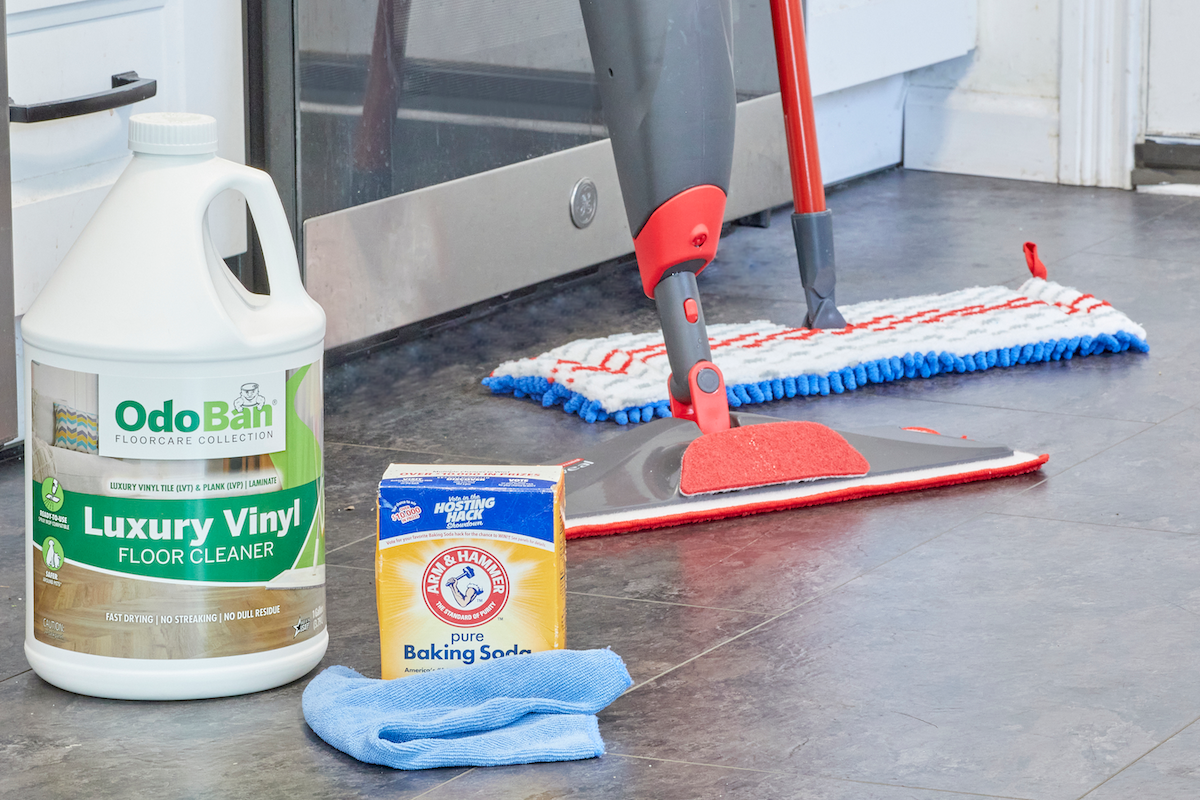
Removing dried paint from your vinyl floor requires the right tools and materials to avoid damage and make the process easier. Having everything prepared before you start can save you time and frustration. Let’s go over what you’ll need to get the job done effectively.
Essential Cleaning Supplies
- Warm water and mild dish soap:Helps loosen paint without harming vinyl.
- Soft cloths or microfiber towels:Perfect for gentle scrubbing and wiping.
- Plastic scraper or old credit card:Use to carefully lift paint without scratching the floor.
Specialized Removal Agents
- Rubbing alcohol or nail polish remover (acetone-free):Breaks down dried paint but won’t damage vinyl if used cautiously.
- Commercial vinyl floor cleaner:Designed specifically for vinyl surfaces to clean tough stains.
- Paint remover safe for vinyl:Check labels carefully to ensure it won’t strip or discolor your floor.
Protective Gear And Additional Tools
- Gloves:Protect your hands from chemicals and rough scrubbing.
- Soft-bristled brush:Useful for scrubbing without scratching.
- Bucket:For mixing soapy water or rinsing cloths.
Have you ever tried scraping paint off your floor and ended up with scratches? Using a plastic scraper instead of a metal one can make all the difference. Getting the right materials ready before you start means you can work confidently and avoid costly mistakes.
Using Warm Soapy Water
Using warm soapy water is one of the simplest and safest ways to remove dried paint from vinyl floors. It’s gentle enough not to damage the surface but effective in softening the paint, making it easier to scrape or wipe away. Before reaching for harsh chemicals, give this method a try—you might be surprised by how well it works.
Preparing The Soapy Water Solution
Start by filling a bucket with warm water, not hot, as excessive heat can warp vinyl. Add a few drops of mild dish soap to create a gentle cleaning solution. Stir the water until it’s sudsy but not overly bubbly—this balance helps break down paint without leaving residue.
Applying The Solution To The Paint Stains
Use a soft cloth or sponge dipped in the soapy water to cover the dried paint spots. Let the solution sit on the paint for 5 to 10 minutes. This soaking time softens the paint, making it less stubborn and easier to remove.
Scrubbing And Removing The Paint
After soaking, gently scrub the paint with a soft-bristled brush or non-abrasive scrub pad. Avoid harsh scrubbing tools that can scratch your vinyl floor. If the paint doesn’t come off easily, apply more soapy water and repeat the process rather than forcing it.
Rinsing And Drying Your Floor
Once the paint is removed, rinse the area with clean warm water to remove any soap residue. Use a dry cloth to wipe the floor dry to prevent water spots or damage. Keeping your floor clean and dry after the process helps maintain its finish and durability.
Applying Rubbing Alcohol
Applying rubbing alcohol is an effective way to remove dried paint from vinyl floors. This solvent softens the paint, making it easier to lift off without damaging the floor. Rubbing alcohol is gentle yet powerful, ideal for delicate surfaces like vinyl.
Before starting, ensure the room is well ventilated. Use a small amount of rubbing alcohol to avoid soaking the floor. Test on a small, hidden area first to check for any discoloration or damage.
Gathering Necessary Materials
- Rubbing alcohol (isopropyl alcohol, 70% or higher)
- Soft cloth or cotton balls
- Plastic scraper or old credit card
- Warm water
- Mild dish soap
- Towel for drying
Preparing The Area
Clear the floor around the paint spot. Sweep or vacuum loose dirt and dust. This prevents scratches while cleaning. Place a towel nearby to catch any drips or residue. Wear gloves to protect your skin.
Applying Rubbing Alcohol To The Paint
Moisten a soft cloth or cotton ball with rubbing alcohol. Dab it gently onto the dried paint spot. Let it sit for a few minutes. This softens the paint, loosening its grip on the vinyl surface.
Removing The Softened Paint
Use a plastic scraper or old credit card. Gently scrape the paint off the floor. Avoid using metal tools to prevent scratches. Wipe the area with a clean cloth to remove loosened paint.
Cleaning The Floor After Paint Removal
Mix warm water with a few drops of mild dish soap. Use a clean cloth to wipe the area. This removes any rubbing alcohol and paint residue. Dry the floor with a towel to prevent water damage.
Using Acetone Or Nail Polish Remover
Using acetone or nail polish remover is a common way to remove dried paint from vinyl floors. These liquids break down paint quickly and make cleaning easier. Nail polish remover often contains acetone, which dissolves paint without harsh scrubbing.
Before applying, test a small hidden area of the floor. This step ensures no damage or discoloration occurs. Use a soft cloth or cotton ball to apply the acetone gently. Avoid pouring it directly on the floor.
Prepare The Area And Gather Supplies
- Ventilate the room by opening windows or doors
- Wear gloves to protect your skin
- Use a soft cloth or cotton balls
- Have a clean cloth for wiping
- Keep a bucket of warm, soapy water nearby
Apply Acetone Or Nail Polish Remover Carefully
- Dip the cloth or cotton ball in acetone
- Gently dab the dried paint spot
- Allow it to sit for a few seconds
- Rub softly to lift paint from the surface
- Repeat if needed, but avoid over-saturating
Clean And Rinse The Vinyl Floor
- Wipe the treated area with a clean cloth
- Use warm, soapy water to remove residue
- Dry the floor with a soft towel
- Check for any leftover paint or acetone smell
- Repeat cleaning if necessary for complete removal
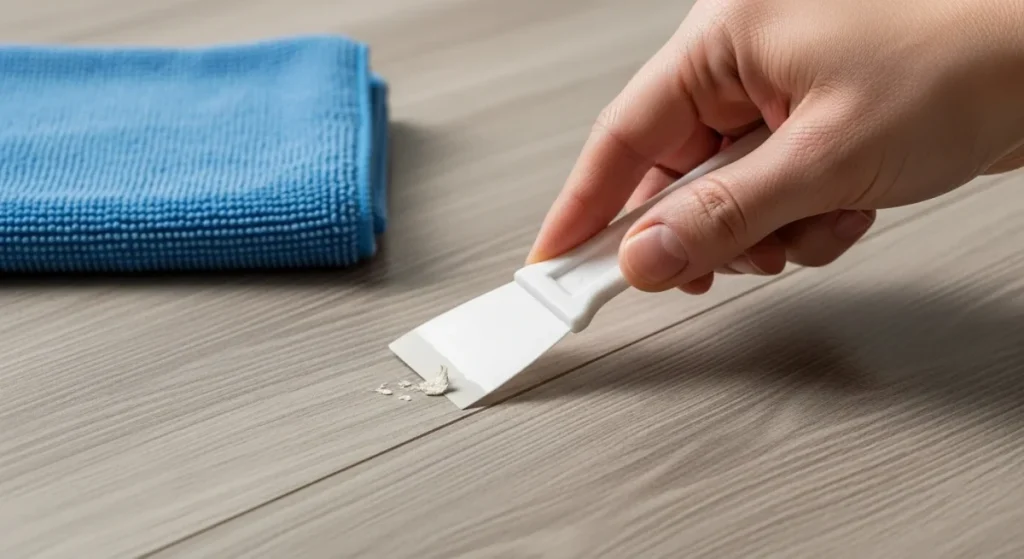
Scraping Gently With A Plastic Scraper
Removing dried paint from vinyl floors requires care to avoid scratches or damage. Scraping gently with a plastic scraper can be surprisingly effective. It allows you to lift paint without harming the surface beneath.
Choosing The Right Plastic Scraper
Not all scrapers are created equal. Pick one with a flat, smooth edge to prevent gouging your floor. A scraper designed for delicate surfaces or even a plastic putty knife can work well.
Have you noticed how metal scrapers can leave marks? Plastic scrapers avoid that risk while still giving you enough leverage to remove paint.
Preparing The Floor Before Scraping
Before you start scraping, soften the dried paint. Use a damp cloth with warm water and let it sit on the paint for a few minutes. This loosens the paint, making it easier to lift with the scraper.
Skipping this step can make scraping harder and increase the chance of damaging your vinyl. Patience here saves you trouble later.
Scraping Technique For Best Results
- Hold the scraper at a low angle, almost flat against the floor.
- Apply gentle pressure to lift the paint rather than force it off.
- Work in small sections to keep control and avoid scratches.
- Stop immediately if you feel resistance that could harm the vinyl.
Have you ever tried scraping too hard and ended up with marks? Gentle, steady strokes often do the trick better than brute force.
Cleaning Up After Scraping
Once the paint lifts, wipe the area with a clean, damp cloth to remove residue. You might need to repeat the scraping and wiping a few times for stubborn spots.
Finishing with a gentle vinyl floor cleaner restores shine and ensures no sticky paint remains. This step helps maintain your floor’s look and feel.

Credit: www.facebook.com
Using Commercial Vinyl Floor Cleaners
Using commercial vinyl floor cleaners can be a smart choice when you’re facing dried paint on your vinyl floors. These products are designed specifically to clean without damaging the surface. Choosing the right cleaner can save you time and effort, especially if home remedies haven’t worked well.
Choosing The Right Commercial Cleaner
Not all vinyl floor cleaners are equal when it comes to removing paint. Look for products labeled as safe for vinyl or multi-surface cleaners that mention paint removal. Avoid harsh chemicals like bleach or ammonia—they can discolor or weaken your floor.
Have you checked the label closely before buying? Sometimes, the best cleaner is one you already have at home.
How To Use Commercial Vinyl Floor Cleaners Safely
Apply the cleaner directly to the dried paint spot, but don’t soak the vinyl. Use a soft cloth or sponge to gently rub the paint off. Harsh scrubbing can scratch your floor, so be patient and gentle.
Test the cleaner on a small, hidden area first to make sure it won’t damage your floor’s finish. This simple step can save you from costly repairs later.
Tips For Getting The Best Results
- Work in small sections to avoid spreading paint further.
- Keep a clean, damp cloth nearby to wipe away loosened paint and cleaner residue immediately.
- Repeat the process if necessary, but give the floor time to dry between attempts.
Have you ever noticed how patience pays off when cleaning delicate surfaces? Rushing might leave stains or scratches that last longer than the paint itself.
Tips To Avoid Damage To Vinyl Floors
Avoid using harsh chemicals or sharp tools to protect vinyl floors from scratches. Gently scrape dried paint with a plastic scraper and clean with warm, soapy water. Test cleaning solutions on a small area first to prevent damage.
Vinyl flooring is popular for its durability and sleek look, but it can easily get damaged if not handled with care. If you’ve ever found yourself battling dried paint on your vinyl floor, you’re not alone. While removing the paint is essential, ensuring your vinyl floor remains unharmed is just as important. Here are some practical tips to help you avoid damage and maintain your floor’s pristine condition.Use Gentle Cleaning Agents
Opt for mild detergents or vinegar mixed with warm water to tackle paint stains. Harsh chemicals can strip the protective layer off your vinyl. A gentle approach keeps your floor safe while effectively removing the paint.Test In A Small Area First
Before applying any cleaner or tool, test it in a hidden spot. This way, you can see if it reacts negatively with the vinyl surface. A small test prevents large-scale damage and saves you from costly repairs.Avoid Abrasive Tools
Steer clear of metal scrapers or hard brushes. These can scratch and ruin the finish of your vinyl flooring. Instead, use soft cloths or plastic scrapers to gently lift the paint.Don’t Over-saturate The Floor
Excessive moisture can seep into the seams and cause the vinyl to lift. Use a damp cloth rather than soaking the floor. Keeping water usage minimal protects the integrity of your flooring.Apply Heat Carefully
A hairdryer can soften dried paint, making it easier to remove. However, too much heat can warp the vinyl. Use the lowest heat setting and keep the dryer moving to avoid damage.Regular Maintenance Is Key
Consistent cleaning prevents paint from settling deeply into the vinyl texture. Regular upkeep keeps your flooring in top shape. Are you maintaining your floors regularly to prevent stubborn stains? By considering these tips, you can effectively remove dried paint while ensuring your vinyl floor remains intact and beautiful.Preventing Paint Spills In The Future
Preventing paint spills on vinyl floors saves time and effort. It keeps floors clean and undamaged. Taking simple steps can reduce the chance of paint accidents. These tips help maintain your floor’s look and avoid tough cleanup jobs.
Use Protective Coverings
Cover the floor with drop cloths or plastic sheets. Secure edges with tape to avoid slipping. This creates a barrier between paint and vinyl. It is easy to remove after painting.
Choose Low-drip Paint Tools
Select brushes and rollers designed to hold paint well. These tools reduce drips and splatters. They help control paint application and keep spills minimal.
Keep Paint Containers Closed
Close paint cans tightly when not in use. This prevents accidental spills and drying out. Use small containers for easier handling.
Organize Your Painting Space
Arrange tools and paint in one area. Keep walkways clear to avoid knocking paint over. A tidy space reduces accidents and distractions.
Wear Protective Gear
Wear gloves and old clothes while painting. This protects you and helps avoid spreading paint. Clean hands prevent accidental smudges on the floor.
Credit: selectmyblog.com
Frequently Asked Questions
How Can I Safely Remove Dried Paint From Vinyl Floors?
Use a plastic scraper to gently lift the paint. Apply warm soapy water and a soft cloth to clean residue. Avoid harsh chemicals that can damage vinyl surfaces.
What Household Items Remove Dried Paint On Vinyl Floors?
Rubbing alcohol or nail polish remover works well on dried paint. Dab with a cloth and gently rub until paint softens. Always test on a small area first.
Is It Safe To Use Chemicals On Vinyl Flooring Paint Stains?
Some chemicals can harm vinyl floors. Use mild solvents like rubbing alcohol carefully. Avoid acetone or strong paint removers to prevent damage.
Can Heat Help Remove Dried Paint From Vinyl Floors?
Yes, gently warming paint with a hairdryer softens it. Then scrape carefully with a plastic tool. Avoid overheating to protect the vinyl surface.
Conclusion
Removing dried paint from vinyl floors takes patience and care. Use gentle tools and safe cleaners to avoid damage. Small spots need soft scrubbing, while larger stains may require repeated attempts. Always test cleaners on a hidden area first. Clean the floor well after paint removal to restore shine.
Regular care keeps your vinyl floor looking fresh and clean. Follow these tips to maintain your floor’s beauty easily.