Have you ever noticed a stubborn spot of dry paint ruining the smooth look of your vinyl floor? It’s frustrating, isn’t it?
You want your floor to shine, not to be marked by unwanted paint. But don’t worry—getting dry paint off vinyl doesn’t have to be a headache. You’ll discover simple, effective ways to remove that paint without damaging your floor. Keep reading, and you’ll soon have your vinyl floor looking fresh and flawless again.
Credit: selectmyblog.com
Causes Of Paint On Vinyl Floors
Paint stains on vinyl floors happen more often than expected. These marks usually come from small accidents during home projects. Knowing why paint ends up on vinyl helps you clean it better and avoid damage. Paint can dry quickly, making removal tricky if not treated fast. Understanding the causes helps you act before the paint sets in.
Common Painting Mishaps
Paint spills occur during home renovations or crafts. Drips fall from brushes or rollers onto floors. Paint cans can tip over by mistake. Sometimes, paint splatters when stirring or mixing. Workers might not use drop cloths to protect floors. Kids playing near painting areas also cause stains. Even small smudges can leave lasting marks.
Types Of Paint On Vinyl
Different paints behave differently on vinyl floors. Water-based paints are easier to clean but still stain if dried. Oil-based paints stick strongly and need special cleaners. Latex paint is common and can harden quickly on vinyl. Enamel paint creates a tough, shiny coat that resists removal. Knowing the paint type guides the best cleaning method.
Safety Precautions
Removing dry paint from a vinyl floor can be tricky, but safety should always come first. Chemicals and scrapers might seem harmless, but without proper precautions, you could harm yourself or damage your floor. Taking a moment to prepare can save you from accidents and ensure a smoother cleaning process.
Protective Gear
Always wear gloves to protect your hands from harsh chemicals and sharp edges on scrapers. A pair of safety goggles shields your eyes from unexpected splashes or dust particles. If you plan to use strong cleaning agents, consider wearing a mask to avoid inhaling fumes.
I once skipped gloves and ended up with irritated skin that took days to heal. Trust me, a simple pair of gloves makes a big difference in comfort and safety. Don’t forget to wear old clothes or an apron to avoid staining your favorite outfit.
Ventilation Importance
Good airflow is crucial when working with paint removers or solvents. Open windows and doors to let fresh air circulate and push fumes outside. If possible, use a fan to increase ventilation and reduce the concentration of harmful vapors.
Have you noticed how headaches or dizziness can sneak up during cleaning sessions? That’s often a sign of poor air quality. Keeping your space well-ventilated helps you stay alert and prevents long-term health issues.
Tools And Materials Needed
Gather a soft cloth, warm water, mild soap, and a plastic scraper. These simple tools help remove dry paint without harming vinyl floors. Having rubbing alcohol or a gentle adhesive remover can also be useful for stubborn spots.
When dealing with stubborn dry paint on your vinyl floor, having the right tools and materials at your disposal can make the task much easier. Let’s explore what you’ll need to tackle this common household challenge effectively.Household Items
Sometimes, the solution to your problem lies right in your kitchen cabinet or laundry room. A few household items can be surprisingly effective in removing dry paint from vinyl floors. A plastic scraper or a credit card can help gently lift the paint without scratching the floor. You might also find that a simple mixture of warm water and dish soap can loosen the paint, making it easier to remove. Additionally, white vinegar can act as a mild solvent to break down paint particles. Have you ever tried using baking soda for cleaning? It can be a gentle abrasive that helps scrub away the paint without damaging the vinyl. These items are not only cost-effective but also readily available, making them your first line of defense in tackling dry paint.Specialized Cleaners
While household items can be effective, sometimes you need a little more power to get the job done. Specialized cleaners designed specifically for paint removal can be a lifesaver. Look for products labeled as vinyl-safe to ensure they won’t harm your flooring. Consider purchasing a commercial paint remover that’s known for its efficiency in lifting dry paint. These cleaners often contain solvents that are stronger than vinegar or soap, designed to break down paint quickly. Have you ever wondered why professionals opt for these products? It’s because they are formulated to target paint molecules specifically, providing a more thorough clean. Remember, when using specialized cleaners, always read the instructions carefully and test a small area first to avoid any unintended damage. With the right tools and materials, your vinyl floor can look as good as new.Step-by-step Removal Methods
Removing dry paint from vinyl floors can seem tough. Using the right steps helps protect the floor and removes paint effectively. Follow simple, clear methods to get the best result. Each method uses common items or easy tools. Try these step-by-step ways to clean your vinyl floor safely and quickly.
Using Warm Soapy Water
Start with warm water and mild soap. Mix soap in a bucket of warm water. Dip a soft cloth or sponge in the water. Gently rub the paint spot in a circular motion. This softens the paint without harming the floor. Rinse the area with clean water. Dry with a soft towel. Repeat if needed until paint loosens.
Applying Rubbing Alcohol
Use rubbing alcohol for tougher paint spots. Pour a small amount on a cotton ball or cloth. Dab it gently on the dry paint. Let it sit for a few minutes to break the paint. Rub gently with the cloth to lift paint off. Clean the area with soapy water after. Dry the floor to avoid damage.
Using Acetone Or Nail Polish Remover
Acetone works well on stubborn paint stains. Use nail polish remover with acetone for safety. Test a small hidden spot first. Apply a little acetone on a cloth. Rub gently on the paint until it softens. Wipe away loosened paint carefully. Clean the floor with water and soap after. Avoid using too much acetone to protect vinyl.
Scraping With Care
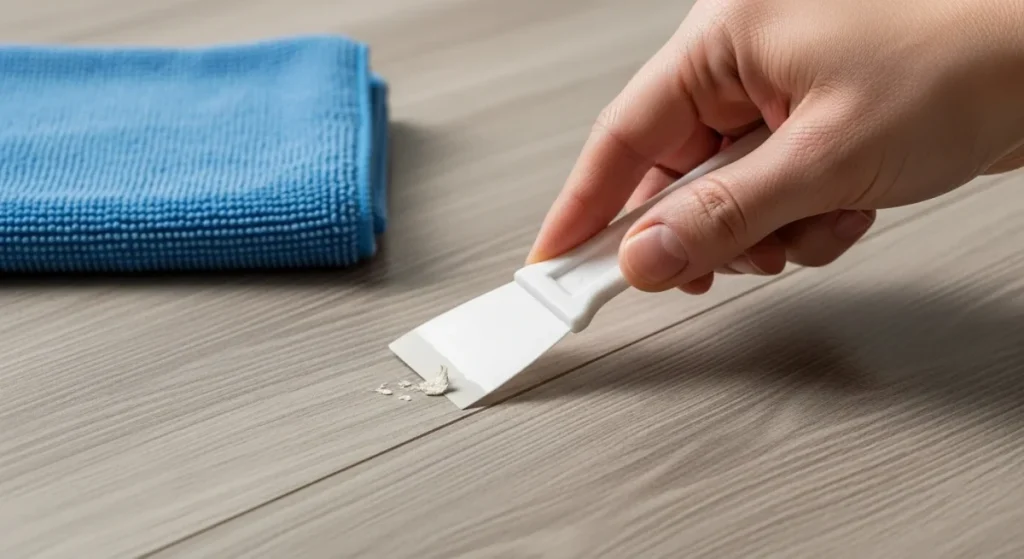
Scraping helps remove thick, dry paint layers. Use a plastic scraper or old credit card. Hold the scraper at a low angle to the floor. Gently push the paint off without scratching. Work slowly to avoid damage. After scraping, clean the floor with soapy water. Dry the area well to finish.
Using Commercial Paint Removers
Commercial paint removers can be effective on tough paint. Choose a remover safe for vinyl floors. Read the label and follow all instructions. Apply a small amount on the paint spot. Let it sit for the recommended time. Wipe off paint with a soft cloth. Clean the floor thoroughly with water. Ventilate the room well during use.
Tips For Stubborn Paint Spots
Stubborn paint spots on vinyl floors can be tough to remove. Patience and the right approach help clear these marks without damage. Use gentle techniques and repeat treatments if needed. This section covers key tips to handle tough paint stains safely and effectively.
Repeated Application
Apply a paint remover or cleaning solution several times on the spot. Let it sit for a few minutes each time. Gently rub with a soft cloth or sponge after each application. Stubborn paint needs patience and persistence to come off.
Softening Paint
Soften dry paint by applying warm, soapy water. Let the water soak into the paint for 10 to 15 minutes. This weakens the paint’s grip on the vinyl. Use a plastic scraper to lift softened paint carefully. Avoid using metal tools that can scratch.
Avoiding Floor Damage
- Test any cleaner on a small, hidden area first.
- Use non-abrasive cloths or sponges only.
- Avoid harsh chemicals that may discolor vinyl.
- Do not use sharp tools or scrapers hard on the floor.
- Work slowly and gently to protect the vinyl surface.
Credit: flooringking.co.uk
Preventing Future Paint Stains
Preventing paint stains on your vinyl floor saves you time and hassle later. It’s easier to stop paint from sticking than to remove it. Taking a few simple precautions while painting can protect your floors and keep them looking new.
Protective Coverings
Cover your vinyl floor with plastic sheets or drop cloths before you start painting. Make sure the covering extends beyond the work area to catch any stray drips or spills. Weighted edges or painter’s tape can help keep these coverings in place so they don’t shift and expose your floor.
Using old newspapers or cardboard can also work, but they might let paint seep through if they get wet. Consider investing in reusable floor protection pads if you paint regularly; they save money over time and provide reliable coverage.
Proper Painting Techniques
How you handle your paintbrush or roller directly affects the chances of spills. Avoid overloading your brush with paint to prevent drips. Instead, dip lightly and tap off excess paint before applying it to the surface.
Work slowly and carefully near the edges of the room or close to the floor. Using painter’s tape along the baseboards creates a clean line and adds a barrier to keep paint from reaching the vinyl. Have a damp cloth nearby to quickly wipe any small drops before they dry.
When To Call A Professional
Knowing when to call a professional to remove dry paint from your vinyl floor can save you time, money, and frustration. Some paint removal jobs look simple but may cause more harm than good if tackled without expertise. Understanding the signs that you need expert help ensures your floor stays in great condition.
Extensive Paint Damage
If the paint covers a large area or has deeply set into the vinyl texture, removal becomes complicated. Attempting to scrub or scrape off extensive paint might spread the mess or wear down the floor’s surface. Have you ever tried to clean a big spill and ended up making it worse? That’s a clear signal to bring in a professional who has the right tools and techniques for heavy-duty paint removal.
Risk Of Vinyl Floor Damage
Vinyl floors are sensitive to harsh chemicals and abrasive scrubbing. Using the wrong solvent or tool can cause discoloration, peeling, or permanent scratches. If you’re unsure about the type of paint or the floor’s finish, it’s safer to trust a specialist. They know how to protect your vinyl while removing paint without damaging the material underneath.

Credit: www.facebook.com
Frequently Asked Questions
How Can I Remove Dry Paint From Vinyl Floors Safely?
Use a plastic scraper to gently lift paint spots. Apply warm soapy water with a soft cloth. Avoid harsh chemicals to protect the vinyl surface. Test any cleaner on a small area first.
What Household Items Remove Dry Paint From Vinyl Floors?
Rubbing alcohol and vinegar are effective for small paint stains. Dab them on the paint, let sit briefly, then wipe. Avoid abrasive scrubbing to prevent damage to the vinyl.
Can I Use Commercial Paint Removers On Vinyl Floors?
Use only vinyl-safe paint removers. Read labels carefully to avoid harsh solvents. Always test in an inconspicuous spot before full application to ensure no discoloration or damage.
How Long Does It Take To Remove Dry Paint From Vinyl Floors?
Removal time varies by paint type and thickness. Light spots may come off within minutes using gentle methods. Thick or multiple layers may require repeated treatments.
Conclusion
Removing dry paint from vinyl floors takes patience and care. Use gentle tools and safe cleaners to protect your floor. Small spots come off easier with warm water and soap. Stubborn paint may need rubbing alcohol or a plastic scraper.
Always test cleaners in a hidden spot first. Clean the area well after paint removal to avoid residue. Regular cleaning helps keep vinyl floors bright and new. With these simple steps, your floor will look fresh again. Stay patient and careful for the best results.