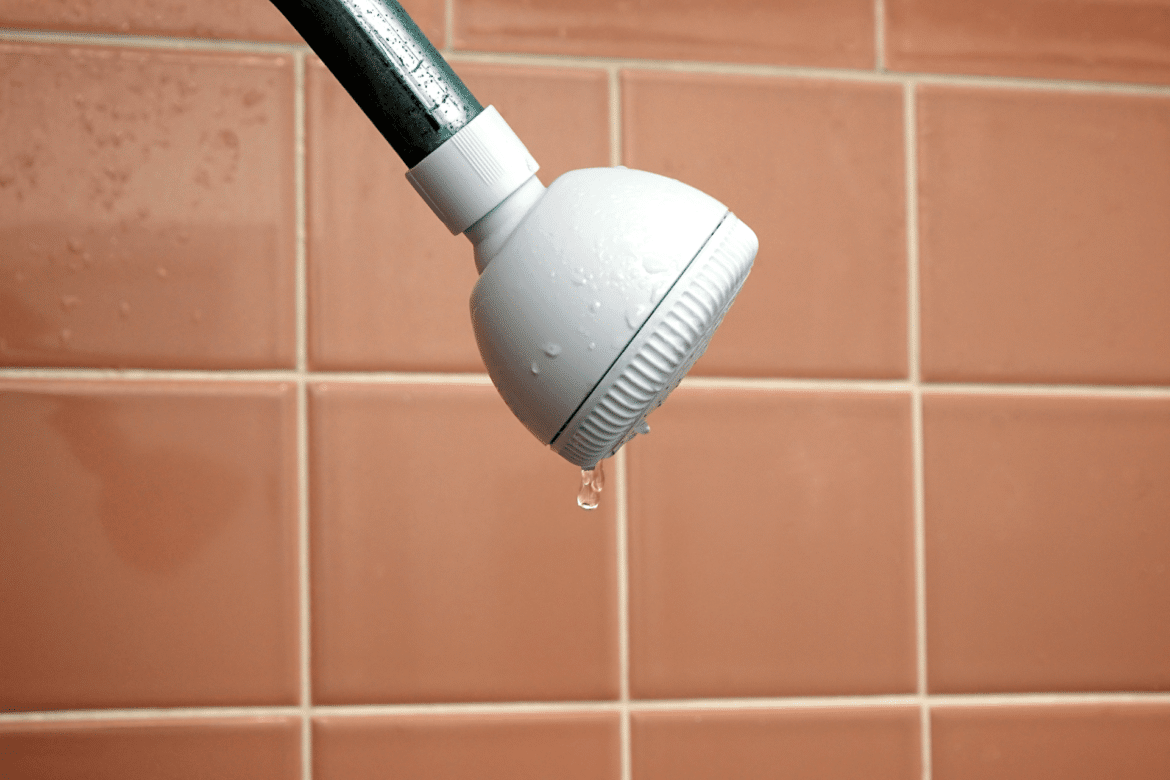
Is your shower head constantly dripping, wasting water and driving up your bills? A leaking shower head isn’t just annoying—it can also cause damage to your bathroom over time.
The good news is that you don’t need to call a plumber or spend a fortune to fix it. You’ll discover simple, step-by-step solutions that anyone can follow to stop that leak quickly and easily. Keep reading, and you’ll be back to enjoying a perfect shower in no time.

Credit: www.youtube.com
Common Causes Of Shower Head Leaks
Leaking shower heads can be more than just an annoying drip; they waste water and increase your utility bills. Understanding why your shower head leaks is the first step to fixing it effectively. Let’s break down the most common reasons behind those persistent leaks so you can stop the drip for good.
Worn Out Washers Or O-rings
Inside your shower head, washers and O-rings create a tight seal to prevent water from escaping. Over time, these small rubber components can become brittle, cracked, or deformed. Have you ever noticed water dripping even when the shower is off? That’s often due to these parts failing.
Build-up Of Mineral Deposits
Hard water leaves behind mineral deposits that clog small openings in your shower head. This blockage can cause water pressure to build up and force water through unintended gaps. If your water feels rough or leaves white residue, minerals might be the culprit behind your leak.
Loose Or Damaged Shower Head Connections
Your shower head screws onto a pipe fitting called the shower arm. If this connection isn’t tight or if the threads are damaged, water can leak out around the edges. You might feel water spray around the joint or see water stains on the wall nearby.
Cracks Or Corrosion In The Shower Head
Plastic or metal shower heads can develop cracks or corrosion over time, especially in older models. These imperfections allow water to escape through unexpected places. Have you checked your shower head for visible cracks or rust spots? Catching these early can save you from a full replacement.
High Water Pressure
Excessive water pressure can strain your shower head’s seals and joints, causing leaks. If your water feels unusually forceful, it might be pushing water through weak points. Testing your home’s water pressure could reveal if this is behind your leak.
Essential Tools For Repair
Fixing a leaking shower head needs a few key tools. Having the right tools makes the repair easier and faster. You do not need many items, but the ones you use must be effective and reliable.
These tools help you remove parts, check seals, and tighten fittings. Using proper tools prevents damage to the shower head. It also helps save water by stopping leaks properly.
Adjustable Wrench
An adjustable wrench fits different sizes of nuts and bolts. It helps loosen or tighten the shower head without slipping. This tool gives good grip and control during repairs.
Teflon Tape
Teflon tape seals threaded connections to stop water leaks. Wrap it around the shower head threads before screwing it back. It creates a water-tight barrier and prevents drips.
Flathead Screwdriver
A flathead screwdriver removes screws holding the shower head parts. It works well for opening covers or unscrewing small screws. This tool helps access the inside of the shower head.
Cleaning Brush
A small cleaning brush removes mineral build-up and debris. Clean parts ensure better sealing and smooth water flow. Use it gently to avoid scratching the surfaces.
Replacement Washers
Washers stop water from leaking at joints. Old washers may wear out and cause leaks. Keep a few spare washers of common sizes ready for quick replacement.
Inspecting The Shower Head
Inspecting the shower head is the first step to stop leaks. It helps find the cause of dripping water. A close look reveals if the problem is simple or needs a fix. Follow these points to inspect correctly.
Check For Visible Cracks Or Damage
Look closely at the shower head surface. Small cracks can cause leaks. Check the nozzle area and the base where it connects to the pipe. Any damage means the shower head might need replacement.
Examine The Shower Head Connection
Inspect the joint between the shower head and the pipe. Sometimes leaks happen from a loose or worn connection. Ensure the shower head is tight but avoid over-tightening. Use a cloth to grip and check the seal.
Look For Mineral Buildup
Hard water leaves white or greenish deposits. These block water flow and cause leaks. Check all holes in the shower head. Clean buildup with vinegar to improve water flow and stop leaks.
Test Water Pressure
Turn on the shower and observe the water flow. Uneven pressure or constant dripping after turning off shows an issue. High pressure may worsen leaks. Note how the water comes out during inspection.
Use A Tissue To Detect Leak Points
Press a dry tissue around the shower head connection and nozzles. Wet spots on the tissue show exact leaking points. This simple test helps find hidden leaks quickly and accurately.
Cleaning Mineral Deposits
Mineral deposits build up inside shower heads over time. These deposits block water flow and cause leaks. Cleaning mineral deposits restores proper water flow. It also stops annoying drips and leaks. The process is simple and uses items found at home.
Gathering Supplies For Cleaning
- White vinegar
- A plastic bag
- Rubber band or twist tie
- Old toothbrush or soft brush
- Cloth or paper towels
Soaking The Shower Head In Vinegar
Fill the plastic bag with white vinegar. Place the bag over the shower head, ensuring it is submerged. Secure the bag with a rubber band or twist tie. Let the shower head soak for at least one hour. For heavy deposits, soak overnight.
Scrubbing Off Mineral Deposits
Remove the vinegar bag carefully. Use an old toothbrush to scrub the shower head. Focus on nozzles and visible deposits. Rinse the shower head with warm water. Wipe with a clean cloth to remove loosened deposits.
Reassembling And Testing The Shower Head
If the shower head is detachable, remove it before cleaning. After cleaning, reattach it firmly. Turn on the water to test flow and check for leaks. Repeat the process if deposits persist or leaks remain.
Replacing Worn Seals
Replacing worn seals is often the key to stopping a leaking shower head. Over time, seals made of rubber or silicone can dry out, crack, or become misshapen. This wear allows water to escape where it shouldn’t, causing those annoying drips.
You might think the whole shower head needs replacing, but often, just swapping out the seals can fix the problem quickly and cheaply. Have you ever noticed how a tiny rubber ring can hold back gallons of water? That’s the power of seals.
Identifying The Worn Seals
First, you need to locate the seals inside your shower head. They are usually found where the shower head connects to the pipe or inside the head itself. Look for rubber rings or washers that appear cracked, flattened, or brittle.
Removing the shower head and inspecting these seals under good light helps spot damage. If you see any signs of wear, that’s your culprit. Don’t forget to check both the pipe end and the shower head end.
Choosing The Right Replacement Seals
Not all seals are the same size or material, so make sure you get the exact fit for your shower head model. Rubber and silicone are common materials; silicone tends to last longer and resist hard water better.
Check the product packaging or your shower head manual for seal specifications. If you’re unsure, bring the old seal to the hardware store for comparison. Getting the right size avoids leaks and repeated work.
Installing The New Seals Correctly
Before installing, clean the area where the seal will sit. Remove mineral deposits and old seal remnants with a cloth or soft brush. This ensures a tight fit for the new seal.
Place the new seal carefully in its groove without stretching or twisting it. Then reattach the shower head by hand, tightening it snugly but not too much—you don’t want to damage the seal. Test the shower for leaks once it’s back in place.
Fixing Loose Connections
Loose connections are often the hidden culprit behind a leaking shower head. Tightening these connections can quickly stop drips and save water without needing to replace any parts. Before jumping to complex solutions, it’s worth checking if your shower head is simply not screwed on tight enough.
Identifying Loose Connections
Start by examining where the shower head attaches to the pipe. If the joint feels wobbly or you see water seeping through, that’s a clear sign of a loose connection. Even a slight gap can cause constant dripping, so don’t overlook small leaks.
Tools You’ll Need
- Adjustable wrench or pliers
- Teflon (plumber’s) tape
- Soft cloth or rag
Having these tools ready makes the job faster and prevents damage to your fixtures. Using a cloth between the wrench and the shower head protects the finish from scratches.
How To Tighten The Connection
First, turn off the water supply to avoid sprays. Then, grip the shower head firmly and turn it clockwise with your hand. If it doesn’t tighten easily, use the wrench wrapped in a cloth to gently finish tightening it.
Adding Teflon Tape For A Better Seal
If tightening alone doesn’t stop the leak, unscrew the shower head completely. Wrap the threads of the pipe with Teflon tape in a clockwise direction. This tape fills in gaps and creates a water-tight seal when you screw the shower head back on.
How Tight Is Too Tight?
It’s easy to think the tighter the better, but overtightening can crack the fittings or strip the threads. Turn until you feel resistance, then give a slight extra turn. If you’ve ever stripped a screw, you know how frustrating it can be—avoid that with gentle but firm pressure.
Have you checked your shower head lately? Sometimes, just a few turns can save gallons of water and stop that annoying drip.
Installing A New Shower Head
Installing a new shower head stops leaks and improves water flow. It refreshes your bathroom with minimal effort. This task requires simple tools and a few easy steps. Follow this guide to replace your shower head correctly.
Gathering Necessary Tools And Materials
Prepare a new shower head that fits your shower arm. Collect these items:
- Adjustable wrench or pliers
- Teflon tape (plumber’s tape)
- Cloth or rag
- Bucket or towel (to catch drips)
Having everything ready saves time and avoids frustration.
Removing The Old Shower Head
Turn off the water supply or close the shower valve. Use a wrench or pliers to loosen the old shower head. Wrap the tool with a cloth to avoid scratches. Turn counterclockwise until the head comes off. Clean the shower arm threads with a rag.
Applying Teflon Tape
Wrap Teflon tape around the shower arm threads. Wrap clockwise, covering the threads two to three times. This tape prevents leaks by sealing gaps. Smooth the tape with your fingers to ensure even coverage.
Attaching The New Shower Head
Screw the new shower head onto the wrapped threads. Turn it clockwise by hand first. Tighten with a wrench or pliers gently. Avoid overtightening to prevent damage. Check that the head is secure but not forced.
Testing For Leaks
Turn on the water slowly. Observe the connection for drips or leaks. If leaks appear, tighten the shower head a bit more. Stop tightening as soon as leaks stop. Enjoy a leak-free shower and improved water flow.

Credit: parzivalplumbing.com
Preventing Future Leaks
Preventing future leaks in your shower head saves water and avoids damage. Small efforts help keep your shower working well for years. Regular care and simple checks stop leaks before they start. Follow easy tips to protect your bathroom and plumbing.
Regularly Clean Shower Head And Seals
Mineral buildup causes leaks and poor water flow. Clean the shower head often to remove deposits. Use vinegar or a mild cleaner for safe cleaning. Check rubber seals and washers for cracks or wear. Replace any damaged parts to keep a tight seal.
Check Water Pressure Levels
High water pressure strains the shower head and pipes. Measure pressure with a gauge to ensure it stays safe. Ideal pressure is between 40 and 60 psi. Install a pressure regulator if pressure is too high. This reduces stress on fixtures and stops leaks.
Use Quality Parts For Repairs
Low-quality parts wear out quickly and cause leaks. Choose durable washers, seals, and connectors for repairs. Avoid cheap materials that break easily. Good parts last longer and keep your shower leak-free. Always buy from trusted brands or stores.
Ensure Proper Installation
Poor installation often leads to leaks and damage. Tighten connections firmly but do not over-tighten. Use plumber’s tape on threaded joints for a secure fit. Follow manufacturer instructions closely. If unsure, hire a professional plumber to install the shower head.
Perform Routine Inspections
Check your shower head regularly for drips or loose parts. Look for signs of rust or corrosion. Early detection helps fix issues before leaks develop. Set a schedule for inspections every few months. Keep your bathroom dry and clean to avoid mold growth.
Credit: www.bluefrogplumbingnorthdallas.com
Frequently Asked Questions
Why Is My Shower Head Leaking Constantly?
A shower head leaks due to worn-out washers, damaged seals, or mineral buildup. Tightening connections or replacing parts often stops leaks.
How Can I Fix A Leaking Shower Head Myself?
Turn off water supply, remove the shower head, clean or replace washers, and reassemble tightly. Use plumber’s tape for a secure seal.
Does Mineral Buildup Cause Shower Head Leaks?
Yes, mineral deposits can clog and damage shower head parts, causing leaks. Regular cleaning with vinegar prevents buildup and leaks.
When Should I Replace A Leaking Shower Head?
Replace it if leaks persist after cleaning and part replacement. Old or damaged shower heads waste water and reduce pressure.
Conclusion
Stopping a leaking shower head saves water and money. Tighten connections or replace worn parts. Clean the shower head to clear blockages. Regular checks prevent bigger problems later. Small fixes keep your bathroom working well. Don’t let a drip waste water daily.
Simple steps bring peace and comfort back. Act soon and enjoy a quiet, dry shower.