
Drilling holes at an angle in wood can feel tricky if you’re not sure how to start. But what if you could do it with confidence and precision every time?
Whether you’re building furniture, making DIY projects, or fixing something around the house, knowing the right technique saves you time and frustration. You’ll discover simple steps and smart tips that make angled drilling easy—even if you’re a beginner. Ready to improve your skills and get perfect results?
Let’s dive in!
Tools For Angled Drilling
Drilling holes at an angle in wood requires specific tools to ensure accuracy and safety. Using the right equipment helps create clean, precise holes without damaging the wood. This section explains the essential tools needed for angled drilling and how to choose the correct drill bits.
Essential Equipment
Start with a good quality drill. A cordless drill offers flexibility and ease of use. A drill with adjustable speed settings works best for different wood types.
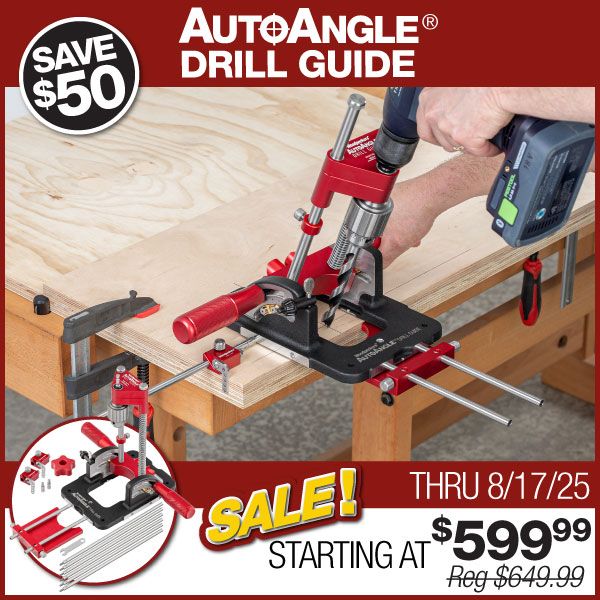
Use a drill guide or an angle jig. These tools help maintain the drill at a steady angle. They prevent the drill from slipping and ensure a straight hole.
Clamps are important to hold the wood firmly. Secure wood prevents movement during drilling, which improves accuracy and safety.
Safety gear like goggles and gloves protects you from wood chips and dust. Always wear safety equipment when drilling.
Choosing The Right Drill Bit
Select drill bits designed for wood. Brad point bits are ideal because they create clean, precise holes. Their sharp points prevent wandering on the wood surface.
Spade bits work well for larger holes but may cause rough edges. For angled holes, a sharp bit is crucial to avoid splintering.
Use drill bits made of high-speed steel or carbide for durability. These materials keep the bit sharp longer and handle angled drilling better.
Match the drill bit size to the hole size needed. Using the correct size bit ensures a snug fit for screws or dowels.
Preparing The Work Area
Preparing the work area is essential before drilling holes at an angle in wood. A clean, organized space helps you work with precision and safety. Proper preparation reduces mistakes and keeps tools within reach. It also ensures the wood stays stable during drilling.
Taking time to arrange your workspace boosts confidence and improves results. Focus on clearing clutter and setting up the right tools. Create a comfortable spot where you can easily control the drill and measure angles accurately.
Setting Up Your Workspace
Choose a flat, sturdy surface to support your wood piece. A workbench or strong table works best. Ensure good lighting to see angles and drill marks clearly. Organize tools like clamps, drill bits, and angle guides nearby.
Use clamps to hold the wood firmly. This stops movement while drilling. Mark the drilling angle with a protractor or angle finder. Keep sandpaper and a brush handy for cleaning dust. A tidy workspace helps maintain focus and accuracy.
Safety Precautions
Wear safety goggles to protect eyes from wood chips. Use ear protection if the drill is loud. Avoid loose clothing or jewelry that might catch in the drill. Tie back long hair for safety.
Check the drill and bit for damage before starting. Make sure the drill bit is sharp and fits tightly. Keep your hands away from the drill path. Always unplug the drill when changing bits or adjusting settings.
Marking The Angle
Marking the angle accurately is a crucial step before you start drilling holes at an angle in wood. Without precise marking, your drill bit can easily slip or go off course, ruining your project. Taking the time to mark the correct angle ensures that your hole will be clean, precise, and exactly where you want it.
Using A Protractor
A protractor is one of the most reliable tools for marking angles on wood. Place the protractor flat against the wood surface and align its base with the edge you want to reference. Then, find the desired angle on the protractor scale and mark a small dot or line on the wood.
For better accuracy, you can use a straightedge to connect the dot to the reference edge, creating a clear drilling guide. I once drilled a hole at a 45-degree angle without marking properly and ended up with a crooked hole that wasted both time and material. Using a protractor could have prevented that.
Alternative Methods
If you don’t have a protractor, don’t worry—there are other ways to mark angles effectively. You can use a carpenter’s square combined with simple math to create common angles like 30°, 45°, or 60°. For instance, to mark a 45° angle, simply align the square’s corner with the wood’s edge and draw a line along the diagonal.
Another quick trick is to create a simple angle template out of scrap wood. Cut the scrap at the angle you need, then place it on your workpiece to trace the line. This method is especially handy if you’re drilling multiple holes at the same angle and want consistent results.
Credit: www.woodpeck.com
Techniques For Drilling At An Angle
Drilling holes at an angle in wood requires special techniques to ensure accuracy and clean results. Angle drilling helps create joints, attach hardware, or add design details. Understanding the right approach can save time and avoid mistakes.
Two common ways to drill angled holes are using a drill press and a handheld drill. Each method has its benefits and works well in different situations. Choosing the right technique depends on the tools available and the project needs.
Using A Drill Press
A drill press offers precise control for angled drilling. Most drill presses have an adjustable table that tilts to set the desired angle. This setup ensures consistent hole depth and angle accuracy.
- Start by loosening the table lock and tilting it to the required angle.
- Secure the wood firmly using clamps or a vise to prevent movement.
- Use a sharp drill bit suitable for wood to avoid splintering.
- Lower the drill bit slowly and apply steady pressure for a clean hole.
- Double-check the angle and alignment before drilling.
Drill presses reduce hand fatigue and improve precision on angled holes. Ideal for repetitive tasks or thicker wood pieces that need stable support.
Handheld Drill Techniques
Handheld drills offer flexibility for angled holes in tight or awkward spaces. Maintaining the correct angle requires steady hands and some practice.
- Mark the drilling spot and use a protractor or angle guide for accuracy.
- Hold the drill firmly with both hands to control movement.
- Position your body to align the drill at the desired angle.
- Start drilling slowly to prevent the bit from slipping off the mark.
- Keep a steady speed and pressure throughout the drilling process.
Using a small scrap piece as a guide can help keep the drill bit steady at the correct angle. Handheld drilling works best for light jobs or when a drill press is not available.
Tips For Clean Angled Holes
Creating clean angled holes in wood requires care and the right approach. Small mistakes cause splintering or uneven holes. Use these tips to keep your work neat and precise. Clean holes improve both function and appearance.
Avoiding Splintering
Splintering happens when wood fibers tear instead of cutting cleanly. To reduce this, place painter’s tape over the drilling spot. The tape holds fibers in place during drilling.
Use a sharp drill bit designed for wood. Dull bits tear the wood instead of cutting. Drill slowly and steadily to prevent sudden catches.
Backing the wood with a scrap piece helps. It supports the exit side and stops blowout. Drill through both pieces at the same time.
Maintaining Precision
Hold the drill at the correct angle using a guide or jig. Freehand drilling causes uneven holes. Angle guides keep the bit steady and consistent.
Mark the angle clearly on the wood before drilling. Use a protractor or angle finder for accuracy. Double-check the angle before you start.
Start drilling slowly to create a small pilot hole. This guides the bit and reduces slipping. Increase speed only after the hole is stable.
Troubleshooting Common Issues
Drilling holes at an angle in wood can be tricky. Small mistakes often cause common problems. Knowing how to fix these issues saves time and wood. This section covers simple fixes for common drilling errors.
Dealing With Off-center Holes
Off-center holes happen when the drill bit slips or the guide moves. To fix this, mark the spot clearly with a pencil before drilling. Use a center punch or nail to create a small dent. This dent keeps the bit from wandering. Clamp the wood firmly to stop movement. If the hole is already drilled off-center, try these tips:
- Fill the hole with wood filler or a wooden dowel.
- Let the filler dry fully before sanding smooth.
- Re-drill the hole at the correct spot once the filler sets.
This method restores the wood and lets you drill accurately again.
Correcting Angle Mistakes
Angle mistakes occur when the drill is not held steady or aligned properly. Use an angle guide or a drill press for better control. If the hole angle is wrong:
- Enlarge the hole slightly to adjust the angle.
- Use a wooden plug to fill the wrong hole if needed.
- Start a new hole carefully at the right angle nearby.
Patience is key. Check the angle often during drilling. This practice avoids big mistakes and keeps your project neat.
Advanced Angled Drilling
Advanced angled drilling takes your woodworking skills beyond simple straight holes. It demands precision, control, and often specialized tools. Mastering this technique opens up new possibilities for complex joinery and custom projects that require exact angles.
Complex Projects
When working on complex projects like furniture or cabinetry, angled holes often need to meet tight tolerances. You might have to drill multiple angled holes that align perfectly for dowels or screws. In my experience, even a slight misalignment can weaken the entire structure or ruin the aesthetics.
Think about a chair leg that needs to be attached at a precise angle for stability. You can’t just eyeball it. Using a protractor or angle finder to mark your drilling points helps, but that’s only the beginning. Ensuring the drill bit enters the wood at the correct angle and depth requires steady hands and proper setup.
Using Jigs For Accuracy
Jigs are invaluable tools for advanced angled drilling. They hold your workpiece and guide the drill bit, maintaining consistent angles and depth. You can buy adjustable angled drill guides or make your own jig using scrap wood and clamps.
Here’s what makes jigs essential:
- Repeatability:Drill multiple holes at the exact same angle without guesswork.
- Stability:Prevent the drill bit from wandering off course.
- Safety:Keep your hands away from the drill bit and reduce slipping risks.
Once, while restoring an old cabinet, I used a homemade jig to drill angled holes for new dowels. The jig saved me hours by keeping every hole perfectly aligned. You can build a simple jig by cutting two pieces of wood at the desired angle and securing them together as a guide.
Have you tried using a jig before? What challenges did you face when drilling angled holes without one? Share your experience and see how a jig might change your approach.

Credit: www.reddit.com

Credit: www.reddit.com
Frequently Asked Questions
How Do I Drill Angled Holes In Wood Accurately?
Use a drilling guide or jig to keep the drill steady. Mark the angle clearly. Drill slowly to maintain control and precision.
What Tools Help Drill Holes At A Precise Angle?
A drill press with an adjustable table or an angle guide clamp helps. These tools ensure consistent and accurate angled holes.
Can I Drill Angled Holes With A Handheld Drill?
Yes, but it requires a steady hand and proper marking. Use a guide or jig to improve accuracy and avoid mistakes.
How Do I Prevent Wood From Splintering When Drilling?
Place masking tape over the drilling area. Drill slowly and use a sharp bit to reduce splintering at the hole edges.
Conclusion
Drilling angled holes in wood takes practice and patience. Use a guide or jig to keep your drill steady. Always mark your angle clearly before starting. Slow and steady drilling prevents mistakes and wood splits. Check your progress often to adjust the angle if needed.
With time, your accuracy and confidence will grow. Keep safety in mind and wear protective gear. Simple tools and careful steps lead to great results. Try these tips on your next woodworking project.






