Have you ever wondered how to say “fire drill” in Spanish? Whether you’re traveling, working, or learning the language, knowing this phrase can be incredibly useful.
Imagine being in a building and hearing the alarm—would you know how to ask about the fire drill or explain it in Spanish? Keep reading, and you’ll discover the exact words and phrases that will make you confident in any emergency situation.
Don’t miss out on this simple yet important language tip that could make a real difference when it matters most.
Importance Of Fire Drills
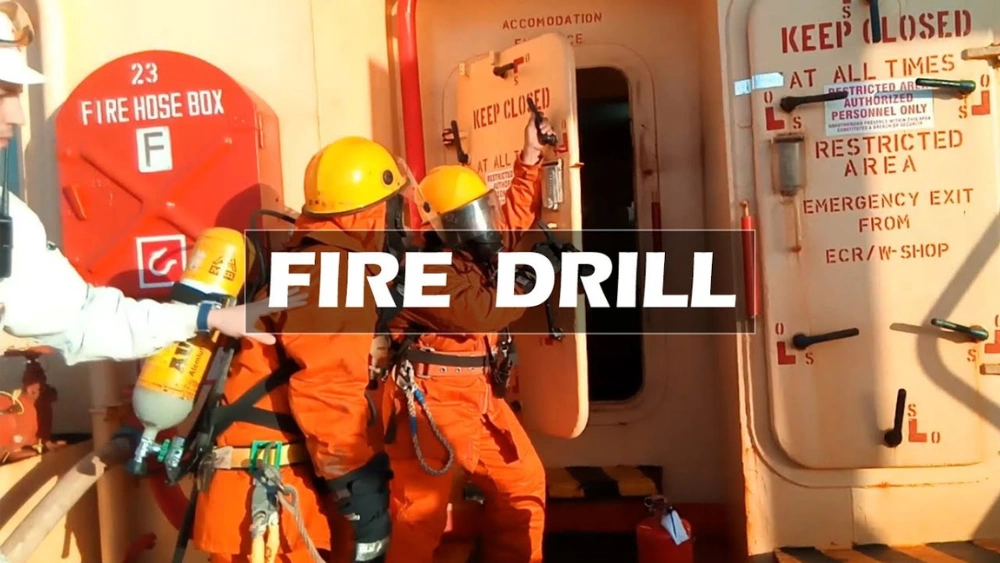
Fire drills are more than just routine exercises; they play a crucial role in ensuring everyone knows how to react when a real fire breaks out. Practicing these drills regularly can save lives by reducing panic and confusion during emergencies. Understanding their importance helps you take them seriously and get the most out of each drill.
Safety Protocols
Fire drills teach you the safety protocols that protect you and others in a fire. You learn how to use exits properly, avoid elevators, and follow instructions from safety personnel. These protocols are designed to keep you safe, but they only work if you know them well and act quickly.
Think about the last time you practiced a fire drill. Did you remember the safest route out? Did you stay calm or feel rushed? Reflecting on these moments helps improve your response next time.
Emergency Preparedness
Being prepared for an emergency means knowing what to do before it happens. Fire drills simulate real fire situations so you can practice evacuating safely and efficiently. This preparation reduces the chance of injury and helps you stay focused during a stressful event.
Have you ever noticed how practicing drills makes you feel more confident about handling emergencies? That confidence is key—it helps you think clearly and act fast when seconds count.

Credit: www.teacherspayteachers.com
Spanish Language Basics
Learning the basics of the Spanish language can make your experience much richer, especially when dealing with everyday situations like a fire drill. Knowing simple phrases and understanding how the language is structured helps you communicate clearly and confidently. This section will give you practical insights into Spanish fundamentals that are useful for real-life conversations.
Commonly Used Phrases
When you want to say “fire drill” in Spanish, the phrase is “simulacro de incendio.”It’s a term often used in schools, offices, and public buildings. You might also hear “ejercicio de evacuación”, which means “evacuation exercise.”
Here are a few related phrases that come in handy:
- Alarma de incendio– fire alarm
- Salida de emergencia– emergency exit
- Por favor, evacuar el edificio– Please evacuate the building
- Reúnanse en el punto de encuentro– Gather at the meeting point
Try repeating these phrases out loud. It’s a simple way to build confidence and improve pronunciation.
Language Structure
Spanish sentence structure usually follows a subject-verb-object order, similar to English. However, adjectives often come after nouns, so “fire drill” translates literally to “drill of fire” (simulacro de incendio).
The word simulacromeans “drill” or “simulation,” and incendiomeans “fire.” Notice how deacts as a connector, showing possession or relation.
Understanding this small detail helps you form other phrases too. For instance, “safety drill” is simulacro de seguridad. You can swap the noun after deto talk about different types of drills or exercises.
Have you tried creating your own phrases using this structure? It’s a practical way to make Spanish feel less intimidating and more useful in daily life.
Translating ‘fire Drill’
Translating the term “fire drill” into Spanish requires understanding both the literal meaning and the context in which it is used. A direct translation might not always capture the full sense of the phrase, especially in safety and emergency situations. Knowing the right words helps communicate clearly and avoid confusion.
Literal Translation
The literal translation of “fire drill” in Spanish is “simulacro de incendio.”This phrase breaks down as follows:
- Simulacromeans “drill” or “simulation.”
- Incendiomeans “fire.”
This translation directly describes a practice or exercise related to fire safety. It is the most common and widely accepted term in schools, offices, and public places.
Contextual Understanding
Understanding the context is essential for using the right term. A fire drill involves practicing evacuation and safety steps during an emergency. In Spanish-speaking countries, “simulacro de incendio”is used in official and everyday language to describe these drills.
Sometimes, people might shorten the phrase to just “simulacro.”The meaning depends on the situation and the conversation. It is important to know the audience and setting to use the term correctly.

Credit: www.teacherspayteachers.com
Using ‘simulacro De Incendio’
The phrase “simulacro de incendio”is the direct translation for “fire drill” in Spanish. It is commonly used in schools, offices, and public buildings across Spanish-speaking countries. This term refers to a practice exercise to prepare people for a real fire emergency. Understanding how to say and use it correctly helps in clear communication during safety drills.
Pronunciation Tips
- Say “see-moo-LAH-kroh” for simulacro.
- Stress the third syllable in simulacro.
- Say “deh” softly; it means “of.”
- For incendio, say “in-SEN-dee-oh.”
- Emphasize the second syllable in incendio.
- Practice slowly, then increase speed.
Practical Usage
You might hear this phrase during announcements or safety instructions. For example, “Hoy tenemos un simulacro de incendio a las 10.” It means “Today we have a fire drill at 10.”
Use it to explain safety plans, like:
- “Participa en el simulacro de incendio.” (Join the fire drill.)
- “El simulacro de incendio es obligatorio.” (The fire drill is mandatory.)
Knowing this phrase helps you follow directions and stay safe.
Teaching Fire Safety In Spanish
Teaching fire safety in Spanish helps reach a wider audience. It ensures everyone understands important safety rules. Using simple Spanish terms builds confidence. It also makes practicing fire drills easier and clearer. Clear communication saves lives during emergencies.
Educational Resources
Books and videos in Spanish help explain fire safety well. They show how to act during a fire drill. Flashcards with words like “alarma de incendio” and “salida de emergencia” improve vocabulary. Worksheets and coloring pages keep learning fun and active. Schools and community centers often offer these materials for free.
Community Engagement
Local groups hold fire safety talks in Spanish. Firefighters visit schools to show real equipment. Parents and children learn together in safe settings. Role-playing fire drills in Spanish builds teamwork and readiness. These activities create a strong culture of safety in the community.

Credit: www.teacherspayteachers.com
Cultural Sensitivity
Cultural sensitivity plays a key role when learning how to say and use terms like “fire drill” in Spanish. Understanding not just the translation but the social context behind it helps you communicate more effectively and respectfully. It also shows that you value the local customs and practices, which can build trust and avoid misunderstandings.
Respectful Communication
Respectful communication means more than just choosing the right words. It involves tone, body language, and timing. For instance, saying “simulacro de incendio”for fire drill is accurate, but how you present it matters too.
Imagine you’re in a workplace safety meeting in a Spanish-speaking country. If you jump straight to instructions without acknowledging local concerns or protocols, you might come off as rude or dismissive. Have you ever noticed how a simple greeting or a polite question before starting can change the whole vibe?
Adapting To Local Norms
Local norms influence how people react to emergency drills. In some Spanish-speaking regions, fire drills might be rare and taken very seriously. In others, they could be routine and informal.
When you adapt to these norms, you show respect and increase the chance that your message will be heard. For example, in Mexico, it’s common to explain the purpose of the drill clearly and calmly before beginning. Have you tried asking locals how they handle fire drills before leading one yourself?
Frequently Asked Questions
What Is The Spanish Term For Fire Drill?
The Spanish term for fire drill is “simulacro de incendio. ” It literally means a practice or simulation of a fire emergency. This phrase is commonly used in schools, offices, and public buildings in Spanish-speaking countries.
How Do You Pronounce Fire Drill In Spanish?
“Simulacro de incendio” is pronounced as see-moo-LAH-kroh deh in-THEN-dyo (Spain) or in-SEN-dyo (Latin America). Breaking it down helps non-Spanish speakers say it correctly. Practice each part slowly for better pronunciation.
Is “simulacro De Incendio” Used In All Spanish Countries?
Yes, “simulacro de incendio” is widely understood and used across Spanish-speaking countries. It is the standard term for fire drill in formal and informal settings. Regional variations are minimal, making it universally recognized.
Can “ejercicio De Incendio” Mean Fire Drill In Spanish?
“Ejercicio de incendio” can mean fire drill but is less common. It translates as “fire exercise,” which might refer to any fire-related training. “Simulacro de incendio” remains the most precise and widely accepted term.
Conclusion
Saying “fire drill” in Spanish is simple: “simulacro de incendio. ” This phrase helps in schools, offices, and public places. Knowing it can keep you safe during emergencies. Practice it often to feel more confident. Language learning grows step by step.
Small words make a big difference. Keep exploring Spanish with easy, useful terms. Stay prepared. Stay safe.