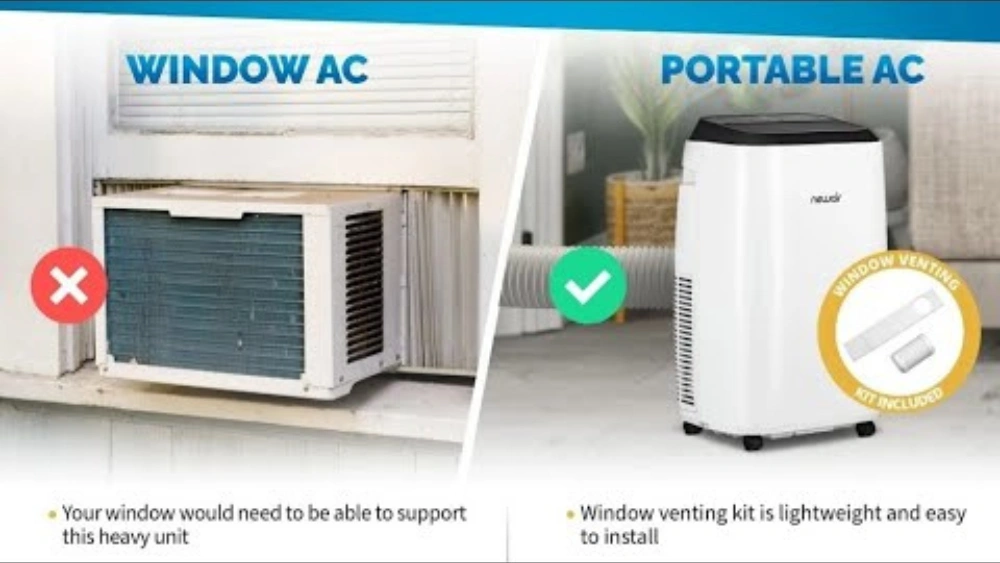
Are you struggling to keep your space cool but don’t have a window to vent your portable air conditioner? You’re not alone, and the good news is—there are smart ways to use your portable AC without relying on a window.
Imagine enjoying a refreshing, cool room without the hassle of complicated setups or expensive modifications. You’ll discover simple, practical solutions that let you beat the heat effortlessly. Keep reading, and you’ll learn how to make your portable air conditioner work perfectly, even without a window nearby.
Portable Air Conditioner Basics
Understanding the basics of a portable air conditioner helps you make the most of its cooling power, especially when you don’t have a window to vent it. These units cool your space by pulling in warm air, removing heat, and releasing cool air back into the room. But what happens when you can’t use the usual window vent? Knowing how your unit works is the first step to finding a smart solution.
How Portable Air Conditioners Work
Portable air conditioners operate by drawing in warm air from your room. Inside the unit, this air passes over cooling coils, which lower its temperature. The heat extracted from the air is then expelled outside through an exhaust hose.
Without a window, where does that hot air go? This question often puzzles users. The exhaust hose must vent somewhere, or the room won’t cool down effectively.
Essential Components Of A Portable Air Conditioner
- Compressor:Pumps refrigerant through the system to absorb heat.
- Evaporator Coil:Cools the indoor air by absorbing heat.
- Condenser Coil:Releases heat to the outside air.
- Exhaust Hose:Channels hot air outside the room.
- Drainage System:Removes moisture collected during cooling.
Each part plays a vital role. When venting isn’t through a window, these components still need a way to function correctly to keep your space comfortable.
Why Proper Venting Matters
Have you ever noticed that your room feels hotter even with the air conditioner running? This often happens if the exhaust hose isn’t vented properly. The hot air ends up recirculating indoors, negating the cooling effect.
Without a window, you need to get creative. Some people vent through a door gap, a drop ceiling, or even a wall opening. The key is to ensure the hot air escapes outside your living space.
Common Mistakes To Avoid
- Using a venting kit that’s too short or too long, restricting airflow.
- Sealing the exhaust hose into a small, enclosed space without airflow.
- Ignoring moisture drainage, which can lead to mold or water damage.
- Running the unit without any venting, causing the room temperature to rise.
Have you tried setting up your portable AC without venting and felt no relief? That’s a sign the system isn’t working as intended. Paying attention to these basics ensures your unit cools efficiently.

Credit: sunjoyshop.com
Ventilation Options
Finding a way to properly ventilate your portable air conditioner without a window can feel tricky. However, there are several creative and effective ventilation options that you can use to keep your space cool and fresh. Each option has its own set of benefits, depending on your room’s layout and your personal setup.
Using Sliding Doors
Sliding doors offer a convenient ventilation outlet for your portable air conditioner. You can easily attach the exhaust hose by using a sliding door vent kit, which seals the gap while allowing the hot air to escape.
This method works well if you have a balcony or patio door. It keeps the exhaust air moving outside without letting warm air sneak back inside. Have you tried this in your space? It might be the simplest solution you haven’t thought of yet.
Vent Through Ceiling
If your room has a suspended ceiling or an attic access, venting through the ceiling can be a smart alternative. Installing a vent duct through a ceiling tile or attic hatch allows you to direct the hot air upward and out of your living area.
This option keeps your walls and windows untouched and maintains the room’s aesthetics. It may require a bit more effort to set up, but the results can be very effective, especially in multi-story homes. Would you consider this if window space is limited?
Wall Ventilation Solutions
Drilling a small hole through an exterior wall to install a vent kit is another practical option. This setup creates a dedicated exhaust path for your portable air conditioner, eliminating the need to use windows or doors.
Wall vents can be sealed tightly to prevent air leaks and keep insects out. While it might seem like a permanent change, it’s reversible if done carefully. Could this be the right balance between functionality and maintaining your room’s look?
Alternative Cooling Techniques
Using a portable air conditioner without a window can be challenging. Alternative cooling techniques help improve comfort and lower room temperature. These easy methods support the air conditioner’s function. They make a noticeable difference in hot spaces.
Using Ice Packs
Ice packs can cool the air near the portable unit. Place frozen packs in front of the air conditioner’s fan. The fan blows cooler air around the room. This method works well in small spaces. It also reduces the load on the air conditioner.
Use reusable ice packs or frozen water bottles. Replace them as they melt for continuous cooling. This simple trick helps keep the room fresh and cool.
Enhancing Airflow
Good airflow improves cooling efficiency. Use fans to circulate air inside the room. Position a fan near the air conditioner to spread the cool air faster. Open doors or vents to create cross ventilation.
Remove any objects blocking air vents. This lets cool air flow freely. Proper airflow reduces hot spots and balances room temperature. It also helps the air conditioner work less hard.

Credit: www.youtube.com
Improvising Exhaust Systems
Improvising exhaust systems is key when you want to use a portable air conditioner without a traditional window setup. Without a clear venting path, your unit can’t push out hot air efficiently, which reduces cooling performance. You need creative ways to manage that exhaust and keep your room comfortable.
Creating Custom Exhausts
One effective way to handle exhaust is by building a custom vent that fits your space. You can use materials like plywood or rigid foam board to create a panel that holds the exhaust hose. Cut the panel to fit a door, sliding door, or even a ceiling opening.
Make sure the panel seals well around the hose to prevent warm air from leaking back inside. You can add weather stripping or foam tape for a tighter fit. This setup keeps the hot air moving outside, which helps your AC work better.
Have you tried using a vent panel with a pet door cutout? It lets you keep the door mostly closed while still venting hot air. It’s a simple trick that many people overlook.
Redirecting Hot Air
If creating a custom exhaust isn’t an option, think about redirecting the hot air to a less problematic area. You can use flexible ducting to guide the exhaust into a closet, attic, or another room with better ventilation.
This way, the hot air doesn’t stay trapped in your living space. However, ensure the redirected area can handle the heat without causing damage or discomfort elsewhere.
Try adding a small fan near the exhaust outlet to push hot air further away. It’s a small addition that can make a big difference in airflow and overall cooling efficiency.
Energy Efficiency Tips
Saving energy while using a portable air conditioner without a window is smart. It lowers your electricity bill and helps the environment. Small changes can make your cooling more effective and less costly.
Insulating The Room
Keep cool air inside by sealing gaps around doors and vents. Use weather stripping or draft stoppers to block air leaks. Close curtains or blinds during sunny hours to reduce heat entering the room. Thick curtains work best to stop warm air from coming in. Adding rugs on floors can also help keep the room cooler by reducing heat transfer.
Optimizing Air Conditioner Settings
Set the temperature to a comfortable but not too low level, around 75°F (24°C). Use the energy-saving or eco mode if your unit has one. Avoid setting the fan to high all the time; use low or medium speeds instead. Turn off the air conditioner when the room is empty to save energy. Use a timer or smart plug to control running times automatically.
Maintenance And Care
Proper maintenance and care can extend the life of your portable air conditioner and keep it running efficiently without a window setup. Neglecting simple upkeep tasks might lead to reduced cooling power and higher energy bills. Taking a few minutes regularly to care for your unit can save you frustration and money down the line.
Regular Cleaning
Dust and dirt can build up quickly on your portable AC, especially around the vents and exterior surfaces. Use a soft cloth or a vacuum with a brush attachment to clean these areas at least once a week.
Cleaning the condensate drain is equally important. If water pools inside the unit, it can cause mold or unpleasant odors. Wipe it dry and check for blockages to keep moisture flowing properly.
Checking Filters
The air filters trap dust, pet hair, and other particles to improve air quality and protect the machine’s internal parts. Inspect your filters every two weeks and clean or replace them based on the manufacturer’s instructions.
Dirty filters reduce airflow, forcing the AC to work harder. Have you noticed your unit running louder or cooling less effectively? That’s often a sign the filters need attention.
Keeping these maintenance habits will ensure your portable air conditioner performs well without relying on a window installation. What maintenance routine fits best into your schedule?

Credit: www.rigidhvac.com
Frequently Asked Questions
How Can I Vent A Portable Ac Without A Window?
Use a sliding door vent kit or vent through a wall or ceiling. Ensure the exhaust hose is tightly sealed to avoid hot air re-entering your room.
Is It Safe To Use A Portable Ac Without Window Venting?
Yes, if you properly vent the exhaust outdoors. Avoid recirculating hot air indoors, as it reduces cooling efficiency and may damage the unit.
Can I Use A Portable Ac Without Any Venting?
No, portable ACs need venting to expel hot air. Without venting, the unit will recycle warm air and fail to cool the space effectively.
What Alternative Venting Options Exist For Portable Acs?
You can vent through sliding doors, drop ceilings, or small wall openings. Use vent kits designed for non-window setups to ensure proper airflow.
Conclusion
Using a portable air conditioner without a window is possible and practical. You can vent it through a door, wall, or sliding glass. Make sure to seal the vent well to keep cool air inside. Regularly check the unit for proper drainage.
These steps help your space stay comfortable even without a window. Stay cool and save energy with simple setup ideas. Small changes make a big difference in hot weather. Enjoy your portable air conditioner all summer long.