
Are you wondering where to put outdoor security cameras to keep your home safe? Choosing the right spots for your cameras can make all the difference between catching unwanted visitors and missing crucial moments.
You want to protect your family, your belongings, and your peace of mind. But with so many options around your property, how do you decide the best places to install them? You’ll discover simple, effective tips to position your outdoor security cameras for maximum coverage and protection.
Keep reading to make sure nothing slips past your watchful eyes.
Front Door
Placing an outdoor security camera near the front door helps monitor visitors and packages. It captures clear footage of anyone approaching your home. This spot is key for keeping your entrance safe and secure.
The front door is often the first place visitors approach, making it a crucial spot for security camera placement. This area not only serves as the main entry point to your home but also a frequent location for package deliveries. Installing a camera here can significantly enhance your security and peace of mind.Main Entry Point
Your front door is the main entry point to your home, and having a camera here can be a strong deterrent for potential intruders. Consider a wide-angle lens to capture anyone approaching from different directions. Position the camera high enough to prevent tampering, but not so high that it misses facial details. A camera with night vision capabilities ensures you have a clear view even after dark.Package Delivery Area
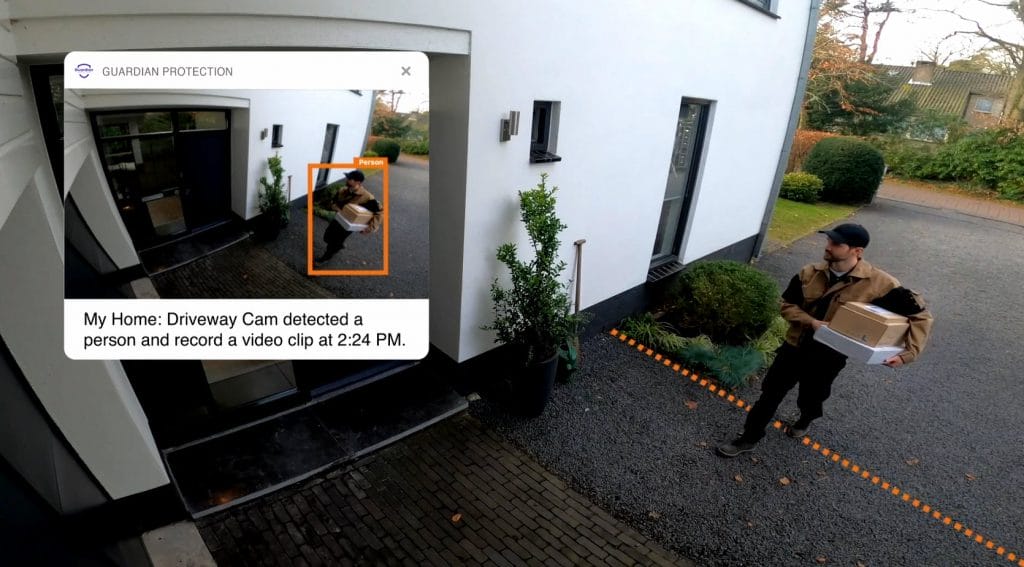
With the rise of online shopping, the front door often doubles as a package delivery area. A security camera here can help protect against package theft. Ensure the camera covers the area where deliveries are typically placed. This might be directly in front of the door or off to one side. Consider motion detection features that alert you when a delivery arrives or if someone attempts to take a package. Have you ever wondered how many packages go missing without anyone noticing? A strategically placed camera can provide the evidence you need. Taking these steps can keep your home secure and your packages safe.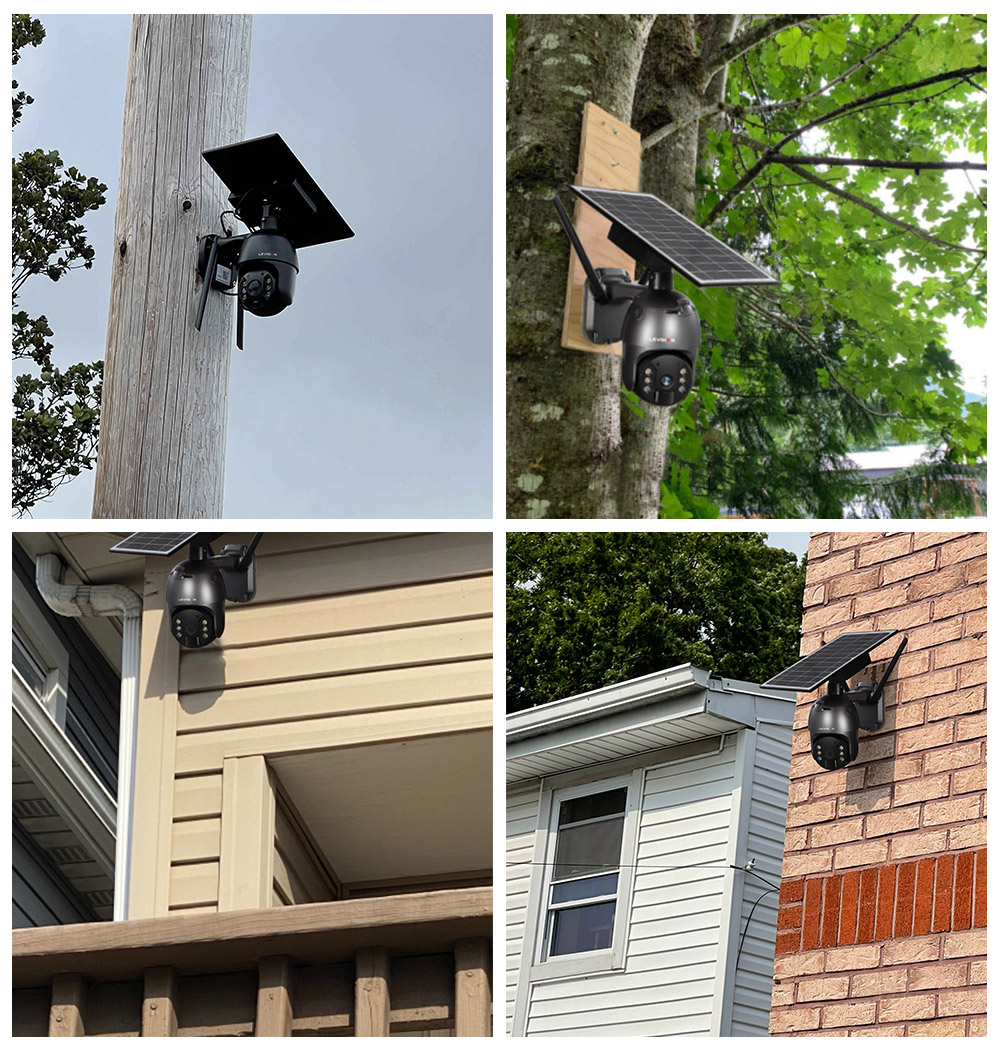
Credit: www.lsvisionsolar.com
Back Door
The back door is often an overlooked spot for placing outdoor security cameras, yet it’s a critical point of entry that burglars target. Unlike the front door, the back door usually offers easier access and less visibility from neighbors or the street. Keeping a close eye on this area can give you peace of mind and help catch suspicious activity early.
Secondary Access
Your back door is a common alternative entry point for intruders, especially if the front door is more visible or fortified. Installing a camera here makes sense because it covers a secondary access point that might otherwise be ignored.
Think about the layout of your property. Does your back door lead directly into a garage, basement, or kitchen? Placing a camera here can monitor these often vulnerable spots. If you have a pet door or a rarely used side door, consider covering these as well since they might be easy targets.
Visibility And Lighting
Good visibility is key to capturing clear footage. Position your camera so it has an unobstructed view of the back door and surrounding area. Avoid placing it behind plants or other objects that can block the lens.
Lighting plays a huge role in camera effectiveness. If your back door area is dark at night, add motion-activated lights. This not only improves video quality but can also deter intruders who don’t want to be seen.
Have you checked how your camera’s night vision performs? Some cameras work well in total darkness, but combining them with strategic lighting often produces the best results. Keep your camera lens clean and free from glare for clear images any time of day.
Garage And Driveway
The garage and driveway are key areas for outdoor security cameras. These spots often hold valuable items like cars and tools. Cameras here help keep your property safe. They also give you peace of mind by watching over your vehicles and entry points.
Vehicle Protection
Place cameras to cover your driveway fully. This stops thieves from tampering with your cars. Cameras capture clear images of license plates and faces. Night vision features are useful to see in the dark. A camera over the garage door tracks who enters and exits. This guards against unauthorized access.
Detecting Suspicious Activity
Install cameras with motion detection to catch unusual movements. Alerts can notify you immediately of any activity. Position cameras to cover blind spots around the garage. This helps spot strangers lurking near your property. Visible cameras also act as a strong deterrent. They make intruders think twice before approaching.
Yard And Garden
The yard and garden are vital areas to secure with outdoor cameras. These spaces often cover large ground and have many hidden spots. Protecting them helps keep your property safe from theft or damage. Well-placed cameras can monitor activity and deter unwanted visitors effectively.
Monitoring Large Spaces
Yards and gardens can stretch wide with open areas. Cameras with wide-angle lenses work best to cover more ground. Mount cameras high on walls or poles to get a broad view. Use motion detection to alert you only when something moves. This saves battery and storage space. Placing cameras near entry points like gates helps track who enters and leaves.
Covering Blind Spots
Gardens often have bushes, trees, or structures creating blind spots. Place cameras to face these hidden areas directly. Use multiple cameras to overlap views and eliminate gaps. Check camera angles regularly as plants grow or change shape. Night vision cameras ensure coverage even in darkness. Covering blind spots prevents intruders from hiding unseen.
Side Doors And Windows
Side doors and windows are common entry points for intruders. These areas often receive less attention than front doors. Placing security cameras here increases your home’s protection. Cameras can catch suspicious activity before it reaches main entrances.
Less Visible Entry Points
Side doors and windows are often hidden from the street view. This makes them perfect targets for burglars. Cameras here act as a strong deterrent. They monitor areas that burglars might use to enter unseen.
Keep cameras low enough to capture faces clearly. Avoid placing them where bushes or objects block the view. The goal is to cover all less visible entry points effectively.
Improving Perimeter Security
Side doors and windows help create a secure perimeter. Cameras placed here extend your home’s surveillance range. They provide early warnings of any suspicious movement around your property.
Combine cameras with motion sensors for better detection. This setup alerts you instantly if someone approaches these vulnerable spots. A strong perimeter security system reduces the risk of break-ins significantly.
Credit: guardianprotection.com
Common Areas And Pathways
Outdoor security cameras work best when placed in common areas and pathways. These spots capture most activities around your property. You can monitor who comes and goes easily. This placement helps prevent unwanted visitors and keeps your home safer.
Tracking Movement
Place cameras where people walk often. Driveways, front doors, and garden paths are good choices. Cameras catch movement clearly in these spots. They help spot any unusual or suspicious activity. Motion detection alerts let you respond quickly. This setup reduces blind spots around your home.
Enhancing Neighborhood Safety
Cameras in common areas not only protect your home. They also watch the neighborhood spaces close to you. Shared paths, sidewalks, and community entrances are key places. Visible cameras can discourage crime nearby. Neighbors feel safer knowing cameras watch public spots. This builds a stronger, safer community environment.
Placement Tips
Choosing the right spots for your outdoor security cameras can make all the difference in capturing clear footage and keeping your home safe. Placement isn’t just about pointing the camera at your front door or driveway. It’s about thinking strategically to maximize coverage, avoid blind spots, and protect your equipment from damage.
Optimal Height
Mount your cameras at a height between 8 and 10 feet for the best balance of coverage and security. Placing them too low makes them easy targets for tampering or theft. Too high, and you might lose critical facial details or miss smaller movements.
Think about your own experience: have you ever struggled to identify someone in a blurry security video? Proper height reduces this problem and keeps your camera safe from vandals.
Avoiding Obstructions
Clear lines of sight are key to effective security footage. Trim overgrown branches, move garden furniture, or reposition decorative elements that block your camera’s view. Even seasonal changes can create new obstacles, so review your camera views regularly.
Ask yourself: Are there any windows, walls, or plants that could hide activity from your camera? Adjust placement until you have an unobstructed view of entrances, pathways, and vulnerable areas.
Weather Protection
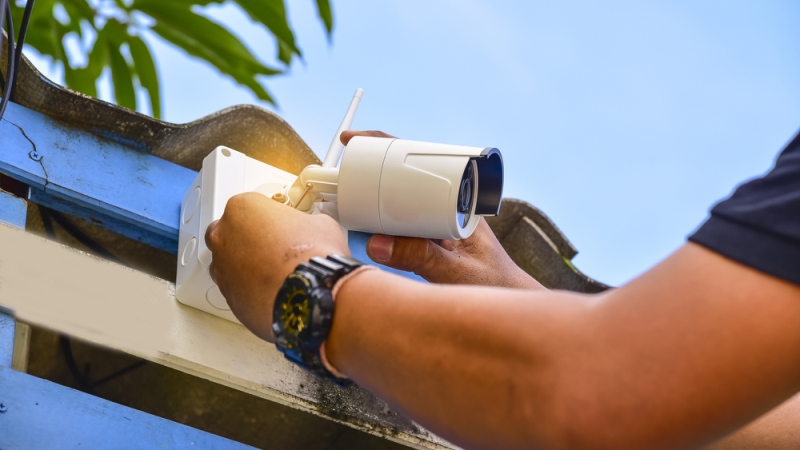
Protect your cameras from harsh weather by placing them under eaves, awnings, or other coverings. Direct exposure to rain, snow, and intense sunlight can damage electronics and reduce lifespan.
Consider weatherproof models, but don’t rely solely on their ratings. Even the best-rated cameras perform better when shielded from extreme elements. Have you noticed how sheltered cameras last longer in your neighborhood?
Credit: gwsecurityusa.com
Lighting And Camera Integration
Integrating lighting with your outdoor security cameras can dramatically improve their effectiveness. Proper lighting not only enhances video quality but also acts as a deterrent for unwanted visitors. Balancing light and camera placement requires thoughtful planning to avoid glare and blind spots.
Using Motion-activated Lights
Motion-activated lights work hand-in-hand with security cameras by turning on only when movement is detected. This sudden illumination can startle intruders and trigger your camera to capture clear footage.
Place these lights near camera zones where you expect activity, such as driveways, pathways, or backyards. Avoid placing lights directly in front of cameras to prevent glare that can wash out the video.
Have you noticed how your porch light only turns on when someone approaches? That’s the same principle—strategic lighting saves energy and increases security at the same time.
Night Vision Considerations
Even with lights, some areas require cameras with strong night vision to capture clear images in low-light conditions. Infrared (IR) cameras can see in complete darkness but may produce black-and-white images.
Consider the type of night vision your camera offers and test it during different times of the night. Avoid placing cameras too close to bright lights, as this can confuse the IR sensors and reduce image quality.
Think about what you want to capture after dark: Do you need color images, or is black-and-white enough? This will guide your choice of lighting and camera features for the best security coverage.
Frequently Asked Questions
Where Should I Place Outdoor Security Cameras For Best Coverage?
Place cameras near entry points, driveways, and blind spots. Height should be 8-10 feet for optimal view and tampering prevention. Ensure clear, unobstructed sightlines to maximize coverage and capture detailed footage.
Can Outdoor Security Cameras Work In Low Light Or Night?
Yes, many outdoor cameras have infrared night vision or spotlight features. Position cameras to avoid direct light glare for clearer night images. This ensures 24/7 surveillance and effective monitoring in darkness.
How Far Can Outdoor Security Cameras Record Clearly?
Most outdoor cameras record clearly up to 30-50 feet. High-resolution models may cover greater distances. Proper placement and angle adjustments improve clarity and detail within the camera’s effective range.
Is It Necessary To Hide Outdoor Security Cameras?
Hiding cameras is optional; visible cameras deter criminals effectively. However, discreet placement protects cameras from vandalism. Balance visibility and concealment based on your security needs and property layout.
Conclusion
Placing outdoor security cameras in smart spots helps protect your home. Focus on entry points like doors and windows. Cover driveways and backyards to watch all angles. Keep cameras high to avoid tampering and get a clear view. Good lighting improves camera footage.
Regularly check and maintain your cameras for best results. These steps help keep your property safe and give peace of mind. Small efforts make a big difference in home security. Choose the right places to see and stop trouble early.






