Have you ever wondered where to safely dispose of your old LED light bulbs? You might think tossing them in the regular trash is fine, but that could harm the environment and even waste valuable materials.
Knowing exactly where and how to get rid of these bulbs can save you money, protect the planet, and keep your home safe. Keep reading to discover simple, clear steps you can take right now to dispose of your LED light bulbs the right way.
Led Bulbs And Environmental Impact
LED bulbs use less energy than traditional bulbs. They last longer and save money on electricity bills. Yet, their environmental impact depends on proper disposal. LED bulbs contain small amounts of metals and chemicals. These materials can harm the environment if thrown in the trash.
Recycling LED bulbs helps recover valuable materials. It also prevents pollution of soil and water. Understanding the environmental impact guides safe disposal choices.
Materials Inside Led Bulbs
LED bulbs have tiny amounts of metals like lead and arsenic. These metals can be toxic to plants and animals. The bulbs also contain glass and plastic parts. Proper disposal separates these materials for recycling.
Effects Of Improper Disposal
Throwing LED bulbs in regular trash sends metals to landfills. Metals can leak into the soil and water supply. This causes harm to wildlife and people. Pollution may last for many years.
Benefits Of Recycling Led Bulbs
- Recovers metals for reuse
- Reduces landfill waste
- Prevents soil and water pollution
- Supports a circular economy
Environmental Responsibility And Led Bulbs
Recycling LED bulbs shows care for the planet. It reduces waste and conserves resources. Everyone can help by disposing of bulbs properly. Small actions lead to big environmental benefits.

Credit: www.instagram.com
Identifying Recyclable Led Bulbs
Knowing which LED bulbs are recyclable helps you dispose of them responsibly and keeps harmful materials out of landfills. Not all LED bulbs are created equal, so identifying the recyclable ones saves you time and effort during disposal. Let’s break down how to spot these bulbs and what makes them suitable for recycling.
Checking The Packaging And Labels
Start by looking at the packaging or the bulb itself for recycling symbols or instructions. Many LED bulbs come with clear markings indicating they are recyclable or compliant with environmental standards. If you see logos like the “Mobius loop” or phrases such as “Please recycle,” that’s a strong hint your bulb can be recycled.
Sometimes, the packaging includes disposal instructions specific to your area. Don’t ignore these—they can guide you to the right recycling center or program.
Identifying Bulb Components
LED bulbs contain small amounts of electronic parts and metals that make them recyclable. Look for bulbs with a plastic or glass cover and a metal base, which are easier to recycle separately. Bulbs with integrated circuits or chips also qualify for electronic recycling programs.
Be cautious of bulbs that are broken or have damaged components, as they may require special handling. If you’re unsure, contact your local recycling center for advice.
Recognizing Non-recyclable Led Bulbs
Not all LED bulbs can be recycled through standard programs. Some low-cost or generic bulbs lack recyclable materials or come without proper labeling. These might end up in regular waste unless your community has specific hazardous waste collection events.
Ask yourself: does your bulb have a hazardous waste symbol or contain mercury? If yes, avoid regular trash and seek specialized disposal options.
Local Recycling Centers
Local recycling centers play a key role in safely disposing of LED light bulbs. These centers are equipped to handle materials that should not go into regular trash bins. Finding the right place to drop off your LED bulbs protects the environment and keeps harmful substances out of landfills.
How To Find Local Recycling Centers For Led Bulbs
You can start by checking your city or county’s official website. Many municipalities provide lists of recycling centers and special collection events for electronic waste and bulbs. If online searches feel overwhelming, calling your local waste management office can give you direct and reliable information.
What To Expect At A Recycling Center
When you arrive, staff often guide you on where to place your LED bulbs. Some centers have designated bins for different types of light bulbs, including LEDs, CFLs, and incandescent bulbs. You might need to handle the bulbs carefully, as some centers prefer bulbs to be intact without packaging.
Benefits Of Using Local Recycling Centers
- Environmental protection:Proper disposal prevents toxic materials from contaminating soil and water.
- Resource recovery:LED bulbs contain valuable metals that can be reused.
- Community support:Recycling centers often support local sustainability programs.
Tips For Preparing Led Bulbs Before Recycling
Make sure the bulbs are not broken to avoid safety hazards. If possible, place each bulb in its original packaging or wrap it in paper to protect it during transport. Labeling the package can help recycling staff handle the bulbs correctly.
Have you ever wondered what happens to your LED bulbs after you drop them off? Taking a moment to recycle them at your local center ensures they are processed responsibly. Your small effort can make a big difference in reducing waste and protecting the planet.

Credit: www.facebook.com
Retail Drop-off Programs
Retail drop-off programs offer a simple way to recycle LED light bulbs. Many stores accept used bulbs for proper disposal. These programs help keep harmful materials out of landfills. They also ensure valuable components get recycled safely.
Most major retailers have designated bins near the entrance or checkout area. You can bring your old LED bulbs and drop them off at these locations. Some stores have staff who assist with the recycling process. This service is often free for customers.
Types Of Stores That Offer Drop-off
- Home improvement stores
- Electronics retailers
- Some grocery stores
- Lighting specialty shops
How To Prepare Bulbs For Drop-off
- Place bulbs in their original packaging if possible
- Use a sturdy container to avoid breakage
- Label the package if required by the store
- Check store guidelines before dropping off
Benefits Of Using Retail Drop-off Programs
- Convenient locations near you
- Safe handling of hazardous materials
- Supports local recycling efforts
- Reduces environmental pollution
Mail-in Recycling Services
Mail-in recycling services offer a convenient way to dispose of your LED light bulbs responsibly. Instead of hunting for local drop-off points, you can simply pack your used bulbs and send them directly to certified recyclers. This option is ideal if you want to avoid the hassle of travel and ensure your bulbs are handled properly.
How Mail-in Recycling Works
You start by ordering a recycling kit from a mail-in service provider. These kits usually include specially designed packaging to protect your LED bulbs during shipping. Once your bulbs are safely packed, you drop the package in the mail and wait for confirmation that they’ve been received and processed.
Benefits Of Using Mail-in Services
- Convenience:No need to find a local recycling center or store drop-off point.
- Safety:Proper packaging reduces the risk of breakage and exposure to hazardous materials.
- Tracking:Many services provide tracking so you know your bulbs reached the recycler.
- Environmental Impact:Ensures bulbs are recycled correctly, keeping harmful elements out of landfills.
Popular Mail-in Recycling Providers
| Provider | Features | Cost |
|---|---|---|
| LightRecycle | Free packaging, prepaid shipping label | Usually free for small quantities |
| Recycle LED Mail-In | Accepts all LED types, detailed tracking | Flat fee based on quantity |
| EcoBulb Mail | Eco-friendly packaging, educational materials included | Variable, depending on package size |
Tips For Mailing Your Led Bulbs
- Use the original packaging if available to protect bulbs better.
- Label the package clearly and follow the recycling provider’s instructions.
- Check if there are restrictions on the number or types of bulbs you can send.
- Consider combining bulbs from friends or family to save on shipping costs.
Have you ever thought about where your LED bulbs end up after you throw them away? Using mail-in recycling services ensures your efforts to be eco-friendly don’t go to waste. It’s a simple step you can take that makes a real difference.
Credit: www.screwfix.com
Community Collection Events
Community collection events offer a convenient and responsible way to dispose of your used LED light bulbs. These events are often organized by local governments or environmental groups to keep hazardous materials out of landfills. Participating in these events not only helps the environment but also connects you with others who care about sustainable living.
What Are Community Collection Events?
Community collection events are special days when neighborhoods gather to safely dispose of items like LED bulbs, batteries, and electronics. These events are usually free and held at accessible locations such as schools, parks, or community centers. They provide a safe way to recycle materials that require special handling.
How To Find Community Collection Events Near You
Check your city or county’s official website for announcements about upcoming collection events. Local environmental organizations and waste management companies often post event details on social media as well. You can also sign up for newsletters or alerts to stay informed about these opportunities.
What To Bring To A Collection Event
Bring your used LED light bulbs in a secure container to prevent breakage during transport. Some events may accept other household hazardous waste, so check the event’s guidelines in advance. Remember to separate your bulbs from regular trash to ensure proper recycling.
Why Community Collection Events Matter
LED bulbs contain small amounts of metals that can harm the environment if thrown away improperly. By bringing your bulbs to these events, you help reduce pollution and conserve resources. Have you thought about how your small actions can add up to a big environmental impact?
Diy Disposal Tips
Disposing of LED light bulbs on your own can be simple and safe with the right approach. Handling these bulbs carefully helps protect both you and the environment. You don’t have to rely solely on drop-off centers; you can take small but effective steps at home that make a difference.
Safely Removing Bulbs
Start by turning off the power to the light fixture. This prevents any accidental shocks or damage while you work. Hold the bulb gently but firmly, and twist it counterclockwise to loosen it from the socket.
If the bulb feels stuck, don’t force it; try using a cloth for a better grip or a suction cup to ease it out. Avoid dropping or smashing the bulb as LED bulbs contain electronic parts that can be harmful if broken.
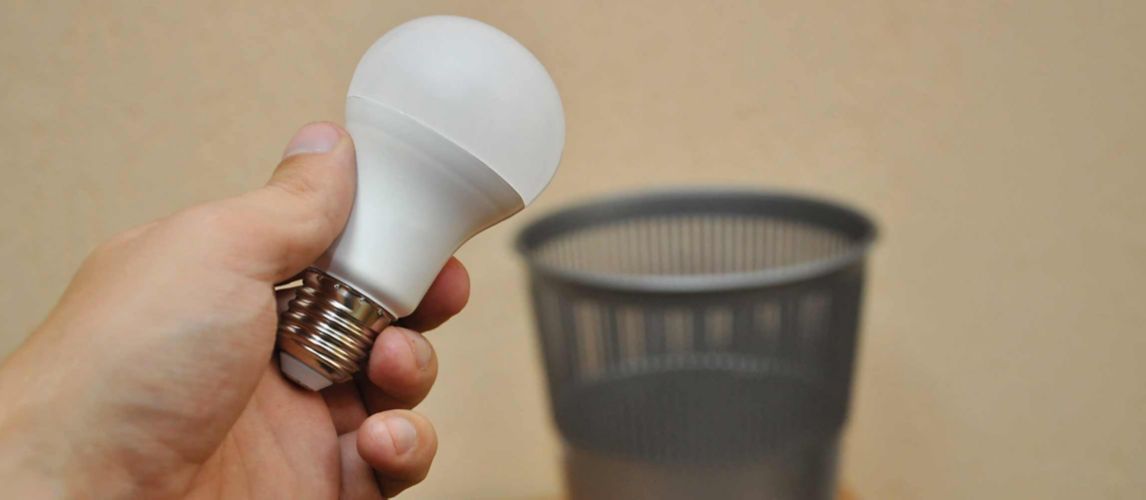
Once removed, place the bulb in a sturdy container or wrap it in bubble wrap to avoid breakage during transport or storage. Do you have a safe spot in your home just for storing used bulbs before disposal?
Creative Reuse Ideas
Instead of tossing used LED bulbs immediately, consider giving them a second life. Old LED bulbs can turn into unique decor items or useful tools around your house.
- Turn the bulb into a mini terrarium by filling it with small plants or moss after carefully removing the internal parts.
- Use them as creative containers for tiny craft supplies like beads or pins.
- Make holiday ornaments by painting the bulbs or adding glitter and hanging them on your tree.
Reusing bulbs doesn’t just save waste; it sparks creativity and offers a fun project for you and your family. What DIY project could you try with your next batch of retired LED bulbs?
Benefits Of Proper Disposal
Proper disposal of LED light bulbs protects health and the environment. These bulbs contain small amounts of harmful materials. Handling them carelessly can cause pollution and health risks. Following the right disposal methods keeps harmful substances away from landfills and water sources.
Recycling LED bulbs also saves resources. It reduces the need to mine new materials. This helps conserve natural resources and lowers energy use. Proper disposal supports a cleaner and safer planet for everyone.
Protecting The Environment
LED bulbs contain metals that can harm soil and water. Disposing of them correctly stops these toxins from leaking. This protects plants, animals, and people from pollution. Safe disposal reduces the risk of environmental damage.
Saving Natural Resources
Recycling LED bulbs recovers valuable materials like glass and metals. These materials can be used to make new products. This reduces the need for mining and manufacturing. It helps save energy and cuts down on waste.
Preventing Health Hazards
Broken LED bulbs can release small amounts of hazardous substances. Proper disposal keeps these materials contained. It reduces the risk of exposure to harmful chemicals for workers and families. Safe handling protects community health.
Supporting Community Recycling Programs
Using local recycling centers helps support community efforts. These programs manage waste properly and promote sustainability. Participating in recycling creates awareness and encourages responsible habits. It strengthens community care for the environment.
Frequently Asked Questions
Where Can I Recycle Led Light Bulbs Safely?
You can recycle LED bulbs at local recycling centers or participating retail stores. Many hardware stores offer free LED bulb recycling programs to ensure safe disposal and environmental protection.
Can Led Bulbs Be Thrown In Regular Trash Bins?
No, LED bulbs contain electronic components and should not go in regular trash. Proper recycling prevents hazardous waste and promotes resource recovery.
Do All Recycling Centers Accept Led Light Bulbs?
Not all centers accept LED bulbs, so check local guidelines first. Use dedicated e-waste facilities or stores with LED recycling drop-off points.
Why Is Proper Disposal Of Led Bulbs Important?
Proper disposal prevents toxic materials from harming the environment. Recycling also recovers valuable metals, reducing the need for raw material mining.
Conclusion
Proper disposal of LED light bulbs helps protect the environment. Many stores and recycling centers accept old bulbs. Avoid throwing them in regular trash bins. Some areas have special collection events for electronics. Check local guidelines to find the best option near you.
Recycling keeps harmful materials out of landfills. It also saves resources for new products. Take a moment to dispose of LED bulbs safely. Small actions make a big difference in keeping our planet clean. Remember, every bulb counts.