Are you tired of air fresheners that spray at the wrong time or run out too quickly? Imagine a fresh, pleasant scent that only activates when you enter a room—saving you money and keeping your space inviting.
You might be wondering, “Is there an air freshener that is motion sensored? ” If you want a smart, efficient way to keep your home or office smelling great without any hassle, this article is just for you. Keep reading to discover how motion-sensored air fresheners work and why they could be the perfect solution for your space.
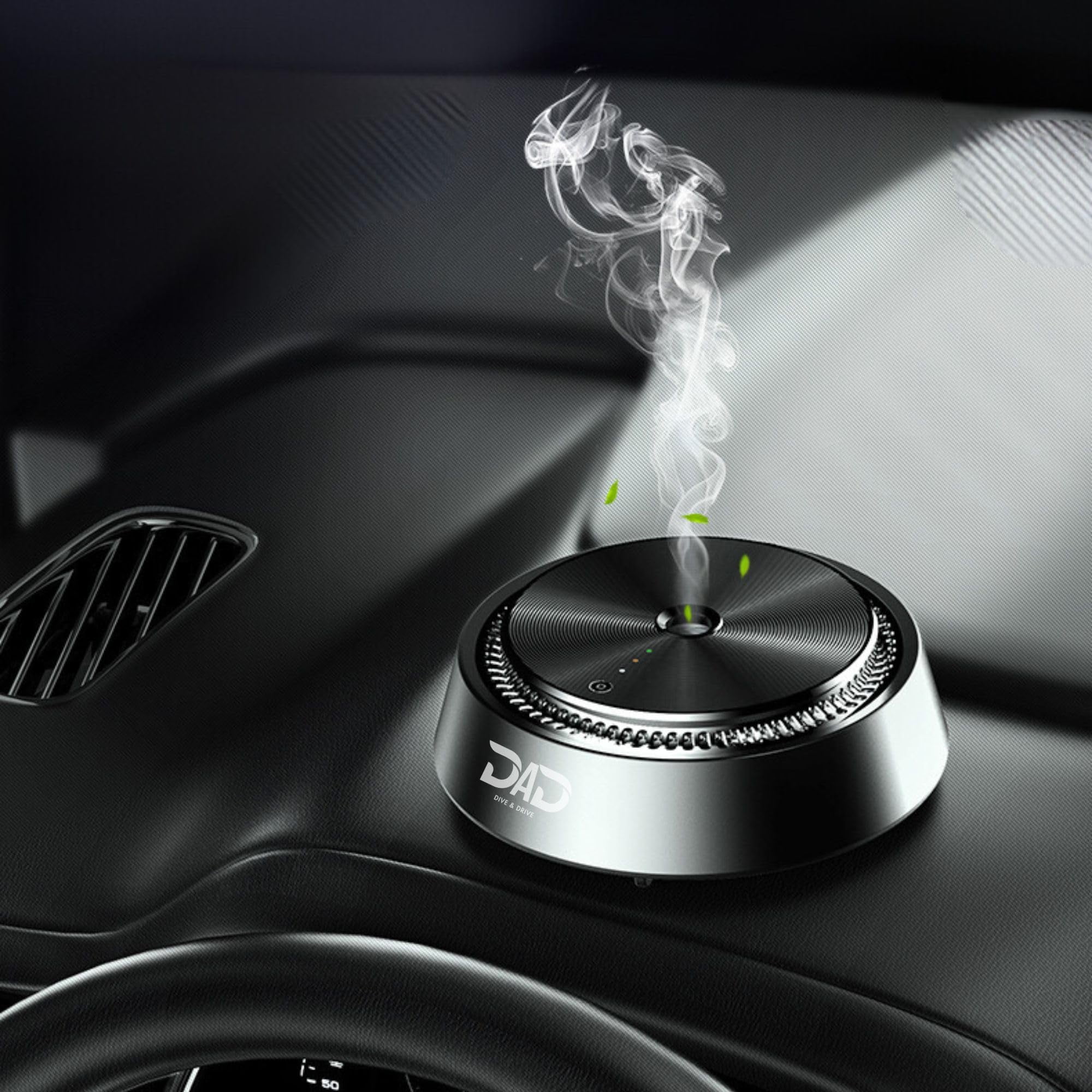
Credit: www.walmart.com
How Motion Sensor Air Fresheners Work
Have you ever walked into a room and instantly felt refreshed, not just by the ambiance but by a subtle, pleasant scent? Motion sensor air fresheners bring this magical experience to life. They ensure that your living spaces always smell delightful without you having to lift a finger. But how do these smart devices work? Let’s dive into the fascinating world of motion sensor air fresheners.
Basic Mechanism
At the heart of motion sensor air fresheners is a simple yet effective mechanism. These devices detect movement in their vicinity using sensors and activate the release of fragrance. Imagine strolling into your kitchen, and the air freshener senses your presence, instantly spritzing a wave of fresh citrus aroma. This automatic feature means you enjoy a consistent fragrance without manual activation.
Most air fresheners are battery-operated, ensuring they function independently. They come equipped with a small canister of fragrance that is dispensed through a nozzle. The sensor is programmed to trigger the nozzle when movement is detected, releasing a measured amount of scent. This not only keeps your space smelling fresh but also conserves the fragrance for longer use.
Types Of Sensors Used
These air fresheners typically use two main types of sensors: Passive Infrared (PIR) and ultrasonic sensors. PIR sensors detect changes in infrared radiation, which occurs when someone enters a room. This is why you might notice the air freshener activating as you walk by, even if you’re not directly in its path.
Ultrasonic sensors, on the other hand, emit sound waves and measure the reflections to detect movement. These are less common but provide a wider detection range, ideal for larger spaces. Ever wondered why your air freshener goes off when your pet enters the room? It’s due to these advanced sensors that pick up even minor movements.
Choosing the right type of sensor for your home depends on your needs. Consider factors like room size and frequency of use. Have you ever thought about how much fragrance you might save by using a motion sensor air freshener instead of a continuous one?
Understanding these mechanisms and sensor types allows you to make informed choices about keeping your home smelling fresh effortlessly. You can tailor your selection to fit your lifestyle, ensuring that every room remains inviting and aromatic.

Credit: www.amazon.com
Benefits Of Motion Sensor Air Fresheners
Motion sensor air fresheners offer more than just a pleasant scent. They bring smart functionality to your space, making your environment fresher without wasting resources. Let’s look at the key benefits that make these devices a smart choice for your home or office.
Energy Efficiency
Motion sensor air fresheners activate only when someone enters the room. This targeted operation prevents constant spraying, which saves battery life and reduces waste. You can enjoy a fresh-smelling space without worrying about the device running non-stop.
Have you noticed how some air fresheners seem to empty quickly? Using motion sensors helps avoid that by limiting usage to when it really matters.
Improved Air Quality
Because the spray is released only when needed, the air doesn’t get overloaded with fragrance. This helps maintain a balanced and comfortable scent level that won’t irritate your nose. It’s especially helpful if you or your family members are sensitive to strong smells.
Additionally, these fresheners often come with adjustable settings, allowing you to control how much fragrance is dispersed. This means you can tailor the air quality exactly to your liking.
Convenience And Automation
Motion sensor air fresheners work automatically, so you don’t have to remember to turn them on or off. This hands-free approach fits perfectly into busy lifestyles. They keep your space inviting without any extra effort from you.
Imagine walking into a room that instantly smells fresh without you having to do a thing. This kind of convenience can make your daily routine smoother and more pleasant.
Popular Motion Sensor Air Freshener Brands
Finding the right motion sensor air freshener can change how you experience freshness in your space. Popular brands have stepped up, offering products that combine smart technology with pleasant scents. Knowing which brands lead the market can help you pick a model that fits your needs and lifestyle.
Top-rated Products
Brands like Glade, Air Wick, and Febreze dominate the motion sensor air freshener market. Their top models often feature adjustable settings for scent intensity and sensor range. For instance, the Air Wick Freshmatic offers customizable sprays triggered by motion, making sure the fragrance only activates when needed.
Do you prefer a subtle scent or a stronger aroma? These brands typically provide options that cater to both, ensuring you don’t get overwhelmed or left wanting more freshness.
Price Ranges
Motion sensor air fresheners vary widely in price depending on features and brand reputation. Basic models from Glade or Air Wick can start as low as $10 to $20, offering reliable motion detection and refill options. More advanced units, like some Febreze models, may range from $25 to $40, including extra features like adjustable timers and scent intensity controls.
Is investing in a pricier model worth it for your home or office? Consider how often you want automatic sprays and the size of the area needing coverage.
Customer Reviews
Customer feedback often highlights the ease of use and scent longevity as key factors. Many users praise Febreze for its consistent motion detection and pleasant, lasting fragrances. However, some note that cheaper models like Glade may need more frequent refills but still deliver good value.
Have you noticed any common issues in reviews that might affect your choice? Checking what real users say can save you from surprises and help find a motion sensor air freshener that truly fits your daily routine.
Placement Tips For Optimal Performance
Proper placement is key for motion-sensored air fresheners to work well. Positioning affects how often the sensor detects movement and releases fragrance. Good placement ensures the scent spreads evenly and lasts longer.
Ideal Locations
Place motion-sensored air fresheners near entryways or high-traffic areas. Bathrooms, hallways, and kitchens work well. Position them at about 4 to 6 feet high for best sensor range. Avoid placing near vents or fans to prevent scent from dispersing too quickly.
Avoiding Common Mistakes
- Do not place the device behind doors or furniture that block movement.
- Avoid placing near windows or direct sunlight, which can damage the sensor.
- Keep away from areas with constant motion to prevent overuse.
- Do not place too low or too high; sensors work best at mid-level height.
- Ensure the device is stable and not prone to falling or shifting.
Diy Motion Sensor Air Freshener Ideas
Creating your own motion sensor air freshener can be both fun and practical. It lets you control when the scent is released, saving your fragrance for the moments you really want it. Plus, it’s a great way to customize the scent strength and style to fit your space perfectly.
Imagine walking into a room and having a gentle burst of your favorite fragrance greet you automatically. This DIY approach makes that possible without spending a lot on fancy gadgets. You can tailor it to your needs with items you might already have at home.
Materials Needed
- Basic motion sensor module (available online or at electronics stores)
- Small spray bottle or essential oil diffuser
- Battery pack or USB power supply
- Microcontroller (optional for more control, like Arduino or Raspberry Pi)
- Essential oils or air freshener liquid
- Small tubing or nozzle attachment (if using a diffuser)
- Hot glue gun or tape for securing components
- Wires and basic tools (screwdriver, scissors)
Step-by-step Guide
Start by connecting the motion sensor to your power source. If you’re using a microcontroller, wire the sensor input to it for better control over timing and spray duration.
Attach the spray bottle or diffuser nozzle to the sensor’s output mechanism. You want the sensor to trigger the spray when motion is detected, so positioning is key—make sure the spray is directed into the room and not onto surfaces.
Add your chosen essential oils or air freshener liquid to the bottle or diffuser. Test the system by walking past the sensor. Adjust the sensitivity if it sprays too often or not enough.
Secure all components firmly to prevent movement or leaks. Place your DIY air freshener in a spot where it can detect motion easily but stays safe from accidental bumps.
Have you ever thought about how much fragrance you waste when it sprays continuously? With this setup, you only release scent when someone is around—practical and efficient. What scent would you pick to create your perfect welcome?

Credit: www.ebay.com
Comparing Motion Sensor Vs. Traditional Air Fresheners
Choosing between motion sensor air fresheners and traditional ones can change the way your space smells daily. Each type offers unique benefits and challenges that impact how effectively your environment stays fresh. Let’s break down their differences to help you decide which fits your lifestyle better.
Effectiveness
Motion sensor air fresheners release scent only when they detect movement. This means they work best in busy areas like hallways or entryways where people come and go frequently. In less trafficked rooms, their effectiveness can drop, leaving some spaces less fresh.
Traditional air fresheners emit a continuous fragrance, creating a steady scent throughout the day. This can be great for rooms where you want consistent freshness, but sometimes the smell can become overpowering or fade unevenly. Have you noticed how some sprays can make a room smell too strong after a while?
Cost And Maintenance
Motion sensor fresheners often cost more upfront due to their technology and batteries. However, because they only spray when needed, you might save money on refills over time. You will need to remember to replace batteries periodically, which adds a small maintenance step.
Traditional air fresheners usually have a lower initial price and require less technical upkeep. But they use fragrance faster since they work non-stop. This means refills might be more frequent, leading to higher ongoing costs. Which expense pattern suits your budget better?
Environmental Impact
Using motion sensor air fresheners can reduce waste by limiting unnecessary sprays. This targeted approach means fewer chemicals released and less plastic from spent refills. It’s a small change that can make a positive difference if you care about sustainability.
Traditional air fresheners often release fragrance continuously, whether someone is present or not. This can lead to more chemical use and increased plastic waste from refills. Considering the environment, do you prefer a solution that adapts to your actual presence?
Frequently Asked Questions
What Is A Motion-sensored Air Freshener?
A motion-sensored air freshener releases fragrance when it detects movement. It saves energy by activating only when needed. This feature ensures your space always smells fresh without constant spraying.
How Do Motion Sensor Air Fresheners Work?
They use infrared sensors to detect motion nearby. When movement is sensed, the device sprays a burst of fragrance. After a set time without motion, it stops to conserve scent and battery.
Are Motion-sensored Air Fresheners Battery Operated?
Yes, most motion-sensored air fresheners run on batteries. This allows flexible placement without needing power outlets. Battery life varies depending on usage and model efficiency.
Where Can I Place A Motion Sensor Air Freshener?
Place it in high-traffic areas like hallways, bathrooms, or entryways. Position the sensor to easily detect movement for optimal fragrance release. Avoid placing it near vents or windows.
Conclusion
Motion-sensored air fresheners offer convenience and fresh scents. They activate only when you enter the room. This saves energy and prevents overuse of fragrance. Many brands provide different scents and styles to choose from. These devices help keep your space smelling pleasant effortlessly.
Consider your room size and scent preference before buying. Motion-sensored fresheners fit well in homes and offices. They bring freshness without constant sprays or plugs. Try one to see how it suits your needs. Simple, smart, and effective—fresh air with less hassle.