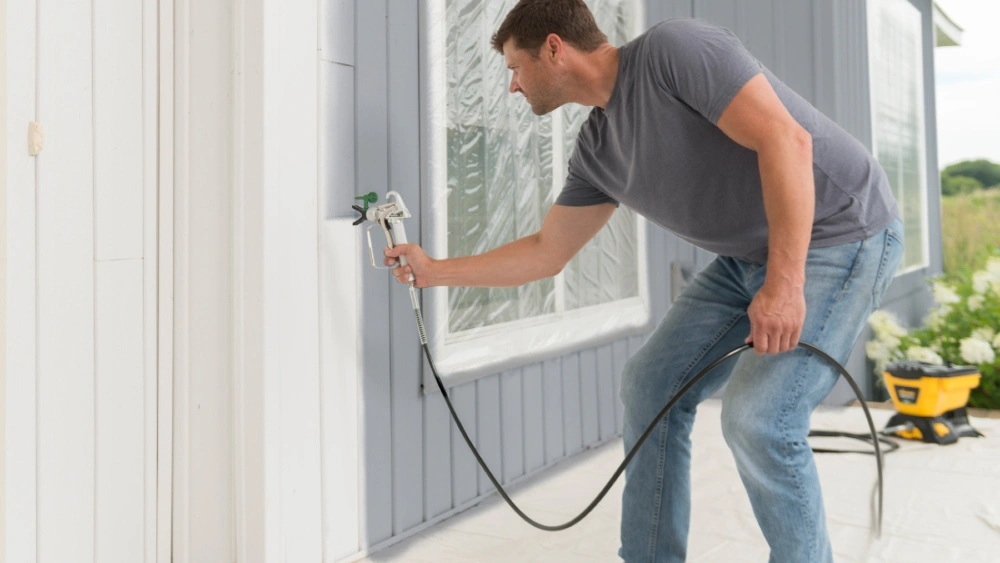
When it comes to painting the outside of your home, you might wonder: is it better to spray or roll exterior paint? Choosing the right method can make a big difference in how your project turns out.
You want a finish that looks great, lasts long, and doesn’t take forever to complete. But which option saves you time and effort? Which one gives you the smoothest, most even coat? Keep reading, because understanding the pros and cons of spraying versus rolling will help you make the best choice for your next painting job—and get your home looking its best.
Spray Painting Benefits
Spray painting covers large areas quickly and creates a smooth, even finish. It reaches tight spots that rollers can miss, saving time and effort. This method often results in less paint waste and fewer brush marks.
Spray painting the exterior of your house can be a game-changer. This method offers several benefits that might convince you to ditch the roller. It’s not just about speed; it’s about achieving a finish that looks professionally done. Let’s dive into why spray painting could be the perfect choice for your next project.Speed And Efficiency
Spray painting is incredibly fast compared to traditional rolling. You can cover large areas in a fraction of the time. Imagine spending your weekend enjoying rather than laboring over paintwork. The efficiency of a spray gun allows you to complete your painting projects swiftly, leaving you more time for things you love.Smooth Finish Quality
The finish quality of spray painting is exceptional. It delivers a smooth, consistent layer of paint that’s hard to achieve with a roller. Have you ever noticed those unsightly brush marks or roller lines? Spray painting eliminates these, providing a sleek, uniform finish that enhances the curb appeal of your home.Coverage On Uneven Surfaces
Uneven surfaces can be tricky to paint with a roller. Spray painting effortlessly covers rough textures, crevices, and intricate details. Whether your exterior has brick, stucco, or wood grain, spray painting reaches areas that rollers might miss. This ensures complete coverage and a polished look. Have you ever struggled to paint those pesky corners? Spray painting makes it easy and effective. Spray painting might just be the solution you need for your exterior painting endeavors. Are you ready to take the plunge and transform your home’s appearance?Spray Painting Challenges
Spray painting exterior surfaces might look quick and easy, but it comes with its own set of challenges that can trip you up if you’re not prepared. Understanding these hurdles can save you time, money, and frustration while getting a professional finish.
Overspray And Mess
One of the biggest headaches with spray painting is controlling overspray. Tiny paint droplets can drift and settle on windows, plants, outdoor furniture, or even your neighbors’ property.
You’ll need to cover everything nearby with drop cloths or plastic sheets. Masking off edges precisely is key, but even then, unexpected gusts of wind can blow paint where you don’t want it.
Have you ever dealt with a surprise cleanup after spraying? It’s not just time-consuming; it can also damage surfaces if you’re not careful with solvents and scrubbing.
Equipment Setup And Cleaning
Setting up a paint sprayer isn’t as simple as grabbing a roller and a tray. You have to mix the paint properly, adjust the nozzle for the right spray pattern, and make sure the pressure settings match your paint type.
After you’re done, cleaning the equipment thoroughly is critical. Leftover paint can clog the sprayer or cause uneven spraying next time.
This process can take longer than rolling, especially if you’re new to spray painting. Are you ready to invest the extra effort in setup and cleanup for a faster job?
Weather Considerations
Spray painting outdoors depends heavily on the weather. Wind can carry overspray far beyond your target, while high humidity or rain can ruin your finish before it dries.
Temperature matters too—paint may not adhere well if it’s too cold or dry out too quickly if it’s too hot.
Choosing the right day means watching the forecast closely and being flexible with your schedule. Is your timeline flexible enough to wait for perfect conditions?
Rolling Paint Benefits
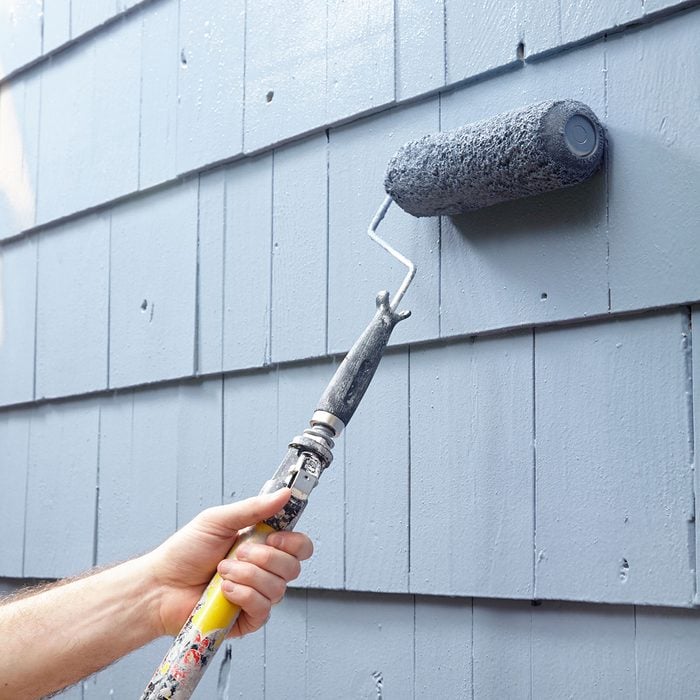
Rolling paint on exterior surfaces offers several key benefits. It provides excellent control, allowing you to paint with precision. Rollers apply paint evenly, creating a smooth finish that lasts. The process reduces paint waste and cleanup time, making it efficient. Many prefer rolling for its ability to build thicker, durable coats that protect walls over time.
Control And Precision
Rolling paint gives you better control over coverage. You can easily reach corners and edges without overspray. The roller’s texture helps spread paint evenly on rough or uneven surfaces. This precision reduces the chance of drips or streaks. It also allows for careful application around windows and trim.
Thicker Coats For Durability
Rollers apply thicker layers of paint with each pass. Thicker coats protect exterior walls from weather damage and wear. This method helps fill small cracks and imperfections. A strong, thick paint layer lasts longer and needs fewer touch-ups. Rolling ensures a solid, durable finish for your home’s exterior.
Less Waste And Cleanup
Painting with a roller uses paint more efficiently. Less paint drips or sprays onto unwanted areas. Cleanup is simpler because rollers hold paint well and don’t splatter. You can wash or dispose of roller covers easily. This results in less mess and saves time after painting.
Rolling Paint Challenges
Rolling paint on exterior surfaces comes with several challenges. It often takes more time and effort than spraying. The texture and finish may not always look smooth. These factors can affect the overall result of your painting project.
Longer Application Time
Rolling paint covers less area at once than spraying. You need to move the roller slowly for even coverage. This process can take hours on large walls. Drying time between coats can also extend the project time. Patience is necessary to avoid rushing and causing mistakes.
Possible Streaks And Texture
Rollers can leave streaks or marks if not used properly. Uneven pressure creates visible lines on the surface. The texture of the roller affects the paint finish. Rough surfaces may cause bumps and irregularities. Achieving a smooth look requires skill and practice.
Physical Effort Required
Rolling paint requires constant arm movement and reaching. Painting high or wide areas can be tiring. Holding a roller steady for a long time strains muscles. Taking breaks helps reduce fatigue but slows progress. This method demands physical strength and endurance.
Surface Types And Paint Methods
Choosing between spraying and rolling paint depends a lot on the surface type. Different surfaces need different paint methods for the best finish and durability. Understanding which method suits your surface saves time and effort.
Wood And Siding
Wood and siding often have grooves and uneven textures. Rolling paint works well to fill these areas evenly. It helps cover small cracks and rough spots without wasting paint. Spraying can be faster but may cause overspray and uneven coverage on detailed woodwork.
Stucco And Textured Walls
Stucco and textured walls have rough, bumpy surfaces. Spraying paint is usually better here. It reaches all crevices and covers the texture fully. Rolling may miss spots or leave a patchy look on deep textures. Spraying also saves time on large stucco walls.
Metal And Smooth Surfaces
Smooth metal surfaces need a sleek, even finish. Spraying paint creates a thin, uniform coat without brush marks. Rolling can leave streaks or bubbles on metal. Spraying also helps paint adhere better to slick surfaces, improving durability and shine.
Choosing The Right Paint Equipment
Choosing the right paint equipment is key to a smooth, beautiful finish. The tools you pick affect how fast and easy the job goes. Different surfaces and paint types need different gear. Knowing the options helps you decide what fits your project best.
Types Of Sprayers
Paint sprayers come in several types. Airless sprayers push paint at high pressure. They cover large areas quickly and evenly. HVLP (High Volume Low Pressure) sprayers give more control and less overspray. They work well for detailed or smaller jobs. Compressed air sprayers offer smooth finishes but need more skill. Choose a sprayer based on the size and type of surface.
Roller Sizes And Materials
Rollers come in different sizes and nap lengths. Short nap rollers (1/4 inch) are good for smooth surfaces like wood or metal. Medium nap rollers (3/8 to 1/2 inch) suit semi-rough surfaces like stucco. Long nap rollers (3/4 inch or more) work best on rough textures like brick. Roller material also matters: synthetic covers handle latex paints well. Natural covers are better for oil-based paints. Pick the right size and material for a clean, even coat.
Brushes For Detail Work
Brushes help reach corners and edges where rollers or sprayers can’t. Use angled brushes for cutting in around windows and trim. Synthetic bristles are good for water-based paints. Natural bristles work better with oil-based paints. Keep brushes clean and in good shape to avoid streaks. A good brush adds precision and a neat finish.
Cost Comparison And Budget Tips
Understanding the costs involved in spraying versus rolling exterior paint helps plan your budget wisely. Knowing where your money goes can prevent overspending. This section breaks down key expenses and offers tips to save.
Initial Equipment Costs
Rolling requires simple tools like rollers, brushes, and trays. These are usually inexpensive and easy to find. Spraying needs a paint sprayer, which costs more upfront. Some sprayers range from budget-friendly to professional models. Don’t forget extra items like hoses, filters, and protective gear. Renting a sprayer is an option to reduce initial costs.
Paint Consumption Differences
Rollers often use slightly less paint because they apply it evenly and with control. Sprayers can waste more paint due to overspray and drift. Overspray happens when paint floats away from the surface. Wind and weather increase this effect outdoors. To reduce waste, use proper sprayer settings and spray at close range. Calculating paint needs accurately prevents buying too much.
Labor And Time Expenses
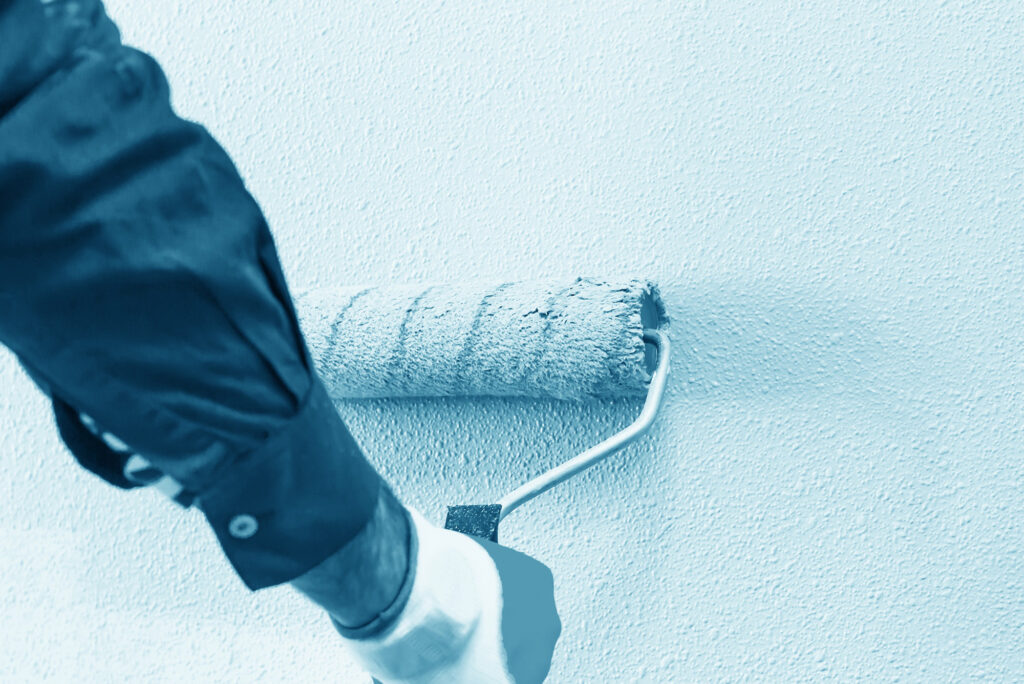
Rolling takes more time, especially on large surfaces. More labor means higher overall costs if hiring professionals. Spraying covers surfaces quickly and evenly. This reduces labor time and expense. However, setting up and cleaning a sprayer adds to the total time. Do the math: faster spraying might save labor costs but increase equipment cleaning time.
Credit: mythreesonspainting.com
Safety And Environmental Factors
Choosing between spraying and rolling exterior paint isn’t just about speed or finish quality. Safety and environmental factors play a huge role in making the right choice. Understanding these aspects helps you protect yourself, your family, and the planet while achieving a beautiful paint job.
Protective Gear Needs
Spraying paint releases fine particles into the air that can easily be inhaled or settle on your skin. This means you need a proper respirator mask, goggles, gloves, and protective clothing to avoid irritation or long-term health issues. Rolling paint requires less intensive gear—usually just gloves and eye protection—but you should still be cautious of splashes and drips.
I once underestimated the need for a mask while spraying and ended up with a sore throat for days. That experience taught me the importance of investing in quality protective gear before starting any spray project.
Ventilation And Fumes
Spraying generates more airborne fumes, making good ventilation essential. If you’re painting near windows or doors, keep them open to allow fresh air to circulate. Rolling produces fewer fumes but doesn’t eliminate the need for ventilation, especially with oil-based paints.
Ask yourself: Is your painting area well-ventilated enough to handle the method you choose? Poor airflow can lead to dizziness, headaches, or worse, so don’t overlook this factor.
Environmental Impact
Spray painting often results in more paint waste due to overspray, which can settle on plants, soil, or water sources nearby. This increases environmental contamination. Rolling paint reduces waste by applying paint directly to the surface, minimizing runoff.
Consider also the type of paint you use. Low-VOC (volatile organic compounds) paints help reduce air pollution regardless of application method. If you care about your local environment, rolling combined with eco-friendly paint is usually the better choice.
Expert Recommendations
Choosing between spraying and rolling exterior paint often depends on the project’s specific needs and your personal preferences. Experts recommend evaluating factors like surface type, weather conditions, and desired finish before deciding. Understanding when each method shines can help you achieve a professional look without unnecessary hassle.
When To Choose Spraying
Spraying is ideal for large, flat surfaces that need quick coverage, such as siding or fences. It applies paint evenly and reaches tight spots that rollers can miss. If speed and smooth finish matter most to you, spraying is often the better option.
However, keep in mind that spraying requires careful masking to avoid overspray on windows or plants. Also, wind conditions can affect the accuracy, making it less suitable on windy days. Have you ever struggled with paint drifting onto unwanted areas? Spraying demands more preparation but pays off in efficiency.
When Rolling Works Best
Rolling excels on textured surfaces like stucco or brick because it pushes paint into crevices. It also gives you more control, reducing mess and waste. If you prefer a hands-on approach and want to minimize prep work, rolling fits well.
Rollers are easier to manage on smaller projects or spots needing touch-ups. They allow you to adjust pressure instantly, helping avoid runs and drips. Have you noticed how rolling can sometimes reveal imperfections that spraying might hide? That level of control can be a real advantage.
Combining Both Methods
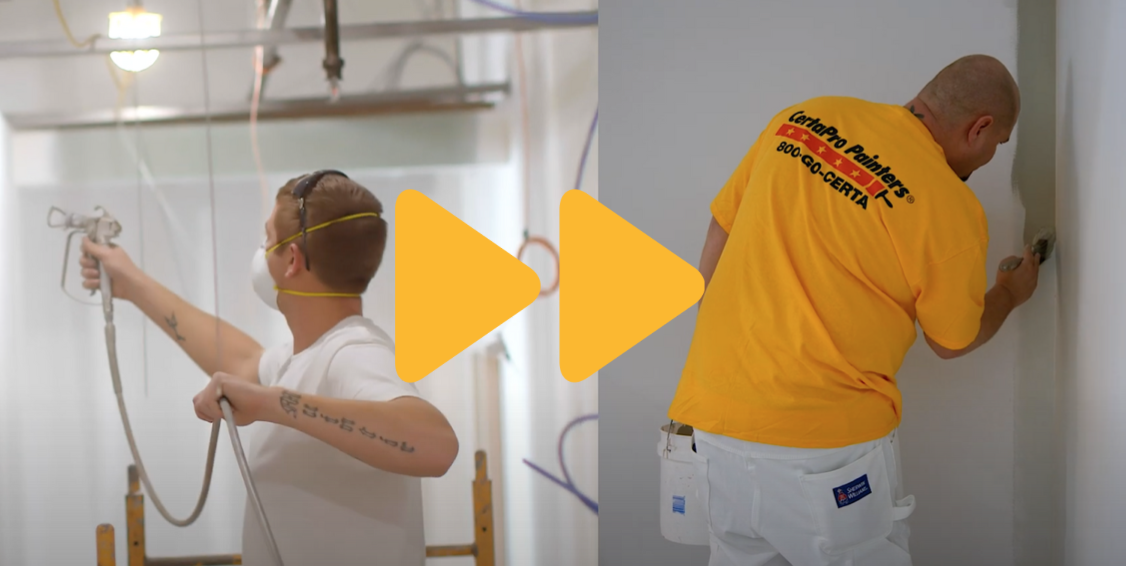
Many pros use a hybrid approach—spraying for broad areas and rolling for edges or detailed spots. This combo saves time while ensuring no areas get missed. You can spray the main walls quickly, then roll where precision matters most.
Combining methods also reduces cleanup headaches by limiting overspray zones. Think about your last painting job: did you spend extra time fixing edges or corners? Mixing spraying and rolling can cut that effort significantly.
Credit: www.familyhandyman.com
Credit: certapro.com
Frequently Asked Questions
Is Spraying Exterior Paint Faster Than Rolling?
Yes, spraying covers large areas quickly and evenly. It reduces painting time but may require more prep and masking to avoid overspray.
Does Rolling Exterior Paint Provide Better Coverage?
Rolling applies thicker coats and reaches textured surfaces well. It offers better control and less paint waste compared to spraying.
Which Method Is More Cost-effective: Spray Or Roll?
Rolling is generally cheaper due to less equipment and paint waste. Spraying may increase costs with additional tools and prep materials.
Can Spraying Exterior Paint Achieve A Smooth Finish?
Spraying can deliver a smooth, uniform finish, especially on flat surfaces. Proper technique and equipment are essential to avoid drips and uneven coats.
Conclusion
Choosing between spraying or rolling paint depends on your project needs. Spraying covers large areas quickly and gives a smooth finish. Rolling takes more time but offers better control and less mess. Think about your surface type, weather, and skill level before deciding.
Both methods have pros and cons. The best choice fits your budget and desired look. Consider practicing on a small area first. This helps avoid mistakes and saves paint. Ultimately, the right method makes your exterior paint job look great.






