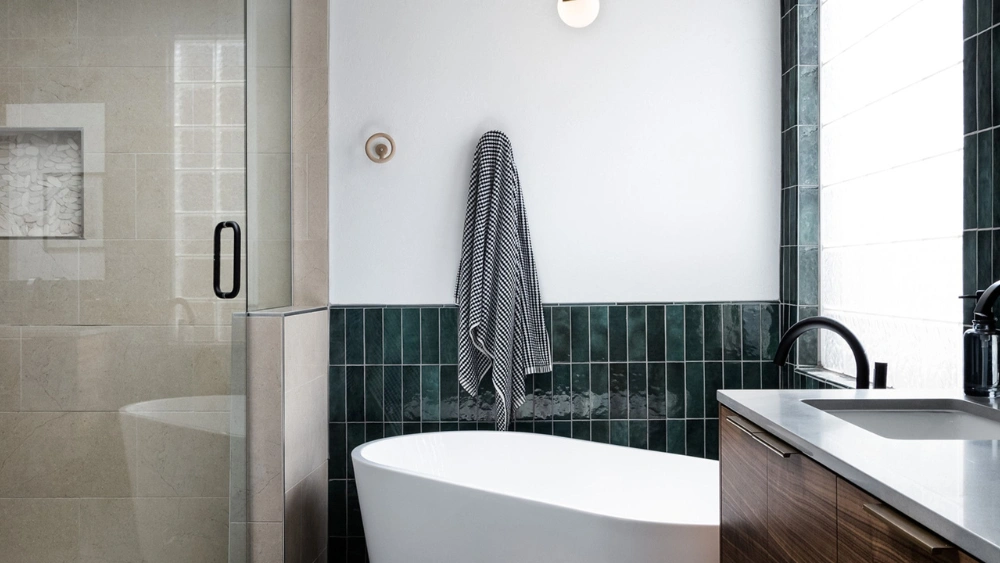
Are you thinking about upgrading your shower walls but unsure which material to choose? Ceramic tile might be exactly what you need.
It’s popular, looks great, and could save you time and money in the long run. But is ceramic tile really the best option for your shower walls? By the end of this article, you’ll have a clear answer and know whether it fits your style, budget, and daily needs.
Keep reading to find out why ceramic tile could be the perfect match for your bathroom.
Advantages Of Ceramic Tiles
Ceramic tiles offer a range of advantages that make them a top choice for shower walls. They combine practical benefits with aesthetic appeal, giving you a durable and stylish option. Let’s look at the key reasons why ceramic tiles stand out in wet areas like showers.
Durability And Strength
Ceramic tiles are known for their long-lasting strength. They resist cracking and chipping better than many other materials, which means your shower walls stay intact even after years of use. Have you ever noticed how tiles can handle heavy impacts without showing damage? That’s the durability working in your favor.
Water Resistance
One of the biggest concerns for shower walls is moisture. Ceramic tiles are highly water-resistant, preventing water from seeping through and causing damage behind the walls. This helps stop mold and mildew growth, which keeps your bathroom healthier. Do you want a shower surface that stays clean and dry with minimal effort?
Variety In Design
Ceramic tiles come in countless colors, shapes, and sizes. You can create a unique look that matches your style perfectly. Whether you prefer modern minimalism or classic patterns, there’s a tile design for you. How would you like to transform your shower into a personal design statement?
Ease Of Maintenance
Cleaning ceramic tiles is straightforward and quick. A simple wipe-down with a mild cleaner keeps them looking fresh and new. Unlike porous materials, they don’t absorb stains easily, so you spend less time scrubbing and more time enjoying your bathroom. Wouldn’t you appreciate a low-maintenance shower that still looks great?
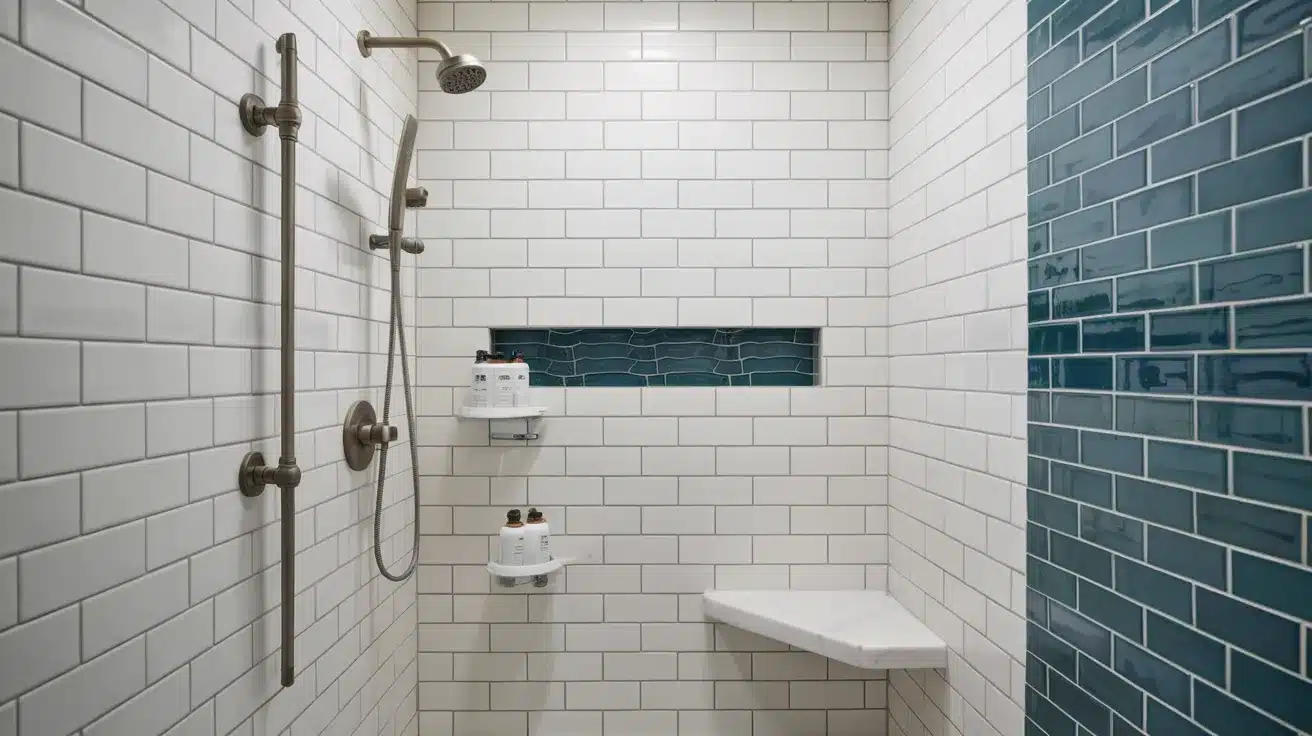
Credit: www.helpwithdiy.com
Ceramic Tiles Vs Other Materials
Choosing the right material for your shower walls can shape both the look and durability of your bathroom. Ceramic tiles often come up as a favorite, but how do they really stack up against other popular options? Understanding their strengths and weaknesses compared to porcelain, natural stone, and acrylic or fiberglass can help you make a smarter choice for your space.
Comparison With Porcelain Tiles
Ceramic and porcelain tiles look similar, but porcelain is denser and less porous. This makes porcelain more resistant to water and stains, which is a big plus in a shower environment.
However, ceramic tiles are usually easier to cut and install, which can save you time and money if you’re doing a DIY project. Ceramic also tends to be more affordable, offering a wide range of colors and patterns for customization.
If you’re looking for a balance between cost and durability, ceramic tiles might be the better fit. Are you willing to pay extra for porcelain’s toughness, or is ceramic’s versatility more important for your project?
Comparison With Natural Stone
Natural stone like marble or slate gives a luxurious and unique look to shower walls. But these materials require more maintenance to prevent water damage and staining.
Ceramic tiles are much easier to clean and maintain, making them more practical for busy households. Plus, ceramic doesn’t need sealing, unlike most natural stones that require regular upkeep.
If you want the elegance of stone without the hassle, ceramic tiles offer a low-maintenance alternative. Do you prefer aesthetics over convenience, or do you value a material that keeps its beauty with less effort?
Comparison With Acrylic And Fiberglass
Acrylic and fiberglass showers are popular for their quick installation and low upfront cost. They come as large, seamless panels, which means fewer grout lines and easier cleaning.
Still, ceramic tiles bring a timeless look and a variety of design options that acrylic and fiberglass can’t match. Tiles also allow you to repair or replace individual sections if damaged, unlike whole acrylic panels.
Would you rather have the ease of a single-piece shower wall, or do you want the ability to customize and maintain your shower’s appearance over time?
Installation Tips For Shower Walls
Installing ceramic tile on shower walls needs care and attention. Proper steps ensure tiles stay strong and look great for years. Follow these installation tips to avoid common problems.
Surface Preparation
Start by cleaning the shower walls thoroughly. Remove any dirt, soap scum, or old adhesive. Make sure the surface is dry and smooth. Repair any cracks or holes with waterproof filler. Use a primer designed for wet areas to improve tile adhesion. A well-prepared surface prevents tiles from falling off or getting damaged.
Choosing The Right Adhesive
Select an adhesive made for wet environments. Thin-set mortar is the best choice for shower walls. It sticks well and resists moisture. Avoid regular glues or adhesives not made for water exposure. Mix the mortar according to the package instructions for best results. Spread it evenly with a notched trowel to create a strong bond.
Grouting And Sealing
After tiles set, fill gaps with grout designed for showers. Use a grout that resists mold and water damage. Apply grout with a rubber float, pushing it into the joints fully. Wipe off excess grout with a damp sponge before it dries. Once dry, seal the grout with a waterproof sealer. Sealing keeps water out and prevents stains or cracks.
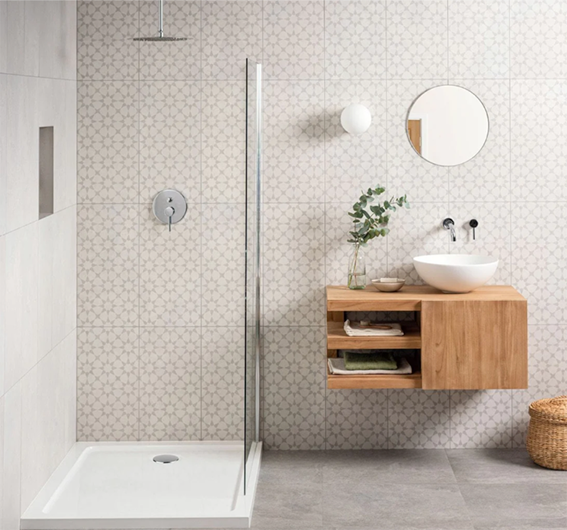
Credit: www.hyperiontiles.co.uk
Common Concerns And Solutions
Ceramic tile resists water well but grout can crack or stain over time. Proper sealing and regular cleaning help keep shower walls looking fresh and mold-free.
Ceramic tiles are a popular choice for shower walls. They offer beauty and durability. Yet, some concerns arise with their use. Addressing these concerns can enhance your shower experience. Let’s explore the common issues and their solutions.Slipperiness And Safety
Ceramic tiles can be slippery when wet. This poses a risk in showers. Opt for textured tiles to improve grip. Anti-slip coatings add extra safety. Regular cleaning reduces soap buildup. This helps maintain traction.Mold And Mildew Prevention
Moisture can lead to mold in shower areas. Proper installation is key to prevention. Ensure tiles and grout are sealed well. Ventilation reduces humidity levels. Clean tiles regularly to prevent mold growth. Choose mold-resistant grout for added protection.Cracking And Chipping
Ceramic tiles may crack over time. Heavy impacts can cause chipping. Select quality tiles to reduce this risk. Professional installation ensures tiles are secure. Address minor cracks quickly to prevent spreading. Use repair kits for easy fixes. Regular maintenance can prolong tile life.Cost Considerations
Cost plays a big role when choosing materials for shower walls. Ceramic tile is often considered because it balances price and performance. But understanding the different cost factors helps you decide if it fits your budget and expectations.
Material Costs
Ceramic tiles come in a wide price range, from budget-friendly basics to stylish designer options. On average, you might spend between $1 and $15 per square foot depending on quality and style. Don’t forget additional materials like grout, backer board, and sealant, which add to the total.
Have you noticed how some tiles look expensive but actually cost less when bought in bulk? That’s a smart way to stretch your budget without sacrificing style.
Labor Expenses
Installation costs can sometimes be higher than the tiles themselves. Ceramic tile requires careful cutting, alignment, and grouting, which can take a skilled professional several hours or days. Labor rates vary by location but expect to pay between $40 and $100 per hour.
Thinking about a DIY project? If you have some experience, you might save on labor but take extra care to avoid mistakes that could add costs later.
Long-term Investment
Ceramic tile is durable and resists water damage better than many alternatives. This means fewer repairs and replacements over time, saving money in the long run. Plus, well-installed tiles can boost your home’s value.
Ask yourself: Would spending a bit more now on quality tile save you headaches and expenses down the road? Often, the answer is yes.

Credit: mercurymosaics.com
Frequently Asked Questions
Is Ceramic Tile Waterproof For Shower Walls?
Ceramic tile is water-resistant but not fully waterproof. Proper grout and sealant are essential to prevent water damage in showers.
How Durable Is Ceramic Tile In Showers?
Ceramic tile is highly durable and resists scratches and stains, making it ideal for shower walls with regular maintenance.
Can Ceramic Tile Prevent Mold In Showers?
Yes, ceramic tile is mold-resistant when grout lines are sealed properly and the shower area is well-ventilated.
Is Ceramic Tile Easy To Clean In Showers?
Ceramic tile is easy to clean with mild cleaners and regular wiping, keeping shower walls hygienic and attractive.
Conclusion
Ceramic tile works well for shower walls. It resists water and cleans easily. Tiles come in many colors and styles. They can last for many years. Proper installation keeps tiles strong and leak-free. Small cracks or chips are easy to fix.
Ceramic tile adds beauty and value to bathrooms. It offers a practical and affordable option. Choose ceramic tile to create a fresh, clean shower space. Simple care keeps it looking great. A smart choice for any home shower.