Feeling chilly at home or in your workspace? A space heater can be your best friend to quickly warm up any room.
But do you know how to use it safely and effectively? Using a space heater the right way not only keeps you cozy but also protects your home and loved ones from risks. You’ll discover simple tips and tricks to get the most out of your space heater while staying safe and saving energy.
Keep reading, and you’ll never have to worry about the cold again.

Credit: www.safetyandhealthmagazine.com
Choosing The Right Space Heater
Choosing the right space heater can make a big difference in how warm and comfortable your room feels. It’s not just about picking the most powerful model; you need to think about the type, size, and energy use. Getting this right saves money, improves safety, and keeps your space cozy without wasting energy.
Types Of Space Heaters
There are several types of space heaters, each suited for different needs and spaces. Convection heaterswarm the air around them, making them great for heating an entire room evenly. Radiant heatersdirectly warm objects and people nearby, which is perfect if you want quick warmth in a small area.
Fan-forced heatersuse a fan to blow warm air into the room, speeding up heat distribution. Oil-filled heaters keep heat longer and are quiet, but they take more time to warm up. Think about where you’ll use the heater and how quickly you want to feel the heat.
Size And Power Considerations
Picking the right size heater is crucial. A heater that’s too small won’t warm your room properly, while one that’s too large wastes energy and could be a safety risk. Check the heater’s wattage and compare it to your room size—about 10 watts per square foot is a good rule of thumb.
For example, a 150-square-foot room needs around 1500 watts. Also, consider your power source and outlet capacity to avoid overload. Have you ever bought a heater only to find it couldn’t warm your space? Matching size and power helps you avoid that problem.
Energy Efficiency Ratings
Energy efficiency affects your electric bill and the environment. Look for heaters with an Energy Star rating or similar certifications, which means they use less energy for the heat they produce. Some models have adjustable thermostats and timers that help you control energy use more precisely.
Choosing an energy-efficient heater means you stay warm without surprise high bills. Have you noticed how some heaters run constantly while others cycle on and off? Efficient models regulate heat better, saving energy and money over time.

Credit: www.facebook.com
Safe Installation Practices
Installing a space heater safely is essential to keep your home warm without risking accidents. Paying attention to where and how you place your heater can prevent hazards and ensure it works efficiently. Let’s look at key safety tips that you can apply right now.
Positioning For Optimal Safety
Place your space heater on a flat, stable surface to avoid tipping over. Keep it at least three feet away from anything that can catch fire, such as curtains, furniture, or papers.
Have you checked if your heater blocks any exits or pathways? Always keep it clear to allow safe movement and quick evacuation if needed.
Avoiding Fire Hazards
Never use your space heater near water or in damp areas like bathrooms, unless it’s specifically designed for those spaces. Moisture can damage the heater and increase the risk of fire.
Unplug the heater when you leave the room or go to sleep. Leaving it on unattended increases the chances of overheating and fire.
Inspect the heater regularly for damaged cords or any unusual smells. These are red flags that need immediate attention to avoid danger.
Electrical Safety Tips
Plug your space heater directly into a wall outlet. Avoid using extension cords or power strips, as they may overheat and cause fires.
Check the wattage of your heater and ensure your outlet can handle the load. Overloading circuits can trip breakers or spark fires.
Do you know the last time your home’s wiring was checked? Faulty wiring combined with high-power devices like heaters can be a recipe for disaster.
Operating Your Space Heater
Operating your space heater safely and efficiently ensures a warm and comfortable room. Understanding the controls helps you avoid overheating and saves energy. Follow simple steps to set the right temperature and use safety features correctly.
Temperature Settings
Set the temperature to a comfortable level, usually between 65°F and 75°F. Avoid setting it too high to prevent energy waste and overheating. Many space heaters have easy-to-use dials or digital controls. Adjust the heat gradually to find the best comfort.
Timer And Thermostat Features
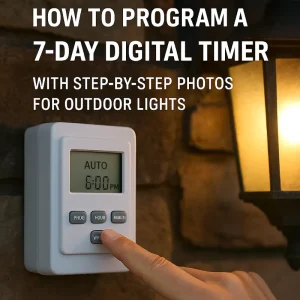
Use the timer to control how long the heater runs. This saves power and avoids running the heater all night. The thermostat keeps the room at your chosen temperature. It switches the heater on and off automatically. These features help maintain steady warmth without constant attention.
Child And Pet Safety Measures
Place the heater where children and pets cannot touch it. Choose models with cool-touch surfaces and automatic shut-off. Keep cords out of reach to prevent tripping or chewing. Always supervise when the heater is on in rooms with children or pets. Safety features protect your family from burns and accidents.
Maintenance And Care
Proper maintenance and care can extend the life of your space heater and keep it running safely and efficiently. Neglecting this can lead to poor performance or even hazards. Taking a few simple steps regularly will help you avoid unexpected breakdowns and costly replacements.
Cleaning And Upkeep
Dust and debris can build up inside your space heater, reducing its efficiency and posing fire risks. Regularly unplug your heater and use a soft brush or vacuum to clean vents and grills. Wiping the exterior with a damp cloth keeps it looking good and prevents dirt from clogging important parts.
Check the user manual for specific cleaning instructions related to your model. Avoid using water inside the heater or harsh chemicals. How often do you pause to clean your heater? Making it a monthly habit can save you trouble later.
Identifying Wear And Tear
Look closely for signs of damage like frayed cords, cracked plugs, or unusual noises during operation. These can signal electrical issues that need immediate attention. If the heater emits a burning smell or stops heating evenly, it’s time to investigate further.
Wear and tear often start small but can quickly become dangerous. Pay attention to any changes in performance or appearance. Have you ever ignored a small issue only to face a bigger problem later?
When To Replace Your Heater
Even with good care, space heaters don’t last forever. If yours frequently shuts off, fails to heat properly, or shows persistent electrical problems, it might be time for a new one. Safety should always be your top priority.
Consider replacing your heater if it’s over 10 years old or if repairs cost more than half the price of a new unit. Investing in a newer model can improve energy efficiency and offer better safety features. Are you holding onto an old heater out of habit or convenience?
Maximizing Efficiency
Maximizing the efficiency of your space heater helps save energy and lowers costs. Small changes around your room can keep the warmth inside. Using the heater smartly works best with other simple steps.
Room Insulation Techniques
Check for gaps around doors and windows. Seal cracks with weatherstripping or caulk to stop cold air leaks. Use draft stoppers at the bottom of doors. Add rugs on bare floors to reduce heat loss. These steps keep heat from escaping, so the heater works less.
Using Curtains And Blinds
Close curtains and blinds at night to trap heat inside. Open them during the day to let sunlight warm the room naturally. Thick or thermal curtains work best to block cold drafts. This method supports your heater by adding free heat during daylight.
Supplementing With Other Heating Methods
Use ceiling fans on low to push warm air down. Place portable heaters in the rooms you use most to avoid heating the whole house. Consider electric blankets or heated pads for personal warmth. Combining small heat sources reduces space heater use and saves energy.

Credit: www.facebook.com
Troubleshooting Common Issues
Space heaters are easy to use but sometimes they face common issues. Troubleshooting helps keep them working well. Understanding simple fixes saves time and effort. This section covers common problems and quick solutions.
Identifying Electrical Problems
Check if the heater is plugged in properly. Inspect the power cord for any damage or frays. Test the outlet by plugging in another device. If the heater does not turn on, try resetting the circuit breaker. Overloaded outlets can cause power failure. Avoid using extension cords as they may cause sparks or shorts.
Handling Uneven Heating
Uneven heat can mean the heater is too close to walls or furniture. Move the heater to an open space for better airflow. Dust buildup on the heating element may cause uneven warmth. Clean the unit regularly according to the manual. Adjust the thermostat to ensure consistent temperature. Fans inside the heater might need cleaning or repair for even heat.
Dealing With Noise And Odors
Strange noises could come from loose parts or debris inside the heater. Tighten screws and remove any objects blocking the fan. A burning smell usually means dust burning off after a long break. Let the heater run for a short time in a well-ventilated room. Persistent odors may signal electrical issues—stop using the heater and get it checked. Regular maintenance helps avoid noise and bad smells.
Frequently Asked Questions
How Do I Safely Operate A Space Heater?
Place the heater on a flat, stable surface away from flammable items. Keep it at least 3 feet from curtains and furniture. Never leave it unattended and always turn it off when leaving the room or going to sleep.
What Room Size Is Best For A Space Heater?
Choose a space heater based on your room size. Small heaters suit rooms up to 150 sq ft. Larger heaters can warm spaces up to 500 sq ft. Check the heater’s wattage and heating capacity before buying.
Can I Use A Space Heater Overnight?
It’s generally not recommended to use a space heater overnight. If needed, use one with safety features like automatic shutoff. Make sure it’s placed safely and never cover it. Always follow the manufacturer’s instructions for overnight use.
How Much Electricity Does A Space Heater Consume?
Space heaters typically use between 750 to 1500 watts. Running a heater at 1500 watts for one hour uses 1. 5 kWh of electricity. Usage cost depends on your local electricity rates. Use timers or thermostats to reduce power consumption.
Conclusion
Using a space heater can keep your room warm and cozy. Always place it on a flat, stable surface. Keep it away from curtains, furniture, and other items. Turn it off when you leave the room or go to sleep.
Check the heater regularly to ensure it works well. Following these steps helps you stay safe and comfortable. Enjoy the warmth without worry. Simple care makes a big difference. Stay warm this winter with smart heater use.