Are you ready to transform your outdoor space into a magical wonderland? Stringing lights in your outdoor trees is one of the easiest and most stunning ways to create a warm, inviting atmosphere.
Whether you want to brighten up your backyard for a special event or add a cozy glow to your evenings, this guide will show you how to do it right. You’ll learn simple, practical tips that anyone can follow—no experience needed.
Keep reading, and by the end, you’ll have the confidence to light up your trees like a pro.
Choosing The Right Lights
Choosing the right lights for outdoor trees can transform your garden. The right lights create a magical atmosphere and enhance outdoor spaces. Consider factors like type, energy efficiency, durability, and safety.
Types Of Outdoor String Lights
Different types of string lights offer unique effects. Classic incandescent lights provide a warm glow. LED lights are bright and energy-efficient. Solar-powered lights are eco-friendly and reduce electricity costs.
Energy Efficiency And Durability
Energy-efficient lights save money and last longer. LED lights consume less energy compared to incandescent ones. Durable lights withstand harsh weather conditions, ensuring longevity.
Safety Considerations
Safety is crucial when stringing lights on trees. Ensure lights are waterproof and suitable for outdoor use. Check for damaged wires to prevent electrical hazards. Use extension cords with ground fault circuit interrupters for added safety.
Credit: www.hgtv.com
Preparing Your Tree
Preparing your tree properly ensures your string lights look great and last long. Careful preparation avoids damage to the tree and keeps the lights secure. Take time to choose the right tree, clean its branches, and measure carefully before hanging lights. This preparation makes the whole process easier and safer.
Selecting The Tree
Choose a tree with strong, healthy branches. Look for a tree that is tall enough to fit the light length. Avoid trees with many small, weak branches that might break. Pick a tree that matches the style and size of your outdoor space.
Cleaning And Inspecting Branches
Remove dead leaves and loose bark from the branches. Check for broken or weak branches that cannot hold lights. Clean branches help lights stick better and shine brighter. Use a soft brush or cloth to clear dirt and dust gently.
Measuring For Lights
Measure the height and width of the tree carefully. Estimate the total length of string lights needed to cover the branches. Add extra length to wrap around branches and hang lights loosely. Accurate measuring saves time and prevents running out of lights.
Tools And Materials Needed
Getting your outdoor trees beautifully lit starts with gathering the right tools and materials. Having everything ready before you begin makes the process smoother and safer. Let’s take a close look at what you’ll need to bring your vision to life.
Essential Tools
- String lights:Choose weatherproof LED lights for durability and energy efficiency.
- Extension cords:Outdoor-rated cords ensure safe power supply to distant trees.
- Ladder:A sturdy, adjustable ladder helps you reach high branches easily.
- Light clips or hooks:These secure the lights without damaging the bark.
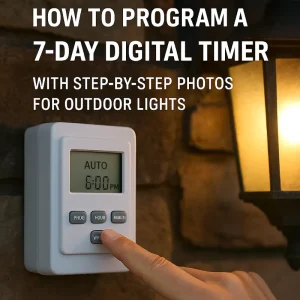
- Timer:Automate your lights to save energy and avoid manual switching.
Picking the right string lights can change everything. I once used indoor lights outdoors and they failed after one rainstorm. Outdoor-rated LEDs lasted through seasons and kept my setup shining bright.
Additional Supplies
- Zip ties or twist ties:Useful for bundling excess cords or securing lights discreetly.
- Outdoor power strip:Provides multiple outlets and often includes surge protection.
- Electrical tape:Perfect for sealing connectors against moisture.
- Ground stakes:Keep cords off the ground and prevent tripping hazards.
- Weatherproof storage box:Protect plugs and timers from rain and dirt.
One trick I learned was to use zip ties to keep cords tidy and out of sight. It made my setup look professional and kept the area safe for kids and pets.
Safety Gear
- Gloves:Protect your hands from sharp branches and electrical hazards.
- Non-slip shoes:Ensure stable footing, especially on ladders or wet ground.
- Safety goggles:Shield your eyes from falling debris or accidental wire snaps.
- Voltage tester:Confirm power is off before handling electrical connections.
- Spotter or helper:Having someone nearby increases safety and makes the process easier.
Have you ever been halfway up a ladder wishing someone was there to hold it steady? I have, and it made me realize how important a helper can be for both safety and efficiency.
Step-by-step Stringing Process
Stringing lights in outdoor trees can transform your space with a magical glow. The process may seem tricky, but breaking it down makes it manageable and even fun. Let’s walk through the step-by-step stringing process to help you get those lights shining perfectly in your trees.
Starting Point Setup
Choose a power source close enough to your tree to avoid stretching cords across walkways. If you don’t have an outlet nearby, consider using an outdoor extension cord rated for weather exposure.
Begin at the base or trunk of the tree where the plug can stay hidden yet accessible. This setup not only protects your connections but also keeps the look neat. Have your lights untangled and ready to go before you start climbing or reaching.
Wrapping Branches
Start wrapping lights around the main branches first, then work your way to smaller ones. Hold the string firmly and wrap in a spiral motion, keeping the spacing even for consistent brightness.
Make sure the bulbs face outward for the best visual effect. If you notice any tight spots, adjust the wrap so the cords aren’t stretched too much—this prevents damage and keeps the lights secure.
Securing Lights Properly
Use zip ties or twist ties to fasten the cords gently to the branches. Avoid tying too tightly to prevent cutting into the bark, which could harm your tree.
For added security, especially in windy areas, try using small hooks or outdoor clips designed for string lights. This prevents the lights from slipping or sagging over time.
Testing Lights As You Go
Plug in your lights after wrapping each major section to catch any faulty bulbs or wiring issues early. It’s easier to fix problems before everything is fully hung.
If you notice a section that’s dim or out, inspect the bulbs and connections immediately. Testing incrementally saves you from a frustrating troubleshooting session after finishing the whole tree.
Creative Lighting Techniques
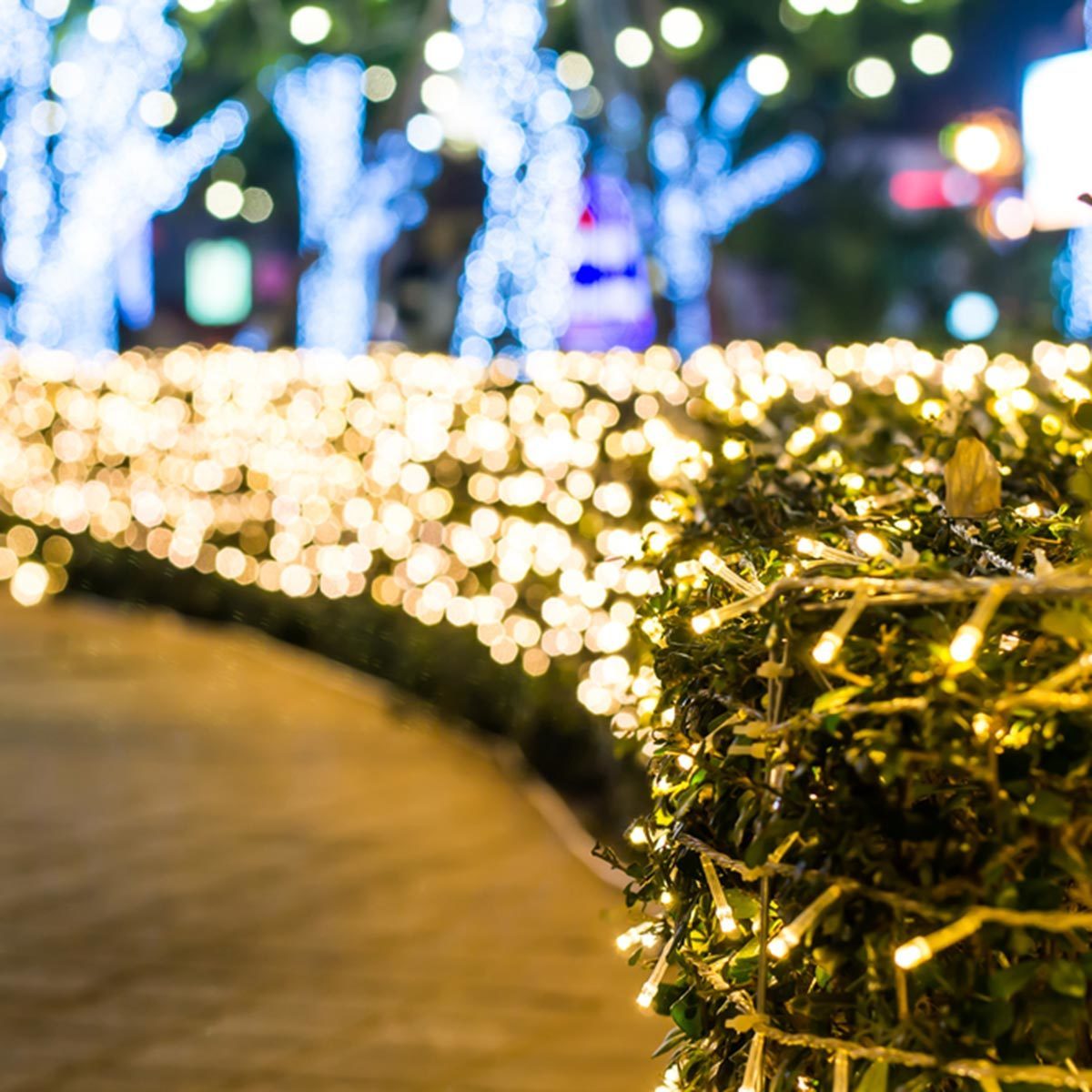
Creative lighting techniques make outdoor trees stand out beautifully. Different styles create unique moods and highlight tree features. Experimenting with light placement and color brings charm and warmth to any outdoor space.
Wrapping Vs. Draping
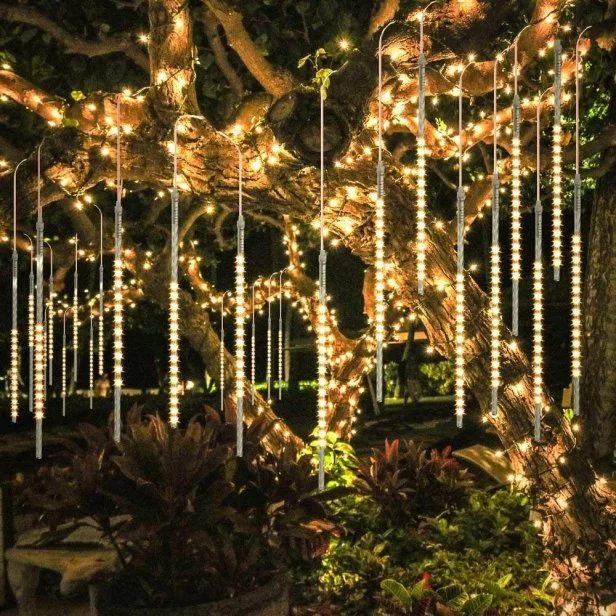
Wrapping lights tightly around branches offers a neat, glowing effect. It highlights the tree’s structure clearly. Draping lights loosely creates a softer, whimsical look. Lights hang gently, forming curves and loops that add flow and movement.
Wrapping works well for smaller trees or trunks. Draping suits larger trees with thick branches. Combining both adds depth and visual interest to the display.
Using Different Colors And Sizes
Mixing light colors can make the tree more lively. Warm white lights bring cozy feelings. Cool white creates a crisp, modern look. Colored lights add fun and excitement for holidays or parties.
Varying bulb sizes also changes the vibe. Small fairy lights offer a delicate sparkle. Larger bulbs provide bold, eye-catching spots of light. Combining sizes and colors paints a dynamic and festive scene.
Adding Accent Lights
Accent lights highlight special tree features like trunks or leaves. Spotlights placed at the base shine upward, creating shadows and depth. Lanterns hung among branches add points of warm glow.
Using solar or battery-powered accent lights avoids extra wiring. These small additions bring focus and richness to your lighting setup.
Credit: www.familyhandyman.com
Maintaining Your Outdoor Lights
Maintaining your outdoor string lights keeps them bright and safe for longer. Regular care prevents damage and saves money. Simple habits protect your investment and enhance your outdoor space.
Regular Inspections
Check your lights often for signs of wear or damage. Look for frayed wires, loose connections, or burnt-out bulbs. Inspect plugs and sockets for corrosion or dirt. Early detection stops bigger problems later.
Weather Protection Tips
Use weatherproof lights designed for outdoor use. Secure lights tightly to avoid wind damage. Cover plugs with plastic or waterproof tape to block moisture. Remove lights during severe storms to avoid breakage.
Replacing Damaged Bulbs
Replace burnt-out or broken bulbs quickly to keep lights bright. Use bulbs that match the original size and voltage. Turn off power before replacing bulbs to prevent shocks. Keep spare bulbs handy for easy swaps.
Troubleshooting Common Issues
Troubleshooting common issues with outdoor tree lights can save time and frustration. Many problems arise from simple causes and can be fixed quickly. Knowing what to check helps keep your lights shining bright all night.
Fixing Flickering Lights
Flickering often means a loose bulb or connection. Check each bulb to ensure it is properly seated in its socket. Replace any broken bulbs immediately.
Inspect the wiring for damage or wear. Moisture can cause flickering. Use waterproof electrical tape to seal any exposed wires.
Dealing With Power Failures
Power failures can come from tripped breakers or faulty outlets. Test the outlet with another device to confirm it works. Reset the breaker if needed.
Use a voltage tester to check the string lights. Replace the fuse in the plug if it is blown. Avoid using extension cords that are too long or damaged.
Avoiding Overloading Circuits
Too many light strings on one circuit causes overloads. Check the wattage limits on your power source and light strings. Divide your lights across multiple circuits if needed.
- Use LED lights to reduce power usage.
- Unplug lights when not in use to prevent overheating.
- Label circuits to avoid confusion during setup.

Credit: www.instagram.com
Frequently Asked Questions
How Do I Safely String Lights On Outdoor Trees?
Use weatherproof lights and outdoor-rated extension cords. Secure wires with clips or zip ties, avoiding damage to tree bark. Keep connections off the ground and away from water sources to prevent hazards.
What Type Of Lights Work Best For Outdoor Trees?
LED string lights are ideal as they consume less energy and last longer. Choose waterproof, outdoor-rated lights for durability and safety during all weather conditions.
How Many Lights Do I Need For One Tree?
Calculate based on tree size; typically, 100 lights per 6-foot tree work well. Adjust quantity for larger trees or denser coverage for a brighter effect.
Can I Leave Outdoor Tree Lights On Overnight?
Yes, if using LED and outdoor-rated lights, they are safe to leave on. Use a timer to save energy and prevent overheating or electrical issues.
Conclusion
Stringing lights in outdoor trees brings magic to any space. Start with a clear plan and choose safe, weatherproof lights. Wrap lights carefully around branches for a neat look. Check all connections to avoid electrical issues. Take your time and enjoy the process.
Your outdoor area will glow warmly at night. Simple steps lead to beautiful results. Brighten your garden with glowing lights today.