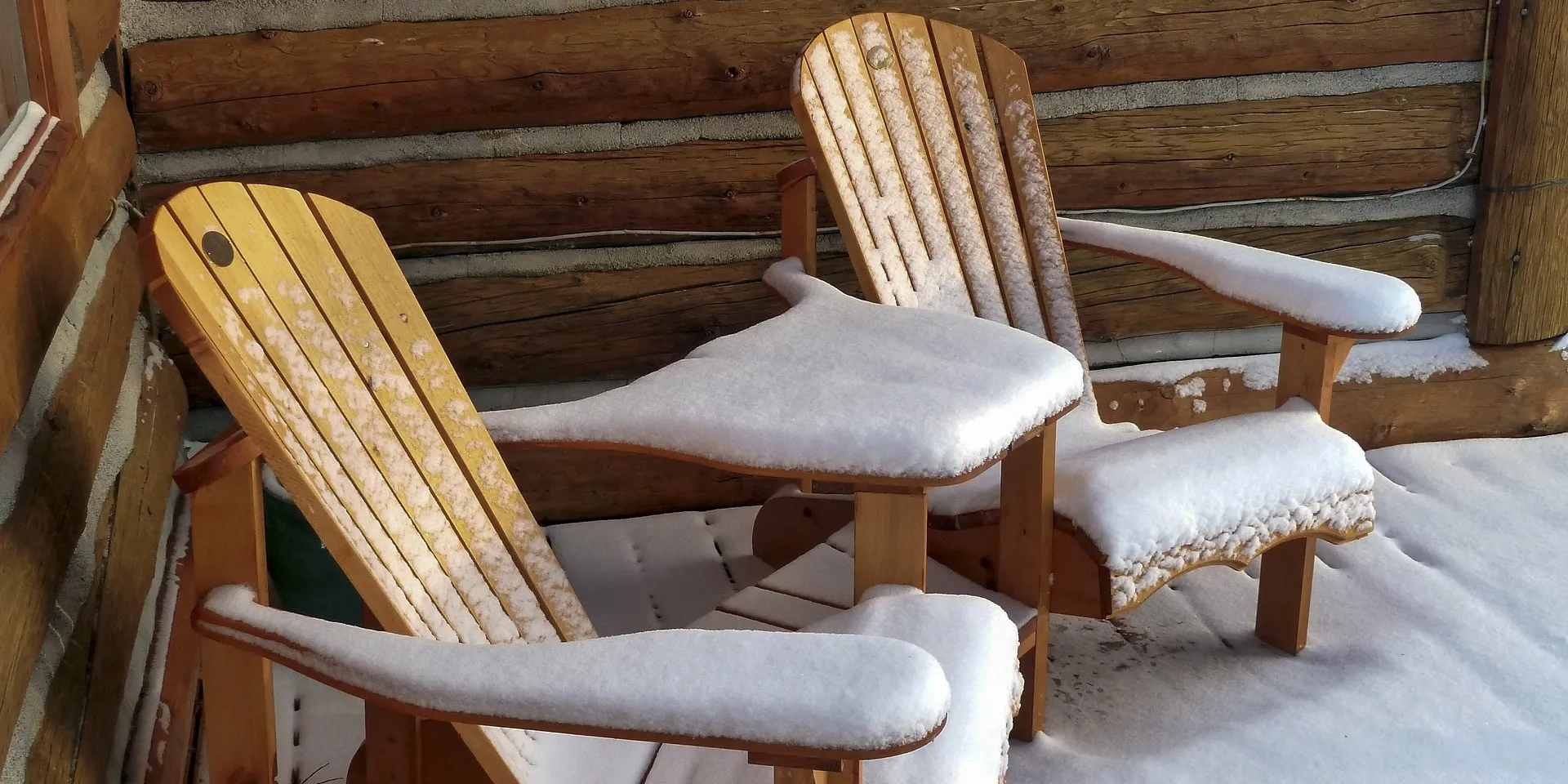
When winter arrives, your outdoor patio furniture faces harsh weather that can cause damage if not properly stored. You want to keep your favorite chairs, tables, and cushions safe so they look great and last for years.
But how do you store them the right way without wasting space or spending too much time? You’ll discover simple and effective steps to protect your patio furniture during the cold months. Keep reading to find out how easy it is to preserve your outdoor space and enjoy it again when spring comes.
Credit: serwalloutdoor.com
Prepare Furniture For Storage
Clean furniture thoroughly to remove dirt and debris before storage. Cover cushions separately and store them in a dry, ventilated area to prevent mold. Disassemble large pieces if possible to save space and protect them from damage.
Preparing your outdoor patio furniture for winter storage is crucial to extend its lifespan and keep it looking fresh for the next season. Neglecting this step can lead to damage that might be costly to repair. Imagine the joy of unboxing your furniture in spring, only to find it in perfect condition. Here’s how you can ensure your patio furniture remains pristine throughout the colder months.Clean Thoroughly
Before storing your furniture, give it a thorough cleaning. Dust, dirt, and grime can cause deterioration if left unchecked. Use a gentle soap and water solution to wipe down surfaces, paying attention to the nooks and crannies where dirt tends to accumulate. For metal or plastic pieces, a soft brush can help remove stubborn debris. If you have wooden furniture, consider using specific wood cleaners to preserve the material’s integrity.Dry Completely
Once clean, ensure your furniture is completely dry before storing it away. Moisture left on surfaces can lead to mold, mildew, or rust, particularly in enclosed spaces. You might be surprised at how quickly water can sneak into small spaces and cause damage. Air drying is effective, but for quicker results, use a soft towel to absorb excess moisture. You can also use a fan or a hairdryer for hard-to-reach areas.Inspect For Damage
Take a moment to inspect each piece for any signs of wear or damage. Look for loose screws, cracks, or frayed fabrics. Addressing these issues now can save you from unexpected repairs when you want to use your furniture again. Consider how much easier it is to fix a small issue now than to deal with a major problem later. Wouldn’t you prefer to enjoy your patio without the hassle of repairs next spring?Choose The Right Storage Location
Choosing the right storage location for your outdoor patio furniture during winter is crucial to keep it safe and in good condition. The location you pick can make a big difference in how well your furniture weathers the cold months. Let’s look at some key factors to help you decide where to store your pieces.
Indoor Vs Outdoor Options
Storing your furniture indoors, like in a garage or basement, usually offers the best protection. It shields your pieces from harsh weather and reduces wear and tear. But not everyone has indoor space available.
If you must store furniture outdoors, pick a spot that’s sheltered, such as under a covered patio or a sturdy shed. This helps minimize exposure to snow, rain, and wind. Have you checked your outdoor storage for leaks or gaps that might let moisture in?
Protect From Moisture And Pests
Moisture is the biggest enemy of patio furniture in winter. Even small amounts can cause mold, rust, or wood rot. Make sure your storage spot is dry and off the ground—using pallets or shelves can help keep furniture elevated.
Pests like rodents can also damage cushions and fabrics. Seal any openings and consider using natural repellents or traps nearby. Do you know what kind of pests are common in your area during winter?
Consider Temperature And Ventilation
Extreme temperature swings can harm materials like wood and metal. A storage space that stays relatively cool but doesn’t freeze is ideal. Avoid places that get too hot or damp, as this can cause warping or mildew.
Good ventilation is key to preventing trapped moisture and musty odors. Check if your chosen area allows air to circulate freely. Could adding a small fan or vent improve airflow where you plan to store your furniture?
Use Protective Covers
Using protective covers is essential to keep your outdoor patio furniture safe during the winter months. These covers shield your furniture from harsh weather elements like snow, rain, and wind, preventing damage and extending the life of your pieces. Choosing the right cover and applying it correctly can save you time and money on repairs or replacements.
Types Of Covers
There are several types of protective covers available, each suited to different furniture materials and styles. Polyester coversare lightweight and water-resistant, ideal for quick protection. Vinyl coversoffer stronger waterproofing but can trap heat and moisture if not ventilated properly.
For wooden furniture, breathable canvas coverswork best as they prevent moisture buildup while protecting against dirt. Some covers come with elastic hems or straps to secure them tightly around your furniture, reducing the chance of wind damage. Think about your furniture’s material and the typical winter weather in your area when choosing covers.
Proper Covering Techniques
Before covering, clean your furniture thoroughly to avoid trapping dirt and moisture underneath. Make sure the furniture is completely dry to prevent mold and mildew growth. When placing the cover, pull it down snugly over the entire piece and secure any fasteners or ties.
Leaving a bit of space around the bottom helps air circulate while still protecting from snow and rain. Avoid letting the cover touch the ground to reduce the risk of water seeping in. I once skipped securing the cover tightly, and the wind blew it off, exposing my chairs to harsh frost—don’t let that happen to you.
Avoiding Condensation
Condensation under covers can cause mold and rust, damaging your furniture. To prevent this, choose covers with built-in ventilation or add vents yourself. Elevating your furniture slightly off the ground using blocks or pallets also helps air flow underneath.
Check your covered furniture periodically during the winter. If you notice moisture buildup, remove the cover and let the furniture dry in the sun. Have you ever found your cushions soaked despite covering? Proper ventilation might be the missing piece to your storage strategy.
Disassemble When Possible
Disassembling your outdoor patio furniture can make a huge difference in how well it weathers the winter months. Taking apart pieces not only protects them from damage but also saves space in your storage area. It might feel like extra work now, but it pays off by keeping your furniture in great shape for the next season.
Remove Cushions And Fabric
Start by taking off all cushions, pillows, and any fabric covers. These materials absorb moisture and can develop mold or mildew if left on the furniture. Store them in airtight plastic bags or containers to keep them dry and fresh.
Have you ever found your cushions smelling musty after winter? Removing them before storage prevents that problem completely. Plus, it’s easier to clean or replace covers when they’re separate from the frames.
Take Apart Frames
Next, look at the main furniture frames and see what can be taken apart. Many patio sets have removable legs, backs, or tabletop sections. Disassembling these parts reduces stress on joints and prevents warping or cracking during cold months.
Keep track of which pieces go where by labeling them or taking photos. This little step saves a lot of frustration when it’s time to reassemble. You might even discover that your furniture fits better in storage once broken down.
Store Hardware Securely
All screws, bolts, and small hardware pieces should be stored carefully. Use a small container or ziplock bag and tape it to the corresponding furniture parts. Losing these tiny components can turn a simple reassembly into a frustrating scavenger hunt.
Consider grouping hardware by furniture type or location. This way, you know exactly what belongs to which piece. Wouldn’t you rather spend your time enjoying your patio than searching for missing screws in spring?
Maintain Furniture During Storage
Maintaining outdoor patio furniture during winter storage keeps it in good condition. Proper care prevents damage from moisture, mold, and pests. Small efforts now save money and time later. Follow these tips to protect your furniture throughout the cold months.
Check Periodically
Visit your stored furniture often to check its condition. Look for signs of moisture, mold, or insect damage. Early detection helps you fix problems quickly. Remove any debris or dirt that may cause stains or decay. Make sure the storage area stays dry and well-ventilated.
Air Out Cushions
Take cushions out of storage regularly to air them. This prevents musty odors and mold growth. Let them dry completely before putting them back. Store cushions in breathable bags or containers to avoid moisture buildup. Keep cushions off the floor to improve airflow.
Apply Protective Treatments
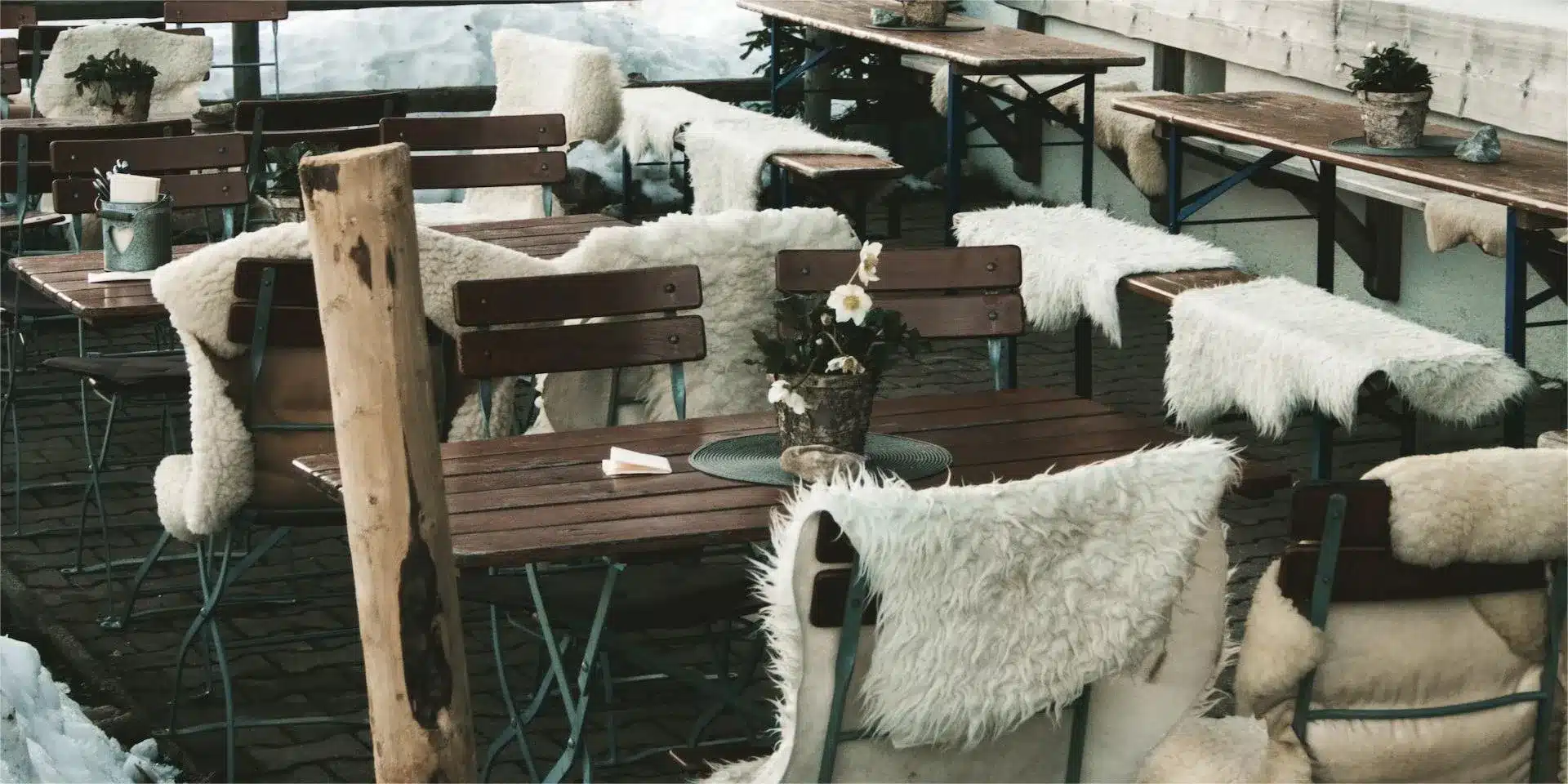
Use protective sprays or oils on wood and metal furniture. These treatments guard against rust, cracking, and fading. Follow product instructions for best results. Reapply treatments if furniture shows signs of wear. Cover furniture with breathable covers for extra protection.
Credit: serwalloutdoor.com
Prepare Furniture For Spring Use
Getting your outdoor patio furniture ready for spring is a smart move that saves you time and effort when the warm weather returns. Proper preparation ensures your furniture not only looks good but lasts longer. Taking a little time now can prevent bigger hassles later.
Clean Again
Even if you cleaned your furniture before storing it, give it another thorough wash before spring use. Dirt and dust can settle during storage, especially if your cover wasn’t airtight. Use mild soap and water, and don’t forget to rinse well to avoid any soap residue.
Pay close attention to fabric cushions and pillows. Spot clean any stains and let them dry completely to avoid mold. Think about using a fabric protector spray to add a layer of defense against spills and stains throughout the season.
Repair Any Damage
Winter storage can reveal hidden issues like loose screws, rust, or cracked wood. Check every piece carefully—tighten screws, replace missing bolts, and sand down any rough or splintered spots. Addressing these problems now keeps your furniture safe and sturdy.
If you spot rust on metal frames, treat it promptly with a rust remover and apply a fresh coat of paint or sealant. Don’t ignore small tears or holes in cushions; a quick patch can make a big difference in comfort and appearance.
Reassemble And Arrange
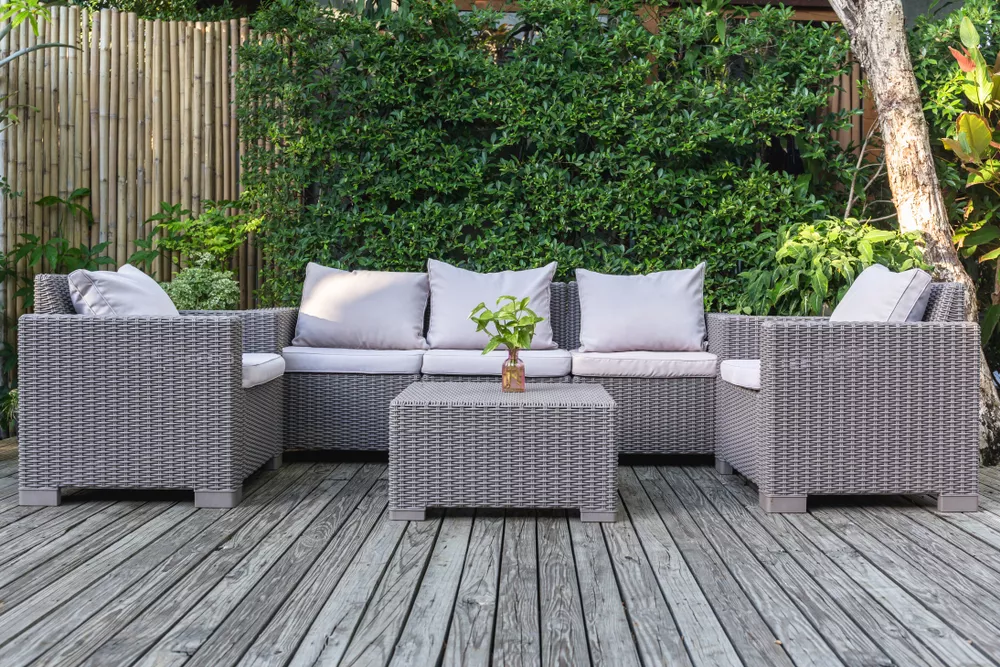
Once cleaned and repaired, it’s time to put your furniture back together. Reassembling indoors allows you to inspect connections without the pressure of outdoor conditions. It also gives you a chance to decide if you want to rearrange your setup for a fresh look.
Think about how you use your space—would a different layout improve flow or comfort? Try out new arrangements before moving everything back outside. This way, your patio will feel inviting and ready for those first warm days.
Credit: www.extraspace.com
Frequently Asked Questions
How Do I Prepare Patio Furniture For Winter Storage?
Clean all dirt and debris thoroughly. Dry the furniture completely to prevent mold. Apply protective covers or store indoors in a dry place to avoid damage from moisture and cold temperatures.
What Materials Are Best For Outdoor Furniture In Winter?
Materials like aluminum, teak, and synthetic wicker resist winter damage well. Avoid untreated wood or metal prone to rust. Proper storage and protection are essential regardless of material.
Can I Leave Patio Cushions Outside During Winter?
It’s best to store cushions indoors or in waterproof containers. Moisture causes mold and mildew, ruining fabric and padding. Use breathable storage bags if space is limited.
Should I Use Covers For Outdoor Furniture In Winter?
Yes, use waterproof, breathable covers to protect furniture. Covers shield against snow, rain, and debris while allowing moisture to escape, preventing mold and rust.
Conclusion
Storing outdoor patio furniture properly protects it from winter damage. Clean each piece well before putting it away. Cover furniture with waterproof covers to keep moisture out. Store cushions in a dry place to avoid mold. Choose a sheltered spot, like a garage or shed.
Taking these steps helps your furniture last longer. Ready for spring use without extra repairs or costs. Simple care now saves time and money later. Keep your patio furniture safe all winter long.