Is your metal patio furniture looking worn, rusty, or dull? You don’t have to buy new pieces to bring your outdoor space back to life.
With a few simple steps, you can restore your metal furniture to its former glory and enjoy a fresh, inviting patio again. Imagine sitting outside on beautifully renewed chairs and tables that feel brand new. Ready to discover how easy it is to transform your furniture?
Keep reading, and you’ll learn exactly what you need to do to restore your metal patio furniture quickly and effectively.
Assessing The Condition
Assessing the condition of your metal patio furniture is the first crucial step in restoring its original charm. Before jumping into the restoration process, it’s important to understand what you’re dealing with. This will help you make informed decisions and avoid unnecessary efforts. So, grab a cup of coffee, take a close look at your furniture, and let’s get started!
Checking For Rust And Damage
Rust is the sneaky villain that can silently deteriorate your metal furniture. Look for reddish-brown spots that appear on the surface. These are telltale signs of rust. Pay special attention to joints and crevices as these areas tend to trap moisture.
Don’t forget to check for physical damage like dents or cracks. Such imperfections can weaken the structure, making it less safe and appealing. Ask yourself, is it worth repairing, or should you consider replacing a part?
Identifying Paint Wear And Fading
Paint can fade over time due to sun exposure, leaving your furniture looking tired and washed-out. Examine the surface for dull or uneven color. This might indicate that the furniture needs a fresh coat.
Chipped or peeling paint is another factor to consider. It can expose the metal underneath, making it vulnerable to rust. You might wonder, is a simple touch-up enough, or do you need to repaint the entire piece?

Credit: www.reddit.com
Gathering Necessary Tools
Gathering the right tools is key to restoring metal patio furniture. Having everything ready makes the process smooth and efficient.
Each tool serves a purpose, from cleaning to rust removal and finishing touches. This preparation saves time and effort later.
Essential Cleaning Supplies
- Mild detergent or dish soap
- Bucket of warm water
- Soft scrub brush or sponge
- Clean cloths or rags
- Protective gloves
These supplies remove dirt and grime without damaging the metal surface.
Tools For Rust Removal
- Wire brush or steel wool
- Sandpaper (medium and fine grit)
- Rust remover solution or white vinegar
- Putty knife or scraper
- Protective mask and gloves
Rust must be eliminated for a smooth and lasting finish. Using the right tools ensures thorough rust removal.
Painting And Finishing Materials
- Primer suitable for metal
- Exterior metal paint
- Paintbrushes or spray paint
- Clear protective sealant
- Drop cloth or newspaper to protect surfaces
These materials protect and enhance the furniture’s appearance. Proper painting extends the life of the metal.
Cleaning The Furniture
Cleaning your metal patio furniture is the foundation of any restoration project. Without a thorough clean, rust and dirt will continue to eat away at the metal, making further repairs less effective. Plus, a clean surface lets you see the true condition of your furniture, so you can decide what comes next.
Removing Dirt And Debris
Start by brushing off loose dirt and debris using a soft-bristle brush or a dry cloth. This clears away the surface grime that can scratch the metal during washing. Don’t forget to check corners, joints, and crevices where dirt tends to hide.
If your furniture has stubborn debris like dried leaves or cobwebs, use a vacuum with a brush attachment to gently remove it. This step prevents clogging your cleaning solution with more dirt than necessary.
Washing Techniques For Metal Surfaces
Use warm water mixed with mild dish soap to wash the metal surfaces. Avoid harsh chemicals that can damage the paint or cause corrosion. Apply the soapy water with a sponge or soft cloth, scrubbing gently to remove grease and grime.
For tough spots, a paste made from baking soda and water works well as a gentle abrasive. Apply it carefully with a soft brush, then rinse thoroughly. After washing, dry the furniture immediately with a clean towel to prevent water spots and rust.
Removing Rust And Old Paint
Removing rust and old paint is essential for restoring metal patio furniture. Rust weakens the metal and ruins the look. Old paint can peel and chip, making the furniture look neglected. Proper removal prepares the surface for new paint and protects the metal. Use simple tools and safe products to clean the furniture well.
Using Wire Brushes And Sandpaper
Wire brushes work well to scrape off loose rust and paint. Use a brush with stiff bristles for best results. Sandpaper smooths the surface after brushing. Start with coarse grit to remove tough spots. Then use finer grit to even out the metal. Sanding creates a clean surface for paint to stick.
- Brush in small, circular motions to remove rust.
- Sand along the metal grain for a smooth finish.
- Wear gloves and eye protection for safety.
Applying Rust Removers Safely
Rust removers dissolve rust and make cleaning easier. Choose a remover suitable for metal furniture. Follow the product instructions carefully. Apply the remover with a brush or cloth. Let it sit for the recommended time. Rinse the furniture thoroughly with water after use.
- Work in a well-ventilated area to avoid fumes.
- Wear gloves and protective eyewear to protect skin and eyes.
- Test on a small area first to check for damage.
Repairing Damages
Repairing damages is a key part of restoring metal patio furniture. Small issues can turn into bigger problems if not fixed early. Taking care of dents, scratches, and structural problems keeps the furniture safe and looking good. This section covers simple ways to repair common damages.
Fixing Structural Issues
Check all joints and connections for looseness or breaks. Tighten screws and bolts with the right tools. Replace any missing or broken fasteners to secure parts firmly. For bent metal, use pliers or a rubber mallet to reshape carefully. Severe damage may require welding or professional repair. Make sure the frame feels stable and strong before moving on.
Filling Scratches And Dents
Start by cleaning the damaged area to remove dirt and rust. Use sandpaper to smooth rough edges around scratches and dents. Apply a metal filler or putty to fill in dents and deep scratches. Let the filler dry completely according to the instructions. Sand the area again to create a smooth surface. Finish by repainting with a metal-safe paint to protect and blend the repair.
Priming The Surface
Priming the surface of your metal patio furniture is a crucial step in the restoration process. It creates a strong base that helps paint stick better and protects the metal from rust. Skipping this step can lead to peeling paint and quicker deterioration.
Choosing The Right Primer
Not all primers are made for metal surfaces. You need a primer specifically designed to prevent rust and adhere well to metal. Look for primers labeled as “rust-inhibiting” or “metal primer.”
Have you ever noticed paint bubbling or flaking off your old furniture? That’s usually because the primer was not right for metal. Using an oil-based or epoxy primer can give your furniture the best protection and longest-lasting finish.
Proper Application Tips
Before applying primer, make sure the metal is clean and dry. Remove any dirt, grease, or old paint flakes with sandpaper or a wire brush.
Apply the primer in thin, even coats. Thick layers can drip or take longer to dry. Wait for the recommended drying time before adding more coats or starting to paint.
- Use a brush for detailed areas and a spray can for larger, flat surfaces.
- Work in a well-ventilated space to avoid inhaling fumes.
- Wear gloves to protect your hands from chemicals.
Have you ever rushed this step and regretted it later? Taking your time here saves you from frustration and extra work down the road.
Painting For A Fresh Look
Painting metal patio furniture gives it a fresh, inviting look. It protects the metal from rust and wear. A well-painted surface lasts longer and brightens your outdoor space. Choose the right paint and apply it carefully for the best results.
Selecting Durable Paints
Pick paints made for metal surfaces. Look for rust-resistant and weatherproof options. Spray paints or enamel paints work well outdoors. Choose colors that match your style and resist fading. Check labels for outdoor use and durability.
Techniques For Even Coating
Clean the furniture before painting. Remove dirt, old paint, and rust. Use a primer to help paint stick better. Apply paint in thin, even layers. Let each coat dry fully before adding the next. Use smooth, steady strokes for a neat finish.
Applying Protective Finishes
Applying protective finishes is crucial to keep metal patio furniture looking fresh and lasting longer. These finishes act as a shield against rust, moisture, and fading caused by sun exposure. Proper application enhances durability and maintains the furniture’s appearance.
Sealing Against Weather
Start with a clean and dry surface before applying any finish. Choose a weather-resistant sealant designed for metal. Clear spray sealants or rust-inhibiting paints work well. Apply thin, even coats to avoid drips and uneven coverage. Let each coat dry fully before adding the next. This process blocks moisture and prevents rust formation.
Maintaining The Finish Over Time
Check the furniture regularly for chips or scratches in the finish. Touch up damaged areas immediately to stop rust from spreading. Clean the furniture gently with mild soap and water to remove dirt. Avoid harsh chemicals that can damage the protective layer. Reapply the sealant or paint every year or as needed to keep the protection strong.
Regular Maintenance Tips
Regular maintenance keeps metal patio furniture looking good and lasting long. Small efforts prevent big problems later. Focus on cleaning and protecting the metal surfaces often.
Cleaning Schedules
Set a weekly or biweekly cleaning routine. Dirt and grime build up quickly outdoors. Use a soft brush or cloth with mild soap and water. Rinse well to remove soap residue. Dry the furniture completely to stop rust.
Inspect joints and screws during cleaning. Tighten any loose parts to keep furniture stable. Remove fallen leaves or debris from crevices. These can trap moisture and cause corrosion.
Preventing Future Damage
Apply a protective coating after cleaning. Use clear outdoor metal sealants or wax. These create a barrier against water and air. Cover furniture during rain or snow. Use waterproof covers that allow air flow.
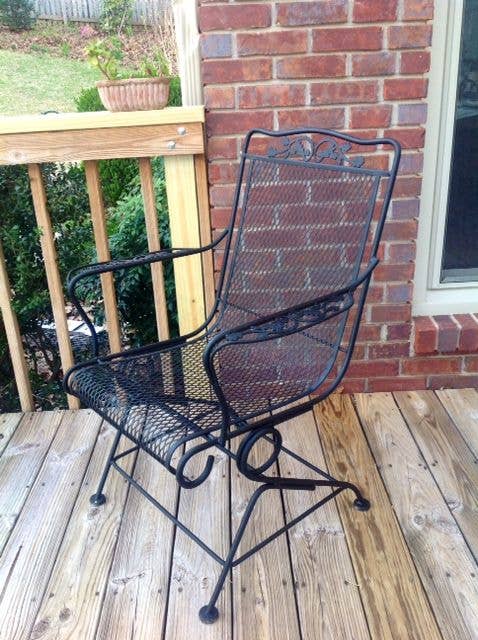
Store furniture indoors during harsh weather if possible. Avoid placing metal furniture directly on wet ground. Use rubber or plastic feet to keep them dry. Regularly check for scratches or chips. Touch up paint spots quickly to stop rust.

Credit: www.facebook.com
Credit: dengarden.com
Frequently Asked Questions
How Do I Clean Rust Off Metal Patio Furniture?
Use a wire brush or sandpaper to scrub off rust. Apply rust remover if needed, then rinse and dry thoroughly. This prepares the surface for repainting or sealing.
What Is The Best Paint For Metal Patio Furniture?
Use outdoor spray paint designed for metal. It resists rust and weather damage. Choose a rust-inhibiting primer for longer durability before painting.
How Can I Protect Metal Furniture From Future Rust?
Apply a clear sealant or rust-resistant paint after cleaning. Keep furniture dry and cover it during rain or winter. Regular maintenance prevents rust buildup.
Can I Restore Metal Furniture With Household Items?
Yes, white vinegar and baking soda can remove rust gently. Scrub with these before rinsing and drying. This is a budget-friendly restoration method.
Conclusion
Restoring metal patio furniture takes time but brings great results. Clean the metal well and remove rust carefully. Use the right paint to protect and brighten the surface. Regular care keeps your furniture looking fresh longer. Enjoy your outdoor space with furniture that feels new.
Small steps make a big difference in your patio’s look. Try these tips to bring life back to old metal pieces. Your patio will become more inviting and comfortable. Keep your furniture protected from weather to avoid future damage. Simple actions lead to lasting beauty and comfort outside.