Are your paint brushes looking worn out and misshapen? Don’t toss them just yet.
You can bring your brushes back to life with a few simple steps. Imagine saving money and getting perfect strokes every time by reshaping your brushes at home. You’ll discover easy, effective techniques to restore your brushes so they feel brand new.
Keep reading, and you’ll never have to struggle with uneven bristles again!
Causes Of Brush Bristle Deformation
Paint brushes are essential tools for artists, DIY enthusiasts, and painters. Over time, brushes can lose their shape, affecting their performance. Understanding the causes of bristle deformation is key to maintaining brushes.
Common Reasons For Bent Bristles
Brush bristles bend for several reasons. Frequent use can wear them down. Applying too much pressure while painting can cause them to bend. Using a brush with thick or heavy paint can lead to distortion. Poor handling during use also contributes to bending.
Impact Of Improper Cleaning
Cleaning brushes improperly can harm bristles. Using harsh chemicals can weaken them. Not cleaning immediately after use can let paint dry, sticking bristles together. Excessive scrubbing can break or bend bristles. Leaving water in the brush can also cause damage.
Effect Of Storage Conditions
Storage plays a big role in bristle shape. Keeping brushes in cramped spaces can crush them. Standing brushes upright with weight on bristles can deform them. Exposure to heat or moisture can warp bristles. Failing to dry brushes properly before storage can lead to mold growth.
Quick Fixes For Bent Bristles
Bent bristles can turn a good paintbrush into a frustrating tool, making it hard to achieve smooth, even strokes. Luckily, quick fixes can restore your brush’s shape without much hassle. These easy techniques use simple household items and a bit of care to bring your brush back to life fast.
Using Warm Water To Soften Bristles
Start by soaking the bristles in warm water for a few minutes. Warm water softens the fibers, making them more flexible and easier to reshape. Avoid hot water, as it can damage the glue holding the bristles in place.
After soaking, gently shake off excess water and move on to reshaping. This step is especially helpful if your brush has been left stiff with dried paint.
Applying Gentle Pressure For Reshaping
Use your fingers or the edge of a flat surface to carefully bend the bristles back into place. Apply light, even pressure to avoid breaking or splaying the bristles. It’s best to work slowly and correct small bends rather than trying to fix everything at once.
Have you noticed how small adjustments can make a huge difference? This approach lets you control the shape without risking further damage.
Utilizing Hair Dryer For Faster Results
If you’re in a hurry, a hair dryer can speed up the softening process. Set it on a low heat setting and blow warm air over the bristles while gently shaping them with your hand. The heat helps relax the fibers quickly, allowing you to reshape the brush in minutes.
Be careful not to overheat the bristles, as excessive heat can cause permanent damage. This method works best when combined with the warm water soak for stubborn bends.
Deep Reshaping Techniques
Deep reshaping techniques are essential if you want your paint brushes to maintain their shape and perform well over time. These methods go beyond simple cleaning—they help restore the bristles to their original form, ensuring precision in every stroke. Have you ever noticed how a well-shaped brush can make even the toughest painting task feel easier?
Soaking Brushes In Conditioner
Soaking your brushes in a mild hair conditioner can soften the bristles and make reshaping easier. Use a small bowl and add enough conditioner mixed with warm water to cover the bristles. Let the brush soak for about 10 to 15 minutes, then gently rinse with cool water.
This simple trick helps relax stubborn bristles that have dried out or bent. Imagine reviving your brush’s softness—doesn’t that sound worth a few minutes of extra care?
Using Brush Comb Or Fine-tooth Comb
After soaking, use a brush comb or a fine-tooth comb to carefully detangle the bristles. Start from the base and work your way toward the tip, separating any clumped hairs. This step is crucial to restore the brush’s original shape without damaging it.
If you don’t have a brush comb, a regular fine-tooth comb works just as well. Try it on a worn brush—you might be surprised how much better it performs afterward.
Shaping With Hands And Setting Tools
Once the bristles are detangled, shape them gently with your fingers into the desired form. Use tools like brush guards, rubber bands, or even a simple paper towel rolled around the bristles to hold the shape while drying. This helps the brush dry with the perfect tip or edge.
Think about how much easier your next project will be with a brush that feels brand new. What shape do you usually prefer for your brushes, and how might this technique improve your control?
Preventing Future Bristle Damage
Preventing future bristle damage keeps your paint brushes in top shape. Proper care helps maintain the brush’s form and extends its life. Damaged bristles affect paint application and can ruin your work.
Follow simple habits to protect your brushes. These habits save you time and money by avoiding frequent replacements.
Proper Cleaning Methods
Clean brushes right after use to stop paint from drying on them. Use warm water and mild soap for water-based paints. For oil-based paints, use the right solvent like mineral spirits. Gently work the cleaner through the bristles with your fingers. Avoid harsh scrubbing that can break the bristles.
Rinse thoroughly until water runs clear. Remove excess water by pressing the bristles against a cloth. Never twist or pull the bristles during cleaning. Shape the bristles back to their original form before letting them dry.
Best Storage Practices
Store brushes in a dry, clean place to keep bristles healthy. Hang brushes with the bristles facing down or lay them flat. Avoid standing brushes on their bristles, which can bend and damage them. Use a brush cover or wrap brushes in paper to protect the tips.
Keep brushes away from direct sunlight and heat sources. These can dry out the bristles and cause them to crack. Proper storage maintains the brush’s shape and prevents dust buildup.
Choosing Quality Brushes
Select brushes made with strong, flexible bristles. Natural bristles work well with oil paints. Synthetic bristles are best for water-based paints and last longer. Look for brushes with tightly packed bristles and sturdy handles.
Invest in brushes from trusted brands to avoid cheap materials. A quality brush delivers smooth strokes and resists damage. Spending a little more upfront saves money on replacements later.
Maintaining Brush Longevity
Maintaining the longevity of your paint brushes is key to saving money and ensuring your tools perform well every time you pick them up. Proper care preserves the shape and flexibility of the bristles, which directly impacts the quality of your work. Are you ready to treat your brushes in a way that keeps them fresh and ready for your next project?
Regular Inspection And Maintenance
Check your brushes after each use. Look for loose bristles, hardened paint, or bent tips. Catching these issues early prevents permanent damage.
Rinse your brushes thoroughly with warm water immediately after painting. Use gentle soap to remove paint residue without harming the bristles.
Comb through the bristles with a brush comb or an old fork to realign them. This simple step helps keep the brush’s shape intact.
Avoiding Harsh Chemicals
Strong solvents like acetone or paint thinners might remove paint quickly but can damage the brush fibers. Instead, opt for mild brush cleaners or soap specifically designed for brushes.
Using harsh chemicals repeatedly wears down the bristles and weakens the glue that holds them together. Could a gentler cleaning product extend your brush’s life?
Always test any cleaning solution on a small area first to ensure it doesn’t cause bristle loss or stiffness.
Tips For Drying Brushes Correctly
Never dry your brushes standing on their bristles. This causes them to bend and lose shape. Instead, reshape the bristles gently with your fingers after cleaning.
Lay brushes flat or hang them with bristles pointing down to dry. Proper airflow helps maintain their form and prevents water from seeping into the ferrule, which can loosen the bristles.
Reshaping your brush while damp feels tedious but pays off by keeping your tools ready for smooth strokes every time.
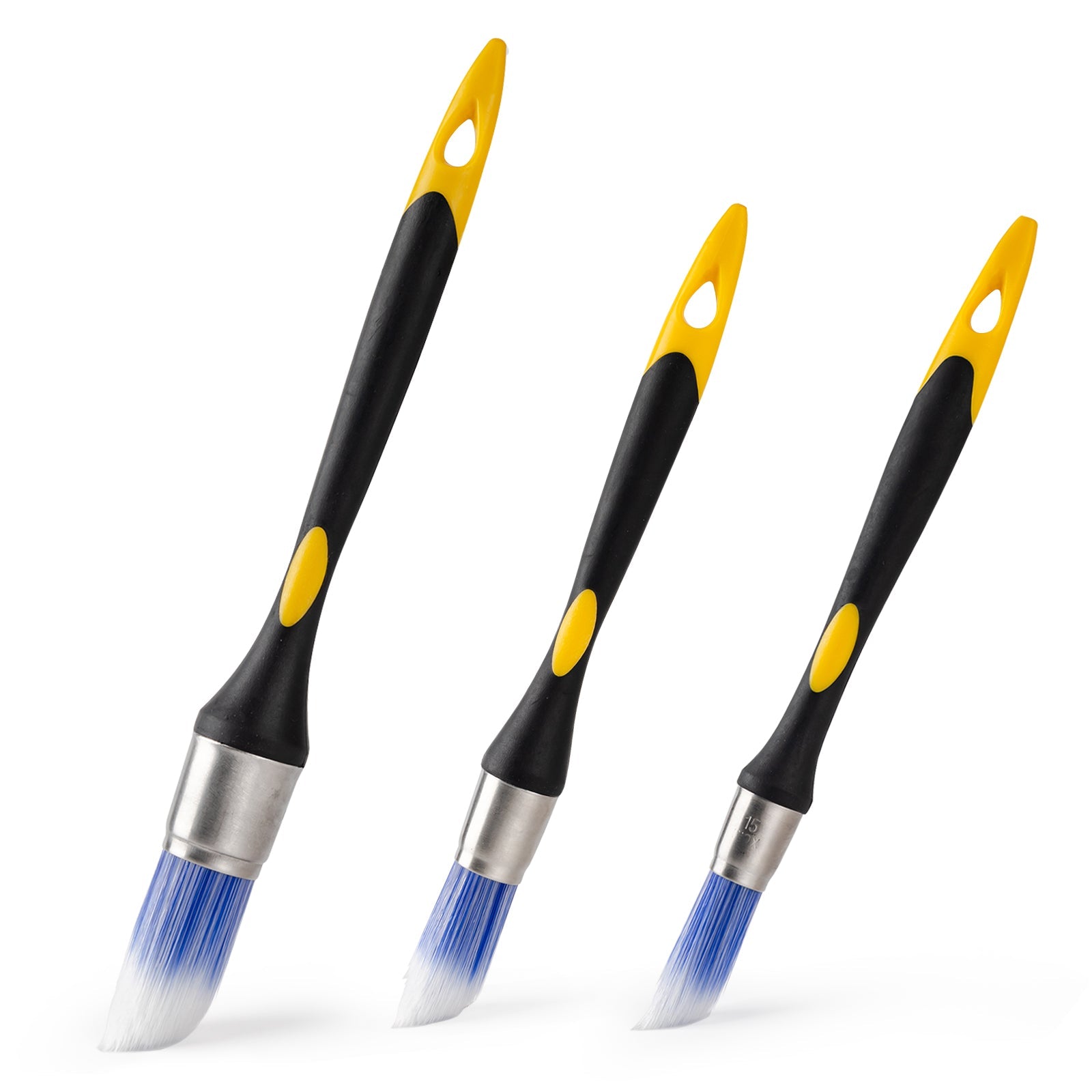
Credit: misterrui.com
Credit: www.tiktok.com
Frequently Asked Questions
How Do I Reshape Paint Brushes After Cleaning?
To reshape paint brushes, gently comb bristles with your fingers. Use warm water to soften bristles, then reshape the tip. Let brushes dry flat or hanging bristles downward to maintain shape and prevent damage.
Can Reshaping Paint Brushes Extend Their Lifespan?
Yes, reshaping paint brushes helps maintain bristle alignment and prevents splaying. Proper care after each use extends brush life and keeps paint application smooth and precise.
What Tools Help Reshape Paint Brushes Effectively?
You can use your fingers, a comb, or a brush rest to reshape brushes. These tools help realign bristles evenly and preserve the brush’s original shape for better performance.
How Soon Should I Reshape Paint Brushes After Use?
Reshape paint brushes immediately after cleaning while bristles are still damp. Prompt reshaping prevents drying in unwanted shapes and maintains the brush’s effectiveness for future use.
Conclusion
Reshaping paint brushes keeps them useful for a long time. Clean brushes well after each use. Use warm water and mild soap. Gently shape bristles with your fingers. Let brushes dry flat or hanging. Avoid leaving brushes standing in water.
Proper care saves money and effort. These simple steps keep brushes in good form. Ready for your next painting project. Easy to follow. Try these tips today.