Your favorite wicker patio furniture has seen better days, hasn’t it? Maybe some strands are broken, or the frame feels a bit wobbly.
You don’t have to replace it just yet. Imagine bringing your worn-out wicker pieces back to life with simple repairs you can do yourself. In this guide, you’ll discover easy, step-by-step tips to restore your outdoor furniture’s charm and strength.
Keep reading, and you’ll learn how to save money, protect your investment, and enjoy your patio like never before.
Tools And Materials Needed
Before you dive into fixing your wicker patio furniture, gathering the right tools and materials is essential. Having everything on hand saves time and frustration. You’ll also feel more confident tackling the repairs yourself.
Essential Tools For Wicker Repair
- Small Scissors or Wire Cutters:Perfect for trimming loose or broken wicker strands cleanly.
- Needle-Nose Pliers:Help pull and weave tight wicker strands back into place.
- Paintbrush or Small Brush:Useful for applying glue or paint during the repair process.
- Clamps or Clothespins:Hold repaired sections firmly while glue dries.
- Sandpaper (Fine Grit):Smooths rough edges and preps surfaces for refinishing.
Materials You’ll Need
- Wood Glue or Epoxy:Choose waterproof glue for outdoor durability.
- Replacement Wicker Strands:Match the color and thickness of your original wicker.
- Touch-Up Paint or Varnish:Helps restore the furniture’s original look and protect repairs.
- Cleaning Supplies:Mild soap and soft brushes to clean the furniture before repair.
- Protective Gloves:Keeps your hands safe from sharp edges and glue.
Why Having The Right Tools Matters
I once tried to fix a broken wicker chair without proper pliers, and it turned into a tangled mess. Using the correct tools makes the process smoother and prevents further damage. Have you ever started a project only to realize you’re missing a key tool? It’s frustrating and wastes time.
Gathering your tools and materials before you begin means you’ll stay focused and efficient. Plus, the results will look more professional. What’s the one tool you think you can’t do without for your repair work?

Credit: www.facebook.com
Assessing The Damage
Assessing the damage is the first step in fixing wicker patio furniture. It helps you understand what repairs are needed. This saves time and effort during the repair process. Careful inspection reveals hidden issues that might get worse over time.
Look closely at every part of the furniture. Check for broken or loose strands of wicker. Also, note any areas where the frame is cracked or weakened. Identifying all damage early avoids surprises later.
Visual Inspection Of Wicker Strands
Examine the wicker strands for breaks, splits, or fraying. Pay close attention to corners and joints. These spots often show the most wear. Mark damaged strands for repair or replacement.
Checking The Furniture Frame
Inspect the wooden or metal frame under the wicker. Look for cracks, rust, or loose connections. A sturdy frame is key for long-lasting furniture. Note any parts needing reinforcement or tightening.
Assessing Structural Stability
Gently shake the furniture to test its strength. Notice any wobbling or unusual movement. Weak spots may require extra support or rebuilding. This step ensures safety and comfort.
Identifying Surface Damage
Look for peeling paint, discoloration, or mold. Surface damage affects appearance and durability. Clean the furniture to see all imperfections clearly. Plan for sanding or repainting if needed.
Documenting All Findings
Write down all problems discovered during inspection. Use a checklist or take photos for reference. This helps organize the repair process. Tracking damage avoids missing any repairs.
Cleaning Wicker Furniture
Cleaning your wicker patio furniture is an essential first step before you begin any repairs. Dirt, dust, and grime can hide cracks or weak spots, making it harder to fix your furniture properly. Plus, a clean surface helps any adhesives or paints stick better, ensuring your repair lasts longer.
Gathering The Right Cleaning Supplies
Start by collecting gentle cleaning tools to avoid damaging the wicker. You’ll need a soft brush, mild soap, warm water, and a clean cloth. Avoid harsh chemicals that can weaken the fibers or strip the finish.
Consider using a toothbrush for tight corners and crevices. Have a spray bottle handy to apply water evenly without soaking the furniture.
Removing Surface Dirt And Dust
Begin by brushing off loose dirt and dust with a soft brush. This prevents scratching the wicker during washing.
Use a vacuum cleaner with a brush attachment to suck out dirt from hard-to-reach areas. You might be surprised how much dust accumulates inside the weave!
Washing The Wicker Furniture
Mix a small amount of mild soap with warm water in a bucket. Dip a soft cloth or sponge into the soapy water, wring it out, and gently wipe down the wicker.
For stubborn grime, use a soft toothbrush dipped in the soapy water to scrub gently. Keep the wicker damp but not soaked to avoid weakening the fibers.
Drying And Inspecting The Furniture
After cleaning, dry your furniture thoroughly with a clean towel. Then, let it air dry in a shaded, well-ventilated area to prevent sun damage.
Once dry, inspect your furniture carefully. Are there any cracks, loose strands, or worn spots? Catching these early makes your repair work easier and more effective.
Fixing Loose Strands
Loose strands in your wicker patio furniture can make it look worn out and unstable. Fixing these strands not only improves the furniture’s appearance but also extends its life. You can tackle this issue with a bit of patience and the right techniques.
Reweaving Techniques
Reweaving loose strands involves carefully threading the wicker back into its original pattern. Start by gently pulling the loose strand back into place, following the weave’s natural path. Use a small tool like a flathead screwdriver or a knitting needle to guide the strand through tight spots.
If the strand is broken, you can replace it with a new piece of wicker or rattan. Soak the new strand in water for about 30 minutes to make it flexible. Then weave it in, mimicking the existing pattern as closely as possible to maintain a uniform look.
Patience is key here—rushing can cause more damage. Have you ever noticed how a single loose strand can throw off the entire weave? Fixing it carefully can bring your furniture back to life.
Using Adhesives
For strands that are too fragile to reweave or keep slipping out, adhesives provide a strong hold. Use a clear, waterproof glue designed for outdoor use to avoid any visible residue or weather damage. Apply a small amount to the loose end, then press it firmly into place until it sets.
Be cautious not to use too much glue, as excess can harden and look messy. You might want to use a toothpick to apply glue precisely. After the glue dries, gently clean any residue with a damp cloth to keep the finish neat.
Have you tried using glue on your wicker before? It can be a quick fix, but combining it with reweaving often gives the best results. This way, your furniture stays both strong and attractive.
Repairing Broken Pieces
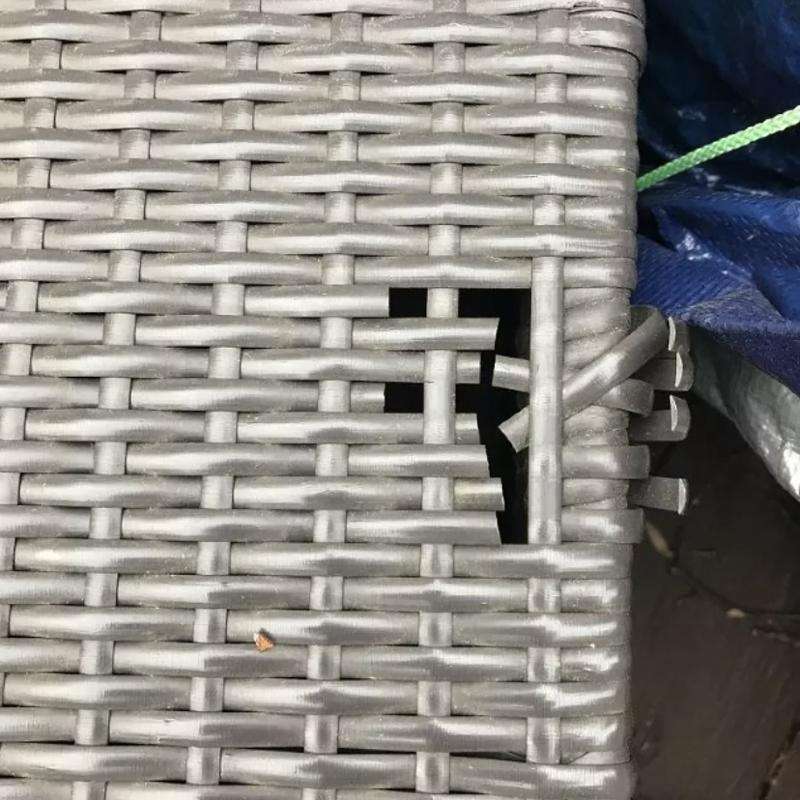
Repairing broken pieces in wicker patio furniture restores its beauty and strength. Small damages can worsen if ignored. Fixing these issues early saves money and extends furniture life. Focus on replacing broken strands and strengthening weak spots to keep your wicker looking fresh.
Replacing Strands
Broken or missing strands spoil the wicker’s look and support. Replace them carefully for a smooth finish. Use matching wicker or rattan strips. Soak new strands in water to make them flexible. Weave them into the damaged area, following the original pattern. Trim excess ends and secure with glue. Let dry fully before use.
Strengthening Weak Areas
Weak spots cause further damage and discomfort. Reinforce these areas with extra strands or thin wire. Wrap strands tightly around the frame to add support. Use wood glue on loose joints for stability. Check all weak points for cracks or bends. Regular checks help maintain firm, safe furniture.
Credit: atc-craft.com
Sanding And Smoothing
Sanding and smoothing are key steps in repairing wicker patio furniture. These steps remove rough spots and old finishes. They help the wicker look fresh and feel comfortable. Proper sanding prepares the surface for painting or sealing. It also extends the life of your furniture.
Choosing The Right Sandpaper
Use fine-grit sandpaper to avoid damaging the wicker. Start with 120-grit for rough areas. Switch to 220-grit for a smooth finish. Avoid heavy sanding that can break the fibers. Sandpaper sheets or sanding sponges work well on curved surfaces.
How To Sand Wicker Furniture
Gently sand along the weave direction to keep the fibers intact. Use light pressure to prevent fraying. Focus on areas with chipped paint or splinters. Take your time to reach all the nooks and crevices. A soft brush can remove dust after sanding.
Smoothing Techniques For A Perfect Finish
After sanding, check for any rough spots by running your hand over the wicker. Use a fine sanding sponge to smooth these areas. Wipe the furniture with a damp cloth to remove dust. Let it dry completely before applying paint or sealant.
Applying Protective Finish
Applying a protective finish can extend the life of wicker patio furniture. Use a clear varnish or sealant to shield against weather damage. Regular maintenance keeps furniture looking fresh and prevents future repairs.
Applying a protective finish to wicker patio furniture can extend its lifespan. It shields the material from moisture and harsh weather. A well-applied finish enhances the beauty of your furniture. Choosing the right products is crucial for effective protection.Choosing The Right Sealant
Select a sealant designed for outdoor wicker furniture. Look for water-resistant options. A clear sealant preserves the natural look of wicker. Opt for a UV-protective formula. This guards against sun damage. Check for eco-friendly labels. These are safer for your family and the environment.Painting And Staining Options
Painting offers a fresh new look. Choose outdoor paint for durability. Consider neutral colors for versatility. Staining maintains the wicker’s natural texture. Use stain with sealant for added protection. Test a small area first. Ensure you like the final appearance.
Credit: www.amazon.ca
Preventing Future Damage
Preventing future damage to wicker patio furniture keeps it looking fresh and sturdy. Small habits protect your investment. Routine care stops dirt buildup, which weakens fibers. Proper storage shields furniture from harsh weather. These simple steps extend your furniture’s life and maintain its charm.
Proper Cleaning Routine
Clean wicker furniture regularly to remove dust and grime. Use a soft brush or cloth to avoid scratching. Mild soap with warm water works best for stains. Rinse gently and dry completely to prevent mold growth. Avoid harsh chemicals that can weaken the wicker. Clean cushions separately according to their care labels.
Storage Tips
Store wicker furniture indoors during cold or wet seasons. Use breathable covers to keep dust off when not in use. Avoid plastic covers that trap moisture and cause mold. If storing outside, place furniture under a patio roof or awning. Elevate pieces slightly to prevent water damage from ground contact. Regularly inspect stored furniture for any signs of wear or pests.
Frequently Asked Questions
How Do I Fix Broken Wicker Strands On Patio Furniture?
To fix broken wicker strands, clean the area first. Use wood glue to reattach loose strands. For missing pieces, weave in replacement wicker strips and secure with glue. Allow it to dry fully before use.
What Materials Are Needed To Repair Wicker Furniture?
You need wood glue, replacement wicker strips, scissors, a small brush, and a damp cloth. Optional: paint or varnish to match the finish. These tools help restore strength and appearance effectively.
Can I Repair Wicker Furniture At Home Without Professional Help?
Yes, minor repairs like reweaving strands and gluing breaks are easy to do at home. Use simple tools and materials. Follow step-by-step guides for best results. Professional help is only needed for major damage.
How Do I Prevent Future Damage To Wicker Patio Furniture?
Keep wicker furniture dry and clean regularly. Apply protective sealants or varnish annually. Store furniture indoors or cover during bad weather. This prolongs lifespan and maintains appearance.
Conclusion
Repairing wicker patio furniture can save money and extend its life. Small fixes keep your furniture strong and looking fresh. Regular care prevents big problems later. Use the right tools and materials for best results. Take your time and work carefully for good repairs.
Enjoy your outdoor space with furniture that feels like new. Keep learning simple repair steps to maintain your wicker pieces. A little effort goes a long way in keeping comfort and style.